U.S. delegates led by Vice President JD Vance arrived in Islamabad, Pakistan on Saturday morning for talks with Iran, with an aim to end hostilities in the Middle East.
The U.S. team also includes President Donald Trump's special envoy Steve Witkoff and son-in-law Jared Kushner, who are in a separate plane landing at the Nur Khan airbase earlier in the day. The Iranian delegation headed by Parliament Speaker Mohammad Baqer Qalibaf arrived early Saturday. However, distrust between the two adversaries still shadows their peace talks scheduled for that day.
Following the arrivals of both sides of the talks, Pakistan's Deputy Prime Minister and Foreign Minister Mohammad Ishaq Dar expressed hope that all parties involved in the ongoing conflict would engage constructively to advance efforts toward a peaceful resolution, the Pakistani Foreign Ministry said.
In a statement, Dar reiterated Pakistan's willingness to continue facilitating the parties in achieving a lasting and durable solution, underscoring the importance of dialogue and cooperation in resolving disputes.
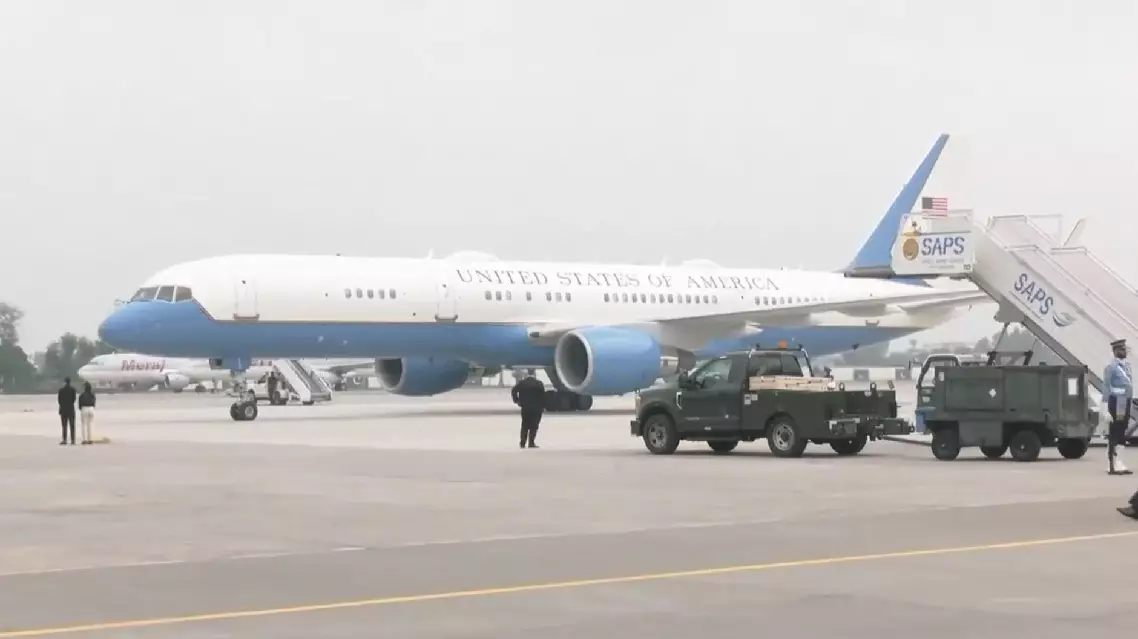
U.S. delegates land in Pakistan, both sides ready for upcoming U.S.-Iran talks
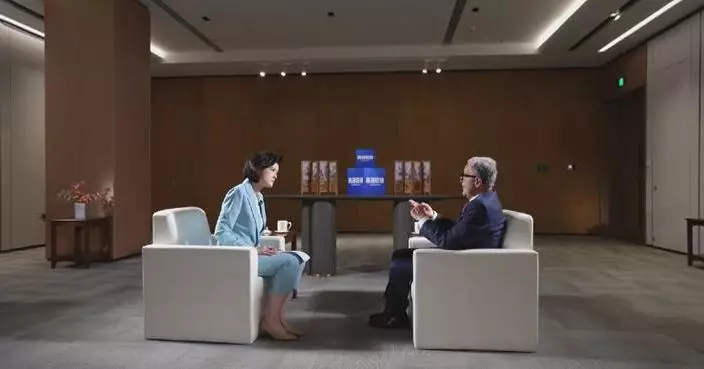
Former Italian prime minister Romano Prodi has urged the European Union to scrap unanimity in key decisions, warning that the bloc's leadership risks paralysis under its current rules.
Prodi, also former president of the European Commission, delivered the appeal in a China Media Group interview aired Friday, framing unanimity as the rule that has repeatedly left the Eropean Union (EU) unable to act decisively on foreign policy and crises such as Ukraine aid and sanctions against Russia.
The unanimity rule has repeatedly stalled EU action, most visibly in foreign policy and Ukraine aid, where Hungary's vetoes have blocked or delayed major packages and sanctions. This has led to frustration among EU leaders and calls for reform toward majority voting.
"The case of Europe, in my opinion, is very simple. Because of old compromise, the great decisions must be taken at unanimity. And this is impossible. We have simply to change our rules. We have 27 countries. It is enough to have one to stop any decision. If we go on with this way of dealing, we shall never arrive to some sort of synergy," he said.
Prodi believes the deeper risk is that Europe cannot exercise leadership unless it achieves unity, since leadership depends on collective recognition and cohesion.
"The unity of Europe, I was telling you that our problem is unanimity, so we cannot play anymore our role. And when you have a veto right, it is difficult to have a leadership. Leadership means recognizing some sort of unity," he said.
EU leaders have debated extending qualified majority voting to foreign policy and taxation, but treaty change remains politically sensitive. The debate over unanimity, and whether unity can be preserved without it, is expected to intensify as the bloc confronts crises from Ukraine to sanctions.
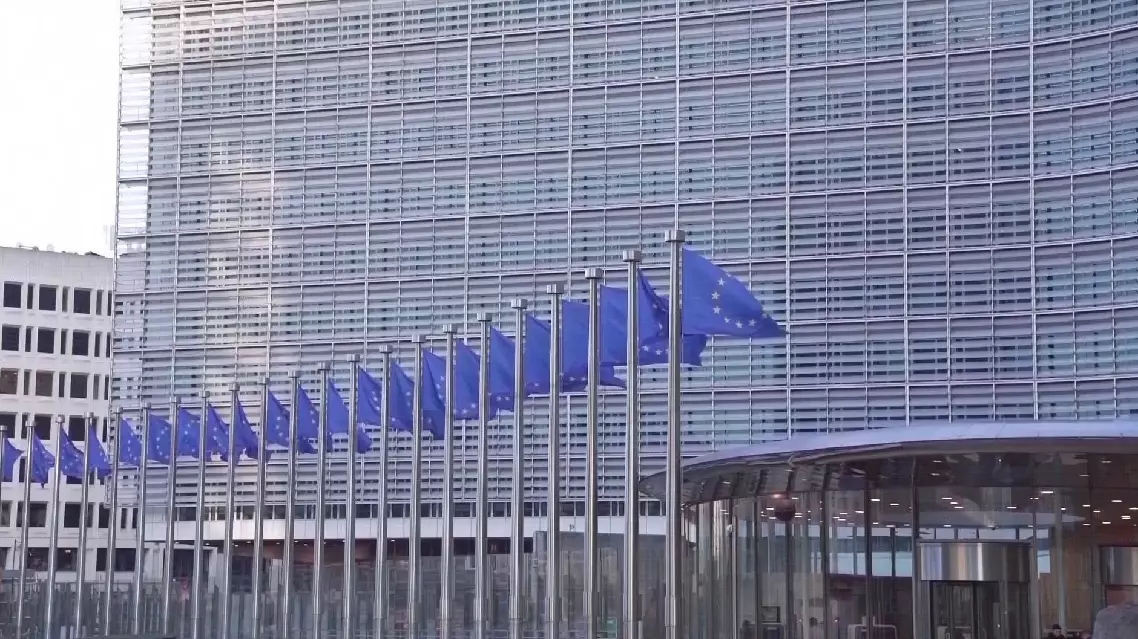
Former Italian PM says EU unity, leadership at risk under unanimity rule