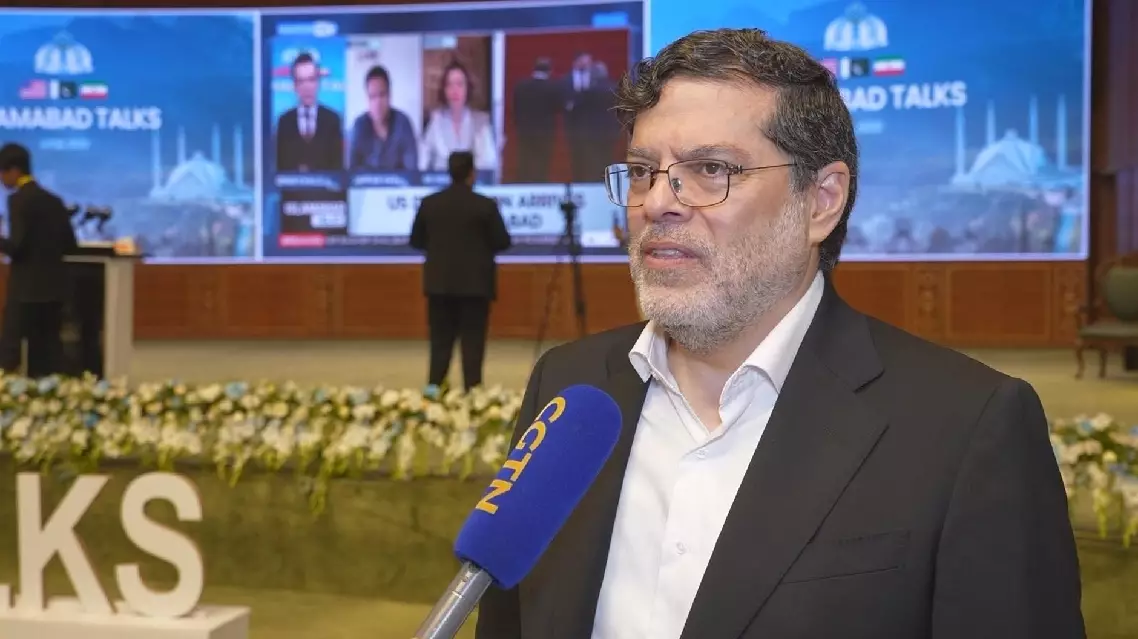
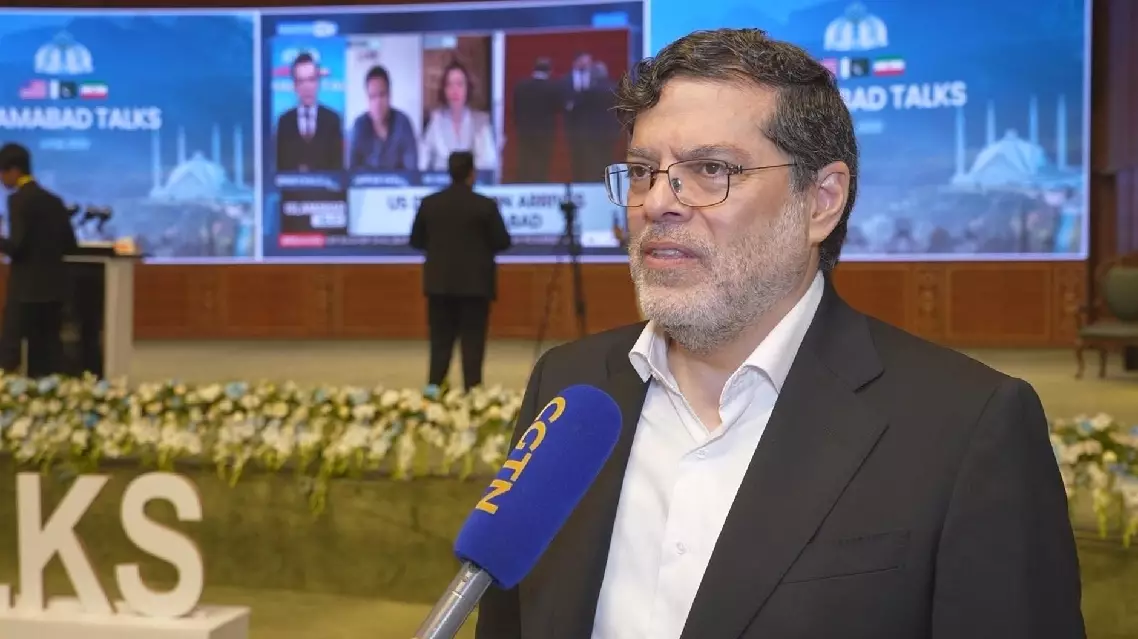
Iran harbors "no trust" in the Trump administration as it has repeatedly failed to honor its commitments, said an Iranian political analyst on Saturday in Pakistan's Islamabad, where the latest talks between the United States and Iran were held.
The United States, Pakistan, and Iran held three rounds of face-to-face trilateral meetings in Islamabad from Saturday to early Sunday. Iran's semi-official Tasnim news agency reported on Sunday that negotiations concluded without an outcome, as "excessive demands" by the U.S. hindered a common framework and agreement.
Click to Gallery
Iran has no trust in Trump as repeated broken promises undermine negotiations: analyst
Iran has no trust in Trump as repeated broken promises undermine negotiations: analyst
Iran has no trust in Trump as repeated broken promises undermine negotiations: analyst
Iran has no trust in Trump as repeated broken promises undermine negotiations: analyst
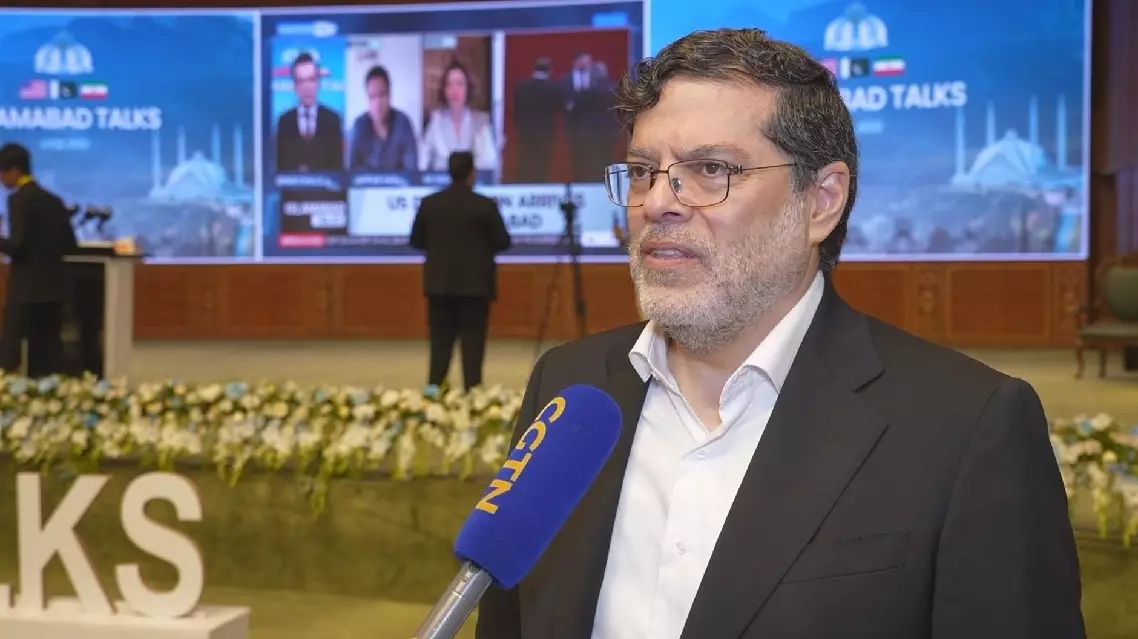
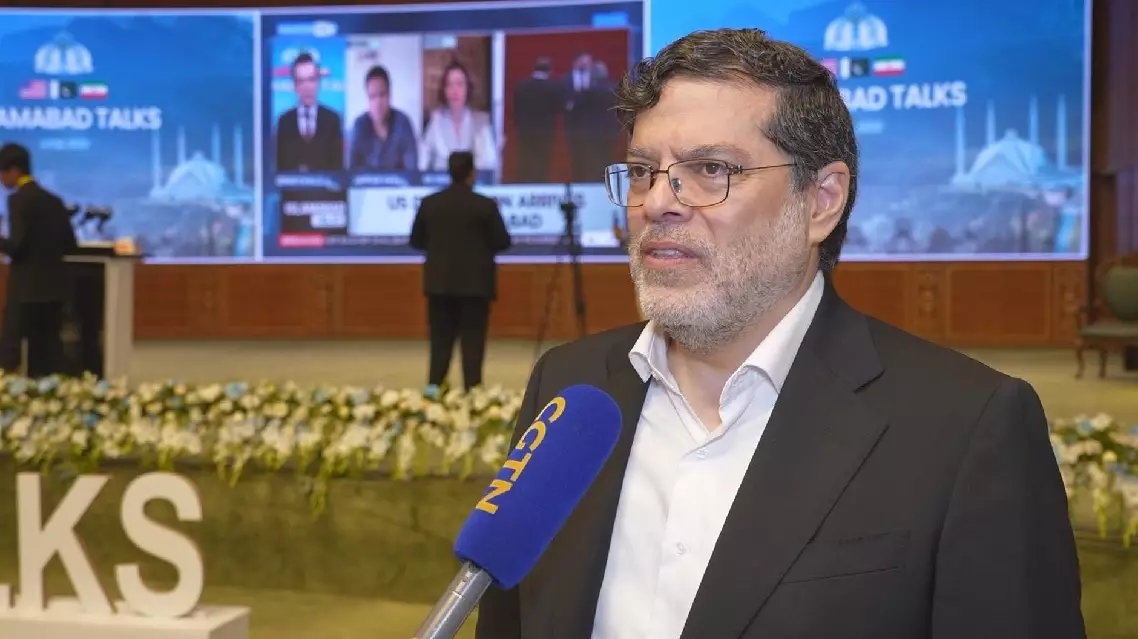
Mohammad Marandi, the political analyst, elaborated on Iran's position, citing historical instances of alleged dishonesty and aggression from the U.S. side.
"We have no trust in the Trump regime. They are utterly dishonest. We've had negotiations in the past, before the 12-day war, and it was clear that as we were negotiating, they were conspiring to carry out aggression. And then before this war, we had negotiations again through mediation from Oman. And despite the fact that the Omani foreign minister said that progress was made, they again launched a war. And the United States, before these negotiations, promised to carry out certain commitments, and they haven't. So unless those commitments are carried out, we will not see progress," he said.
Noting that an end to the war should be in the American interest, Marandi also emphasized that the Iranian side is ready to continue its resistance if negotiations fail.
"We are fully prepared for war. I think the world has seen the resilience of the Iranian people and the resilience of the Axis of Resistance, and we are not at all intimidated by Washington. We have to see whether Trump is ultimately Israeli first or American first. If he's American first, he will abide by his commitments and decrease the damage that is being caused to the global economy. If he's an Israeli firster, then he will sacrifice everyone for Netanyahu," he said.
U.S. Vice President JD Vance said Sunday that no agreement was reached between the United States and Iran in the latest round of talks. He said the U.S. side had presented its "final and best offer" after nearly a day of continuous communication, adding that a number of substantive discussions were conducted in "good faith," but the proposal had yet to secure acceptance.
Earlier in the day, Iranian Foreign Ministry spokesman Esmaeil Baghaei said on X that in the past 24 hours, discussions with the United States were held on various dimensions of the main negotiation topics, including the Strait of Hormuz, the nuclear issue, war reparations, lifting of sanctions, and the complete end to the war against Iran and in the region.
Baghaei said later that Iran and the United States reached an understanding on a number of issues, but views diverged on two or three important issues, and ultimately their talks did not lead to an agreement.
"It is natural that, from the beginning, we should not have expected to reach an agreement within a single session. No one had such an expectation either," Baghaei was quoted as saying by Iran's Mehr News Agency.
Iran has no trust in Trump as repeated broken promises undermine negotiations: analyst
Iran has no trust in Trump as repeated broken promises undermine negotiations: analyst
Iran has no trust in Trump as repeated broken promises undermine negotiations: analyst
Iran has no trust in Trump as repeated broken promises undermine negotiations: analyst