The Chinese Kuomintang (KMT) party has welcomed the mainland's package of policies and measures aimed at the peaceful development of cross-Strait relations, stating that it reflects a high-level consensus to advance ties between the two sides.
The Taiwan Work Office of the Communist Party of China (CPC) Central Committee unveiled a package of 10 policies and measures on Sunday, aiming to advance the peaceful development of cross-Strait relations and enhance kinship and well-being among compatriots across the Strait.
The announcement came as a delegation from the KMT party, led by its chairwoman Cheng Li-wun, is wrapping up a mainland visit from Tuesday to Sunday.
"The purpose of this visit is to promote peace across the Taiwan Strait and enhance the well-being of the people. On April 10th, when the General Secretary of the CPC Central Committee, Xi Jinping, met with the Kuomintang chairwoman Cheng Li-wun, he specifically mentioned four points, including improving the well-being of the people. This shows that they have reached a high level of consensus on this in cross-Strait relations. And this was implemented in the announcement made this morning by the Taiwan Work Office of the CPC Central Committee. The Chinese Kuomintang party welcomes this and hopes that all parties in Taiwan will jointly promote it, without being hindered by any obstacles, so as to benefit the people of Taiwan," said Chang Jung-kung, vice chairperson of the KMT party.
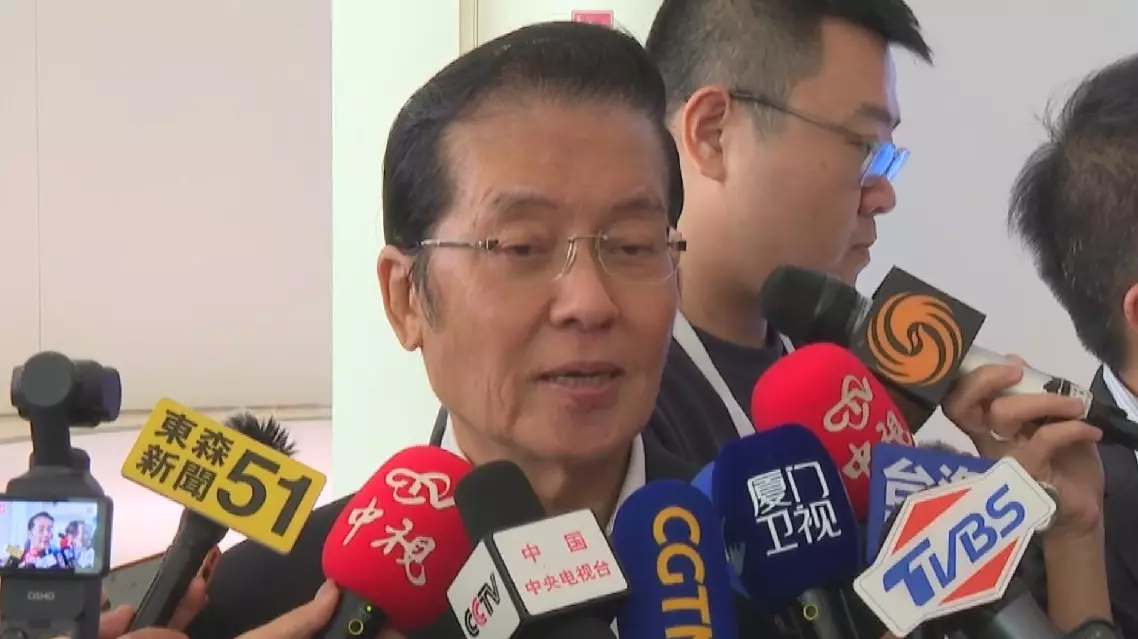
KMT welcomes mainland's newly announced package of policies to boost ties with Taiwan
India is grappling with an energy crisis as prices surge due to the ongoing conflict in the Middle East, causing many to struggle to afford basic necessities, such as cooking gas, and forcing hundreds of thousands of migrant workers to leave major cities for their hometowns and villages.
Railway stations in India's cities are witnessing unusually large crowds, not due to seasonal travel, but a growing wave of crisis-driven migration.
Mohammed Tasleem, a welder based in Delhi, typically returns home once a year, but the worsening situation has forced him and his friends to leave early, as the rising cost of living has made it increasingly difficult to stay in the city.
"We are leaving because we have no cooking gas. It used to cost 100 rupees, but now we need to buy it for 500 rupees. Prices have gone up five-fold. I work as a laborer. I can’t afford to live here, so I am going home," he said.
Millions like Tasleem are affected by the cooking gas shortage. While India is ramping up domestic production and securing liquefied petroleum gas cargoes from abroad, many still struggle to obtain a cylinder.
Some, like Mohammed Jehangir, who for now have access to cooking gas, say challenges ahead are looking more concerning if the war persists.
"We don't have any business back home that we can depend on. This job is all I have to support my family. Now, if I lose this, I won't find another job. Gas prices have already increased, and we don't have anything to depend on. What can we do? We are helpless," said Jehangir.
If the crisis persists, returning to villages will not be a sustainable solution. Experts warn that the long-term impact of the war is likely to be rising inflation, affecting both urban and rural areas alike.
Workers in India return to home towns as energy shortages hit urban economies