Iran's Revolutionary Guard Corps (IRGC) said on Tuesday that it is fully prepared to respond to all possible scenarios, with all military positions maintained at the highest level of alert, according to Iran's semi-official Fars news agency.
IRGC spokesman Sardar Mohebbi dismissed the United States' claims that Iran's military capabilities have been weakened, calling them false.
He said Iran's armed forces are now at a higher state of combat readiness than ever before, and have a clearer understanding of the enemy's offensive and defensive equipment, deception methods, and operational tactics.
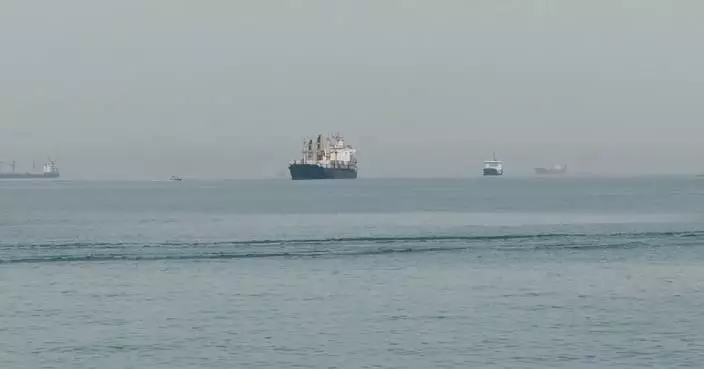
On the situation in the Strait of Hormuz, Mohebbi noted that despite deploying substantial forces, the United States failed to achieve its desired outcome.
He also affirmed that Iran's control over the Strait of Hormuz has never been weakened.
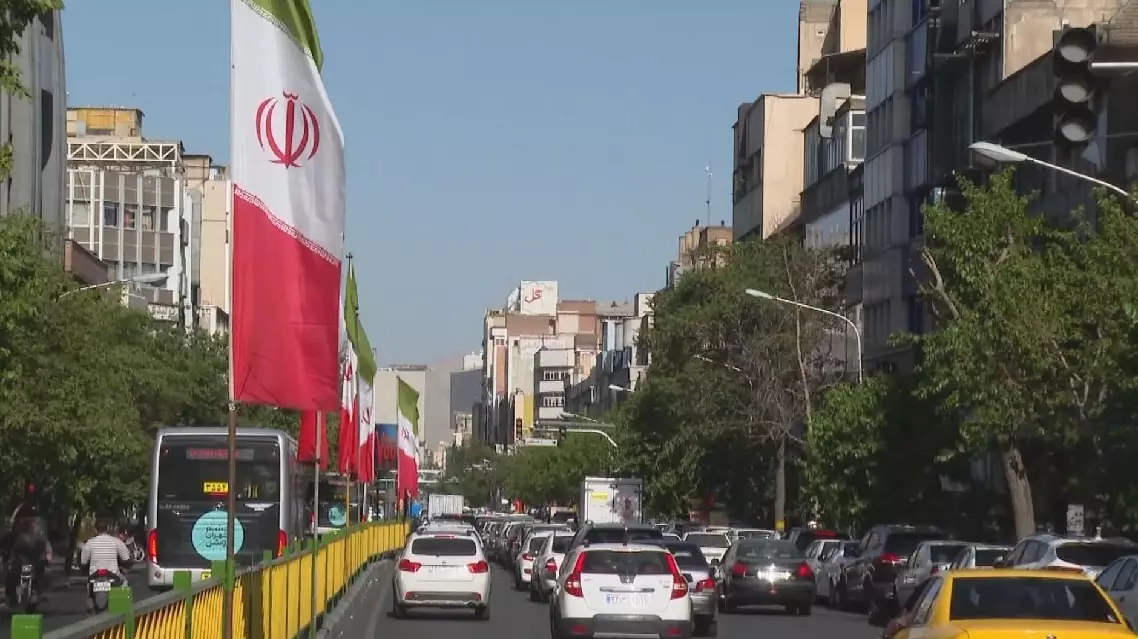
Iran's armed forces prepared for all possible scenarios: IRGC
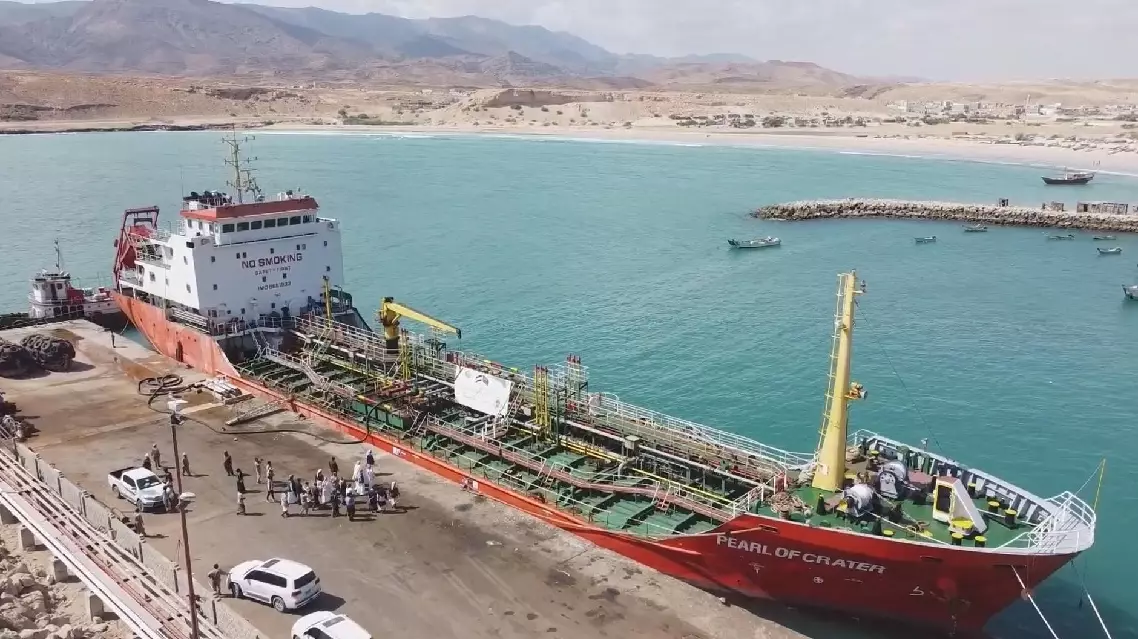
Saudi Arabia has pledged 150 million U.S. dollars in oil derivatives to Yemen, a lifeline aimed at powering hospitals and businesses, easing foreign-currency strain, and stabilizing an economy battered by power outages and import dependence.
The Saudi Development and Reconstruction Program for Yemen posted on May 27 on X that the support is intended to cover the operational needs of diesel and mazut for power stations across various Yemeni governorates.
The program said the support aims to enhance the stability of the electricity system, improve the continuity of basic services, and ease the suffering of Yemenis, thereby strengthening vital services and supporting economic and development activities in Yemen.
With summer temperatures soaring and prolonged power outages threatening civilian life, public hospitals and small businesses, this timely intervention is seen as a critical measure to ease the country's worsening humanitarian and food security challenges.
"We're receiving assistance that complement previous grants from the Kingdom of Saudi Arabia. The assistance this time consists of petroleum materials covering the needs of 27 power plants in the liberated regions. This will address a significant deficit in the electricity sector," said Abdullah Hager, deputy minister of electricity of Yemen.
The Saudi support is also aimed at safeguarding Yemen's food security, as it is expected to help maintain the "cold chain" refrigeration systems essential for preserving perishable food supplies and critical medicines.
Without reliable electricity, these goods can spoil quickly in extreme heat. The resulting losses often force traders to increase prices on remaining stock, further driving up costs for consumers already struggling amid a severe humanitarian crisis.
"Everyone complains about electricity crisis. Electricity is a basic necessity. People are suffering from diseases, some even die. Electricity is a basic necessity, the very core of life. There is no one who does not need electricity. The whole world is progressing with electricity, and we are going backwards," said Taha Al-Sabri, a resident in Aden.
The assistance from Saudi Arabia can also help stabilize the Yemeni rial by reducing the government's reliance on foreign currency reserves to finance fuel imports -- which is particularly important in a country that imports around 90 percent of its food.
Established in 2018, the program operates under a comprehensive development agreement between the governments of Saudi Arabia and Yemen.
Saudi Arabia pledges 150 mln USD to help Yemen ease power shortage