The tourism sector of Thailand is feeling the pinch of the Middle East tensions as the conflict pushes up the costs for transportation, flights and accommodation.
As Thailand gears up to celebrate its Songkran water festival - a major event that attracts millions of tourists each year, there are growing concerns over how the global energy crisis could impact one of the country's most important industries.
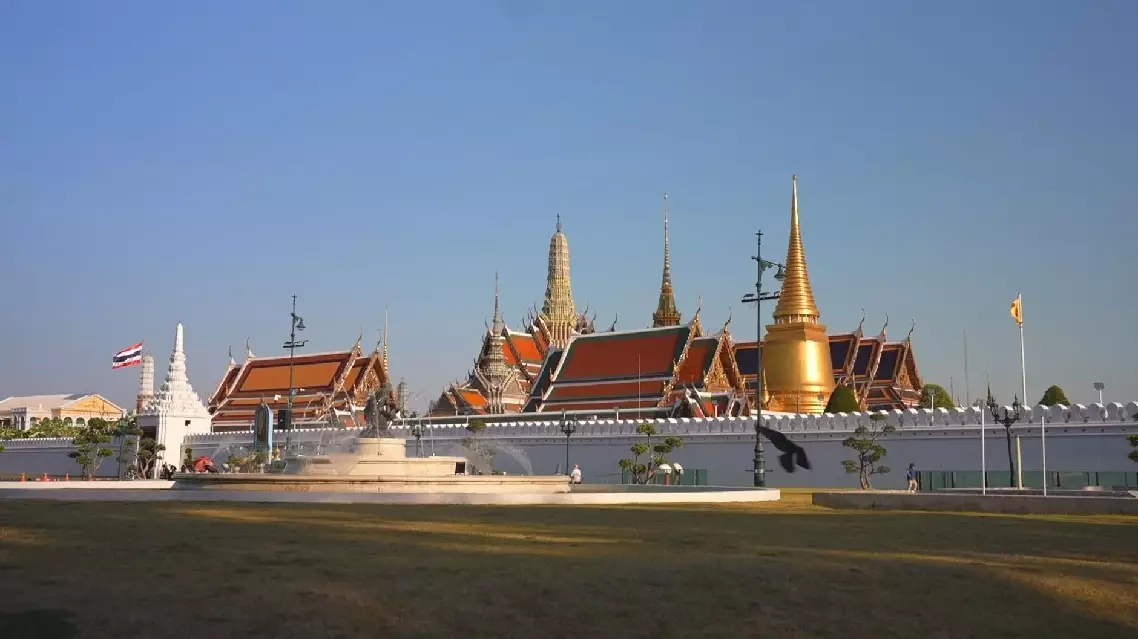
Tourist sites in Thailand are noticeably quiet, as the country feels the impact of the conflict.
"Business is down by about 50 percent. There are far fewer tourists. Normally, I wouldn't be able to see all the way to the end of the street. But today I can. There's no one," said Jitapat Phongmanee, a restaurant owner.
For the tourists who make it to Thailand, the journey has not been easy.
"Well, it was pretty hard to get here. Especially the flights, most of them were canceled. So, we had less options. So, it was a little bit harder to get here. Luckily I booked a little bit earlier, my flight. So, I was lucky, but I know that many friends of mine - they couldn't come," said Goktuk Simsekol, a German tourist.
What began as a distant conflict is now disrupting global travel - driving up fuel costs, limiting flight routes, and raising uncertainty for tourists.
Airfares to Thailand have jumped 10 to 15 percent, while arrivals from key markets are down around 18 percent. This could lead to a potential loss of millions of visitors and billions of dollars.
"I think the cost for everything will go up, like of course, the hotels, they have to change their room rates anyway because the electricity has gone up, the transportation, the gasoline has gone up," said Apiwat Chitprarop, managing director of Thai Tour Agency.
This war comes at a critical time for Thailand as it heads into one its peak tourist seasons, Songkran. The popular water festival generates billions of dollars in just a few days.
Analysts say even if the Middle East conflict ends within the first half of the year, the damage has already been done.
"For the last two remaining quarters of the year, the number of tourists arriving in Thailand will likely decrease or fall short of the government's target," said Witawat Rungruangphon, a professor of the Marketing Department at Thammasat University.
Thailand's tourism feels pinch of Middle East conflict