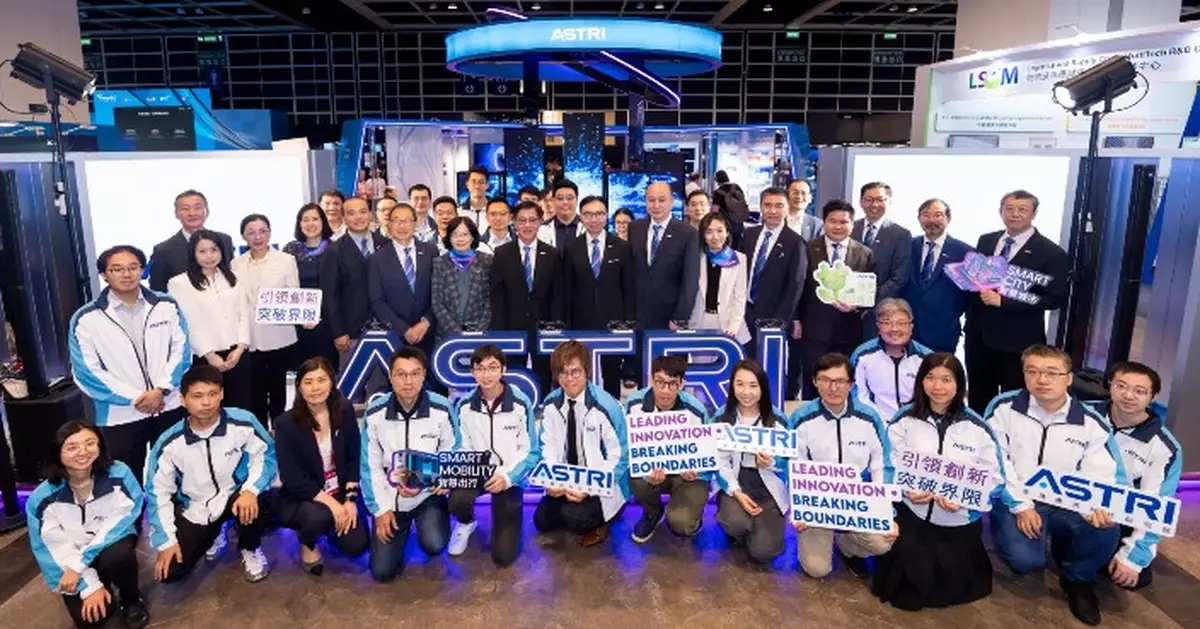
The Hong Kong Applied Science and Technology Research Institute (ASTRI) is participating in the InnoEX 2026, which is taking place at the Hong Kong Convention and Exhibition Centre (HKCEC) from 13 to 16 April. This participation marks ASTRI’s first public engagement following its strategic merger with the Nano and Advanced Materials Institute (NAMI) on 1 April 2026, highlighting its enhanced research and development (R&D) capabilities. The merger brings together pioneering ICT technologies and advanced materials expertise, creating strong synergies that drive greater innovation and enable more impactful practical applications.
Under the theme “Leading Innovation • Breaking Boundaries”, ASTRI’s booth showcases 40 market-ready innovations across four key areas: Healthcare, Food Technology, Smart Living, and Mobility Technology. Highlights include advancements in construction and property management technology, artificial intelligence, low-altitude economy technology, electronics and batteries, green materials, nanotechnology and sustainability-led innovations – all contributing to the growth of smart cities.
Click to Gallery
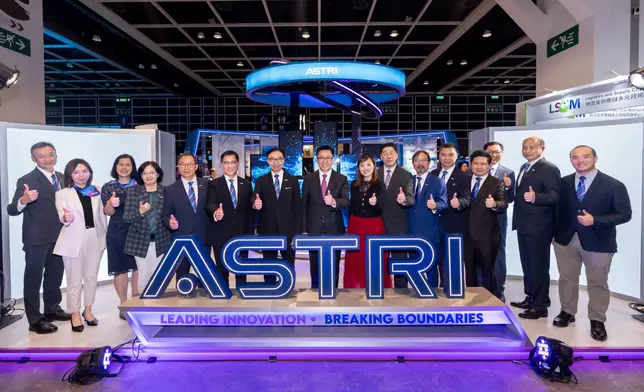
Prof Sun Dong, Secretary for Innovation, Technology and Industry of the HKSAR Government; Ms Lillian Cheong, Under Secretary for Innovation, Technology and Industry of the HKSAR Government, and Mr Daniel Cheung, Acting Commissioner for Digital Policy of the HKSAR Government visit ASTRI’s booth at InnoEX in support of the Institute. Photo source: ASTRI
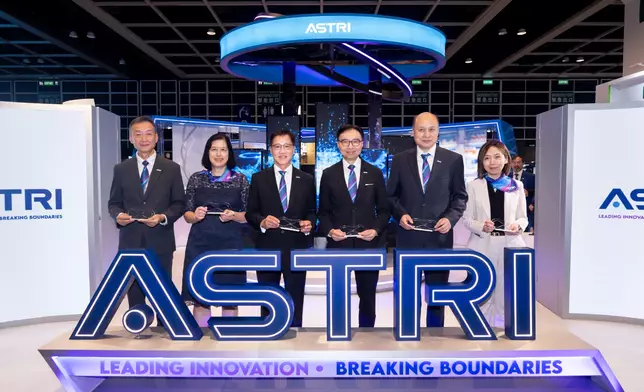
Board Chairman and senior executives of ASTRI officiate at opening ceremony, (from left) Mr Savio Ng Chief Commercial Officer, Ms Jenny Yiu, Chief Operating Officer; Ir Dr Ted Suen, Chief Executive Officer; Ir Prof Sunny Lee, Board Chairman; Dr Ying Huang, Chief Technology Officer; and Dr Tracy Liu, Deputy Chief Technology Officer. Photo source: ASTRI
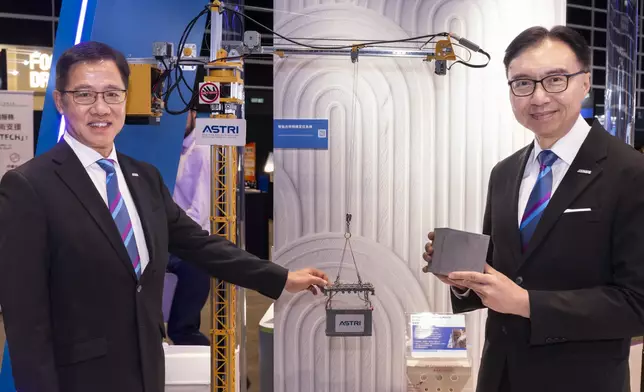
ASTRI showcases 40 market-ready technologies at InnoEX. Picture shows Ir Dr Ted Suen, Chief Executive Officer of ASTRI (left) and Ir Prof Sunny Lee, Board Chairman of ASTRI at the fair. Photo source: ASTRI
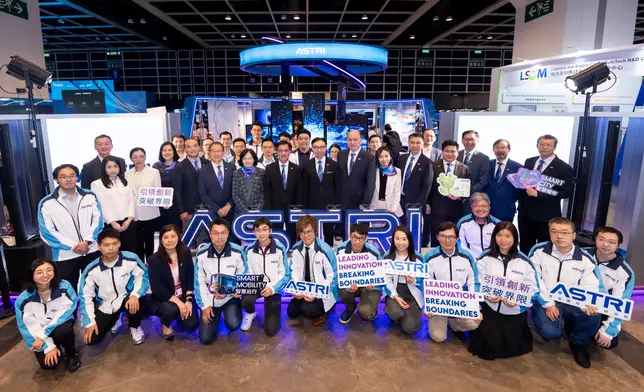
Ir Prof Sunny Lee, Board Chairman of ASTRI, members of ASTRI’s Board of Directors and senior executives of ASTRI attend the opening ceremony to show their support and encouragement to the R&D team. Photo source: ASTRI
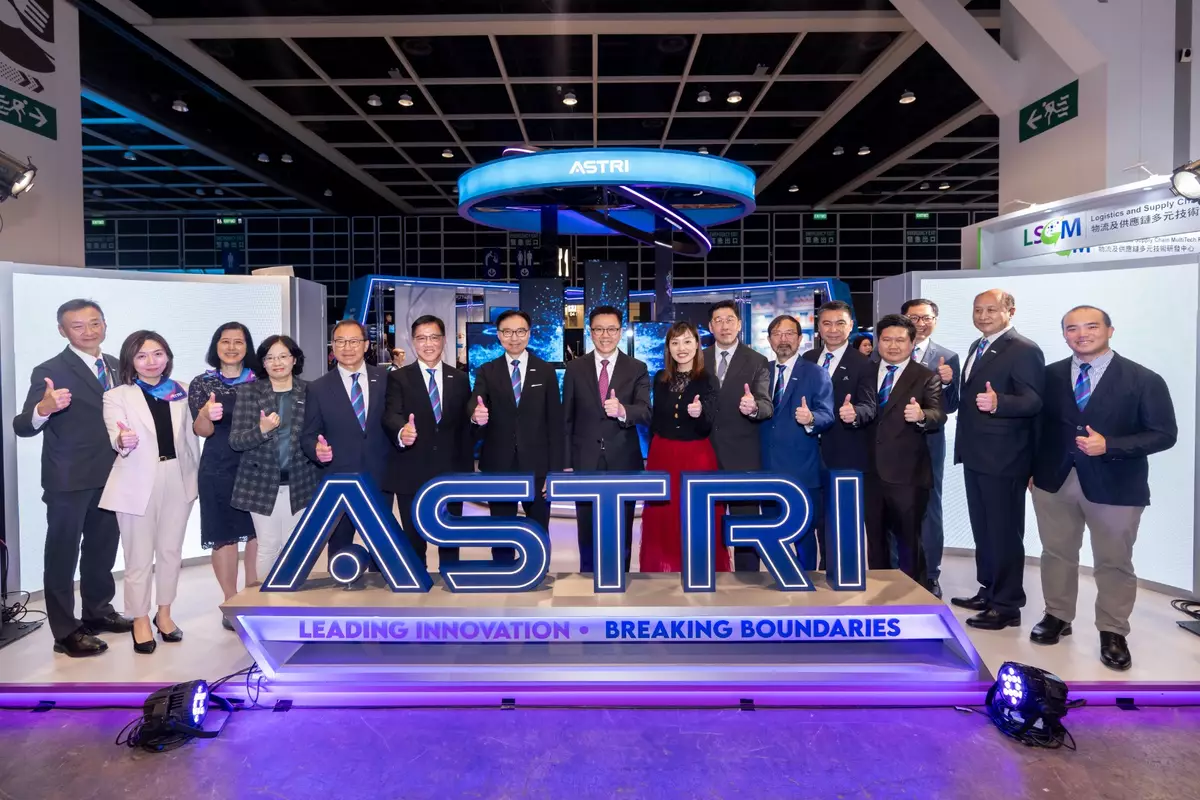
Prof Sun Dong, Secretary for Innovation, Technology and Industry of the HKSAR Government; Ms Lillian Cheong, Under Secretary for Innovation, Technology and Industry of the HKSAR Government, and Mr Daniel Cheung, Acting Commissioner for Digital Policy of the HKSAR Government visit ASTRI’s booth at InnoEX in support of the Institute. Photo source: ASTRI
Driving Innovation for Economic Growth
Ir Prof Sunny Lee, Board Chairman of ASTRI, described the merger of ASTRI and NAMI as a significant milestone for Hong Kong’s innovation and technology (I&T) sector, injecting fresh impetus into the city’s high-quality economic development. “ASTRI will continue to drive technology transfer and commercialisation through R&D collaborations and licensing, while further fostering partnerships among the I&T ecosystem. This will accelerate the journey from lab to market, benefiting industries and society at large. Together, we aim to build a smarter, greener and more resilient future, strengthening Hong Kong’s position as a global I&T hub.”
He also emphasised ASTRI’s commitment to collaborate with global partners leveraging Hong Kong’s unique “super-connector” role, showcasing the city’s R&D excellence on the world stage.
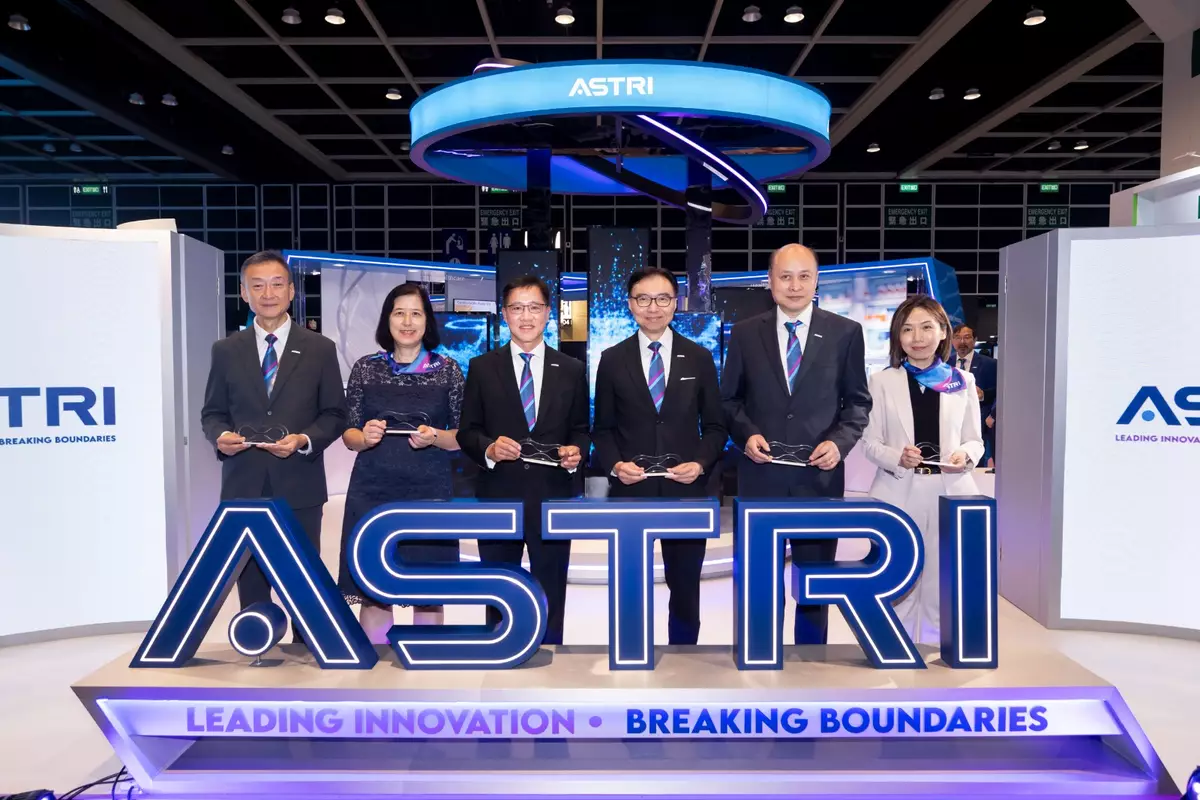
Board Chairman and senior executives of ASTRI officiate at opening ceremony, (from left) Mr Savio Ng Chief Commercial Officer, Ms Jenny Yiu, Chief Operating Officer; Ir Dr Ted Suen, Chief Executive Officer; Ir Prof Sunny Lee, Board Chairman; Dr Ying Huang, Chief Technology Officer; and Dr Tracy Liu, Deputy Chief Technology Officer. Photo source: ASTRI
Enhanced Capabilities for Creating Total Solutions
Ir Dr Ted Suen, Chief Executive Officer of ASTRI, highlighted the institute’s expanded research capabilities following the merger. “By uniting advanced technologies with materials science, we are delivering more innovative and holistic solutions to enhance our clients’ efficiency and competitiveness. We are delighted to participate in this mega event, showcasing ASTRI’s post-merger capabilities to global stakeholders across government, industry, academia, research and investment, while exploring new avenues for collaboration.”
He added that the breadth and depth of technologies on display at this year’s InnoEx have set a new record, underscoring the synergies created by the merger. He cited examples such as ASTRI’s advanced 5G-enabled remote-control tower crane systems, its Edison Awards 2026-finalist precision positioning technology, and high-strength lightweight concrete designed for modular integrated construction (MiC) as innovations transforming the construction industry.
“This integrated solution reduces structural weight by 25%-40%, significantly lowering transportation and lifting costs while improving installation accuracy. Paired with energy-saving Nano-curtain coating and carbon-neutral biochar concrete, it further advances the sustainability of construction projects,” he explained.
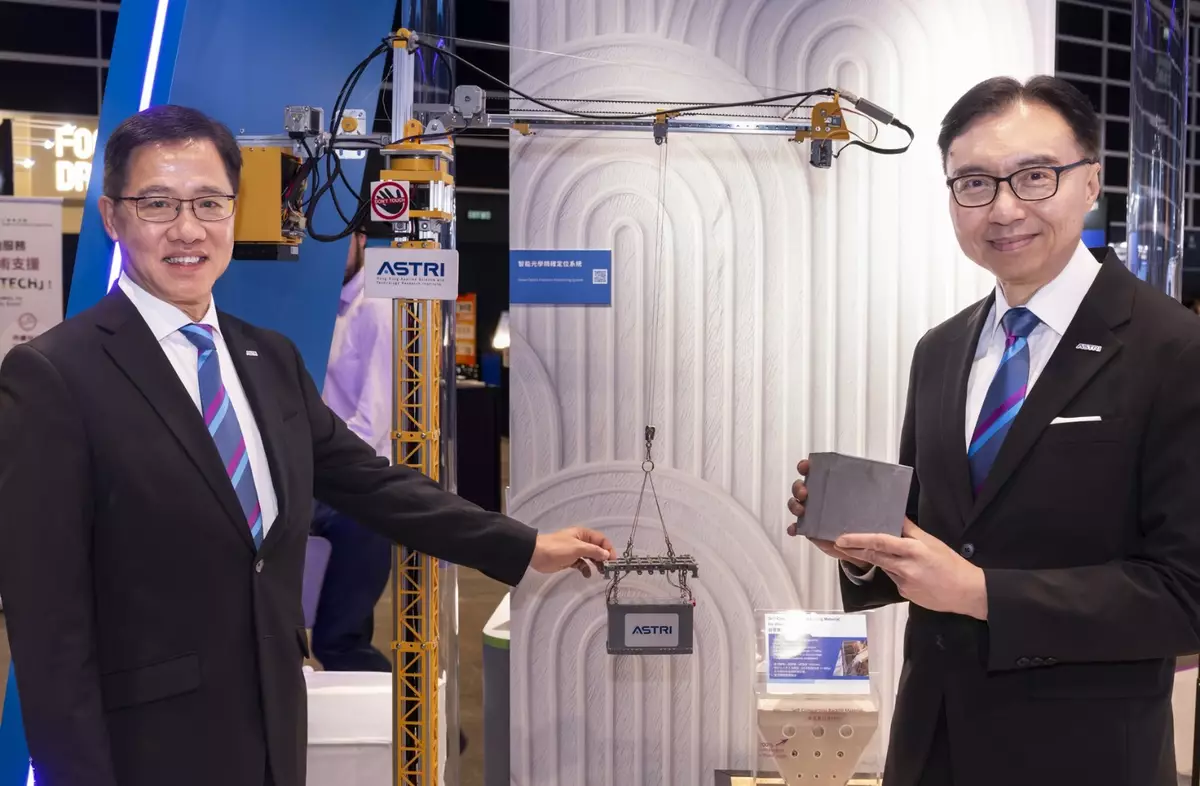
ASTRI showcases 40 market-ready technologies at InnoEX. Picture shows Ir Dr Ted Suen, Chief Executive Officer of ASTRI (left) and Ir Prof Sunny Lee, Board Chairman of ASTRI at the fair. Photo source: ASTRI
Integrating Cutting-Edge Technology with Advanced Materials
In addition, ASTRI has developed a comprehensive fall prevention solution for the elderly, combining behavioural prediction, alert systems, and protective materials to enhance safety. “Leveraging behavioural sensing analytics and pressure detection technology, our system effectively predicts the likelihood of falls and issues early warnings. This is complemented by an impact-absorbing intelligent floor mat that disperses and converts the force of a fall into heat energy, reducing the risk of injury. Seniors can also wear the comfortable and form-fitting hip protectors to further minimise the risk of fractures.”
ASTRI has also blended advanced materials with innovative technologies to create breakthrough green energy solutions. These not only improve energy efficiency and storage but also enhance resilience to extreme weather and stabilise energy supply, driving the sustainable development of smart cities. Other key innovative solutions include:
Healthcare
• CHIMP: Continuous Health Information Monitoring Patch: Co-developed with the Hospital Authority and Tin Shui Wai Hospital, this wearable device collects real-time vital data from hospitalised patients, enhancing care efficiency and patient safety. It won the Gold Award in the Smart Living (Smart Healthcare) category at the Hong Kong ICT Awards 2025.
• Probiotics Revitalising System (PRS): Probiotic strains with demonstrated skin-health benefits are rendered dormant using our PRS technology, then revitalised upon topical application on skin to help promote a balanced microbiome.
Food Technology
• Intelligent Tactile Sensing for Fruit Ripeness Detection: Advanced sensing technology has been brought from the lab to farms and food processing facilities, ensuring fruits are harvested and delivered at peak ripeness and quality.
• 3D Printable Formulations for Texturised Food: It enables the 3D printing of nutritious care food with definite shape and layer fidelity, fabricating whole meat and fillets that can fulfill the protein needs of the elderly, alongside biting and chewable pleasure.
Smart Living
• Embodied Intellibot System: Powered by Vision-Language Models (VLMs), these robots can perceive environments, understand and execute human instructions. Suitable for home, industrial, and healthcare applications, they ensure safety and reliability.
• 55°C+ High-temperature Resistant Li-ion Batteries: Machine learning-optimised electrolyte solvents & additives cut 80% standby loss, extend cycle life by 25% under high temperature, ideal for outdoor energy storage in high-temperature environments.
Mobility Technology
• Generative Pretrained Model for Multi-Modal Traffic Data: Revolutionising urban traffic management system with artificial intelligence.
• Self-Levelling Backfill Materials: Traditional road damage and collapses caused by inadequate soil compaction are mitigated with this self-levelling, self-compacting backfill material. It can be continuously pumped into trenches, improving construction efficiency and road quality.
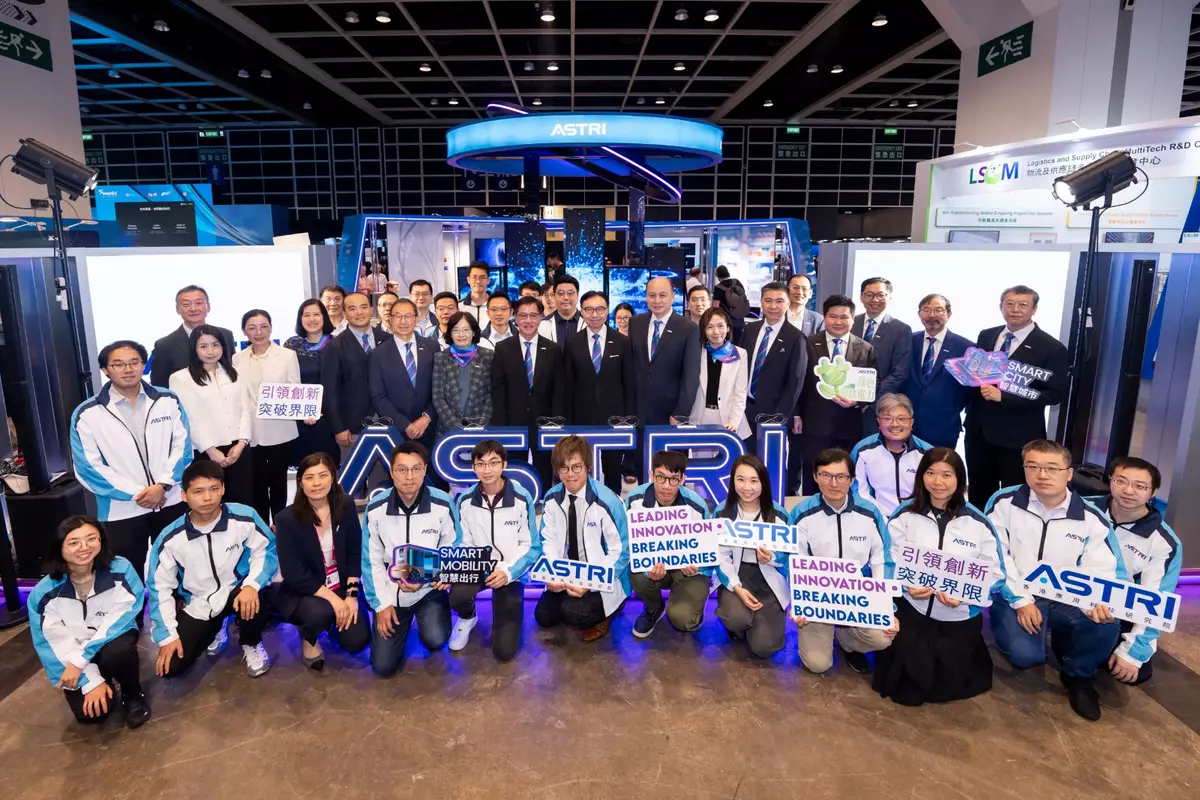
Ir Prof Sunny Lee, Board Chairman of ASTRI, members of ASTRI’s Board of Directors and senior executives of ASTRI attend the opening ceremony to show their support and encouragement to the R&D team. Photo source: ASTRI
About ASTRI
Founded in 2000 by the HKSAR Government, Hong Kong Applied Science and Technology Research Institute (ASTRI) is the city’s largest government-funded R&D center. Committed to transforming high-impact research into practical innovations, ASTRI drives market-driven, interdisciplinary advancements across sectors, including Smart City, FinTech, Digital Health and Life Sciences, New Industrialisation and Intelligent Manufacturing, Application-Specific Integrated Circuits (ASIC) and Advanced Electronics, New Energy and Energy Storage, and Green and ESG Technologies. Following its merger with the Nano and Advanced Materials Institute, ASTRI has further strengthened its capabilities, with over 1,500 global patents and 2,200 successful cases of technology transfer. Recognised with numerous international awards, ASTRI continues to nurture top I&T talent and foster collaborations among the I&T ecosystem, contributing to Hong Kong’s high-value economic development.