China's tourism sector is undergoing a profound transformation, with consumption patterns showing tourists are increasingly favoring more immersive, experience-driven activities rooted in local culture, according to an industry insider.
Dai Bin, president of the China Tourism Academy, a research institute under the China National Tourism Administration, gave his assessment of the latest industry trends as data shows a general uptick in tourism so far this year.
It comes off the back of the recent three-day holiday for the country's Qingming Festival, or Tomb-Sweeping Day, with data from the Ministry of Commerce showing hotel accommodation consumption was up over 2 percent on major platforms compared to last year, with the number of intercity travel trips growing by more than 15 percent and car rental orders also surging by nearly 40 percent year on year.
The number of passenger trips during the Qingming Festival was also up 6 percent year on year, with over 845 million trips being recorded across the three-day holiday. Dai noted that China has already seen encouraging tourism figures from the New Year's Day and Spring Festival holiday periods earlier this year, and observed that Chinese travelers are now venturing farther afield and diversifying their consumption modes.
"Based on data from the past three holidays, the New Year's Day, the Spring Festival, and the Qingming Festival, as well as first-quarter performance, we can say that China's tourism sector has got off to a strong start in 2026," he said.
"Three key trends stand out: First, vehicle traffic has increased significantly; second, people are traveling farther; and third, people are spending in more diverse ways. In the past, spring travel to urban areas primarily centered on flower viewing, seasonal outings, and folk cultural activities. However, current data reveal a marked rise in self-driving tours, educational travel, parent-child trips, and family vacations," said Dai.
Official data showed that China's railway passenger trips hit a record high of 1.13 billion in the first quarter of this year, up 5.5 percent year on year, while cross-border trips rose 13.5 percent to 185 million.
Dai said there are rising expectations among Chinese travelers, who are now seeking more personalized, high-quality experiences that go beyond conventional sightseeing.
"Chinese travelers now have higher expectations for personalized, high-quality consumption experiences. Therefore, by starting with the keyword 'creating a better life', we can unlock the code to contemporary tourism consumption. We should offer people the vibrant warmth of authentic local life, along with deep cultural experience and a sense of technology," he said.
"More and more tourists are turning toward experiences rooted in everyday life, those that are tangible, participatory, restorative, and emotionally warm. Therefore, I believe the most essential key is to ground tourism consumption in the daily lives and cultural soil of local communities," added Dai.
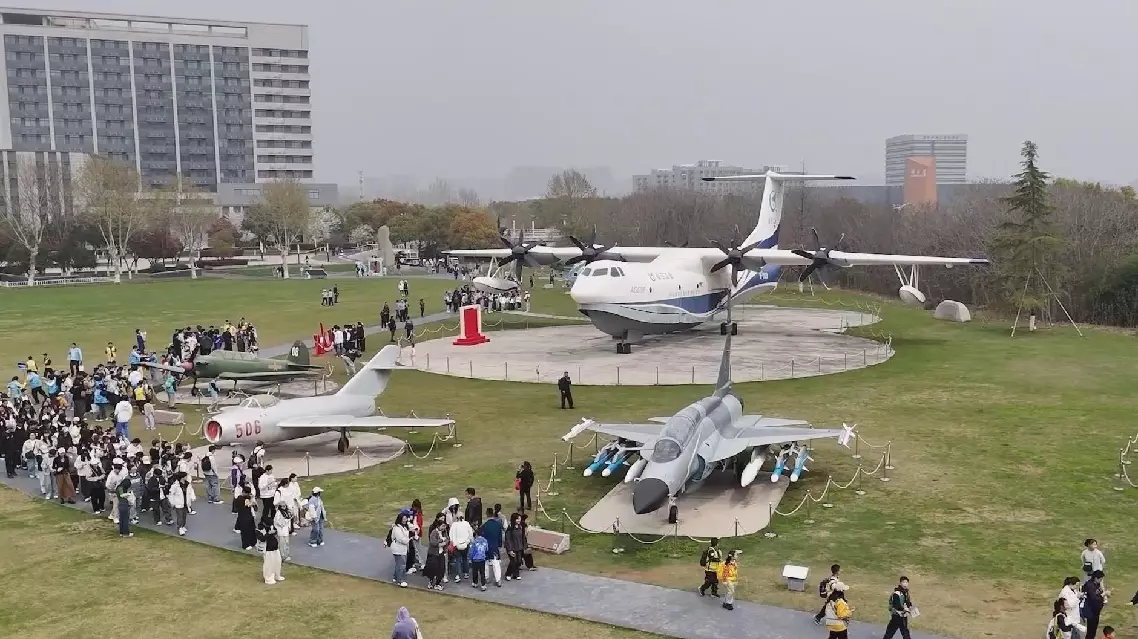
China's tourism spending shifting toward experience-driven cultural activities: expert