Skip to Content Facebook Feature Image

Israelis welcome talks with Lebanon, expressing concern over Hezbollah

HotTV

HotTV

HotTV

Israelis welcome talks with Lebanon, expressing concern over Hezbollah

2026-04-15 15:20 Last Updated At:04-16 12:07

Israelis have welcomed the Israel–Lebanon negotiations in Washington,United States, though many remain uneasy about how the talks will affect Hezbollah.

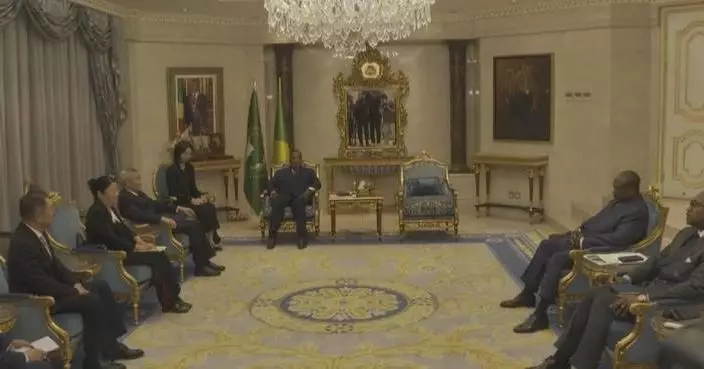
Israel-Lebanon direct talks at the ambassador level are underway on Tuesday at the U.S. State Department in Washington, D.C. The meeting marked the first major high-level engagement between the governments of Israel and Lebanon since 1993.

Lebanese Ambassador to the U.S. Nada Hamadeh and Israeli Ambassador to the U.S. Yechiel Leiter took part in the talks, along with U.S. Secretary of State Marco Rubio and other U.S. officials.

Israel and Lebanon laid out different expectations on Monday, with Israel insisting on Hezbollah's disarmament and a peace agreement, and Lebanon voicing hope for a ceasefire and the launch of direct negotiations.

This divide was underscored when Hezbollah leader Naim Qassem rejected direct talks with Israel and vowed continued resistance, urging the Lebanese government to withdraw from the Washington negotiations. His remarks came as the Israeli military reported striking about 150 Hezbollah targets in southern Lebanon in the past 24 hours and expanding ground operations against the group.

"It's a good thing that we started negotiating with Lebanon because we are not in a conflict with Lebanon," said Eli, a Tel Aviv resident.

"I think that if it comes to a ceasefire and it is something that will save lives in this situation here, it's always a good thing," said Ido, another resident.

It may be in the interest of both nations to reach an agreement but Israelis fear that when it comes to Lebanon, it is not the local government or even the armed forces who call the shots.

"Obviously, we want to get rid of Hezbollah, we want to dismantle the threat, but we need to live peacefully beside Lebanon which is a different thing," said Ido.

The talks took place while cross border fire still raged on.

Hezbollah entered the U.S.-Israeli war with Iran on March 2, launching rockets from southern Lebanon toward Israel for the first time since the 2024 ceasefire. Israel responded with a ground offensive amid an intensified military campaign targeting multiple areas across the country, killing more than 2,000 people.

At least 35 people have been killed in Israeli attacks on Lebanon in the past 24 hours, the Lebanese Health Ministry said Tuesday in a daily update.

For many in Israel, pursuing negotiations while continuing military pressure on Hezbollah is seen as the right strategy.

"By attacking Hezbollah and weakening it, maybe it will allow the government of Lebanon to implement what will be agreed upon," said Eli.

Israelis welcome talks with Lebanon, expressing concern over Hezbollah

Israelis welcome talks with Lebanon, expressing concern over Hezbollah

Israelis welcome talks with Lebanon, expressing concern over Hezbollah
Israelis welcome talks with Lebanon, expressing concern over Hezbollah

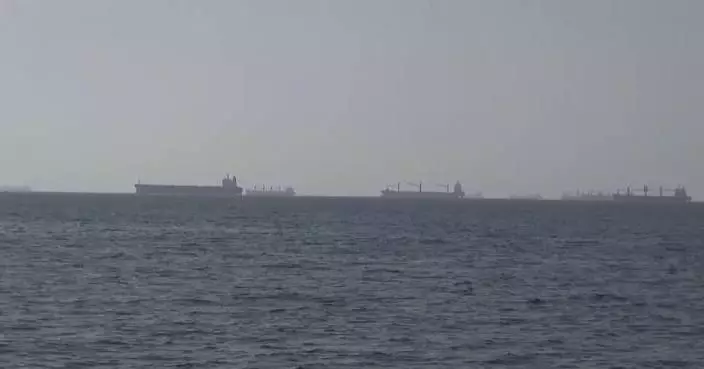
The Navy of Iran's Islamic Revolution Guards Corps (IRGC) said that the Strait of Hormuz has been blocked since Saturday evening and will not reopen until the United States lifts its naval blockade on the waterway.

In a statement carried by its official news outlet Sepah News, the IGRC said that the move came after the United States violated its commitments under the two-week ceasefire, which took effect on April 8, and failed to end its naval blockade against Iranian vessels and ports.

The IRGC Navy called on all vessels and their owners to follow official updates via its channel and VHF Channel 16, the international maritime distress, safety, and calling frequency. The statements by U.S. President Donald Trump hold no credibility in the strait and the Gulf, it added.

The IRGC warned that no vessel should move from its anchorage in the Gulf or the Gulf of Oman, and any approach to the strait would be deemed "cooperation with the enemy" and targeted accordingly.

Tehran's political leadership echoed the IRGC's firm position. Parliament Speaker Mohammad Bagher Ghalibaf asserted that the Strait of Hormuz is under Iran's control, revealing that during previous negotiations, Iran had firmly countered U.S. attempts to carry out minesweeping operations, which Tehran viewed as a ceasefire violation.

He said the situation had come close to conflict, but the U.S. had eventually backed off.

Calling the U.S. maritime blockade "reckless and ignorant," Ghalibaf warned that passage through the strait would certainly be restricted if Washington does not lift the blockade.

Underpinning these public announcements, Iran's Supreme National Security Council on Saturday affirmed the country's resolve to exercise control and supervision over traffic through the Strait of Hormuz until the war is definitively ended and lasting peace is achieved in the region.

For its part, the United States pressed ahead with its own military measures.

The U.S. Central Command (CENTCOM) said in a statement on Saturday that the U.S. military is imposing a maritime blockade on ships entering and exiting Iranian ports and nearby coastal areas. Since the blockade began on April 13, 23 ships have complied with U.S. directions to turn around.

Meanwhile, the U.S. military is preparing in the coming days to board Iran-linked oil tankers and seize commercial ships in international waters, The Wall Street Journal reported on Saturday, citing U.S. officials.

The move will enable the U.S. to take control of Iran-linked vessels around the world, including ships carrying Iranian oil that are already sailing outside the Persian Gulf and those carrying arms that could support Tehran, the report said.

Iran's IRGC says Strait of Hormuz blocked, demands end to US naval blockade

Iran's IRGC says Strait of Hormuz blocked, demands end to US naval blockade

Recommended Articles