The frequency of visits by Spanish Prime Minister Pedro Sanchez to China in recent years has helped strengthen mutual trust, according to a Spanish scholar, who noted how growing exchanges between the two sides across multiple sectors is also helping boost bilateral ties and advance shared development.
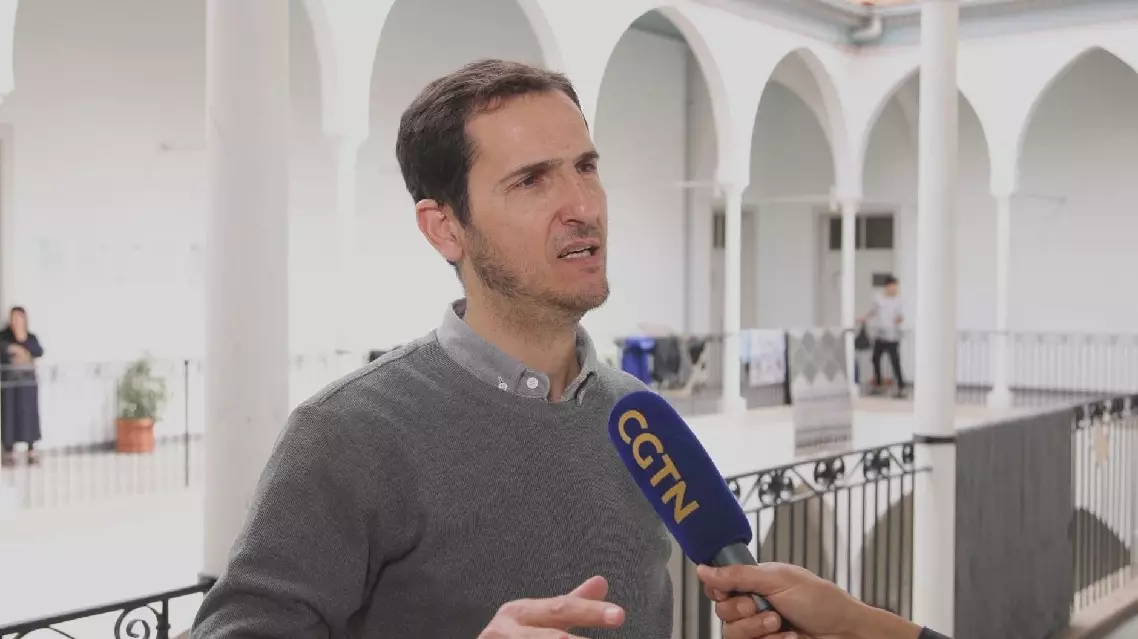
Felix Valdivieso, chairman of the China Observatory at the IE University in Spain's Segovia, was speaking as the Spanish prime minister concluded his latest five-day visit to China on Wednesday.
The trip marked Sanchez's fourth visit to the country in as many years and came after a landmark visit by Spain's King Felipe VI and Queen Letizia to China last November.
In an exclusive interview with the China Global Television Network (CGTN), Valdivieso said these high-level visits have helped consolidate trust between the two countries while also delivering concrete results.
He believes that the benefits of such diplomatic engagement can be turned into sustained cooperation, allowing bilateral relations to deepen and produce tangible outcomes over time.
"One is that frequency creates credibility. And secondly I think it enables a transition from symbolic diplomacy to process-based diplomacy where relationships, negotiations and follow-ups accumulate overtime and generate tangible outcomes," he said.
Valdivieso also stressed that Spain could draw valuable experience from China in sectors such as electric vehicles, advanced technology and green energy.
"There is an absolute possibility or potential for growth for these industries like energy, high-tech and the automotive sector. And the reason I say this, is because in these sectors, in the electric automotive sector, in high-tech and in green energy, China is [very] much ahead of most of the countries in the world and certainly Europe, and of course Spain within Europe. And basically Europe and Spain cannot go without Chinese technology in certain sectors," he said.
Speaking on exchanges between the two countries' academic and business communities, Valdivieso highlighted their role in building communication bridges, fostering mutual trust and supporting long-term bilateral relations.
"I would say that academic exchanges play a fundamental role in building trust and mutual understanding and long-term cooperation. We do studies on China, on different sectors, on family business, on technology, on Chinese soft power, etc. This academic collaboration helps first to tap into China's economic, regulatory and cultural environment in a rigorous and nuanced way. And secondly by executive education and corporate engagement, we create direct channels between China and Spain, fostering practical understanding and long-term relationships," he said.
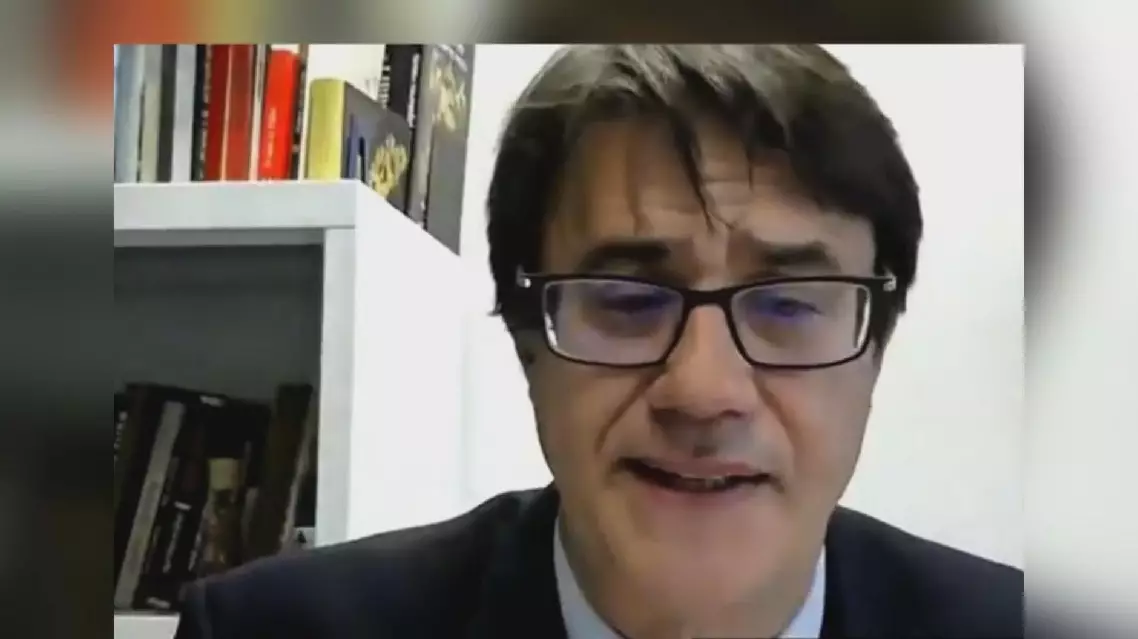
Frequent China-Spain exchanges boost trust, strengthen cooperation: Spanish scholar