The United States and Iran will both need to make greater concessions on their demands in order to cut a deal in future peace talks, according to a former Pakistani diplomat.
Diplomatic activity has been intensifying after a two-week ceasefire between Iran and the U.S. took effect on April 8, following nearly 40 days of fighting.
Pakistan has been stepping up mediation efforts amid prospects for renewed negotiations after 21-hour-long peace talks between U.S. and Iranian delegations in the Pakistani capital Islamabad over the weekend failed to yield an agreement.
A high-level Pakistani delegation led by the country's Army Chief Asim Munir arrived in Tehran on Wednesday as part of continued efforts to facilitate dialog. The delegation, comprising senior officials from security and diplomatic institutions, is carrying key messages linked to the next phase of engagement between the two sides.
Despite the earlier face-to-face talks in Islamabad ending without a deal, diplomatic channels have been kept open, with Iranian officials confirming that exchanges with the United States are continuing through Pakistan.
The diplomatic push coincides with a broader regional outreach by Pakistan's leadership. Prime Minister Shehbaz Sharif arrived in Jeddah on Wednesday as part of an official visit to Saudi Arabia, and will later travel to Qatar and Türkiye, where discussions are expected to focus on bilateral ties as well as regional peace and security.
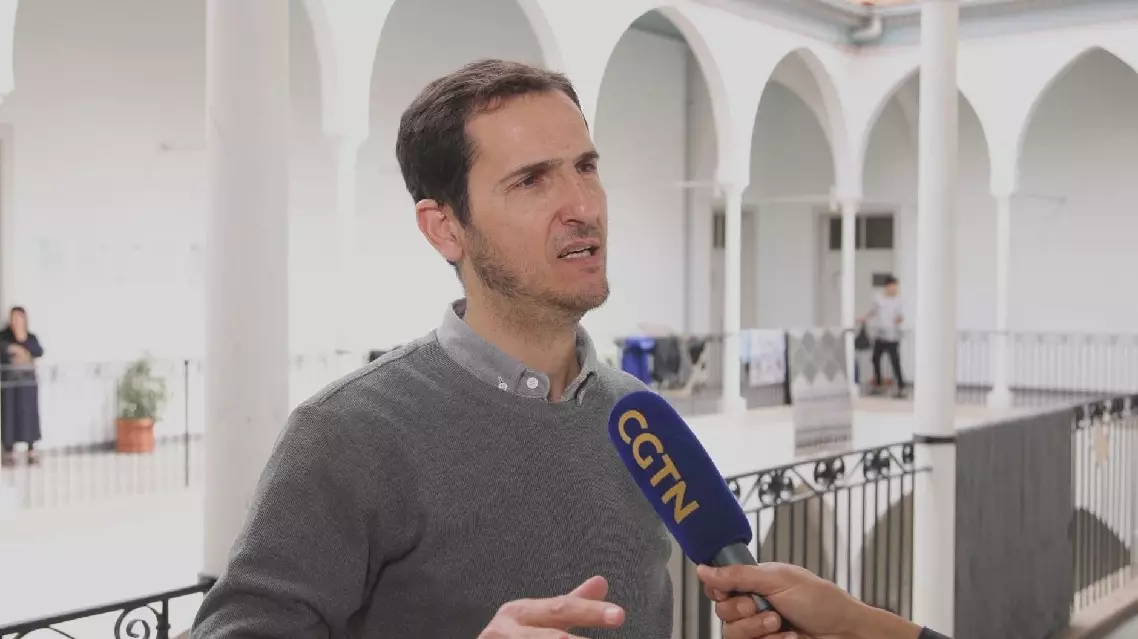
In an interview with China Central Television (CCTV), Asif Durrani, a veteran diplomat who also served as Pakistan's former ambassador to Iran, said the first stage of dialog in Islamabad has at least got the ball rolling even if no deal could be reached, but said key issues like nuclear tensions and sanctions remain unresolved.
"Overall, my impression is that it has broken the ice between Iran and the United States. And hopefully, they will be able to narrow down differences on difficult issues, such as nuclear, such as sanctions on Iran, such as now, the new issue [in] the Strait of Hormuz. And then course, there's big objection on Iran about proxies Iran has had in the past. So, overall, my impression which I have is that they will be discussing it further," he said.
Durrani also stressed the two sides will each have to make compromises during their upcoming talks.
"If America is satisfied with Iran's explanations on the nuclear issue, so it has to be really linked to the lifting of sanctions against Iran. Similarly, I think Iran should also come up with some kind of a satisfactory explanation about its proxies in the region, say, in Iraq, in Syria, in Lebanon, and also its role in Hamas and the Houthis in Yemen. This needs to be resolved. The other issue is the Strait of Hormuz," he said.
The Strait of Hormuz, a vital chokepoint through which a considerable share of the world's oil, liquefied natural gas, and fertilizers are transported, has become a focal point for the war in recent weeks.
The war erupted when the U.S. and Israel launched joint attacks on Tehran and several other Iranian cities on Feb 28, killing Iran's then Supreme Leader Ali Khamenei, along with senior military commanders and civilians.
Iran responded with waves of missile and drone strikes targeting Israel and U.S. assets across the Middle East, while tightening control over the Strait of Hormuz, a vital shipping passageway, with the U.S. on Monday launching its own blockade along the strait.
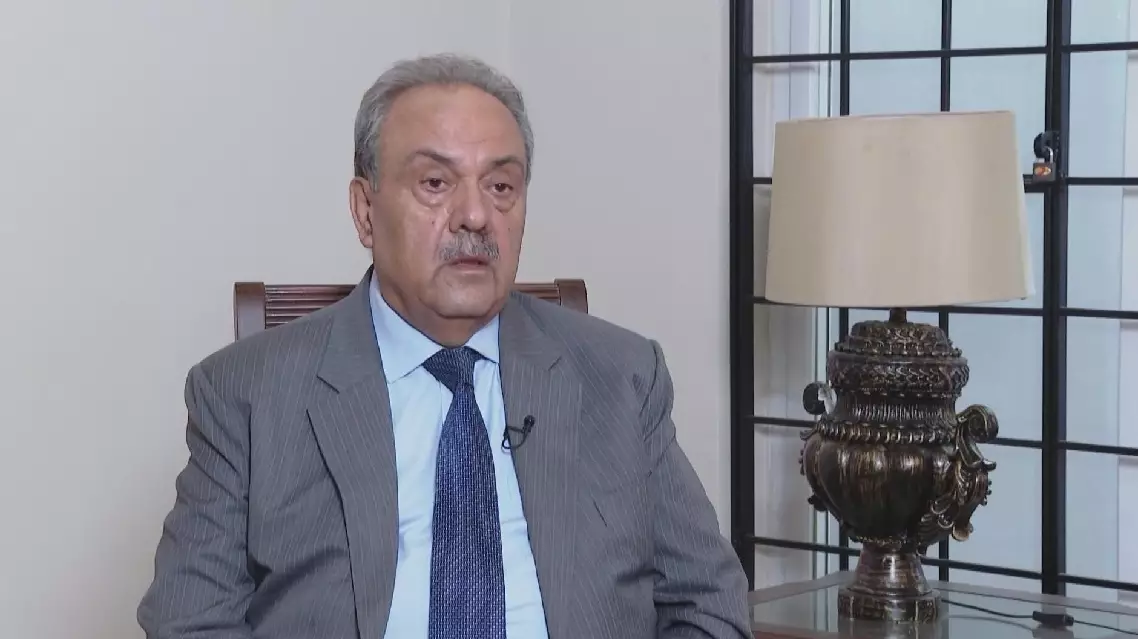
US, Iran have to make concessions in future talks to cut deal: former diplomat