Two fatal back-to-back school shootings in southeast Türkiye this week have triggered a nationwide reckoning over campus safety protocols, firearms custodial accountability, and the deep-seated root causes of youth violence, as authorities launch a national security review and push for sweeping legislative and social reforms.
At least nine people were killed, and 13 others wounded in the attack on Wednesday.
The attacker, an eighth-grade student at the same school who later committed suicide, had used a photo of a U.S. mass shooter as his profile picture on social media, according to the police. The father of the gunman -- a former police officer whose weapons were used -- has been taken into custody.
In his testimony, the father admitted he had taken his son to a shooting range just days before the attack, at the boy's request. The case has sparked widespread debate over firearms responsibility and oversight under Turkish law.
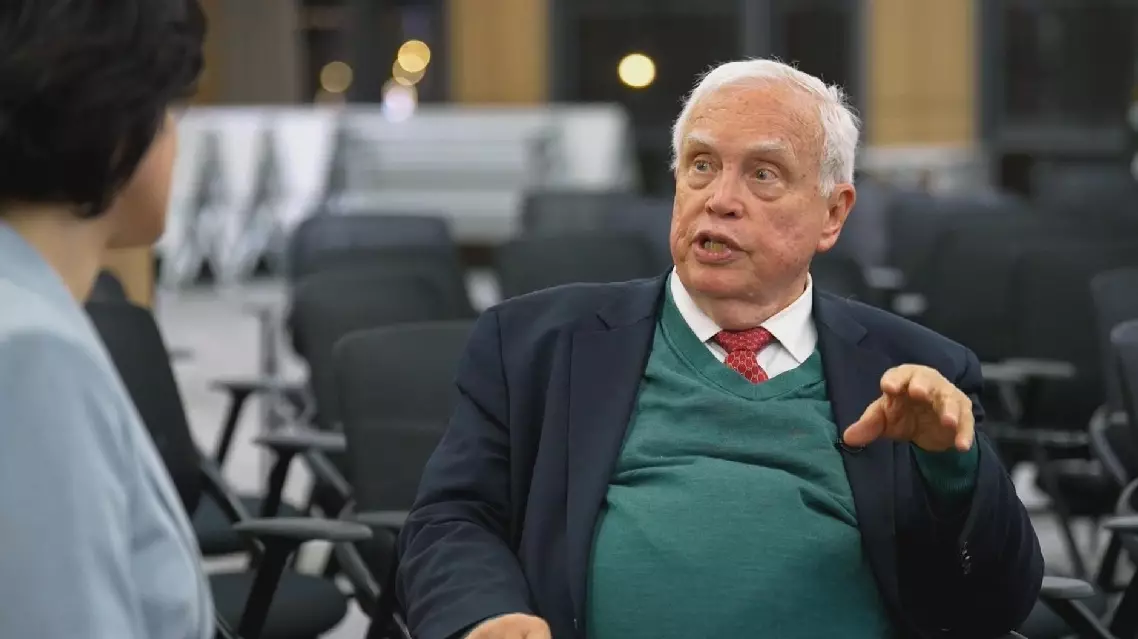
"If a firearm is used by someone other than its registered owner, the owner can still bear criminal responsibility under Turkish law. Depending on how the incident unfolds, this could include charges such as aiding the crime, incitement, or involvement through negligence or intent," said Mujgan Berre Sancar Azyoksul, founding lawyer at Kozandagi Law Firm.
Beyond legal liability, the shooting has fueled scrutiny over whether critical warning signs were missed by both the shooter’s family and school officials. Azyoksul noted that the family's response to the teen's well-documented interest in firearms failed to address the underlying risks, and instead may have normalized dangerous behavior.
"The family was aware of his interest in firearms and his desire to go to a shooting range. If, at that early stage, they had referred him to juvenile authorities or sought legal and psychological support, this might have been prevented. Instead, that interest appears to have been reinforced, and the child was not adequately protected," she noted.
Criticism has also been directed at campus oversight failures at the targeted school. Multiple parents told local media that school officials were aware of the boy’s psychological struggles, but recent changes to the school's administration weakened existing supervision protocols.
In the wake of the attacks, Turkish authorities have launched a nationwide review of school safety protocols, focusing on emergency response mechanisms and cross-agency coordination. The country's Interior Ministry confirmed a comprehensive action plan is now in the works, centered on strengthening campus security while expanding access to school-based psychological support systems for students.
Azyoksul outlined a range of policy reforms that could help prevent similar tragedies in the future.
"Measures such as installing X-ray screening at school entrances could be considered. The authority of teachers and administrators to conduct searches and report concerns could also be expanded. For example, while shooting ranges are generally restricted to those over 18, there are exceptions allowing minors aged 15 to 18 to enter with parental supervision, and that policy could be reconsidered," she added.
While enhanced security measures have garnered broad public support, some education union representatives warn that physical safeguards alone will not address the root causes of youth violence.
"What may appear to be an isolated incident is, in my view, actually a reflection of society. The divisive language within society, whether due to political differences or even something as small as an argument in traffic, can lead people to turn against each other, even to the point of violence. So, in a way, we also need to look at these deeper, underlying issues," said Ismail Ardic, chair of the Kahramanmaras Education and Laborers' Union.
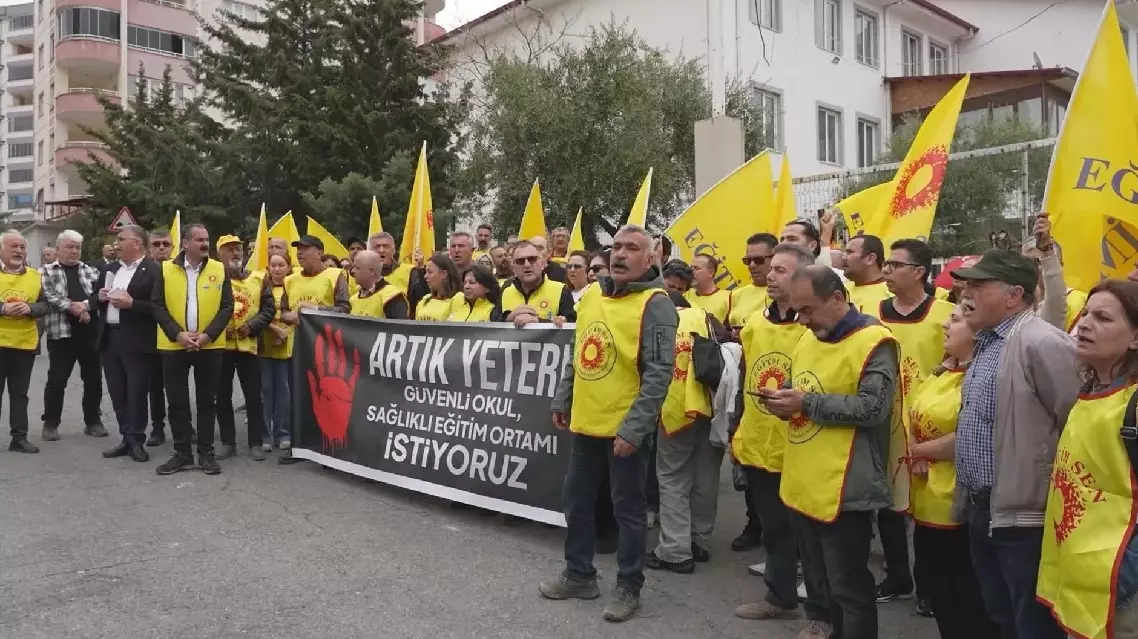
Measures taken to strengthen campus security after Türkiye school shooting