Skip to Content Facebook Feature Image

Structure of China's fixed asset investment continues to improve: analyst

China

China

China

Structure of China's fixed asset investment continues to improve: analyst

2026-04-18 17:40 Last Updated At:04-19 10:37

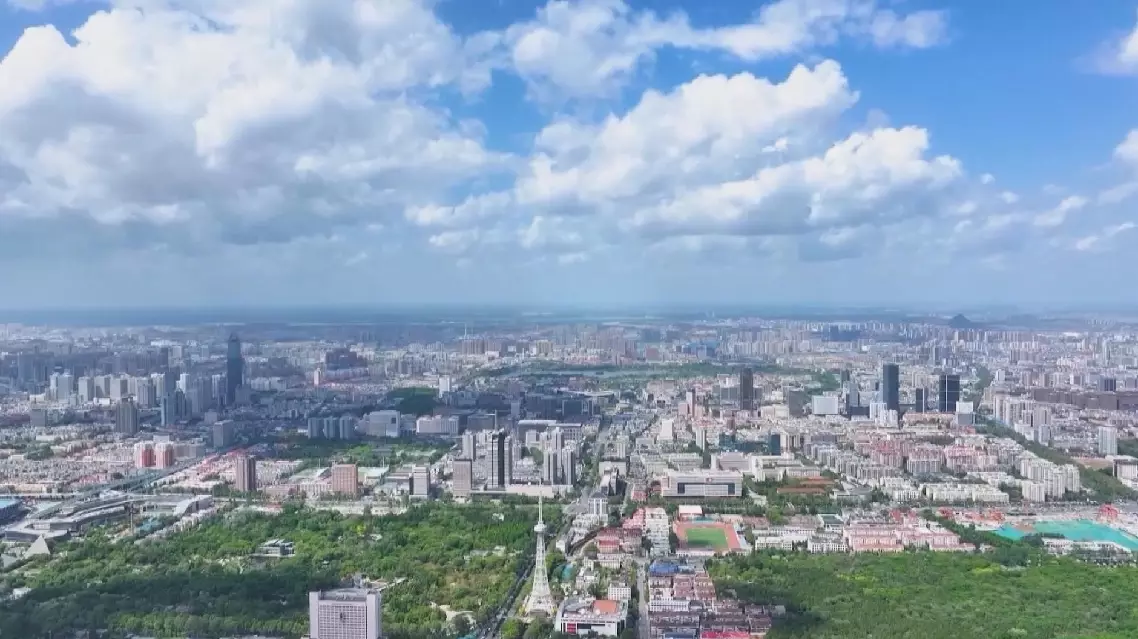
The structure of China's fixed asset investment continued to improve in the first three months of 2026, accumulating new momentum for future development, said an analyst from the National Development and Reform Commission (NDRC) on Saturday.

China's fixed-asset investment went up 1.7 percent year on year in the first quarter of 2026, reversing the 3.8-percent decline recorded for the whole of last year, official data showed Thursday.

Infrastructure investment rose 8.9 percent year on year in the first quarter, higher by 8.3 percentage points than the full-year growth in 2025.

In the first quarter, investment in equipment and tools procurement increased by 13.9 percent year-on-year.

In an interview with China Central Television, Du Yue, director of the comprehensive research office of the NDRC's Investment Research Institute, said the growth was partially driven by the "Two Major" construction policies, referring to the implementation of major national strategies and the construction of security capacity in key areas.

She said the growth was also stimulated by China's "Two New" policy, a major macroeconomic initiative focused on large-scale equipment upgrades and trade-in of consumer goods, designed to boost domestic demand, advance green growth, and facilitate economic structural upgrades.

A prominent highlight of investment in the first quarter is its increasing concentration in areas of foundational capacity building and innovation-driven development. On the one hand, the 'Two Majors' construction policies have driven major projects in foundational capacity building and security fields. We can see that investment in these areas has grown rapidly, with major project investment increasing by over four percent. On the other, the 'Two New' policies have also demonstrated strong driving effects, indicating that the overall structure of our investment is shifting toward new and high-quality development," Du said.

In the first quarter, investment in high-tech industries increased by 7.4 percent year-on-year, while investment in high-tech manufacturing increased by 5.2 percent over the same period of last year.

Investment in high-tech services continued to grow, with investment in professional and technical services and information services both maintaining double-digit growth.

"Investment in the first quarter achieved a turnaround from decline to stabilization. We can observe that investment is trending toward innovation-driven development, including growth in high-tech industry investment. We have seen fast growth of investment in high-tech services and related intellectual property products. That has accumulated momentum for future development," Du said.
Structure of China's fixed asset investment continues to improve: analyst
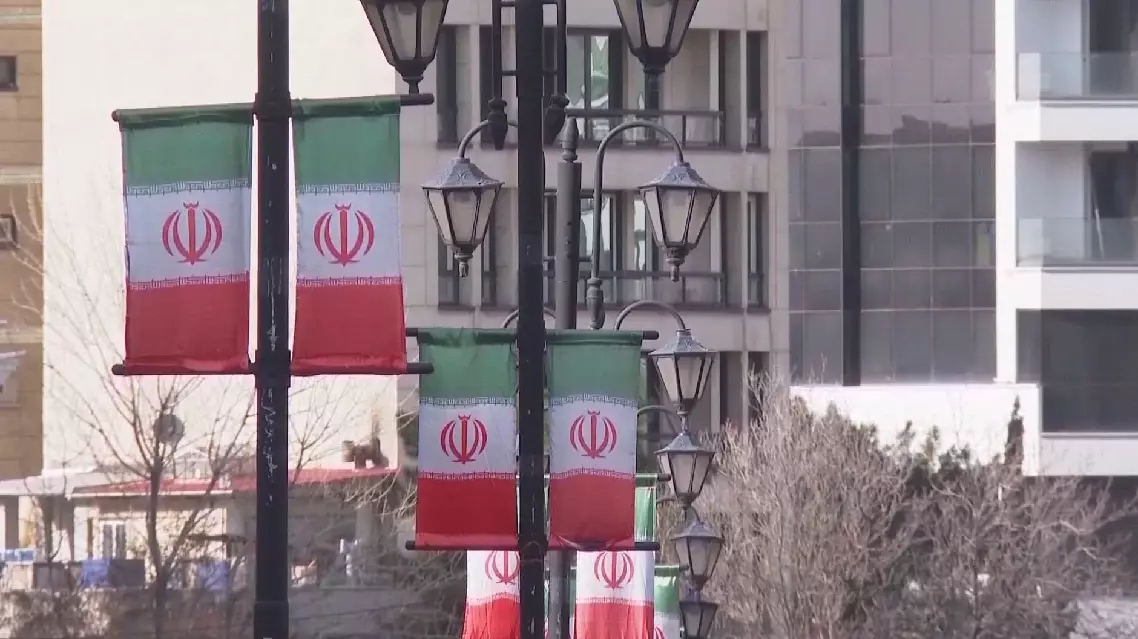

Structure of China's fixed asset investment continues to improve: analyst
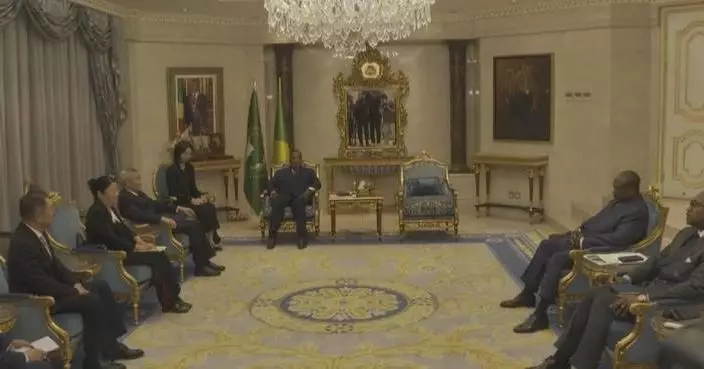
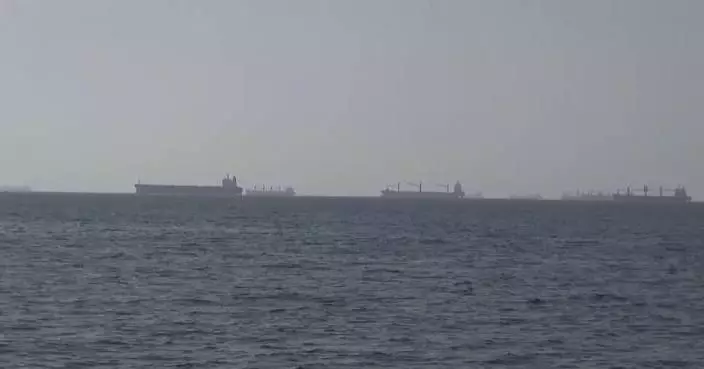
The Navy of Iran's Islamic Revolution Guards Corps (IRGC) said that the Strait of Hormuz has been blocked since Saturday evening and will not reopen until the United States lifts its naval blockade on the waterway.

In a statement carried by its official news outlet Sepah News, the IGRC said that the move came after the United States violated its commitments under the two-week ceasefire, which took effect on April 8, and failed to end its naval blockade against Iranian vessels and ports.

The IRGC Navy called on all vessels and their owners to follow official updates via its channel and VHF Channel 16, the international maritime distress, safety, and calling frequency. The statements by U.S. President Donald Trump hold no credibility in the strait and the Gulf, it added.

The IRGC warned that no vessel should move from its anchorage in the Gulf or the Gulf of Oman, and any approach to the strait would be deemed "cooperation with the enemy" and targeted accordingly.

Tehran's political leadership echoed the IRGC's firm position. Parliament Speaker Mohammad Bagher Ghalibaf asserted that the Strait of Hormuz is under Iran's control, revealing that during previous negotiations, Iran had firmly countered U.S. attempts to carry out minesweeping operations, which Tehran viewed as a ceasefire violation.

He said the situation had come close to conflict, but the U.S. had eventually backed off.

Calling the U.S. maritime blockade "reckless and ignorant," Ghalibaf warned that passage through the strait would certainly be restricted if Washington does not lift the blockade.

Underpinning these public announcements, Iran's Supreme National Security Council on Saturday affirmed the country's resolve to exercise control and supervision over traffic through the Strait of Hormuz until the war is definitively ended and lasting peace is achieved in the region.

For its part, the United States pressed ahead with its own military measures.

The U.S. Central Command (CENTCOM) said in a statement on Saturday that the U.S. military is imposing a maritime blockade on ships entering and exiting Iranian ports and nearby coastal areas. Since the blockade began on April 13, 23 ships have complied with U.S. directions to turn around.

Meanwhile, the U.S. military is preparing in the coming days to board Iran-linked oil tankers and seize commercial ships in international waters, The Wall Street Journal reported on Saturday, citing U.S. officials.

The move will enable the U.S. to take control of Iran-linked vessels around the world, including ships carrying Iranian oil that are already sailing outside the Persian Gulf and those carrying arms that could support Tehran, the report said.

Iran's IRGC says Strait of Hormuz blocked, demands end to US naval blockade

Iran's IRGC says Strait of Hormuz blocked, demands end to US naval blockade

Recommended Articles