The Chinese People's Liberation Army (PLA) Navy will open its barracks to the public in over 10 cities nationwide around April 23, marking its 77th anniversary, with over 40 active-duty vessels set for public visits.
A variety of active combat ships will be open to visitors, including guided-missile destroyers, as well as guided-missile frigates, minesweepers, missile boats and amphibious landing ships.
Additionally, auxiliary vessels, including comprehensive supply ships, ocean-going navigation training ships and hospital ships, will also be accessible to the public.
Many of the participating ships have carried out major missions such as escort missions in the Gulf of Aden, overseas visits and joint exercises.
The open-ship events will be held in cities including Dalian, Qingdao, Shanghai, Ningbo, Xiamen, Guangzhou and Sanya. Some vessels will be open to the public for the first time, while some will dock for the first time in the cities after which they are named.
Visitors will have opportunities to interact with naval personnel and experience naval culture.
In addition to ship visits, naval air force bases and ports will also be opened, alongside themed activities that highlight the ties between warships and their namesake cities.
Opening active-duty vessels to the public is a long-standing tradition among navies worldwide. In recent years, the PLA Navy has regularly held such events on its founding anniversary and the National Day, with growing scale and influence.
Reservation channels for this year's events have been gradually opening, and the public can register online through official platforms.
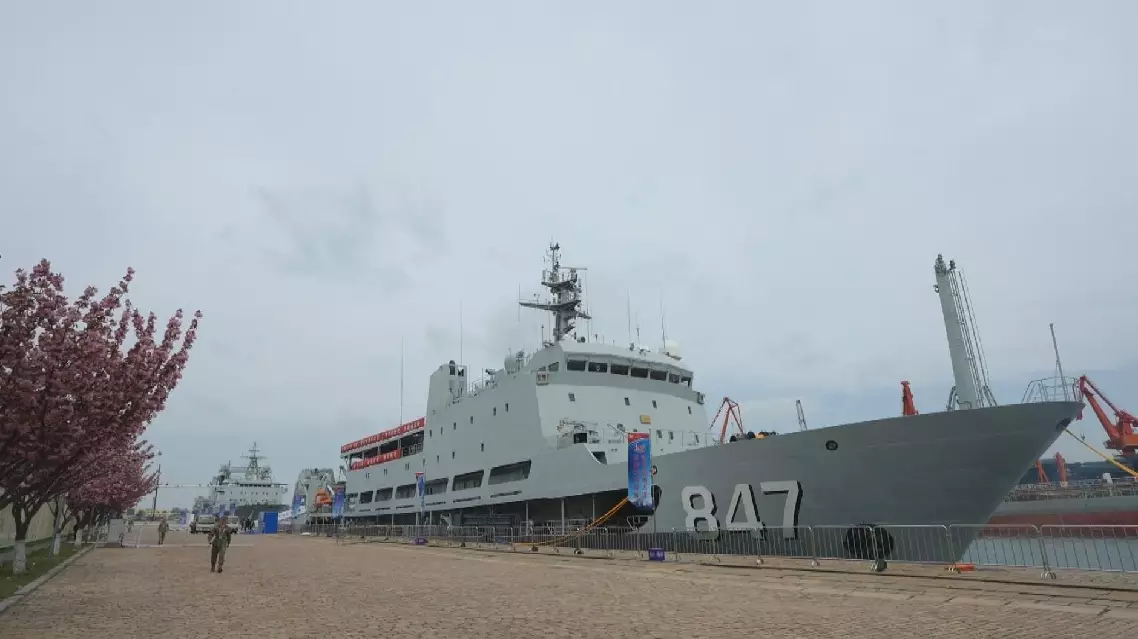
Chinese PLA Navy to host open-ship events celebrating 77th anniversary
Chinese Premier Li Qiang on Friday presided over a State Council executive meeting that approved the State Council's key employment plan during the 15th Five-Year Plan period (2026-2030), along with a draft regulation aimed at boosting veterans' employment and entrepreneurship.
The meeting emphasized that China will pursue an employment-first strategy, expand and improve job quality, and achieve high-quality full employment. Key measures include improving employment services, broadening channels for young graduates, supporting vulnerable groups, promoting flexible and new forms of employment, and safeguarding workers' rights.
The country will also strengthen workforce development by better aligning education with market needs and expanding vocational skills training, according to the meeting.
The meeting underscored the need to seize opportunities from the new round of technological revolution and industrial transformation, with a focus on intelligent, green, and integrated development.
China will push forward the upgrading of traditional industries, the expansion of emerging industries, and the forward-looking planning of future industries, according to the meeting.
The meeting also called for encouraging more foreign investment into advanced manufacturing and productive service industries.
Efforts are needed to accelerate breakthroughs in core technologies while fostering more startups and 'unicorn' companies in future industries. To achieve high-quality and full employment, the government will expand vocational training and enhance support for key groups, including veterans, according to the meeting.
Chinese premier chairs State Council executive meeting on employment plan, future industries