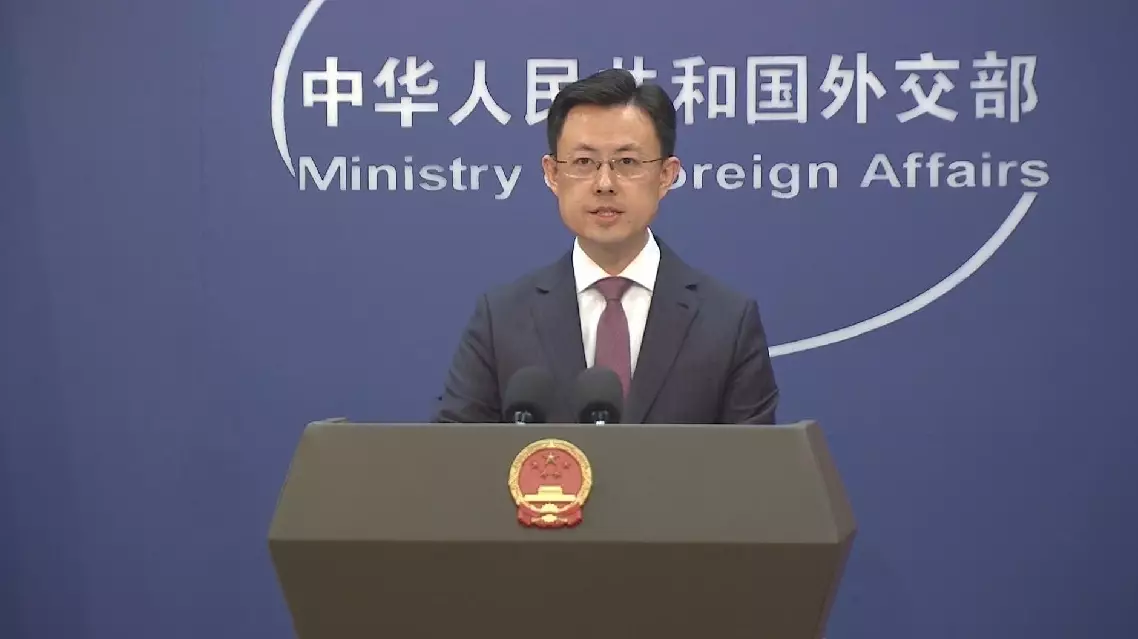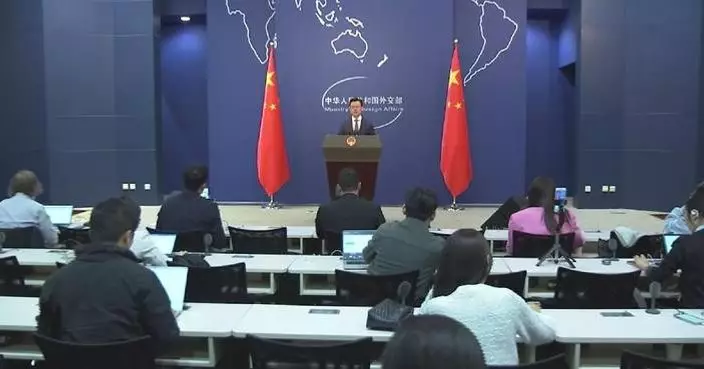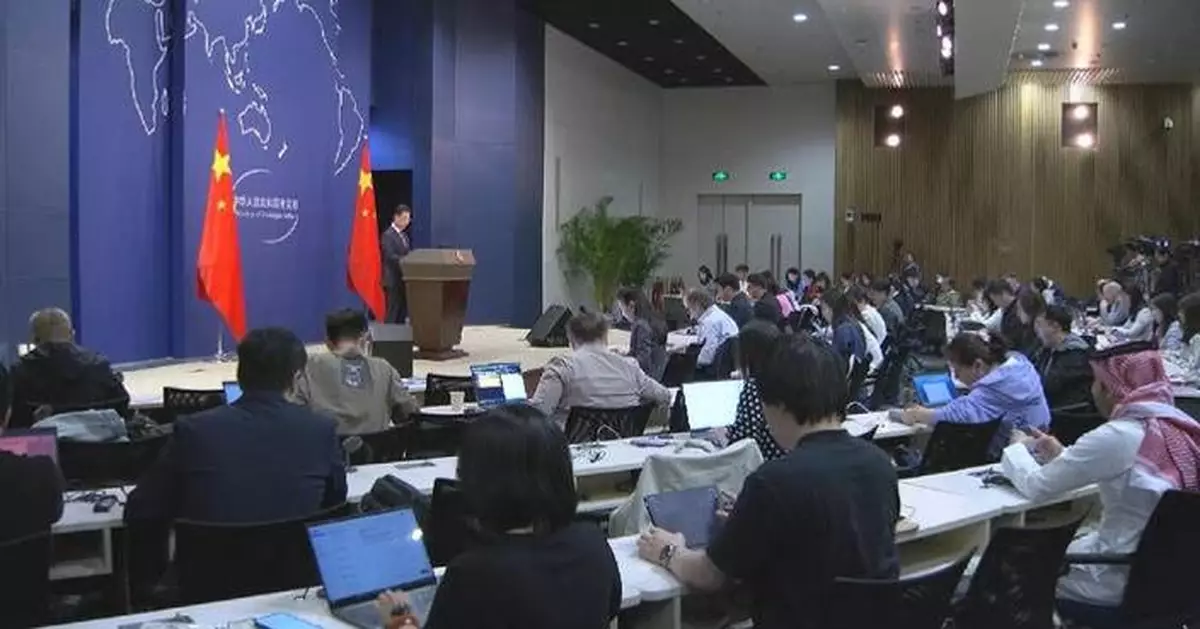
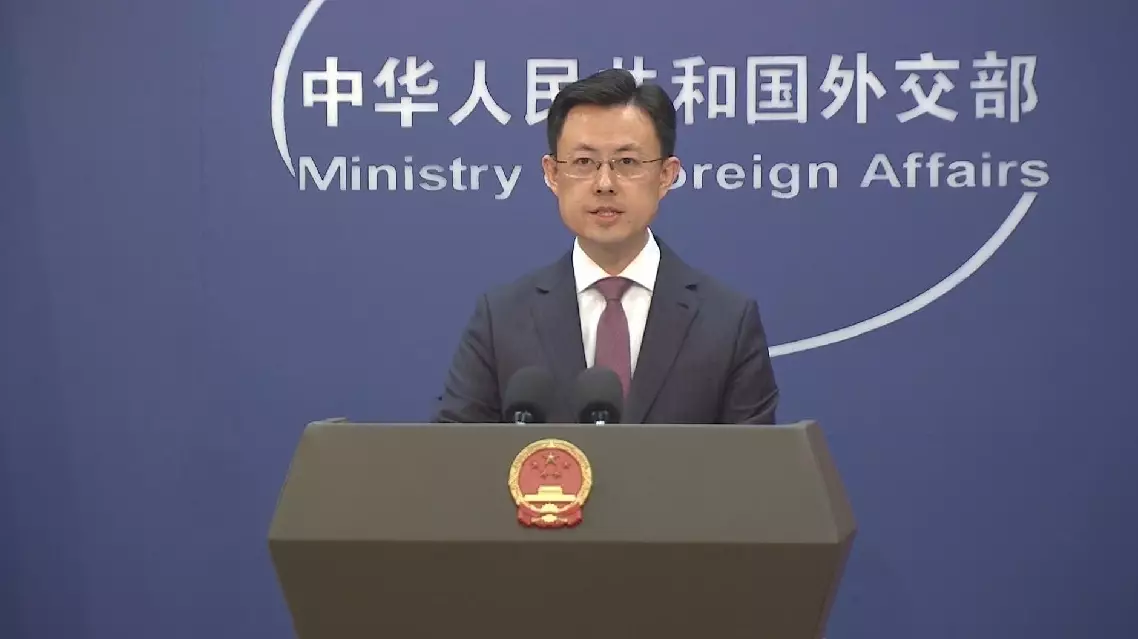
What the Asia-Pacific region needs most is peace and tranquility, not the introduction of external forces or the fomenting of division and confrontation, Chinese foreign ministry spokesman Guo Jiakun said on Monday.
Guo made the remarks at a regular press briefing in response to a question on the annual military exercises led by the United States and the Philippines, which kicked off on Monday.
"The world has seen enough damage done by unilateralism and abuse of military might. What the Asia-Pacific needs most is peace and tranquility, and the last thing the region needs is division and confrontation as a result of the introduction of external forces. No military and security cooperation should be conducted at the expense of mutual understanding and trust as well as peace and stability in the region. Such cooperation should not target any third party or harm the interests of any third party. For countries that tie their own security to others, it is important to bear in mind that this may very well backfire," said Guo.
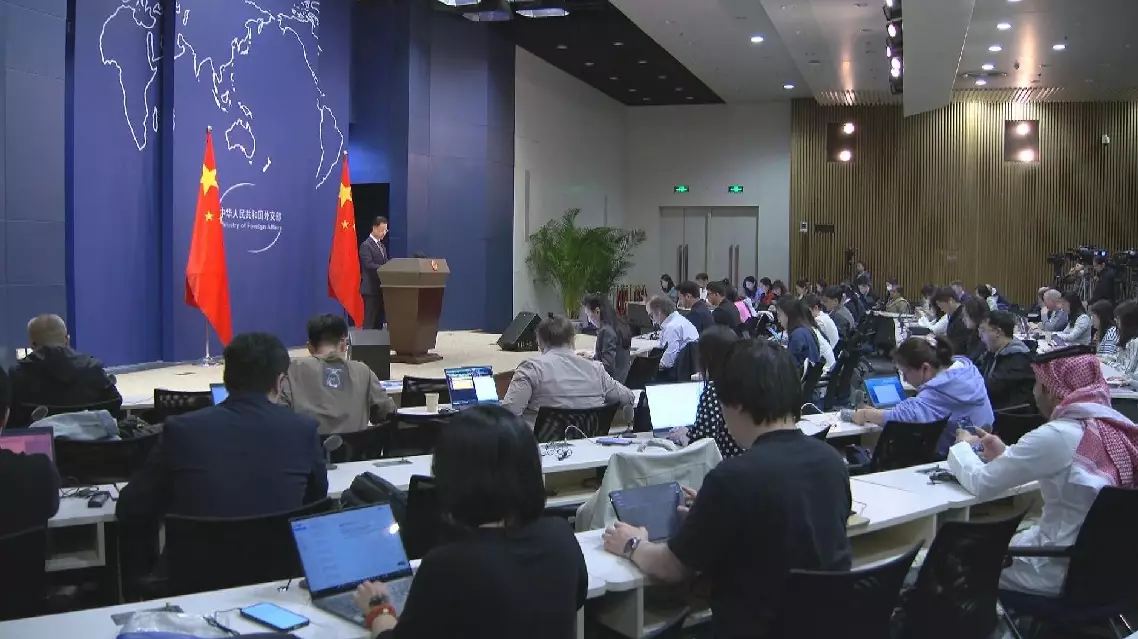
Asia-Pacific needs peace, not confrontation: spokesman
A local villager has captured rare footage of a wild giant panda roaming freely on a hillside in southwest China's Sichuan Province, with the creature spotted strolling by a nearby building.
In the clip shot by a local resident in Pingwu County of Mianyang City on May 8, the wild giant panda appears to be quietly going about its business as it slowly climbs a hillside with a calm and unhurried gait.
Many netizens raised questions after seeing the footage online, prompting an expert to share insights about the panda and offer some safety precautions.
Tu Zhengbin, deputy head of the Wildlife Protection Section of Forestry and Grassland Bureau in Pingwu County, explained why the panda is likely to have appeared at this location and detailed its physical condition.
"From the video, there is a reservoir nearby. It may have come down to drink some water. Based on the panda's size and its fur, we can basically determine that it is an adult giant panda. Moreover, you can see that the panda is walking rather briskly, indicating that it is in quite good health," said Tu.
Pingwu is one of the areas with the highest concentration of wild giant pandas in China, with more than 52 percent of the county's land area being designated as part of the Giant Panda National Park.
In recent years, local authorities have continued to capture numerous images of wild giant pandas using unobtrusive scientific monitoring methods such as infrared cameras.
The frequency of wild giant pandas coming down from the mountains and wandering into human-inhabited areas has also notably increased.
With this in mind, Tu also emphasized that proper safety measures should be taken when encountering a wild giant panda.
"If we encounter a giant panda in the wild, the first thing to do is to stay away from it. The second is to not make any loud noises. This way, we can both protect the giant panda and ensure our own safety," he said.
The number of wild giant pandas in China has risen from around 1,100 in the 1980s to nearly 1,900 today, with the steady increase being largely down to the comprehensive conservation efforts undertaken in recent years.
Rare sighting as wild giant panda spotted strolling on hillside in southwest China