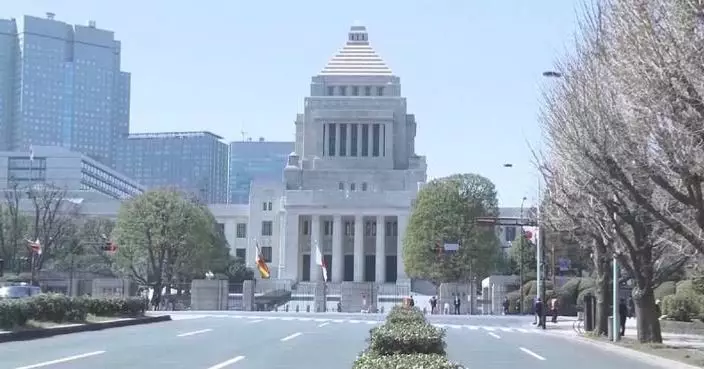
The Japanese government officially revised "the three principles on transfer of defense equipment and technology" and their implementation guidelines on Tuesday to allow overseas sales of weapons, including those with lethal capabilities, despite waves of large-scale protests, local media reported.
The revisions scrap rules that limit Japan's defense equipment exports to five noncombat categories, namely rescue, transport, warning, surveillance, and minesweeping.
Instead, defense equipment will be divided into "weapons" and "non-weapons" categories, based on whether they have lethal or destructive capabilities, Kyodo News reported.
The revision maintains unrestricted exports of non-weapons such as warning and control radar systems, while allowing the export of weapons, including destroyers and missiles, previously prohibited, to countries that have signed agreements with Japan on protecting classified information related to defense equipment and technology.
Kyodo News commented that the changes mark a significant shift in defense policy for a country that has touted itself as a "peace-loving nation" under its war-renouncing Constitution since its defeat in World War II.
While the revisions in principle prohibit the export of arms to countries engaged in active conflicts, they do allow for exceptions "in special circumstances" that take into consideration Japan's security needs.
Under the revision, weapon exports will not require prior parliamentary approval. Instead, the National Security Council will make the decisions, with the Diet informed only after approval.
The lack of parliamentary involvement in the process has drawn criticism from opposition parties, which argue that prior parliamentary approval is necessary to prevent Japan from becoming involved in exacerbating conflicts or fueling arms races.
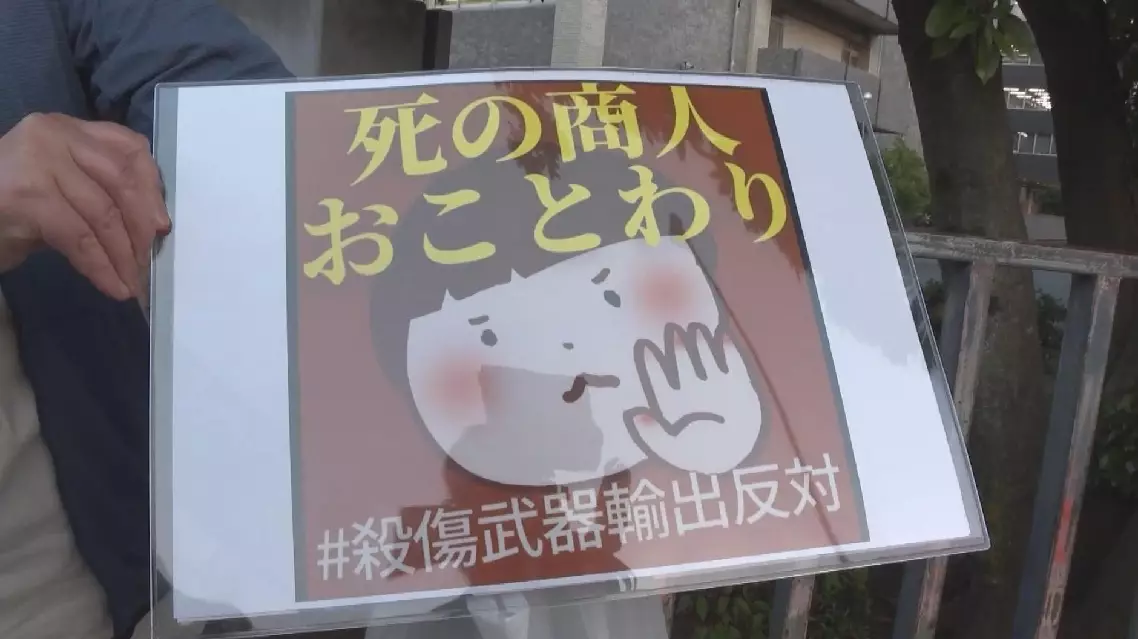
Since the revision plan came to light, it has sparked widespread concern and criticism across Japan, triggering waves of large-scale protests.
During an April 16 rally in front of the prime minister's office in Tokyo, protesters held placards reading "Oppose lifting the five-category restriction," "No to arms exports," and "Japan must not become a merchant of death," while chanting slogans such as "No repeating past mistakes" and "We reject war." Participants expressed deep concern and dissatisfaction, warning that the move could mark a significant departure from the country's long-standing pacifist stance.
The revisions, approved by the Cabinet and the National Security Council, coincide with the kickoff of a three-day spring festival at the notorious war-linked Yasukuni Shrine, a symbol of Japanese militarism and wartime aggression.
Japanese Prime Minister Sanae Takaichi sent a ritual "masakaki" tree offering to the controversial shrine, which honors 14 convicted Class-A Japanese war criminals from World War II.
For a long time, visits and ritual offerings made by Japanese officials to the controversial shrine have consistently sparked criticism and opposition both at home and abroad, hurting the feelings of the people of China, South Korea, and other countries brutalized by Japan during the war.
Japan officially eases arms export rules to allow weapons sales despite protests