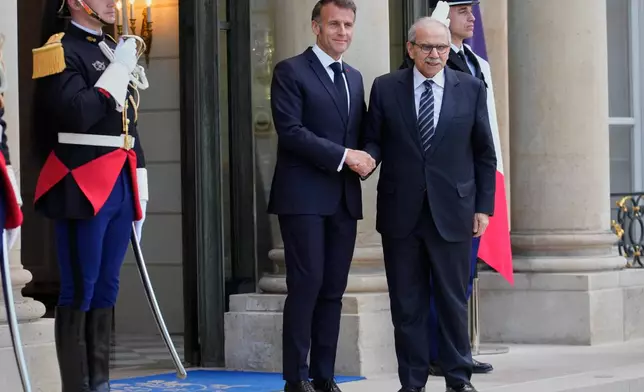
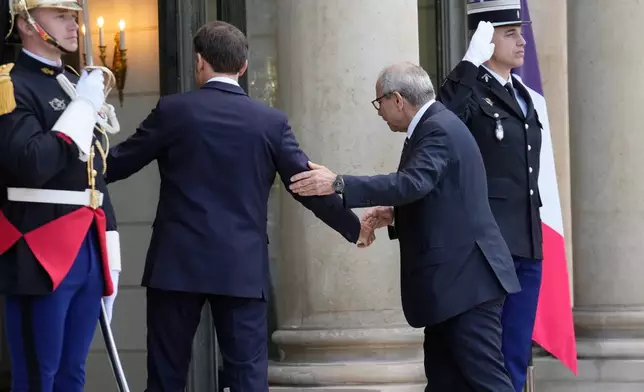
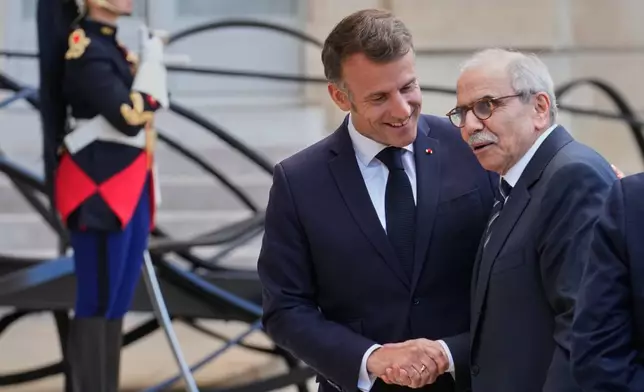
PARIS (AP) — French President Emmanuel Macron and Lebanese Prime Minister Nawaf Salam on Tuesday urged for negotiations to shore up a fragile ceasefire in Lebanon and called on Israel to respect its neighbor's territorial integrity after talks in Paris.
Their appeal came as Pakistan was preparing to host a new round of talks between the United States and Iran as U.S. President Donald Trump said he was extending the ceasefire, which had been due to expire Wednesday, at Pakistan’s request.
Click to Gallery
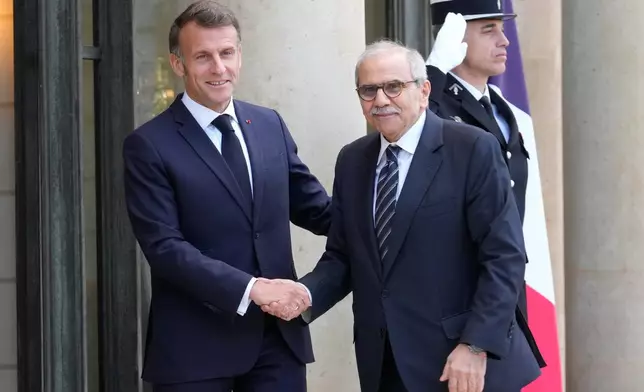
France's President Emmanuel Macron, left, welcomes Lebanon's Prime Minister Nawaf Salam for a meeting at the Elysee Palace in Paris, Tuesday, April 21, 2026. (AP PhotoMichel Euler)
France's President Emmanuel Macron, left, welcomes Lebanon's Prime Minister Nawaf Salam for a meeting at the Elysee Palace in Paris, Tuesday, April 21, 2026. (AP PhotoMichel Euler)
France's President Emmanuel Macron, left, welcomes Lebanon's Prime Minister Nawaf Salam for a meeting at the Elysee Palace in Paris, Tuesday, April 21, 2026. (AP PhotoMichel Euler)
France's President Emmanuel Macron, left, welcomes Lebanon's Prime Minister Nawaf Salam for a meeting at the Elysee Palace in Paris, Tuesday, April 21, 2026. (AP PhotoMichel Euler)
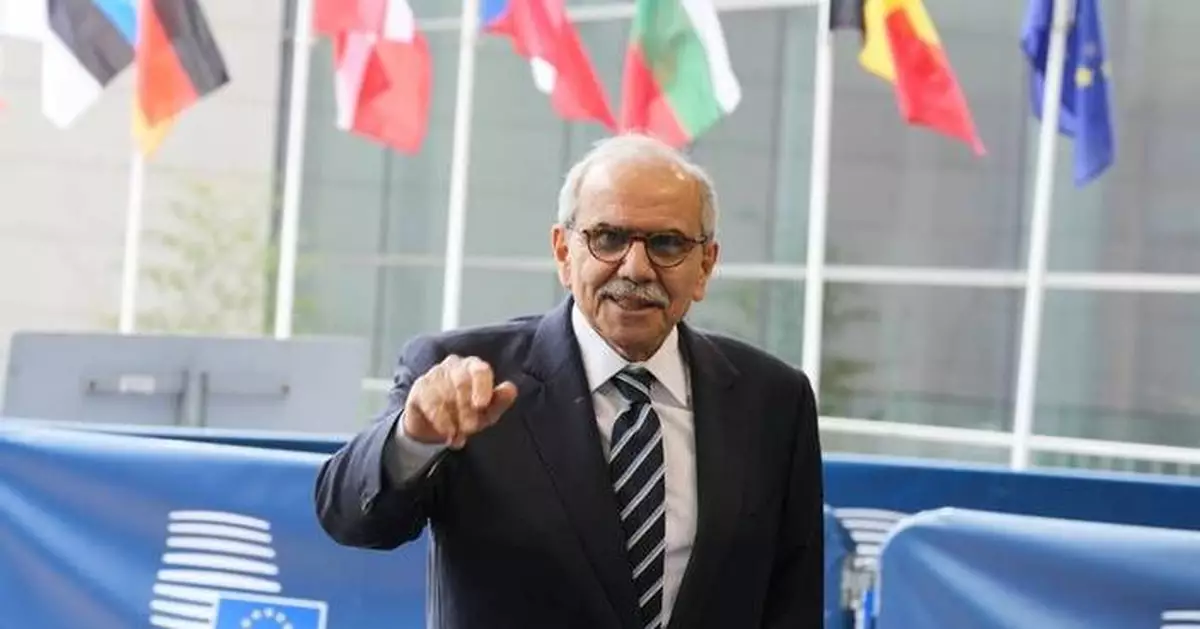
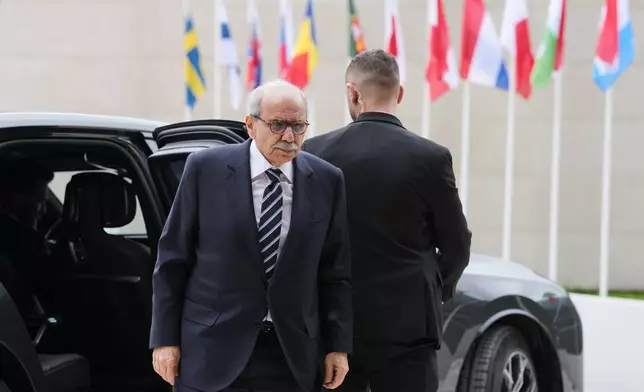
Lebanon's Prime Minister Nawaf Salam arrives for a meeting of EU foreign ministers at the European Council building in Luxembourg, Tuesday, April 21, 2026. (AP Photo/Virginia Mayo)
Lebanon's Prime Minister Nawaf Salam arrives for a meeting of EU foreign ministers at the European Council building in Luxembourg, Tuesday, April 21, 2026. (AP Photo/Virginia Mayo)
Meanwhile, Lebanon and Israel are to hold a new meeting in Washington later this week.
The U.S.-Iran talks looked increasingly uncertain late Tuesday after U.S. Vice President JD Vance, who was expected to lead U.S. negotiator, called off a trip to Pakistan, and Iran said it hadn’t decided whether to participate.
“We should allow time for negotiations and not let the war resume,” Macron said, adding that consolidating the truce in Lebanon was an immediate priority.
Broader regional stability, Macron said, “can only be achieved through an Israeli withdrawal from Lebanese territory and the disarmament of Hezbollah,” an Iran-backed Lebanese militant group.
Salam said Lebanon remains committed to direct negotiations with Israel.
“We are continuing along this path, convinced that diplomacy is not a sign of weakness but a responsible act,” he said, adding that the talks would require sustained international support.
Still, Salam insisted that “there can be no lasting stability without a complete Israeli withdrawal” from Lebanese territory.
Hezbollah began firing missiles into Israel in early March, just two days after the U.S. and Israel launched the war on Iran. Israel had responded with heavy bombardment and a ground invasion.
The meeting at the Elysee presidential palace came after the U.N. peacekeeping force in southern Lebanon, known as UNIFIL, came under attack from small arms fire on Saturday, leaving one French peacekeeper dead and three others wounded, two of them seriously.
Both Macron and the UNIFIL force have blamed Hezbollah, which has denied involvement.
Macron said France is ready to maintain its military on the ground, alongside international partners, in a potential follow-up force that could take over from UNIFIL. The peacekeeper mission's term expires at the end of the year, in line with a vote of the U.N. Security Council in August.
Earlier Tuesday, Salam attended a meeting of European Union foreign ministers in Luxembourg focused on the Middle East. The 27-member bloc's policy toward Israel has divided the EU and stymied unified action.
Lebanese President Joseph Aoun later proposed direct negotiations with Israel — the first in decades — in exchange for a halt in hostilities, an offer initially rejected. Momentum shifted after a U.S.-Iran truce announcement and Pakistan-brokered talks between the two sides.
Lebanon and Israel held their first direct talks in decades last week in Washington, after more than a month of fighting between Israel and Hezbollah.
Iran has insisted any ceasefire agreement must extend to Lebanon and warned it would not reopen the strategic Strait of Hormuz otherwise.
The U.S. announced a ceasefire between Israel and Hezbollah on Thursday, describing it as a result of Israel-Lebanon talks.
Hezbollah, which opposed those talks and was not involved, said the ceasefire stemmed from Iranian pressure rather than the negotiations.
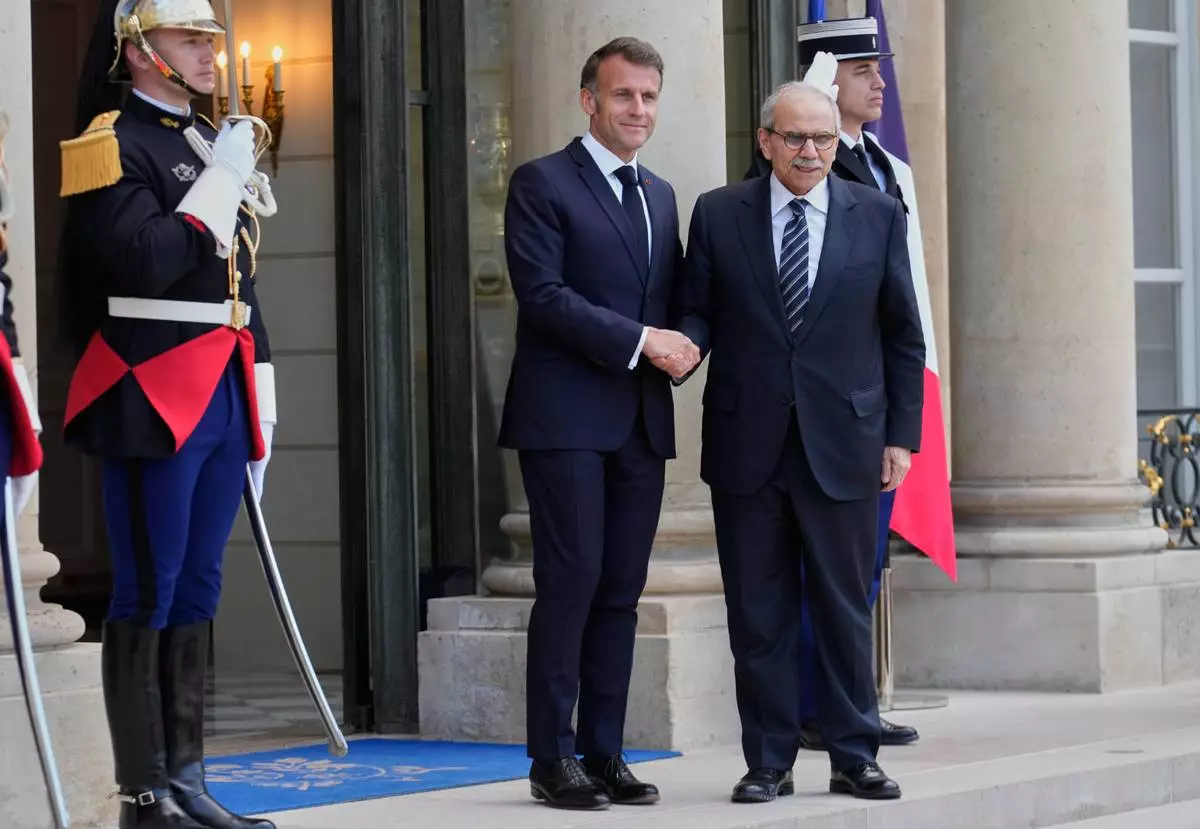
France's President Emmanuel Macron, left, welcomes Lebanon's Prime Minister Nawaf Salam for a meeting at the Elysee Palace in Paris, Tuesday, April 21, 2026. (AP PhotoMichel Euler)

France's President Emmanuel Macron, left, welcomes Lebanon's Prime Minister Nawaf Salam for a meeting at the Elysee Palace in Paris, Tuesday, April 21, 2026. (AP PhotoMichel Euler)
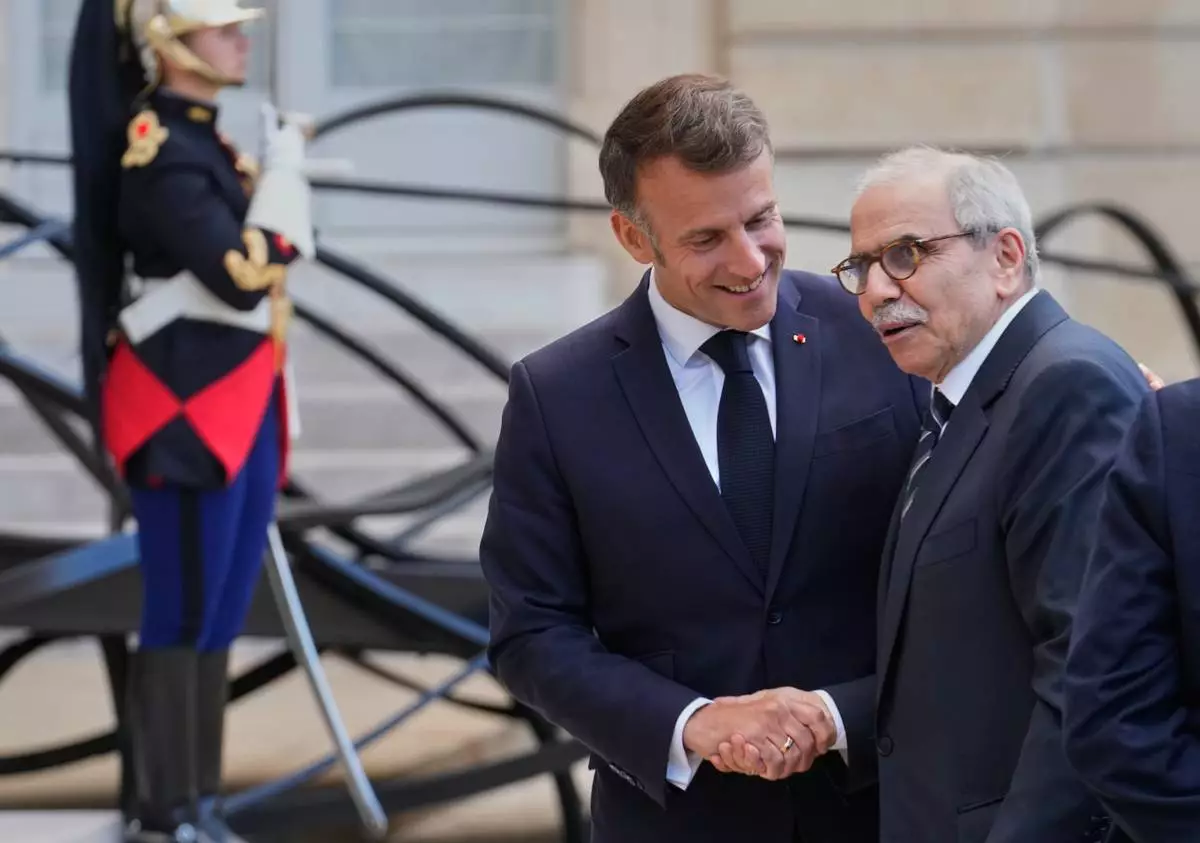
France's President Emmanuel Macron, left, welcomes Lebanon's Prime Minister Nawaf Salam for a meeting at the Elysee Palace in Paris, Tuesday, April 21, 2026. (AP PhotoMichel Euler)
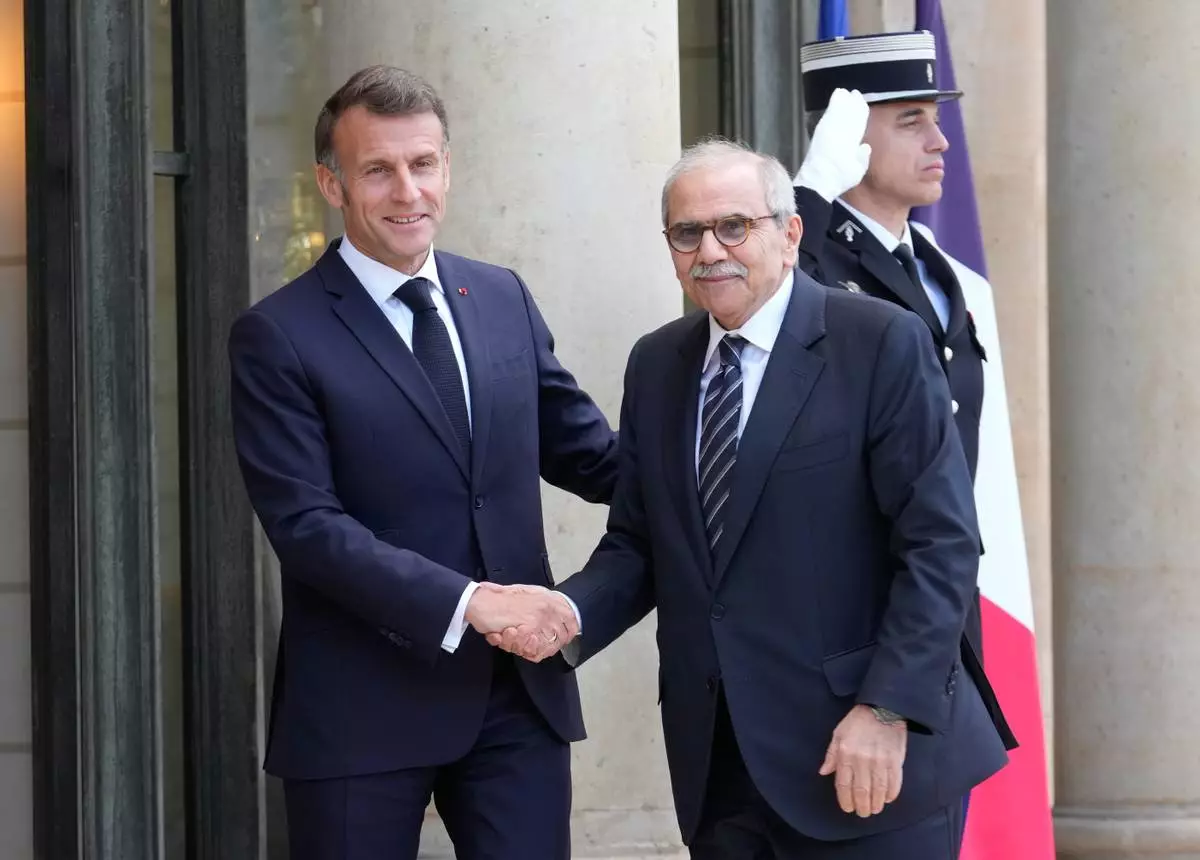
France's President Emmanuel Macron, left, welcomes Lebanon's Prime Minister Nawaf Salam for a meeting at the Elysee Palace in Paris, Tuesday, April 21, 2026. (AP PhotoMichel Euler)
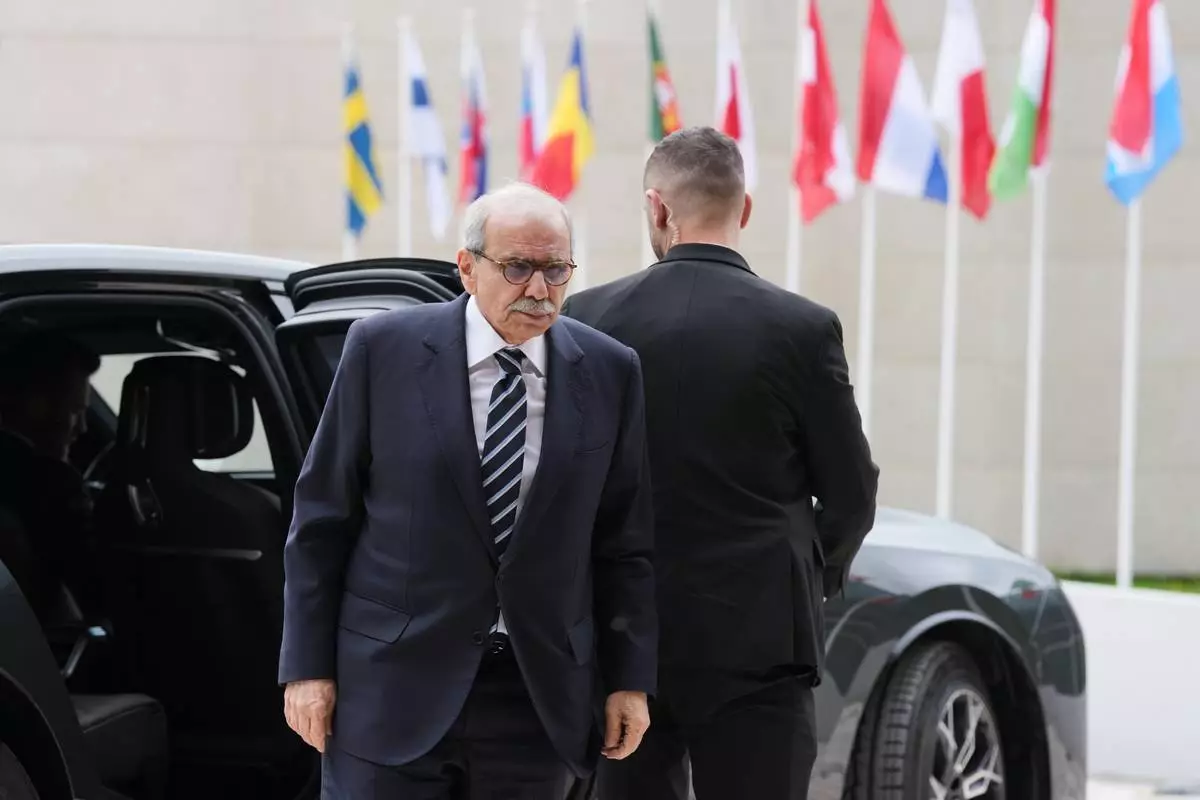
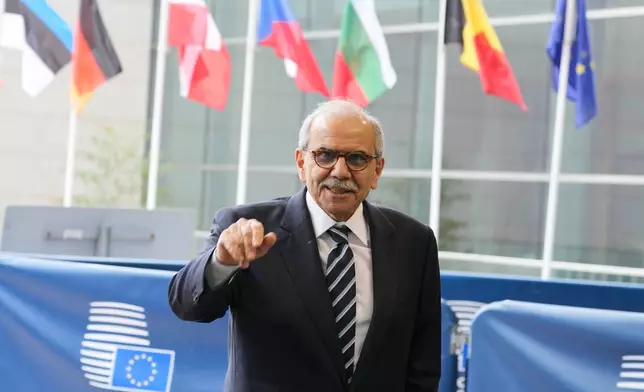
Lebanon's Prime Minister Nawaf Salam arrives for a meeting of EU foreign ministers at the European Council building in Luxembourg, Tuesday, April 21, 2026. (AP Photo/Virginia Mayo)
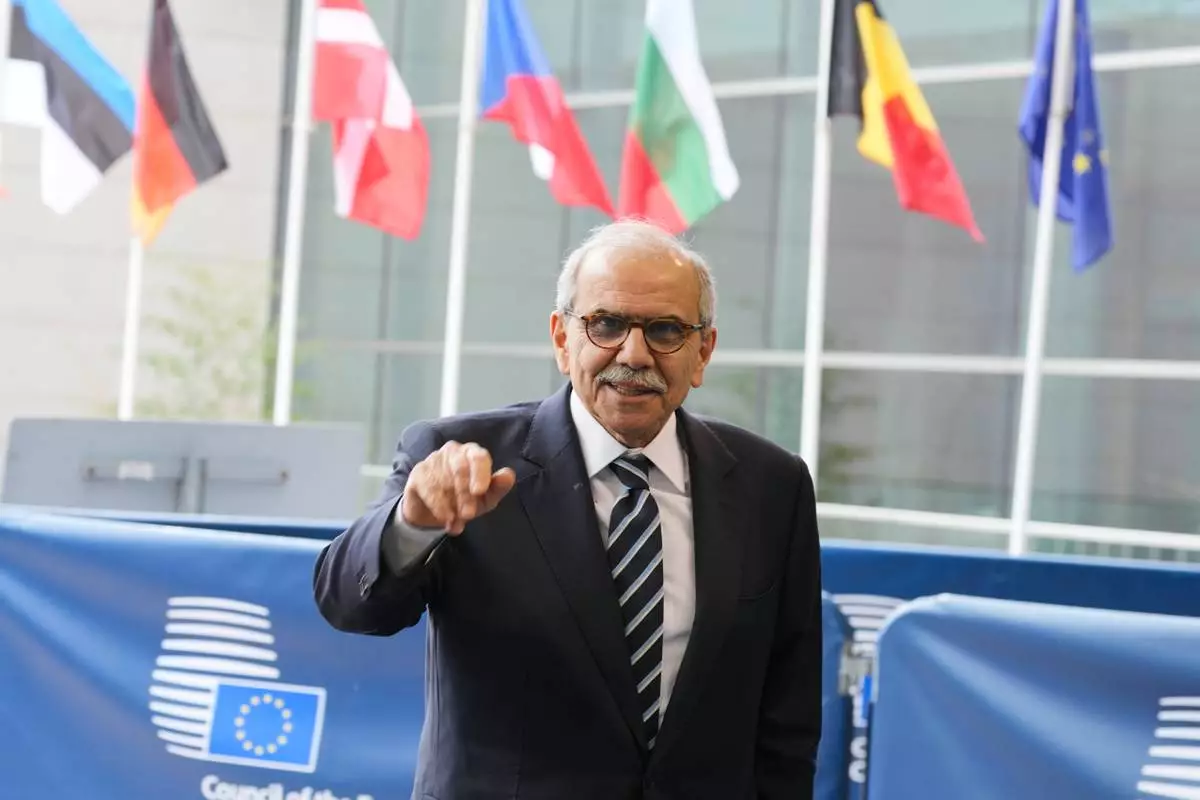
Lebanon's Prime Minister Nawaf Salam arrives for a meeting of EU foreign ministers at the European Council building in Luxembourg, Tuesday, April 21, 2026. (AP Photo/Virginia Mayo)
More than 750 U.S. troops have been wounded during operations against Iran, according to Pentagon data. Of the 757 service members who have been wounded since the war began at the end of February, more than 580 are Army soldiers. The Pentagon and U.S. Central Command have offered almost no details on how any of the injuries have occurred or the amount of damage that U.S. bases have sustained in the conflict.
The United States' debt surpassed a record $40 trillion Wednesday, a staggering milestone as defense costs, social programs and interest on the burgeoning deficit make up an enormous share of federal spending.
The milestone figure was recorded just five months after the U.S. hit a record $39 trillion debt in March. It reached $38 trillion five months before that, in October.
The Latest:
Of the 757 service members who have been wounded since the war began in February, more than 580 are Army soldiers. The total injured also include 86 sailors, 64 airmen and 19 Marines.
While many of the casualties are categorized as having occurred during “Operation Epic Fury,” the formal name for the conflict, the Pentagon created a new category for wounded troops called “Overseas Operations” in the Defense Casualty Analysis System in late July. The Pentagon said that was because Operation Epic Fury has concluded and the military has decided to classify casualties tied to the latest strikes in the new category.
The Pentagon and U.S. Central Command have offered almost no details on how the injuries have occurred or the amount of damage that U.S. bases have sustained. However, officials have said the vast majority of the injuries are traumatic brain injuries.
Trump’s former fixer told CNN on Thursday that he applied for a pardon to former President Joe Biden, but it was denied. Cohen served prison time for his role in what he said was covering up Trump’s “dirty deeds.”
“What I did is I took that same application, with the same documentation, and I just rewrote the cover letter removing the name of President Joe Biden and inserting the name President Donald Trump,” Cohen said.
Cohen said he has not received any acknowledgment from the Trump White House of the application but he said it’s on his to-do list for Friday.
Manitoba Premier Wab Kinew said Canada has leverage in the talks even as his province weighs restoring U.S. alcohol sales at Prime Minister Mark Carney’s urging to help secure a deal that would avert threatened 50% U.S. tariffs.
“Everybody knows the American president by now, he’s erratic, he’s irresponsible, and he’s not to be trusted. And this is the person that we were supposed to make a deal with, and we’re going to make additional concessions for it. That’s why I say you can’t make a good deal with a bad person, because who’s to say it’s not going to be undone?” Kinew said.
Dominic LeBlanc, the federal minister responsible for Canada-U.S. trade, said Thursday the two countries were close to finalizing an agreement after he returned to Washington to meet again with U.S. Trade Representative Jamieson Greer.
▶ Read more
The Army’s top general has directed a Europe-based unit specializing in drone warfare to revert to traditional infantry roles.
The 173rd Airborne Brigade has spent over a year experimenting with drones, influenced by tactics from the Ukraine-Russia conflict. Last November, 600 soldiers formed a battalion that specialized in drone warfare and was set up to deploy anywhere drones were required.
Gen. Christopher LaNeve, the Army’s acting chief of staff, has ordered the battalion to refocus on its core mission of being an airborne infantry unit, according to two U.S. officials who spoke on condition of anonymity to discuss internal Army deliberations. The Wall Street Journal earlier reported the change.
The move is part of broader Army changes under LaNeve, who took over after Defense Secretary Pete Hegseth ousted his predecessor, Gen. Randy George, in April.
The $2 million donation from IndyCar and Fox Corp. will pay for scholarships at Indiana University and Purdue University through the first lady’s Fostering the Future program for youngsters in foster care.
The Indiana schools are the latest to join a network of more than two dozen colleges and universities nationwide that participate in her program, she said during an event in the White House Rose Garden to announce the gift. The program, she said, give foster care youth the opportunity to get a college education, launch a career and achieve financial independence
“America’s greatest competitive advantage remains in its own people,” she said.
IndyCar is sponsoring Sunday’s Freedom 250 Grand Prix through the streets of downtown Washington in celebration of America’s 250th anniversary.
The U.S. Treasury has extended a general license that grants permission for certain transactions connected to the potential sale of the foreign assets of sanctioned Russian oil firm Lukoil.
The latest license, which has been renewed several times, expires Sept. 19.
Last October, the Trump administration announced “massive sanctions” against Russia’s oil industry that were aimed at moving Russian President Vladimir Putin to the negotiating table and bring an end to Moscow’s brutal war on Ukraine. Those sanctions included punishing measures on Lukoil.
The vice president said in an interview on a radio show on Thursday that he took his youngest son, Alec Neel Vance, who was born July 19, to meet Trump.
Vance, speaking on the Clay Travis & Buck Sexton Show, said the president loves children and gave his son a challenge coin.
“The baby doesn’t understand that, but he will someday,” Vance said.
Vance said the meeting happened after he and his wife, Usha, had lunch with Agriculture Secretary Brooke Rollins, Interior Secretary Doug Burgum and country music star Luke Bryan, who is in town for a show.
The president has voiced strong support for AI and data centers, emphasizing their economic benefits and importance in the global AI race.
“If I were the mayor of a town or the governor of a state, and I had a chance to get a big plant in, an AI plant or a data center,” Trump said, “I would absolutely want it because the jobs are enormous and the money paid, the taxes paid, are just enormous.”
Candidates in competitive midterm elections, however, are far less accepting.
Data centers have become a contentious issue, with concerns about energy costs and environmental impact. In Ohio, Republican Jon Husted faces attacks over his support for data centers. In Nevada, Democrat Aaron Ford accused Republican Gov. Joe Lombardo of aligning with Trump on the issue.
The debate reflects broader tensions over technology and local impact.
▶ Read more
Trump is expected to appear on the radio show of his former fixer-turned-foe Michael Cohen.
The interview, which will be broadcast later Thursday, will be a dramatic public reunion with the man who once called Trump a “Cheeto-dusted cartoon villain” and testified against him both in court and before Congress.
Cohen served prison time for what he told a judge were his efforts to cover up Trump’s “dirty deeds.” He has since said he and the president have started to reconcile.
Cohen says Trump’s taped interview will air on his 77 WABC program Thursday evening and Sunday.
▶ Read more
The Trump administration is imposing new sanctions on Cuba targeting its mining and metals sectors and broadening restrictions on Americans’ transactions with government-owned or affiliated businesses. It also accused Havana of using cultural and educational exchanges to radicalize U.S. citizens.
The Treasury and State departments announced sanctions on Thursday against 10 state-owned mining, metals, and construction companies and the leadership of the Cuban Institute of Friendship with the Peoples, or ICAP.
Secretary of State Marco Rubio said ICAP is responsible for sponsoring a “subversive network” to “cultivate” Americans, most recently with educational and cultural exchanges around the 100th anniversary of Fidel Castro’s birth earlier this month.
The sanctions follow an operation at the Miami airport last weekend in which several American citizens returning to the U.S. from events marking Castro’s birthday in Cuba were briefly detained, some of whom had their cellphones and other personal electronic devices seized for inspection.
Federal agents have seized electronic devices from former Rep. Eric Swalwell and searched his Washington home as part of an investigation into allegations of sexual misconduct by the ex-Democratic congressman from California, according to a person familiar with the matter.
Swalwell’s devices were seized at the San Francisco airport on Saturday, and federal agents searched his home a day later.
A message seeking comment was left Thursday with an attorney for Swalwell.
Swalwell announced his resignation from Congress in April following sexual assault and misconduct allegations, which he has denied. The AP source wasn’t authorized to discuss an ongoing investigation publicly and spoke on the condition of anonymity.
▶ Read more
Treasury Secretary Scott Bessent said during a CNBC interview on Thursday that an accelerated buyback of government debt “could be more than $4 billion per issue.”
His comments followed the Treasury’s Wednesday announcement that it would dramatically expand the amount of U.S. government bonds it will buy back. When asked about the motivation for the move, Bessent said: “We’re trying to signal that this is a thinly traded area of the market, we’re in August and there’s been a lot of corporate issuances.”
“We’re trying to keep the market in equilibrium.”
The first lady is partnering with IndyCar, the sanctioning body for U.S. auto racing, and Indiana and Purdue universities to fund the scholarships, her office says.
Both Indiana-based schools are joining about two dozen other institutions of higher learning to offer scholarships through Melania Trump’s “Fostering the Future” initiative benefiting young people in foster care.
A formal announcement is set for Thursday afternoon in the White House Rose Garden. The first lady will be joined by her husband and representatives from IndyCar and the universities.
The announcement comes just before Sunday’s Freedom 250 Grand Prix race in downtown Washington, which was organized by the president to help celebrate America’s 250th birthday.
The State Department said Thursday that it had given the green light for Qatar, a key U.S. partner in the Gulf, to buy four KC-46A aircraft along with assorted equipment, including turbofan engines, radar warning devices and countermeasure systems. The sale will also include trucks, training and assorted logistics services.
The sale “will increase Qatar’s capability to meet current and future threats by enhancing its defense capabilities and interoperability with U.S. and allied forces and reinforcing Qatar’s strategic role in regional security,” the department said.
Qatar, which hosts a major U.S. military base, has been a critical part of the war with Iran, including by trying to mediate an end to the conflict.
The launches come a day after North Korea shrugged off a U.S. decision to scale back military drills with South Korea in an apparent bid to resume diplomacy.
South Korea’s military said the launches of about 10 short-range ballistic missiles happened from North Korea’s capital region Thursday evening. The military said the missiles flew about 300 kilometers each toward North Korea’s eastern waters.
Trump ordered the Pentagon to “substantially reduce” the Ulchi Freedom Shield exercises just before they began Monday. The president cited what he said was a good relationship with North Korean leader Kim Jong Un and South Korea’s refusal to support him over the war in Iran.
▶ Read more
Braid was in charge of helping to shepherd Trump’s legislative agenda through a Congress where his Republican Party controlled both chambers.
Vice President JD Vance wrote on X that Braid “played a critical role in all of the administration’s achievements in Congress,” including the sweeping tax and spending legislation approved last summer.
Vance described Braid as “brilliant” and “one of the hardest workers you will ever meet.”
The vice president didn’t provide details of Braid’s next job, saying only that he was “very excited to see what he does next.”
The Asia-based USS George Washington aircraft carrier is now operating in the Middle East, the U.S. military said Thursday.
The Washington is relieving the long-deployed USS Abraham Lincoln after reports that sailors were facing mental health challenges and supply shortages while supporting the Iran war.
The Lincoln’s deployment has included a record-setting uninterrupted time at sea. Democratic lawmakers are pressing for accountability from the Pentagon over conditions aboard the carrier, which Defense Secretary Pete Hegseth has said were “completely misrepresented.”
The deployment of the Washington to the Middle East has left Asia without an American carrier strike group at a time when China shows more signs of aggression.
Democrats on Thursday narrowed the list of potential host cities for their 2028 presidential convention to Boston, Denver and Philadelphia as their party looks ahead to a wide-open primary to succeed President Trump.
Democratic National Committee Chairman Ken Martin said in a statement the cities put forward “incredibly strong bids,” and he promised the convention would be an “inspiring celebration of our party’s future nominee.”
A final decision is expected to be made later this year by party leaders. Republicans have already chosen Houston for the site of their 2028 convention.
The Democratic convention, scheduled for Aug. 7-10, 2028, traditionally gives the party a chance to formally introduce its nominee to the country, rally the base and kick-start the most intense period of campaigning ahead of the general election.
The party didn’t specify why Atlanta and Chicago, which was the site of the 2024 convention, were eliminated. Officials visited all five cities in April and May, considering logistical and fundraising capacity among other factors.
▶ Read more
Trump played White House tour guide on Wednesday, showing off the helipad he is building on the lawn before leaning over to autograph a piece of it and bragging about the ballroom he’s rushing to complete despite legal challenges.
Trump gushed for several uninterrupted minutes about granite being laid and said the chopper landing area would leave visiting foreign leaders “very impressed” — including Chinese President Xi Jinping, who is coming next month.
At times, he sounded almost like a construction manager, singing the praises of granite over asphalt in painstaking detail and noting for reporters he brought out for the show that the stone could withstand 35,000 pounds per square inch of pressure.
The president also revealed for the first time that he has replaced the walkway from the White House’s diplomatic entrance along with a portion of the asphalt driveway around the South Lawn with white granite.
▶ Read more
The national debt surpassed a record $40 trillion Wednesday, a staggering milestone as defense costs, social programs like Social Security and Medicare and interest on the burgeoning deficit make up an enormous share of federal spending.
The milestone figure was recorded just five months after the U.S. hit a record $39 trillion debt in March. It reached $38 trillion five months before that, in October.
The unprecedented $40 trillion figure highlights competing administration priorities, from boosting defense spending that the U.S. relies on to carry out President Donald Trump’s almost 6-month-old war in Iran to lowering the cost of gas and groceries.
Kush Desai, a White House spokesman, said the Trump administration “has been focused on slashing waste, fraud, and abuse in federal spending while accelerating economic growth to get America’s debt-to-GDP ratio trending in the right direction.”
However, experts say the exploding debt and the latest record milestone are already affecting Americans’ pocketbooks by raising borrowing costs for things like mortgages and cars, lowering wages from businesses that have less money available to invest, and creating more expensive goods and services.
▶ Read more
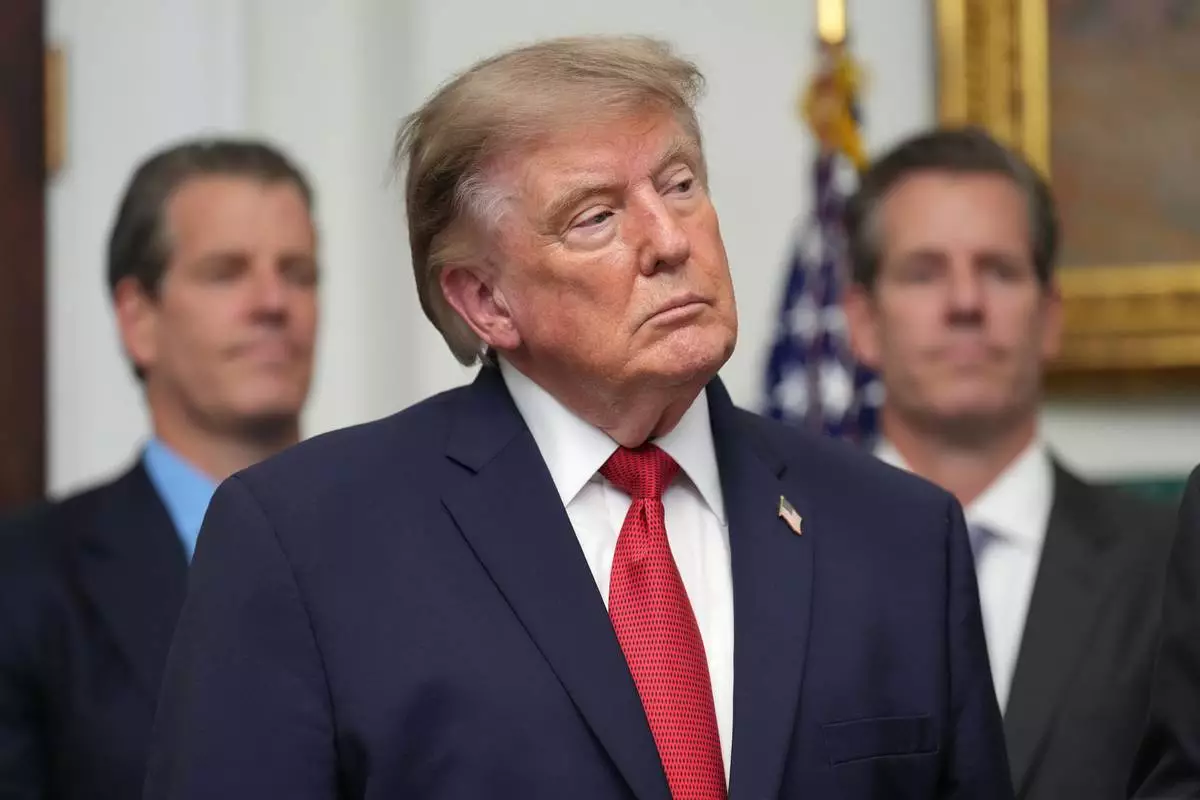
President Donald Trump listens as Gemini co-founder and president Cameron Winklevoss, left, and Gemini co-founder and CEO Tyler Winklevoss, right, watch, during a meeting with technology leaders in the Roosevelt Room of the White House, Wednesday, Aug. 19, 2026, in Washington. (AP Photo/Jacquelyn Martin)
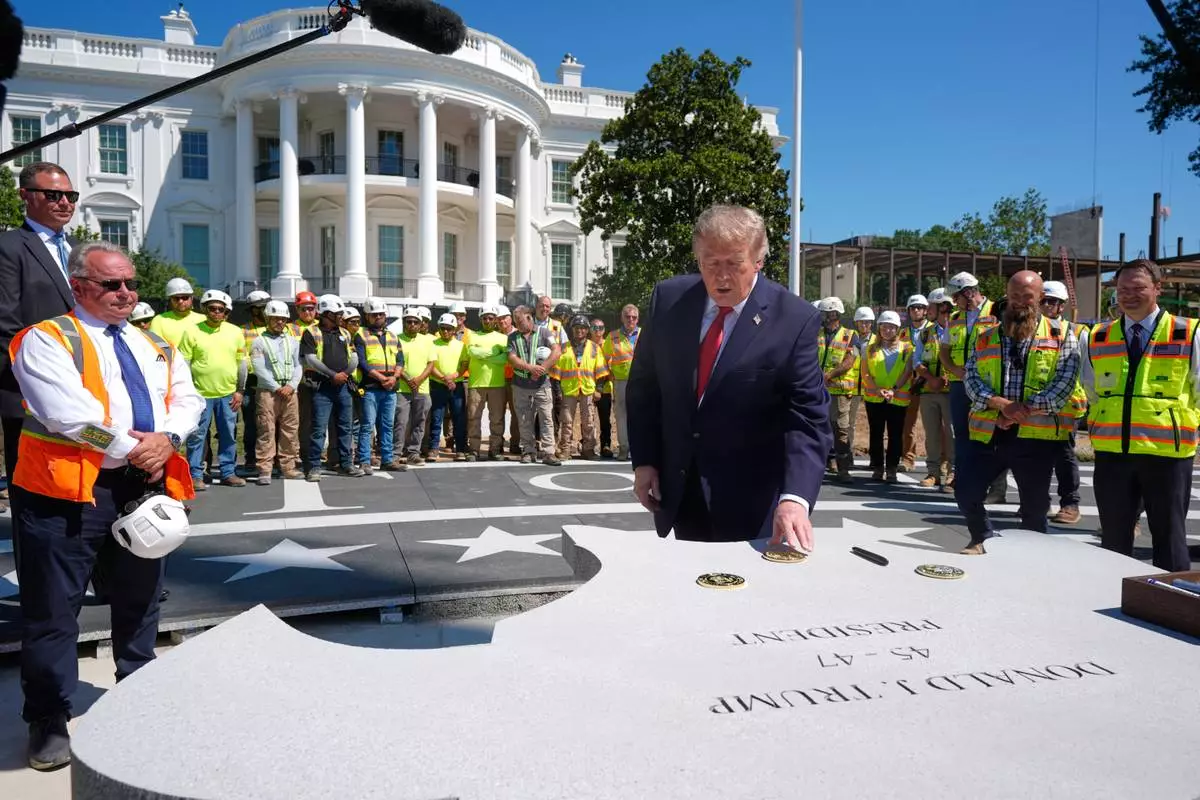
President Donald Trump speaks outside the White House, Wednesday, Aug. 19, 2026, in Washington, at the construction site of the new helicopter landing zone on the South Lawn of the White House. (AP Photo/Manuel Balce Ceneta)
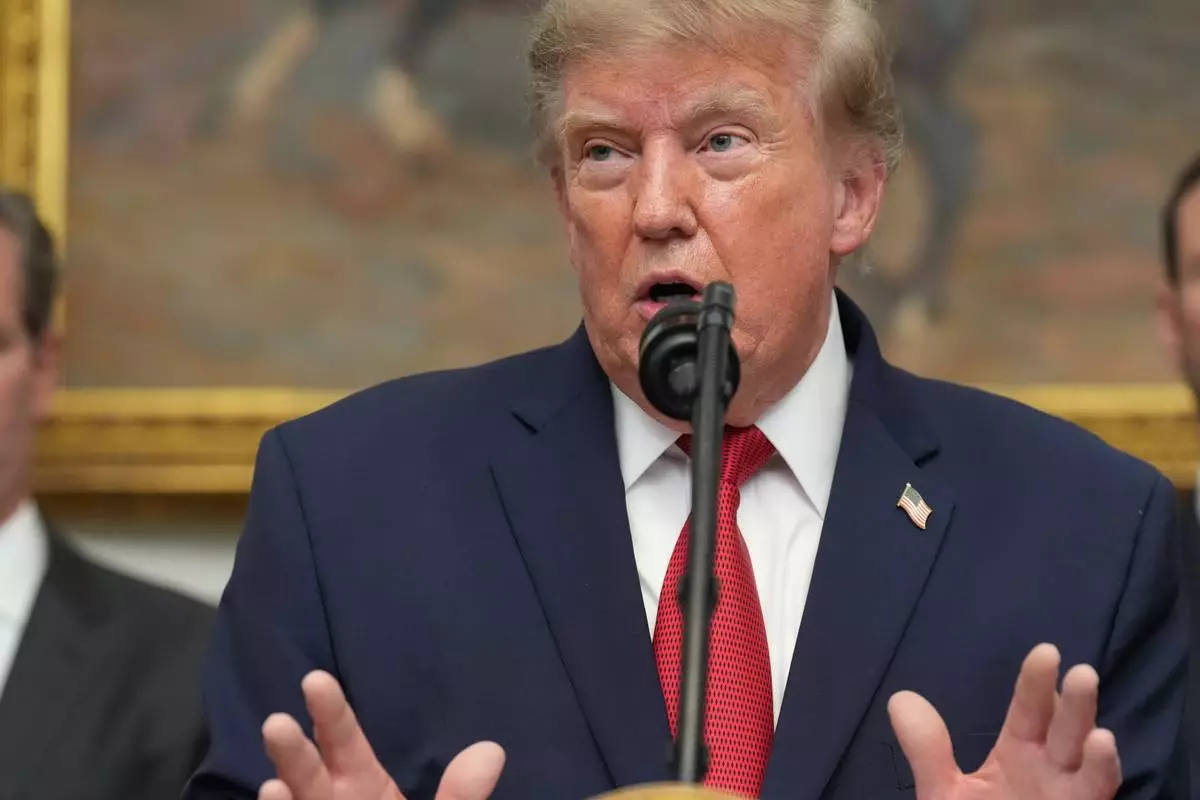
President Donald Trump speaks during a meeting with technology leaders in the Roosevelt Room of the White House, Wednesday, Aug. 19, 2026, in Washington. (AP Photo/Jacquelyn Martin)