BRUSSELS (AP) — European Union envoys gathered on Wednesday with most cautiously optimistic that a massive loan to help meet Ukraine’s military and financial needs for the next two years is close to being approved after months of deadlock.
Meeting in Brussels, the envoys assessed whether Hungary might lift its veto on the 90 billion euro ($106 billion) loan package, originally agreed in December, which Ukraine desperately needs to prop up its war-ravaged economy and help keep Russian forces at bay.
Click to Gallery
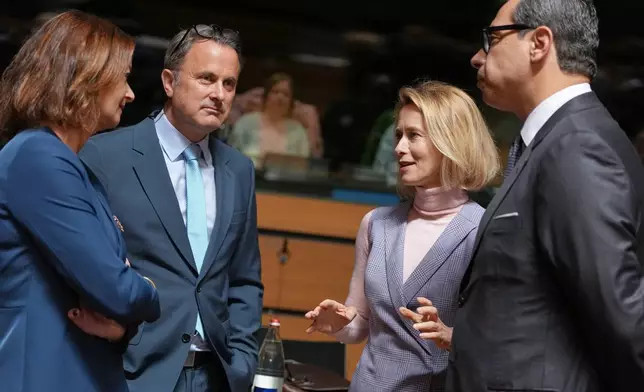
European Union foreign policy chief Kaja Kallas, second right, speaks with from left, Slovenia's Foreign Minister Tanja Fajon, Luxembourg's Foreign Minister Xavier Bettel and Cypriot Foreign Minister Constantinos Kombos during a round table meeting of EU foreign ministers at the European Council building in Luxembourg, Tuesday, April 21, 2026. (AP Photo/Virginia Mayo)
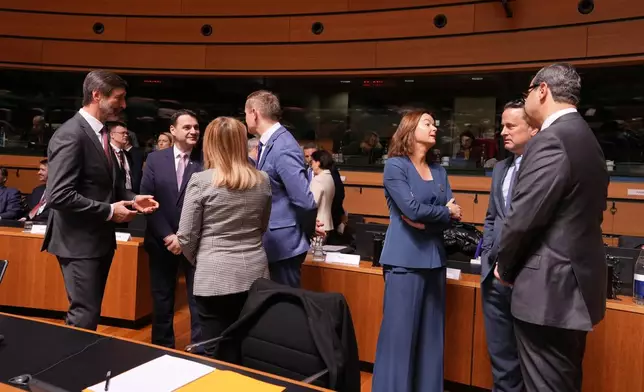
Slovenia's Foreign Minister Tanja Fajon, third right, speaks with Cypriot Foreign Minister Constantinos Kombos, right, and Luxembourg's Foreign Minister Xavier Bettel, second right, during a meeting of EU foreign ministers at the European Council building in Luxembourg, Tuesday, April 21, 2026. (AP Photo/Virginia Mayo)
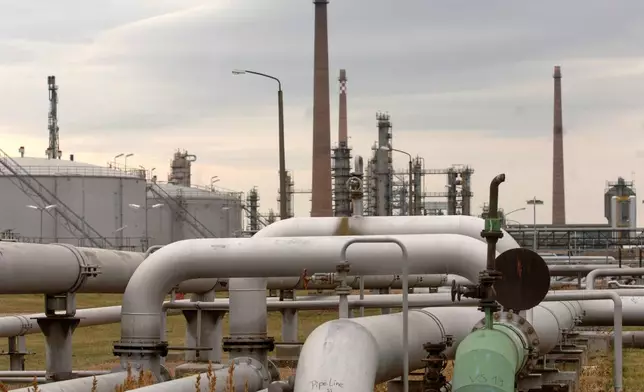
FILE - A general view of a pumping station at the end of the Druzhba oil pipeline in the east German refinery PCK in Schwedt, Jan. 10, 2007. (AP Photo/Sven Kaestner, File)
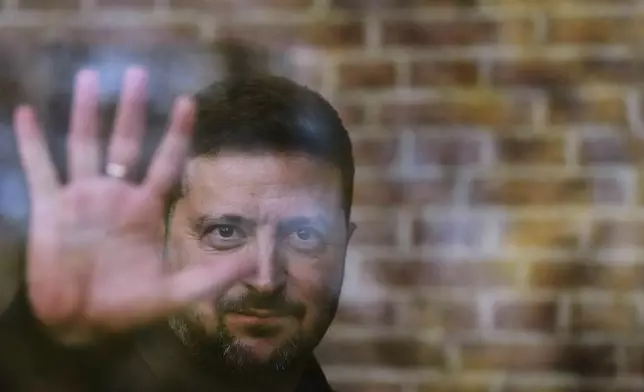
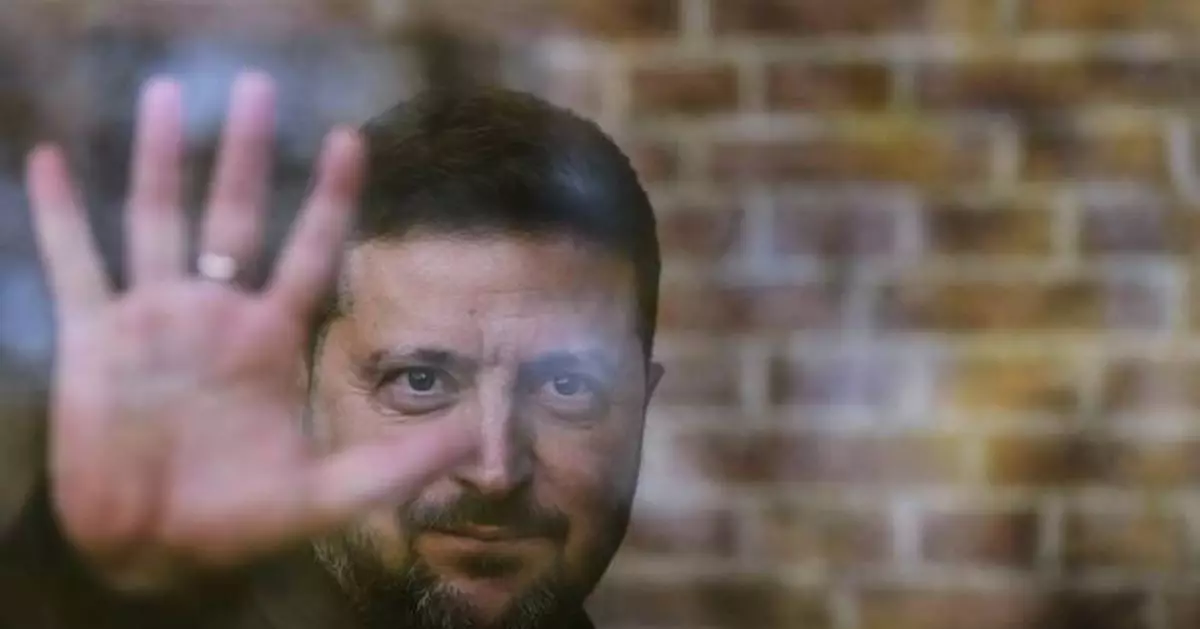
Ukraine's President Volodymyr Zelenskyy waves from behind a glass window after he received the Freedom Medal of the International Four Freedoms Award during a ceremony in Middelburg, Netherlands, Thursday, April 16, 2026. (AP Photo/Peter Dejong)
Hungary has insisted that it must start receiving supplies of Russian oil again via Ukraine before it will unblock the funds.
Hungary and Slovakia, which both rely on Russian oil to meet their energy needs, have accused Ukraine of failing to repair a damaged pipeline that ships the oil. Ukraine and most of its European backers oppose imports of Russian oil which have helped to fund President Vladimir Putin’s war, now in its fifth year.
President Volodymyr Zelenskyy said Tuesday that Ukraine has now completed repairs on the Druzhba pipeline. In a post on social media, he said it “was damaged by a Russian strike” but “the pipeline can resume operation.”
Hungary's outgoing Prime Minister Viktor Orbán has signaled that he would only approve the Ukraine loans once the oil starts flowing again, so the envoys are awaiting a clear signal from Budapest that his veto will be lifted. Orbán, who has repeatedly blocked EU aid to Ukraine, lost an election on April 12 and will be replaced by the pro-European opposition leader Péter Magyar.
Cyprus, which currently holds the EU’s rotating presidency, launched a written procedure to approve the final piece of the puzzle in the loan package. That would require Hungary or any other objecting nation to state in writing why they oppose it.
Such procedures are often left open for 24 hours, and the Cypriot presidency said that final approval could come on Thursday, when EU leaders are gathering for a summit in Cyprus.
EU foreign policy chief Kaja Kallas was reluctant to speculate on the outcome on Tuesday. “We expect an agreement in 24 hours, so I don’t want to jinx it,” she said.
The 27-nation EU had originally intended to use frozen Russian assets as collateral for the loan. But that option was blocked by Belgium, where the bulk of the frozen assets are held.
In December, the Czech Republic, Hungary and Slovakia agreed not to stop their EU partners from borrowing the money on international markets as long as the three countries did not have to take part in the scheme.
But Orbán angered the other 24 countries by later reneging on that deal over the pipeline dispute and as campaigning heated up ahead of the election that he lost in a landslide.
In an address on Tuesday, Zelenskyy said “there can be no grounds for blocking” the loans anymore. “The EU asked Ukraine to repair the Druzhba oil pipeline, which had been destroyed by Russia. We have repaired it.”
Ukraine's Foreign Minister Andrii Sybiha told reporters that Ukraine has done its part. “We have completed everything — there is a date (set), and the infrastructure has been repaired.”
The EU has also been trying since February to push through a new raft of sanctions against Russia, which Hungary and Slovakia have blocked. The measures could take longer than the loan to approve.
Slovakia's Foreign Minister Juraj Blanár said Tuesday that his country would only agree once “Russian oil arrives in Slovakia through the Druzhba pipeline. I can state that we do not have such information yet.”
Economy Minister Denisa Saková said Slovakia expects oil supplies to resume early on Thursday. Saková said that according to information from Ukrtransnaft, a company that operates the pipeline on Ukrainian territory, oil began entering the Druzhba pipeline again on Wednesday.
Associated Press journalists Hanna Arhirova in Kyiv and Karel Janicek in Prague contributed to this report.
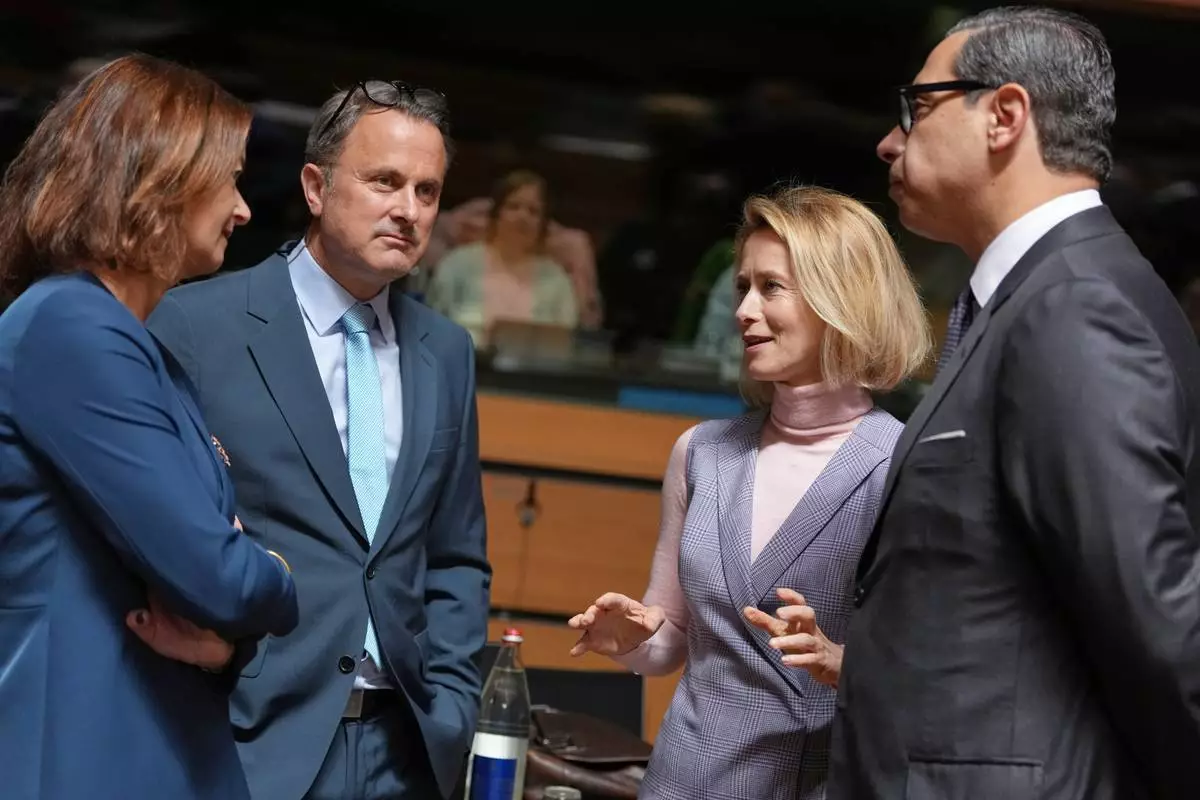
European Union foreign policy chief Kaja Kallas, second right, speaks with from left, Slovenia's Foreign Minister Tanja Fajon, Luxembourg's Foreign Minister Xavier Bettel and Cypriot Foreign Minister Constantinos Kombos during a round table meeting of EU foreign ministers at the European Council building in Luxembourg, Tuesday, April 21, 2026. (AP Photo/Virginia Mayo)
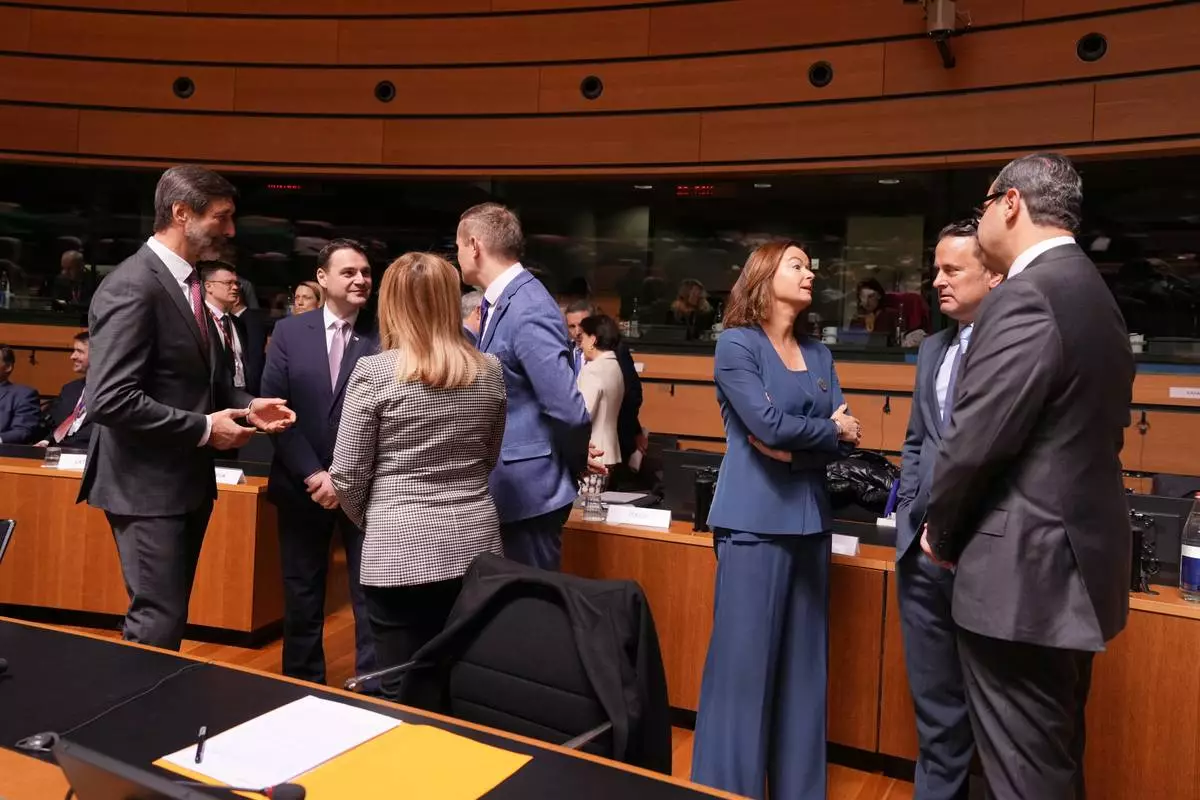
Slovenia's Foreign Minister Tanja Fajon, third right, speaks with Cypriot Foreign Minister Constantinos Kombos, right, and Luxembourg's Foreign Minister Xavier Bettel, second right, during a meeting of EU foreign ministers at the European Council building in Luxembourg, Tuesday, April 21, 2026. (AP Photo/Virginia Mayo)
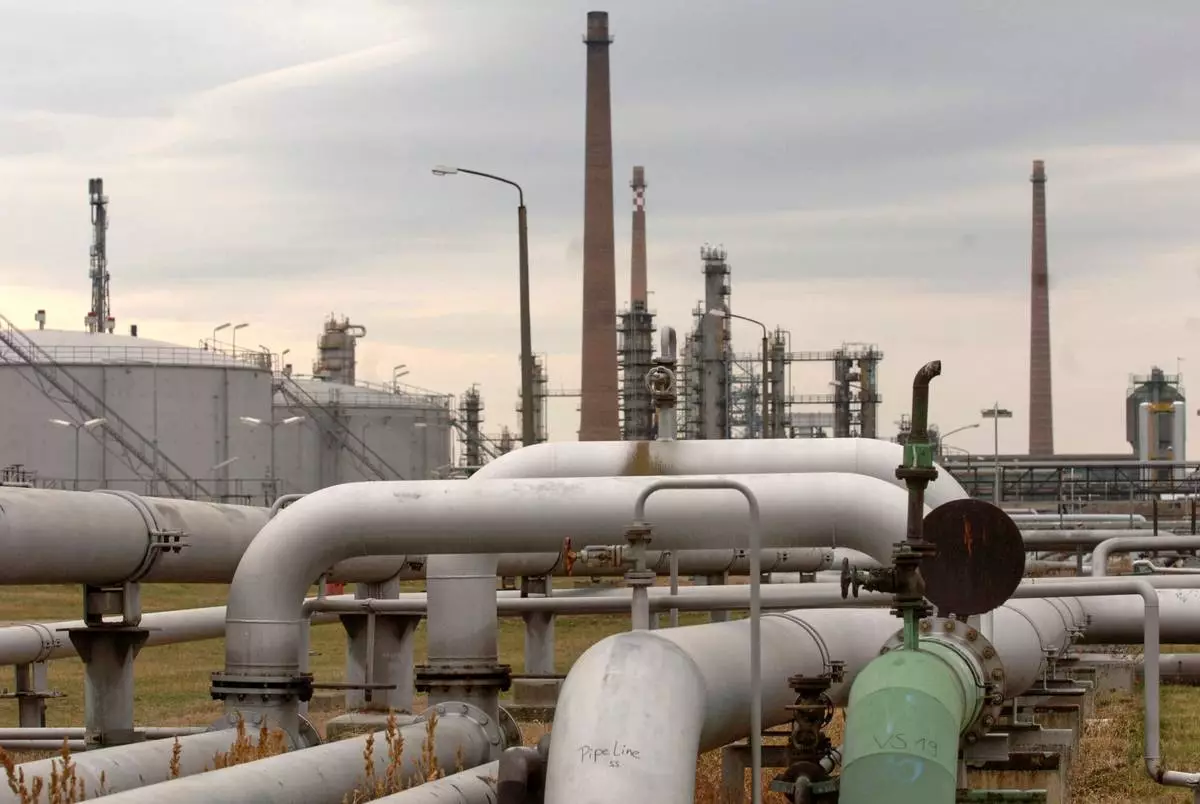
FILE - A general view of a pumping station at the end of the Druzhba oil pipeline in the east German refinery PCK in Schwedt, Jan. 10, 2007. (AP Photo/Sven Kaestner, File)
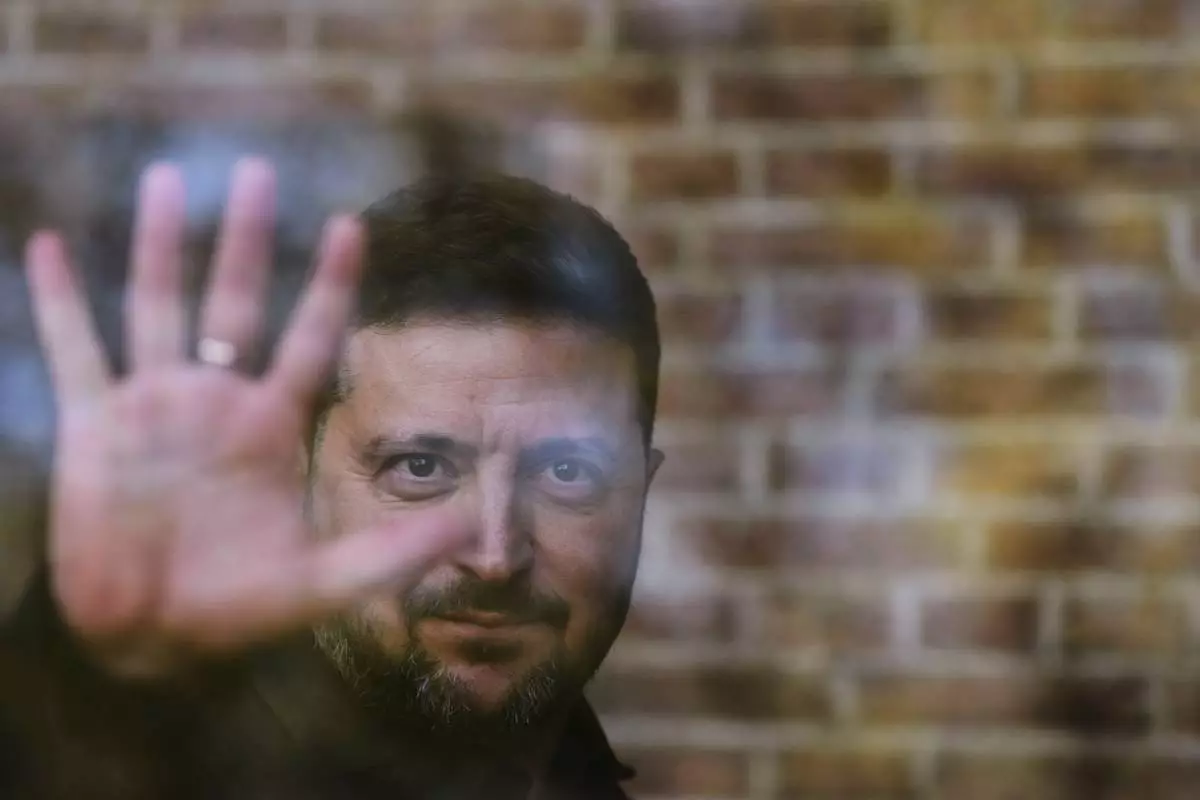
Ukraine's President Volodymyr Zelenskyy waves from behind a glass window after he received the Freedom Medal of the International Four Freedoms Award during a ceremony in Middelburg, Netherlands, Thursday, April 16, 2026. (AP Photo/Peter Dejong)