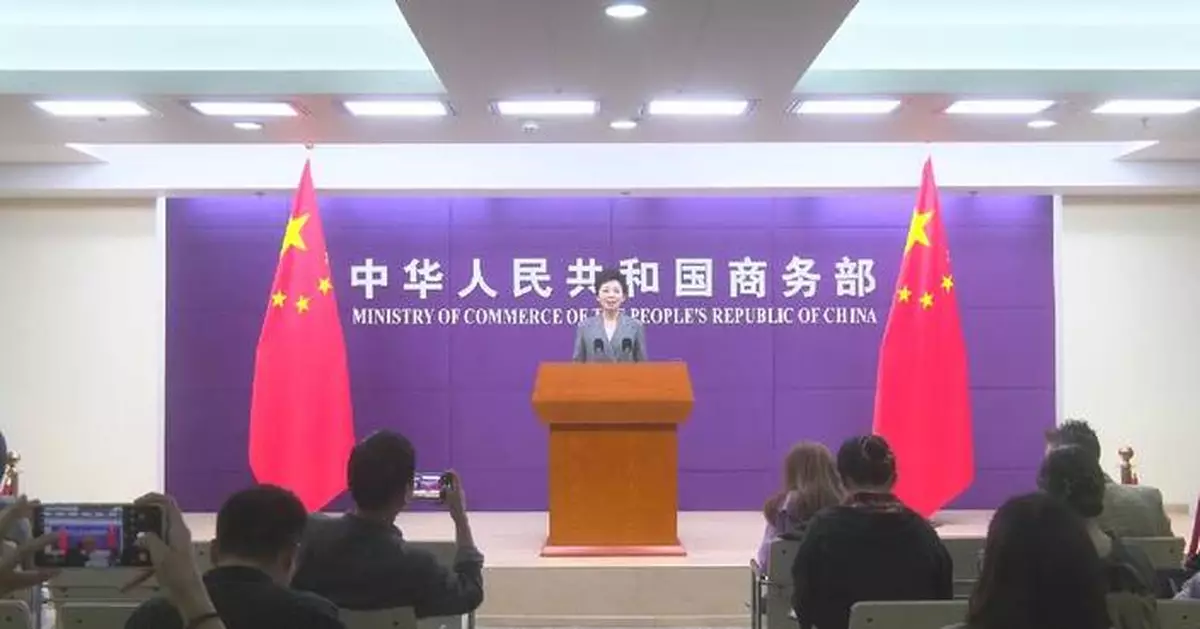
The United States is taking a step forward in correcting its wrongdoings by refunding tariffs, China's Commerce Ministry spokeswoman said on Thursday.
The United States officially launched the first phase of a new claims system on Monday that will allow importers to seek repayment of tariffs collected under the International Emergency Economic Powers Act (IEEPA).
Speaking at a press conference, the spokeswoman He Yongqian reiterated China's opposition to U.S. unilateral tariffs.
"China always opposes unilateral tariff measures in any form. The unilateral tariffs imposed by the United States, such as 'reciprocal tariffs' and 'fentanyl tariffs,' violate both international trade rules and its domestic law. They undermine global economic order and do not serve anyone's interest," He said.
"The U.S. tariff refund measure is a positive step toward correcting its wrongdoings. What's worth noting is that these tariffs were collected by U.S. customs directly from U.S. importers and were ultimately borne by U.S. consumers. We advise Chinese exporters to actively communicate with relevant stakeholders on their specific cases to safeguard their own lawful and legitimate rights and interests," she said.
The Supreme Court ruled in February that U.S. President Donald Trump's sweeping tariffs under IEEPA are unconstitutional. It is Congress, not the president, that holds authority over such taxes.
Following the ruling, a judge at the U.S. Court of International Trade directed CBP (Customs and Border Protection) to remove the tariffs from affected entries and refund any excess duties collected, along with interest.
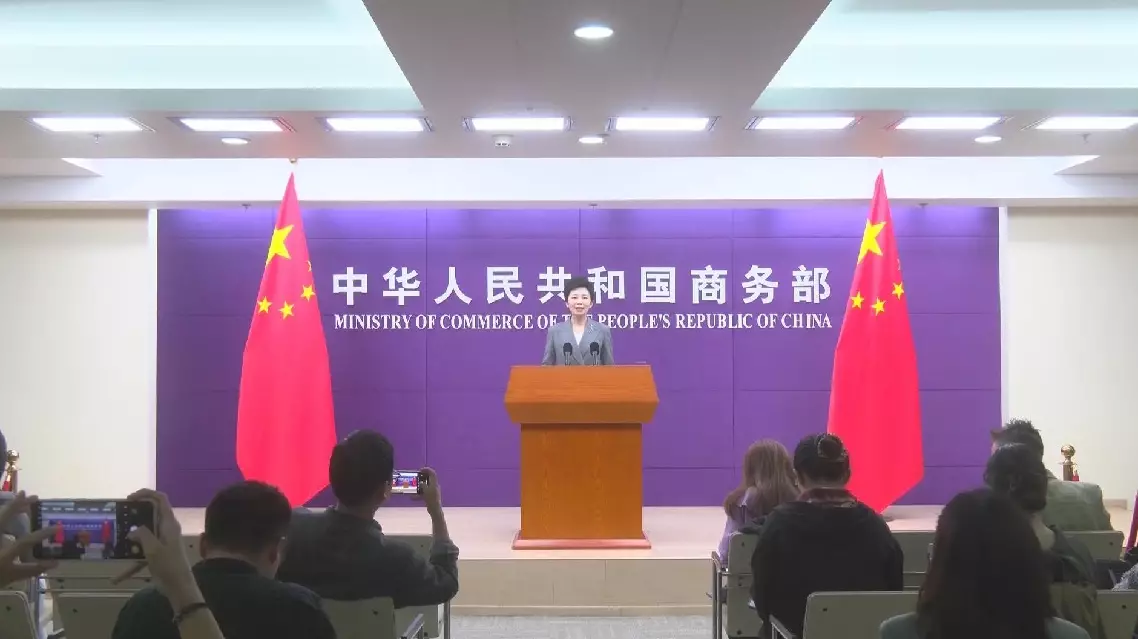
Refunding tariffs a step forward for U.S. to correct wrongdoings: Chinese spokeswoman
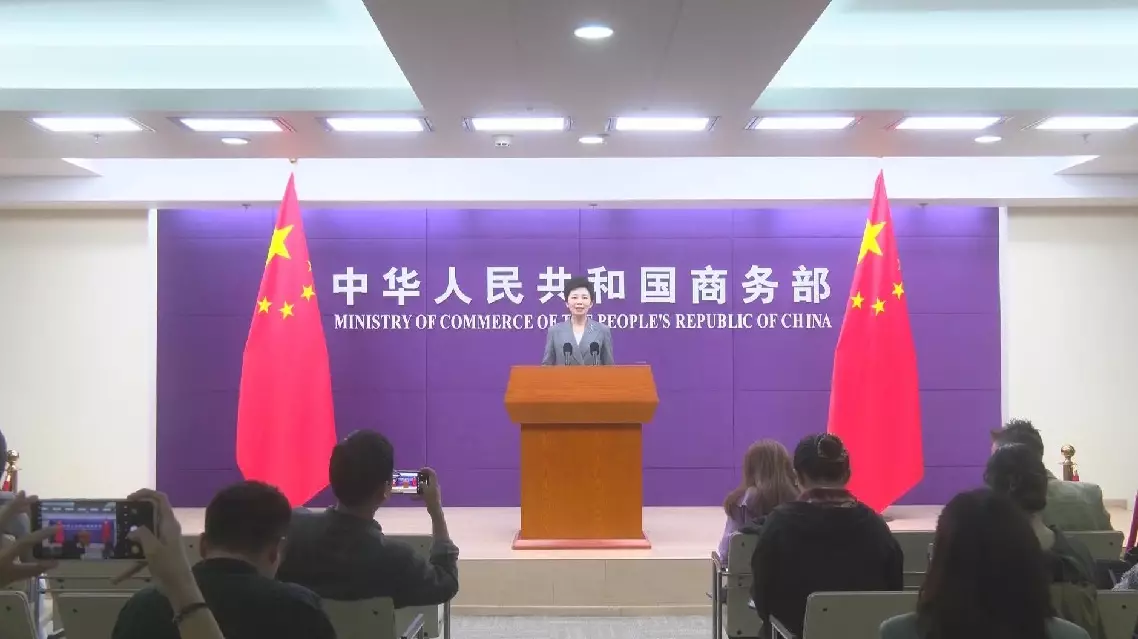
Refunding tariffs a step forward for U.S. to correct wrongdoings: Chinese spokeswoman
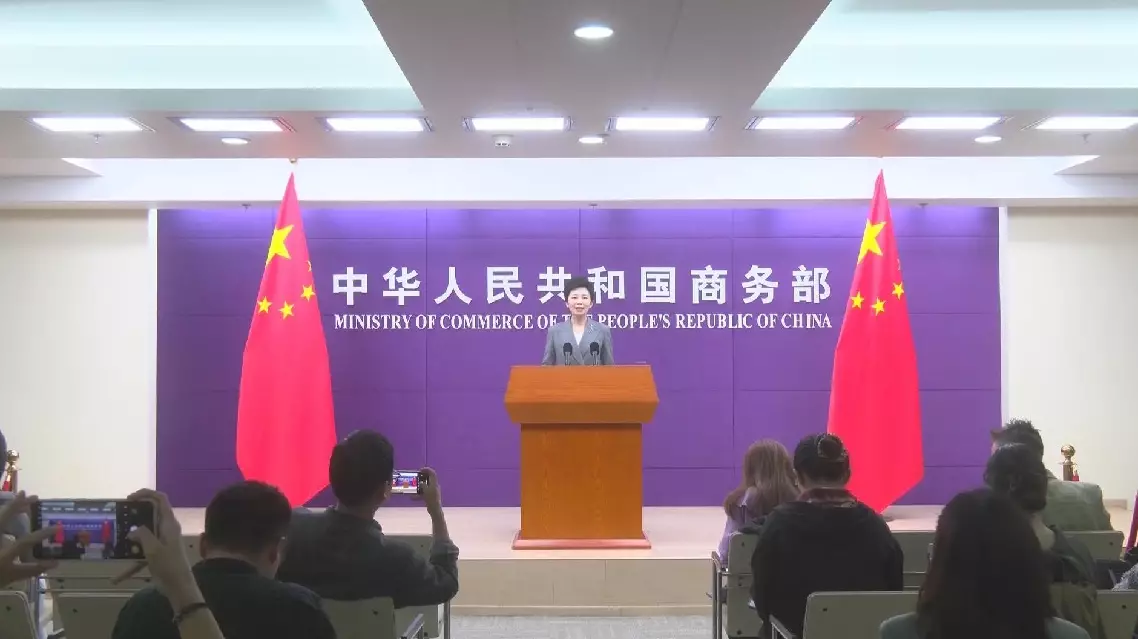
Refunding tariffs a step forward for U.S. to correct wrongdoings: Chinese spokeswoman
Chinese scientists announced Monday that they have achieved a breakthrough in yak cloning, with 10 cloned calves all naturally delivered in southwest China's Xizang Autonomous Region.
These calves, consisting of three black yaks and seven white ones, were born from March 25 to April 5 at a yak breeding and research base in Xizang's Damxung County, all meeting expected standards and steadily gaining weight.
The mass births came after the first cloned yak was born in July 2025, which has grown healthily and weighs about 183 kg now.
The achievement was made using a domestically developed breeding system that combines whole-genome selection with somatic cell cloning, following three years of research by a Chinese scientific team.
"Whole-genome selection can accurately pinpoint excellent genetic loci associated with large body size, fast growth, strong fecundity and disease resistance, high feed conversion efficiency, and tolerance to high-altitude and low-oxygen conditions (cold resistance). On this basis, somatic cell cloning enables 1:1 precise replication of the genotype through asexual rapid propagation (cloning), thereby compressing the breeding cycle to within five years," said Fang Shengguo, a professor at the College of Life Sciences at Zhejiang University and director of the State Conservation Center for Gene Resources of Endangered Wildlife.
Yak farming is one of the key industries targeted for development in Xizang during the country's 15th Five-Year Plan period (2026-2030). Traditional yak breeding has relied on phenotype selection, a process that can take up to 20 years and often leads to declining genetic quality.
Researchers said the new method can shorten the breeding cycle to less than five years by accurately identifying desirable genetic traits such as faster growth, disease resistance, feed efficiency and adaptation to high-altitude, low-oxygen environments, while enabling rapid replication of elite breeding stock.
Experts added that the technology could also support conservation efforts for rare yak genetic resources, including the endangered golden wild yak, whose population in Xizang is estimated at more than 300.
So far, the research team has developed more than 200 cloned embryos of golden wild yaks and hybrid wild-blood yaks, laying the groundwork for future embryo transfer and species recovery programs.
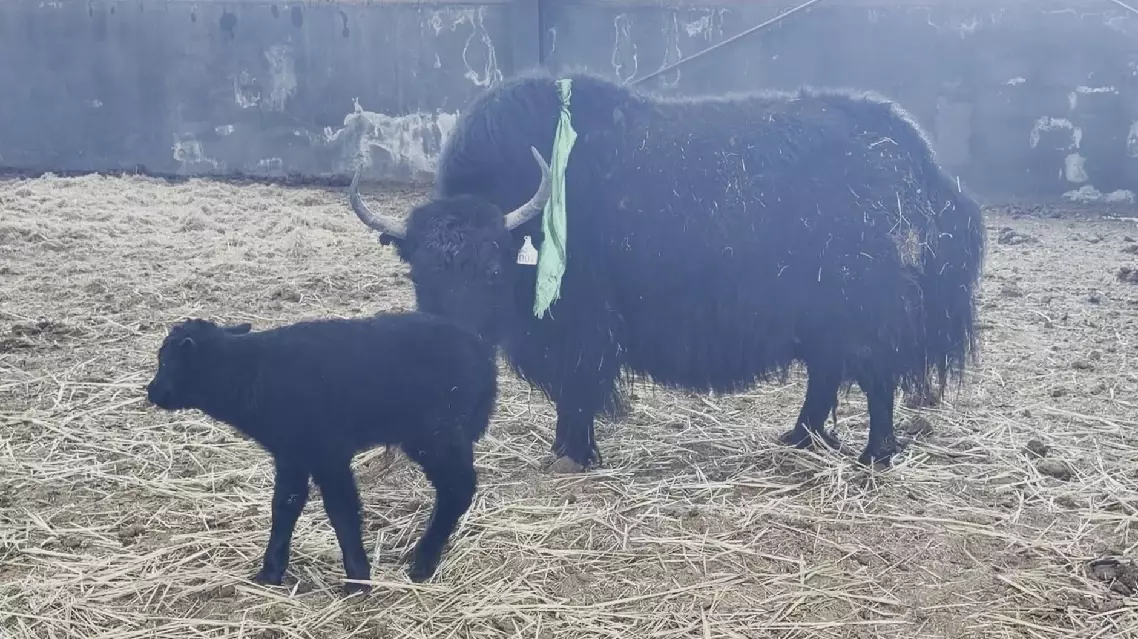
China achieves large-scale births of cloned yaks