NAHUNTA, Ga. (AP) — Wildfires tearing through the South have forced hundreds of Georgia residents to flee in minutes, leaving them distraught about the homes and animals they left behind.
The fires that spread this week during an extreme drought in Georgia and Florida have blanketed cities hundreds of miles (kilometers) away in smoke, leading to more air quality warnings Thursday across the Southeast.
Click to Gallery
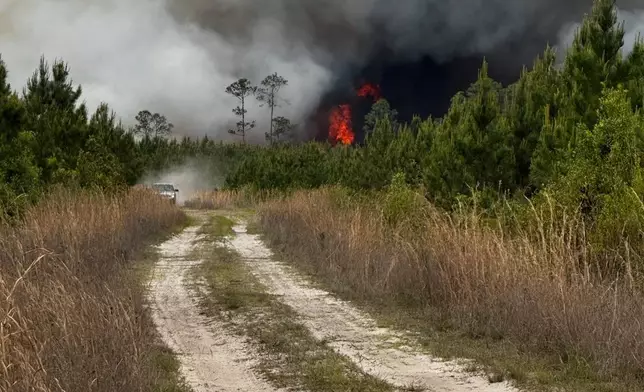
This photo provided by the Georgia Department of Natural Resources shows smoke fills the sky from the Pineland Road Fire in southeast Georgia on Wednesday, April 22, 2026. (Georgia Department of Natural Resources via AP)
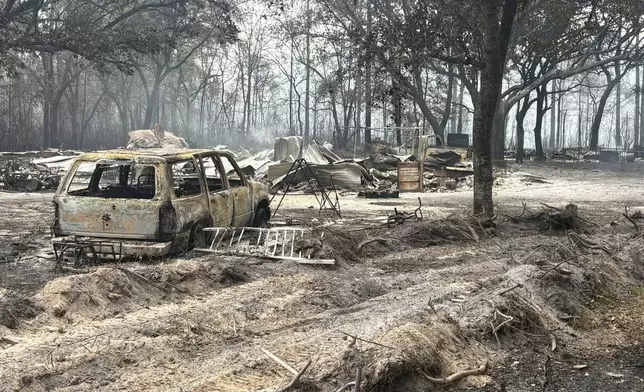
This photo provided by the Georgia Department of Natural Resources shows burned vehicles and trees from the Pineland Road Fire in southeast Georgia on Wednesday, April 22, 2026. (Georgia Department of Natural Resources via AP)
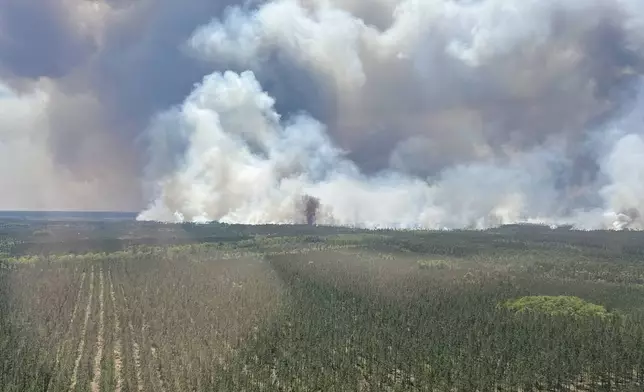
This photo provided by the Georgia Department of Natural Resources shows smoke fills the sky from the Pineland Road Fire in southeast Georgia on Wednesday, April 22, 2026. (Georgia Department of Natural Resources via AP)
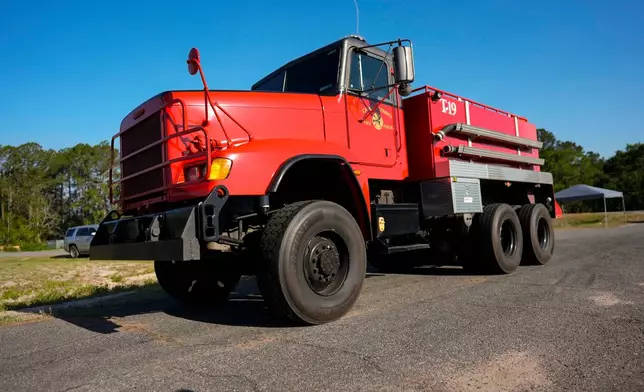
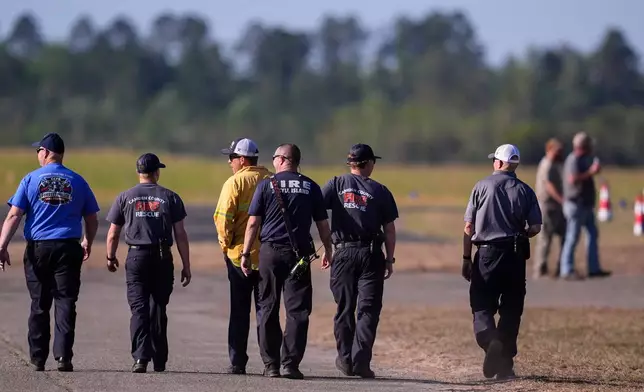
Fire crews and truck assemble at the Brantley County Airport as they work the Brantley highway 82 fire, Thursday, April 23, 2026, near Nahunta, Ga. (AP Photo/Mike Stewart)
Fire crews and truck assemble at the Brantley County Airport as they work the Brantley highway 82 fire, Thursday, April 23, 2026, near Nahunta, Ga. (AP Photo/Mike Stewart)
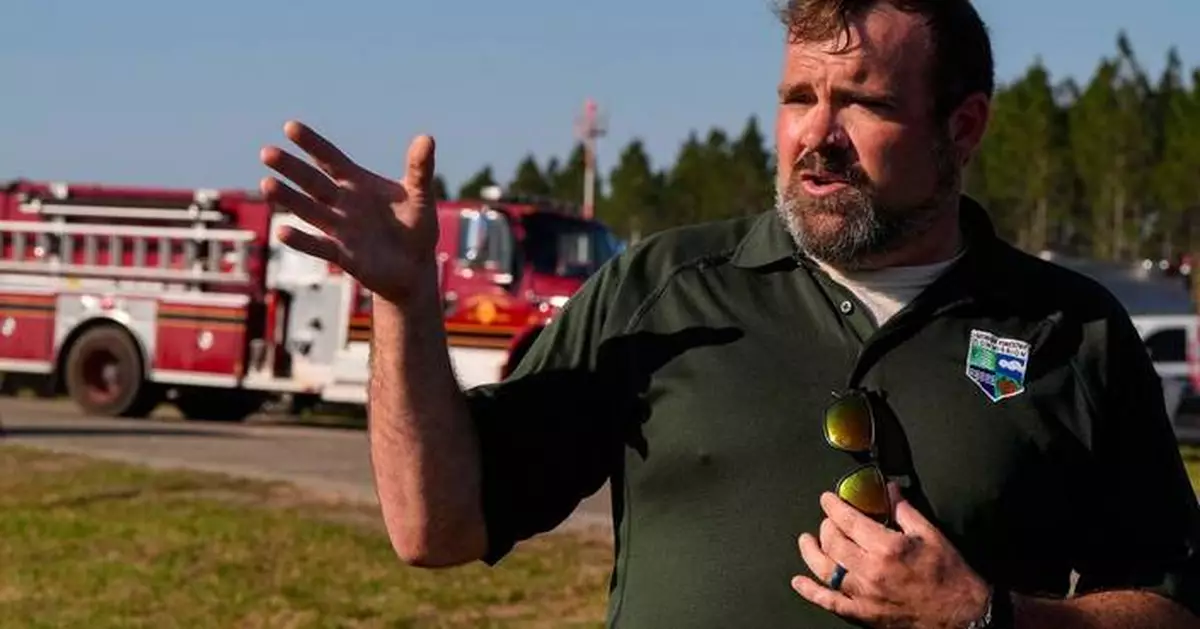
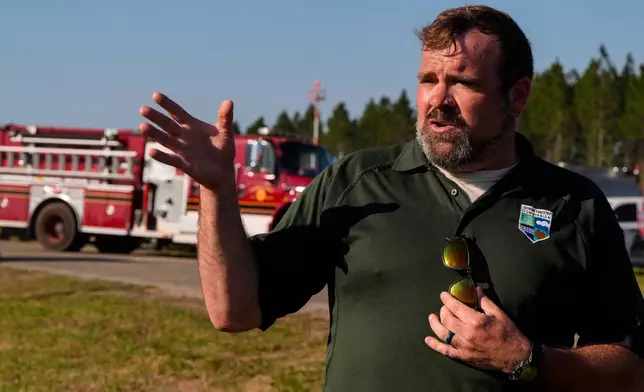
Seth Hawkins with the Georgia Forestry commision speaks to the media as fire crews and truck assemble at the Brantley County Airport as they work the Brantley highway 82 fire, Thursday, April 23, 2026, near Nahunta, Ga. (AP Photo/Mike Stewart)
Driven by strong winds and low humidity, the two biggest fires in southern Georgia have spread rapidly over the past two days and destroyed more than 50 homes in rural areas. But the growing threat led to more evacuations and school closings on Wednesday.
“I don’t know if I have a house standing or not,” said Denise Stephens, who was forced to evacuate because of the fast-moving Brantley County fire near Georgia's coast. "I know what it’s taken from other people, but I don’t know what I have left standing.”
The weather forecast Thursday appeared to warn of another high-risk day, with shifting winds that could send embers flying in all directions a major concern.
Fires were continuing to pop up across Georgia. Fire crews responded to 34 new and relatively small blazes on Wednesday, the Georgia Forestry Commission said. In Florida, firefighters were battling more than 130 wildfires, mostly in the state’s northern half.
Georgia officials say the wildfires are being fueled in part by fallen trees and limbs still on the ground since Hurricane Helene crossed the state’s southern region in September 2024.
“There’s a ton of old Hurricane Helene debris down in the woods,” said Seth Hawkins, a Georgia Forestry Commission spokesperson. “It’s laying around and it’s just a tinderbox out there.”
It was not known yet how the wildfires started, but the bottom half of Georgia and northern Florida are both extremely dry.
In Georgia, the Brantley County fire has caused much of the structural damage across 7 square miles (18 kilometers) but remained stable overnight, the sheriff’s office said Thursday.
“While this stability is encouraging, wind conditions remain unpredictable and could cause conditions to change rapidly,” according to the update, which said the blaze is about 15% contained.
Georgia's largest fire is burning in a mostly rural area of east of Valdosta and has continued to explode in size, covering 47 square miles (121 square kilometers) — twice the size of Manhattan.
Smoke from the wildfires was drifting across a large area of the Southeast, making the air unhealthy on Thursday for children and those with lung or heart problems in cities as far as Columbia, South Carolina. A haze hung over over Atlanta’s skyline a day earlier and there was a smoky smell across the metro area.
Associated Press writer Jeff Martin in Atlanta contributed.
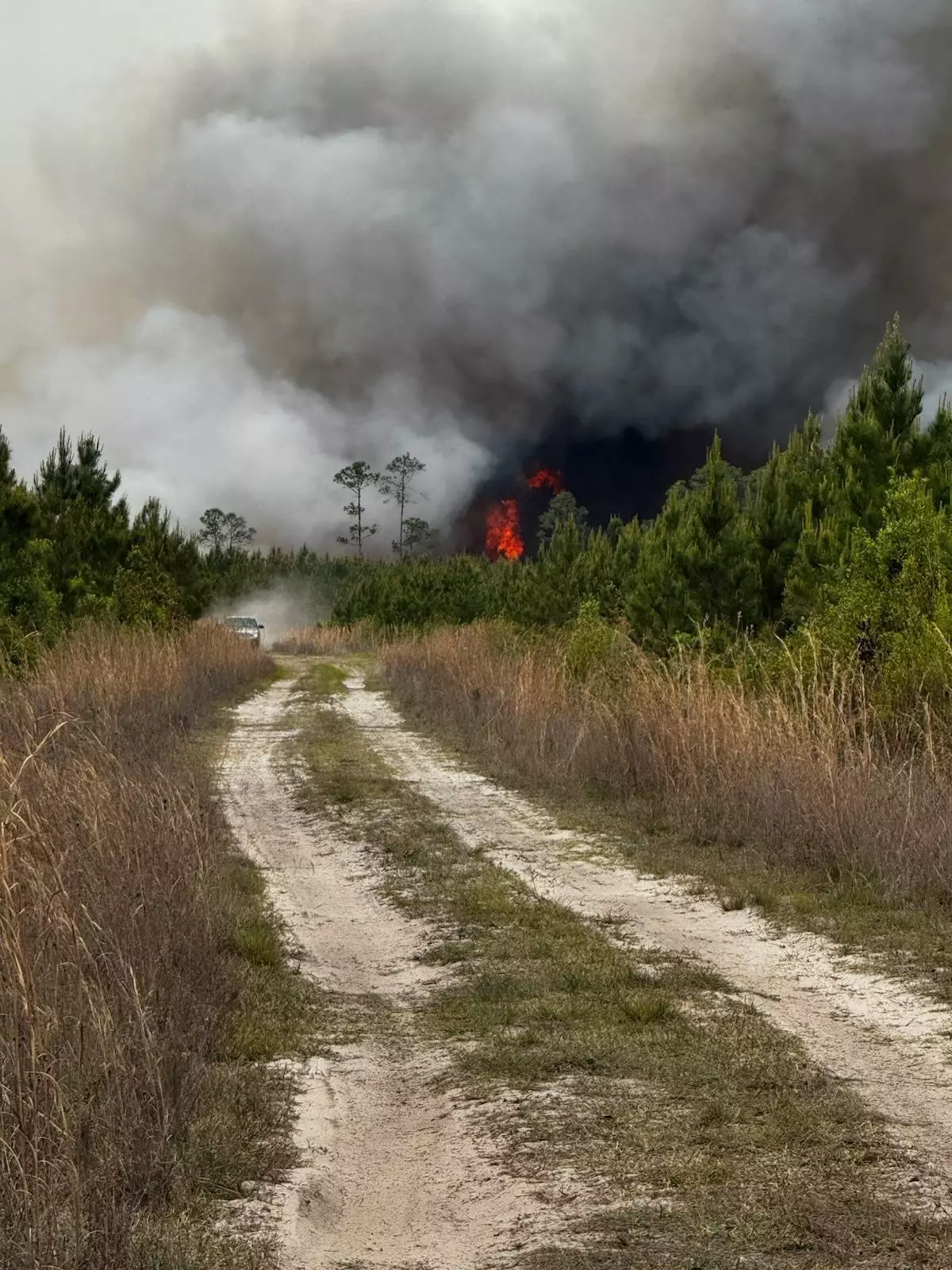
This photo provided by the Georgia Department of Natural Resources shows smoke fills the sky from the Pineland Road Fire in southeast Georgia on Wednesday, April 22, 2026. (Georgia Department of Natural Resources via AP)
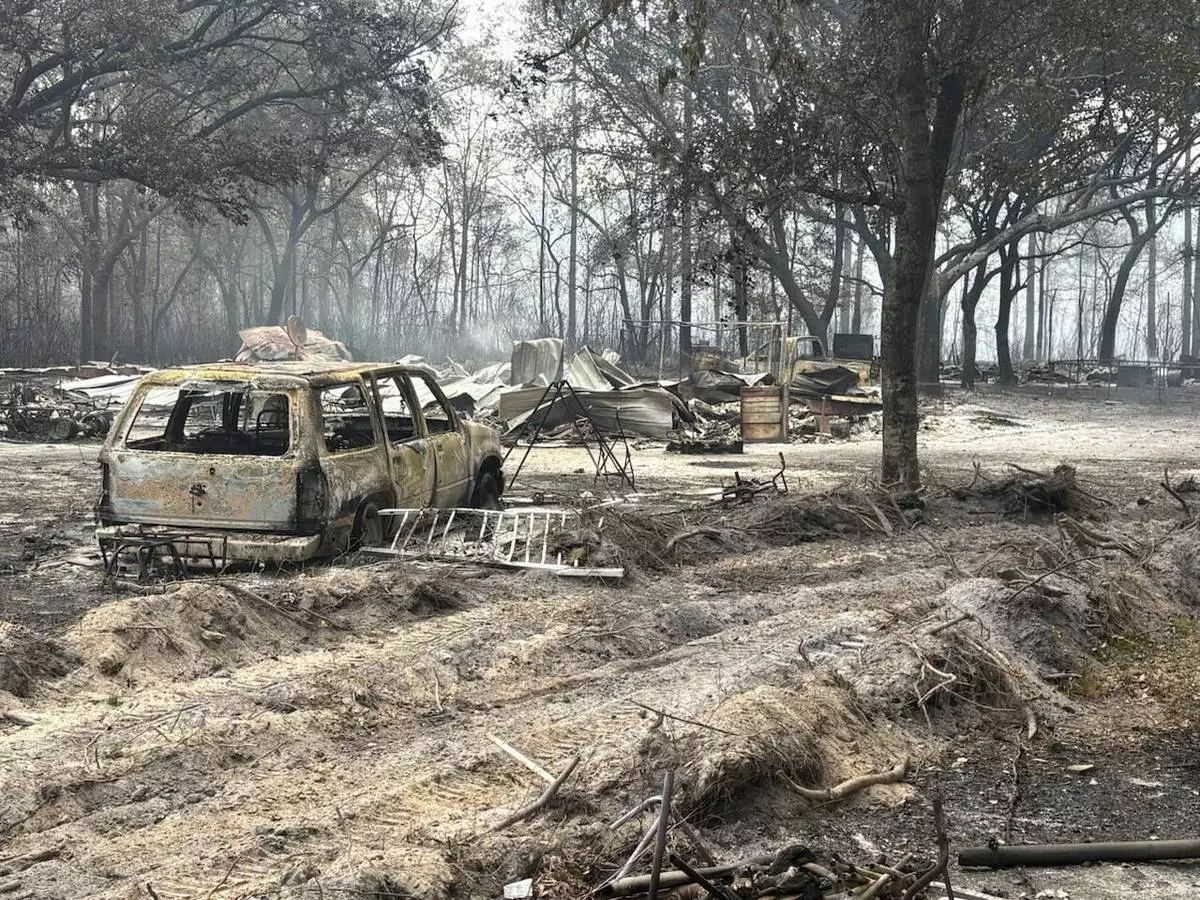
This photo provided by the Georgia Department of Natural Resources shows burned vehicles and trees from the Pineland Road Fire in southeast Georgia on Wednesday, April 22, 2026. (Georgia Department of Natural Resources via AP)
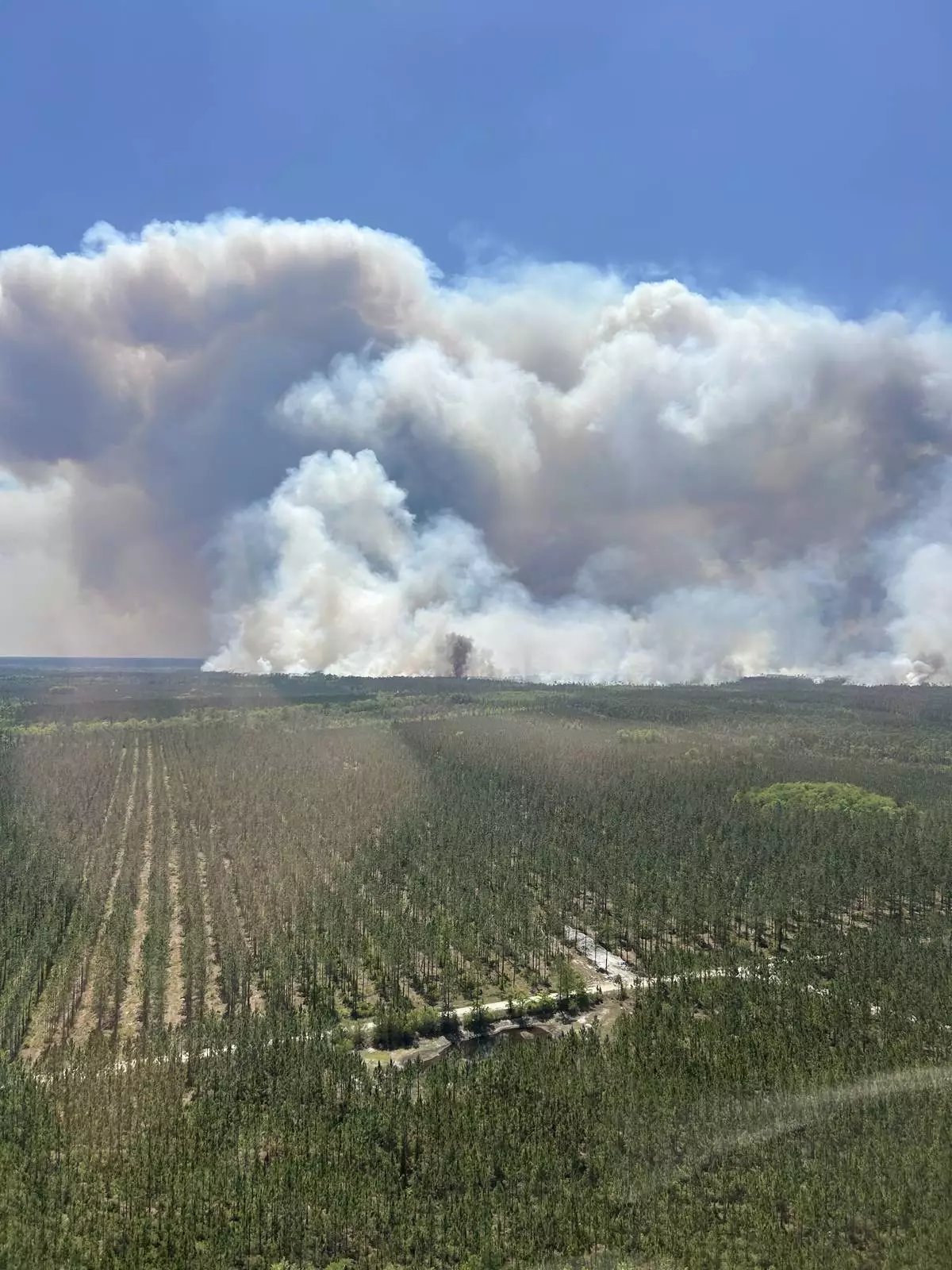
This photo provided by the Georgia Department of Natural Resources shows smoke fills the sky from the Pineland Road Fire in southeast Georgia on Wednesday, April 22, 2026. (Georgia Department of Natural Resources via AP)
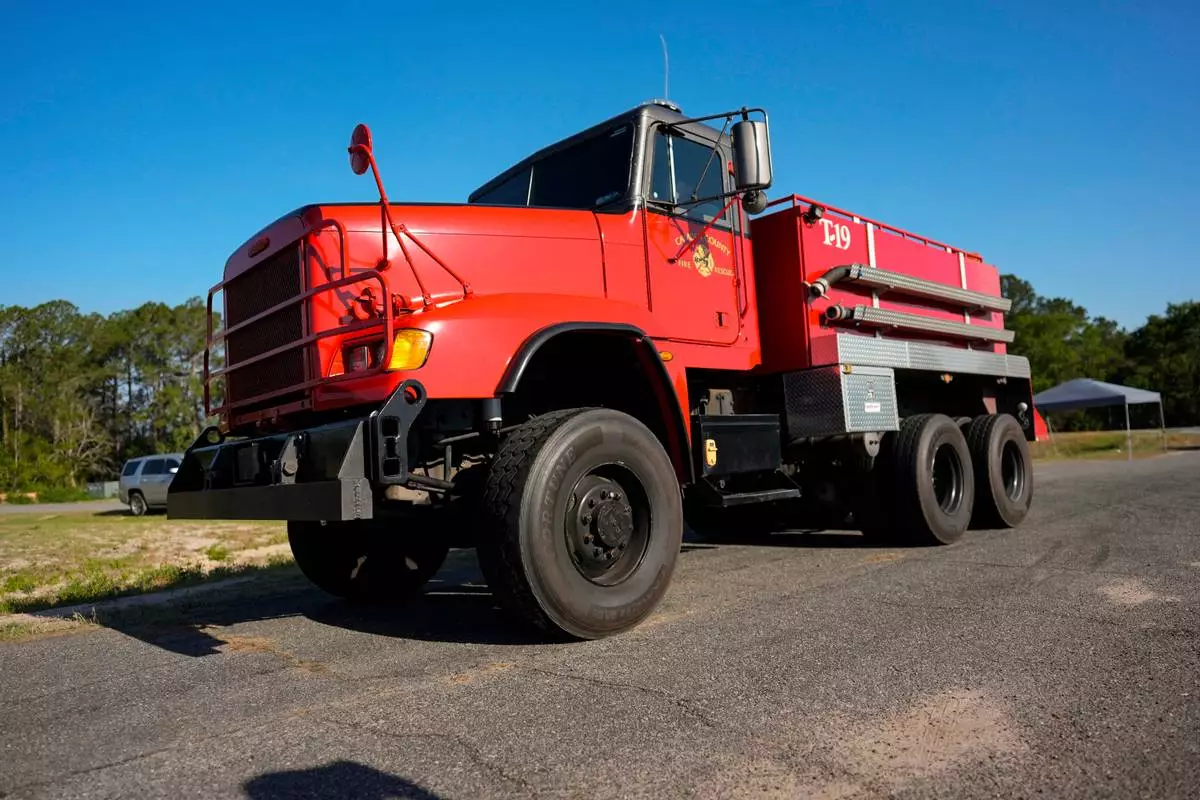
Fire crews and truck assemble at the Brantley County Airport as they work the Brantley highway 82 fire, Thursday, April 23, 2026, near Nahunta, Ga. (AP Photo/Mike Stewart)
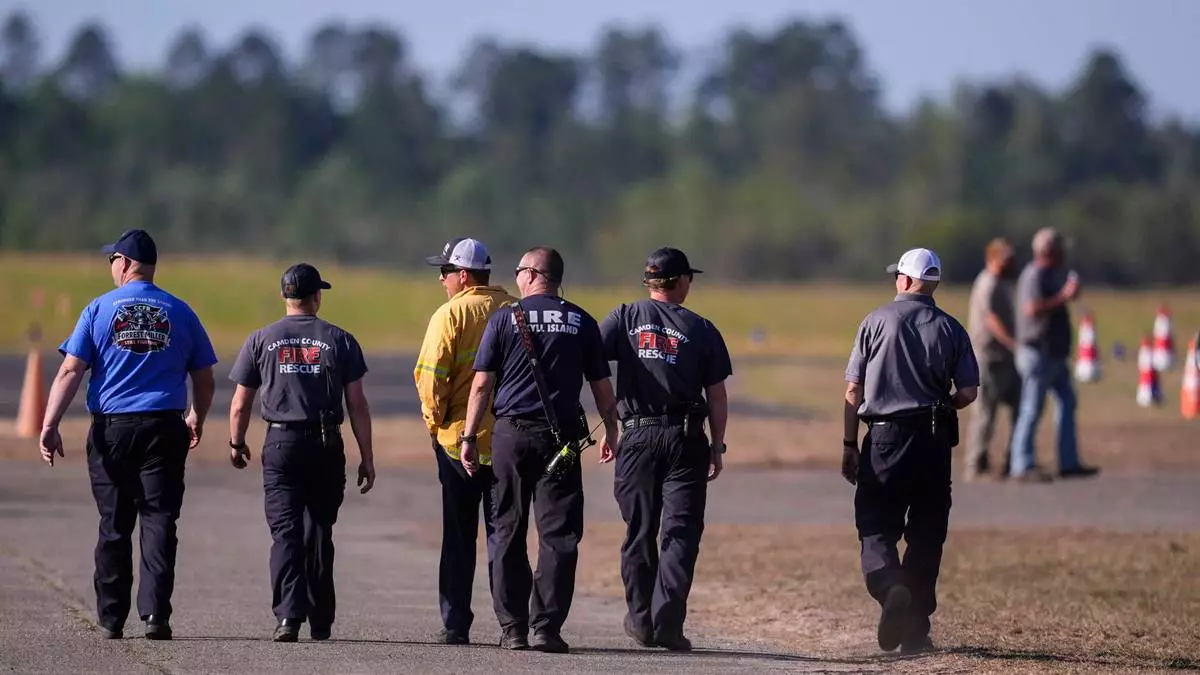
Fire crews and truck assemble at the Brantley County Airport as they work the Brantley highway 82 fire, Thursday, April 23, 2026, near Nahunta, Ga. (AP Photo/Mike Stewart)
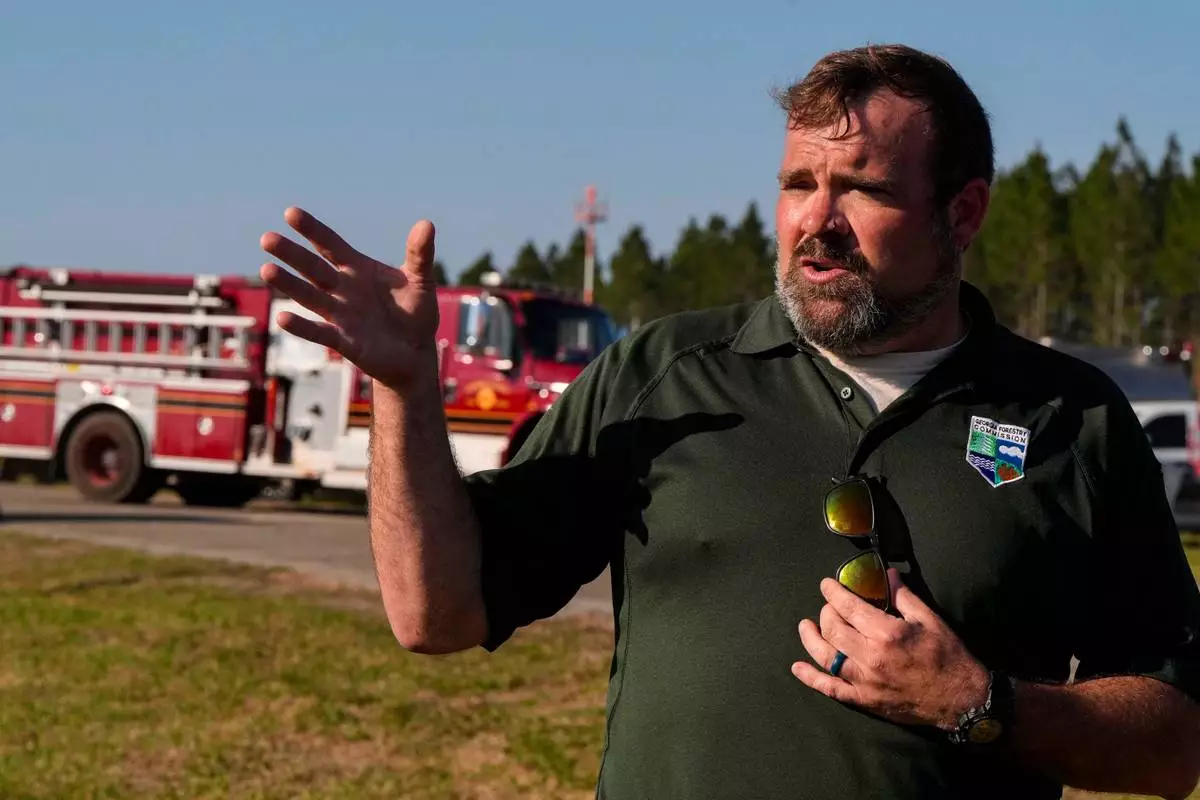
Seth Hawkins with the Georgia Forestry commision speaks to the media as fire crews and truck assemble at the Brantley County Airport as they work the Brantley highway 82 fire, Thursday, April 23, 2026, near Nahunta, Ga. (AP Photo/Mike Stewart)
WILLIAMSBURG, Va.--(BUSINESS WIRE)--Apr 23, 2026--
Speaking to industry leaders at a recent Index AR Solutions conference, Anthony W. Gagliardo, Ed.D. delivered a sobering message: the greatest threat to America’s energy future is not technology – it is workforce readiness.
This press release features multimedia. View the full release here: https://www.businesswire.com/news/home/20260423338171/en/
Drawing on decades of executive leadership in aerospace, aviation, nuclear energy and enterprise workforce transformation, Gagliardo framed the industry’s moment as a true crossroads where aging infrastructure, exponential technological change and a looming workforce crisis converge. Gagliardo formerly served as Vice President of Nuclear, Technical & Enterprise Learning at Xcel Energy and has held senior leadership roles at NASA’s Jet Propulsion Laboratory (JPL), the Federal Aviation Administration (FAA) and other major national institutions, where he has led transformative workforce modernization initiatives.
“Historic trends indicate that many of today’s companies will not survive today’s rate of exponential change, and likely won’t be in business in 15 to 20 years,” Gagliardo said. “It’s not a failure to innovate. It’s an inability to support and adapt to change.”
Infrastructure at a Crossroads
Gagliardo described an energy system under mounting strain. Much of the nation’s transmission infrastructure dates back to the 1950s and 1960s, even as electricity demand is now rising for the first time in decades. Utilities are being asked to expand capacity, modernize grids and maintain near-perfect reliability simultaneously. Electricity demand growth is accelerating, fueled in part by energy-intensive data centers, electrification and industrial reshoring.
“This is not optional,” Gagliardo said as he underscored the need for maintaining a well-trained, high performing workforce. “It must be taught, practiced and renewed – one leader, one crew and one shift at a time.”
The Talent Gap: A Strategic Risk
According to Brookings, the U.S. will need to hire 32 million new workers just in infrastructure and other construction-related occupations over the next decade. At the same time, global surveys show the vast majority of companies across multiple industries struggling to find skilled talent.
Within utilities, nearly six in ten employees have less than 10 years of experience, creating a compressed experience curve and widening knowledge proficiency gaps that must be addressed.
“Rather than a cyclical hiring issue, this is a long-term structural talent shortage,” said Gagliardo.
Gagliardo noted that this challenge mirrors workforce transitions he has helped lead in aviation and aerospace, including his work developing NASA JPL’s Future Workforce Destination 2025 Roadmap and transforming technical training systems for the FAA’s geographically dispersed workforce.
A New Model for Learning
Instead of relying solely on traditional classroom instruction or institutional memory, Gagliardo outlined a modern approach to workforce development built on adaptive curriculum pathways, immersive simulation, proficiency verification and learning integrated directly into workflow.
He challenged leaders to rethink how people gain experience, arguing that immersive, multimodal tools can accelerate proficiency, reduce safety risks and improve operational outcomes.
“The talent shortages we are facing require significant investment in human resources,” Gagliardo explained. “The multi-modal learning tools being developed and deployed by companies like Index AR Solutions are going to be key to how we solve these acute workforce challenges.”
Gagliardo suggested the companies that make the right investments get to a place where they develop a capability, a workforce and a proficiency, and then have the ability to replicate it – ultimately reducing unit cost.
Turning Risk into Opportunity
Another benefit of investing in workforce development offerings from Index AR Solutions is that utility executives are not continually competing for limited operations and maintenance (O&M) funding. Instead, they can rely on more stable capital allocations, enabling them to strategically scale their workforce and invest in critical infrastructure. This approach benefits energy customers by enabling greater performance and service of their rate-based infrastructure investment. Utilities also have significant opportunities to identify and leverage new funding streams that enhance operational performance, workforce safety and system reliability
Gagliardo encouraged organizations to evaluate whether their employee knowledge and proficiency strategies align with capital growth demands, resilience planning and rapidly changing technologies.
“We are approaching a huge opportunity,” Gagliardo said. “And it’s through the use of cognitive science and experiential learning techniques being brought to life by companies like Index AR Solutions that companies will reimagine the way they train and skill.”
To learn more about how Index AR solutions can help create a training curriculum roadmap, visit indexarsolutions.com.
About Index AR Solutions
Index AR Solutions partners with utilities, energy providers and enterprise organizations to design and deliver immersive, multimodal workforce development solutions that accelerate proficiency, improve safety and protect operational continuity in an era of exponential change. For more information, visit indexarsolutions.com.
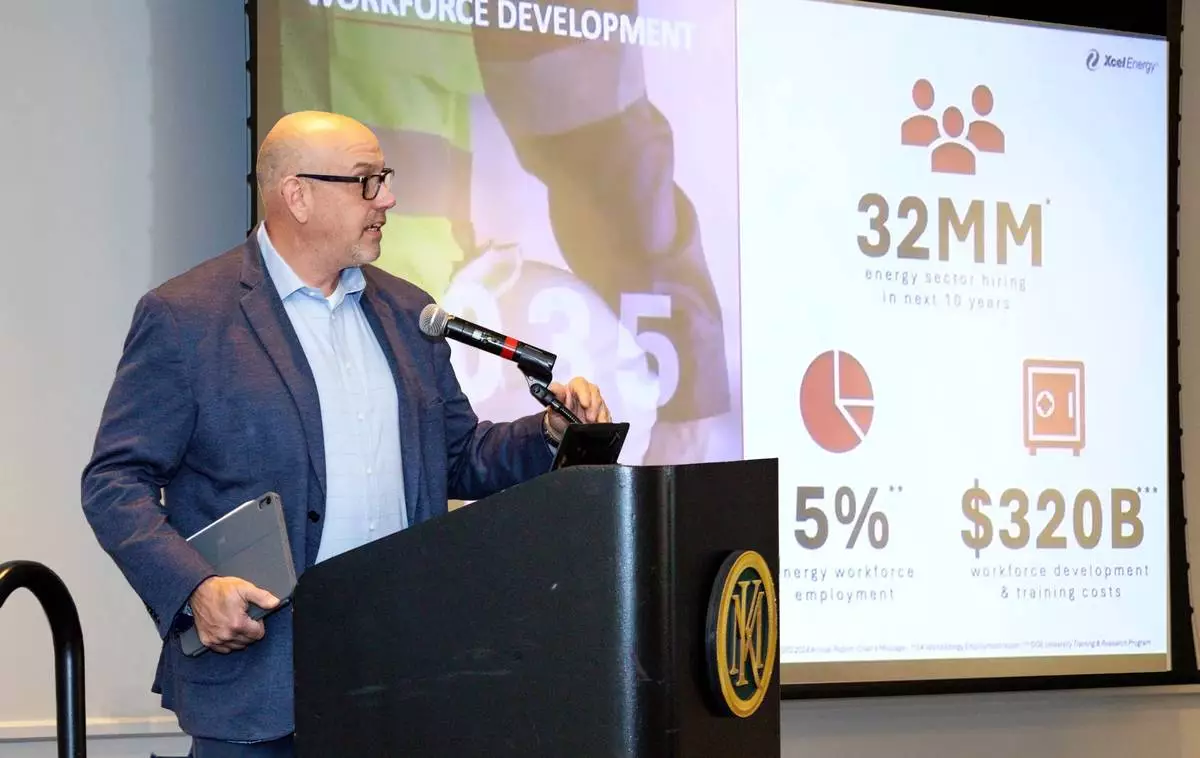
Dr. Anthony W. Gagliardo, Ed.D. addresses industry leaders at an Index AR Solutions conference, highlighting the critical workforce development challenges shaping the future of the energy industry.