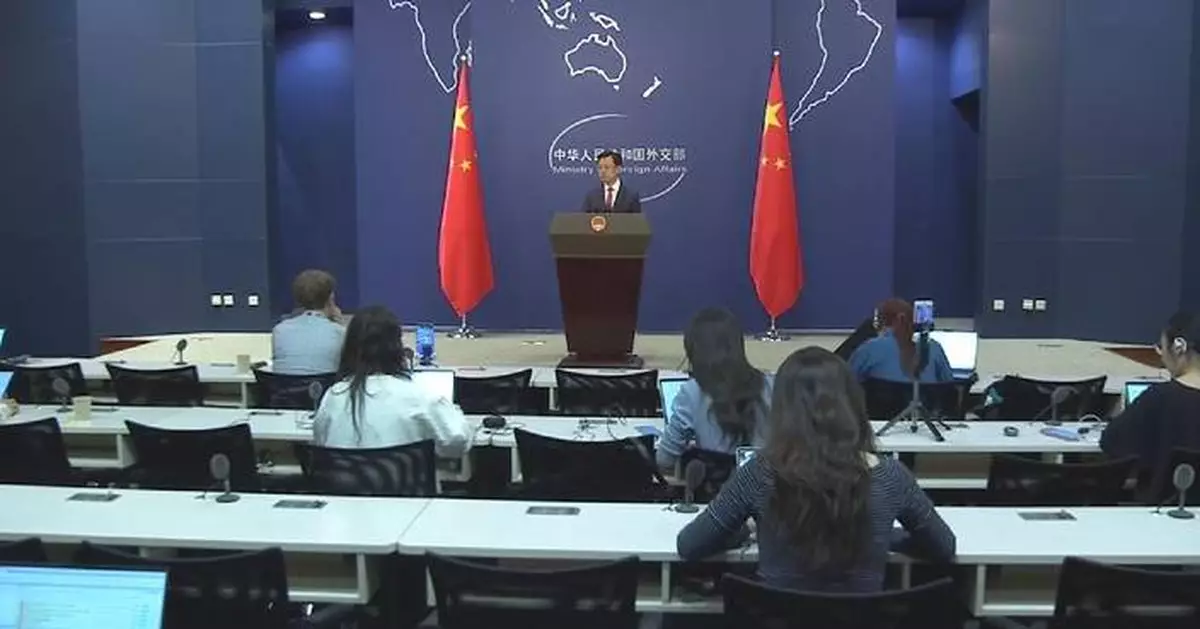
China firmly opposes U.S. smear and defamation against its development achievements in the artificial intelligence (AI) industry, urging the U.S. side to stop technological coercion, Foreign Ministry spokesman Guo Jiakun said at a press briefing in Beijing on Friday.
In response to a question about U.S. accusations of China "stealing" intellectual property from the U.S. AI labs, Guo said, "The relevant claims made by the U.S. side are completely groundless and are a smear and defamation of China's achievements in its AI industry.China firmly opposes this."
"We urge the U.S. side to respect facts, discard bias, stop technological coercion against China, and do more things that are conducive to sci-tech communication and cooperation between the two countries," Guo said.
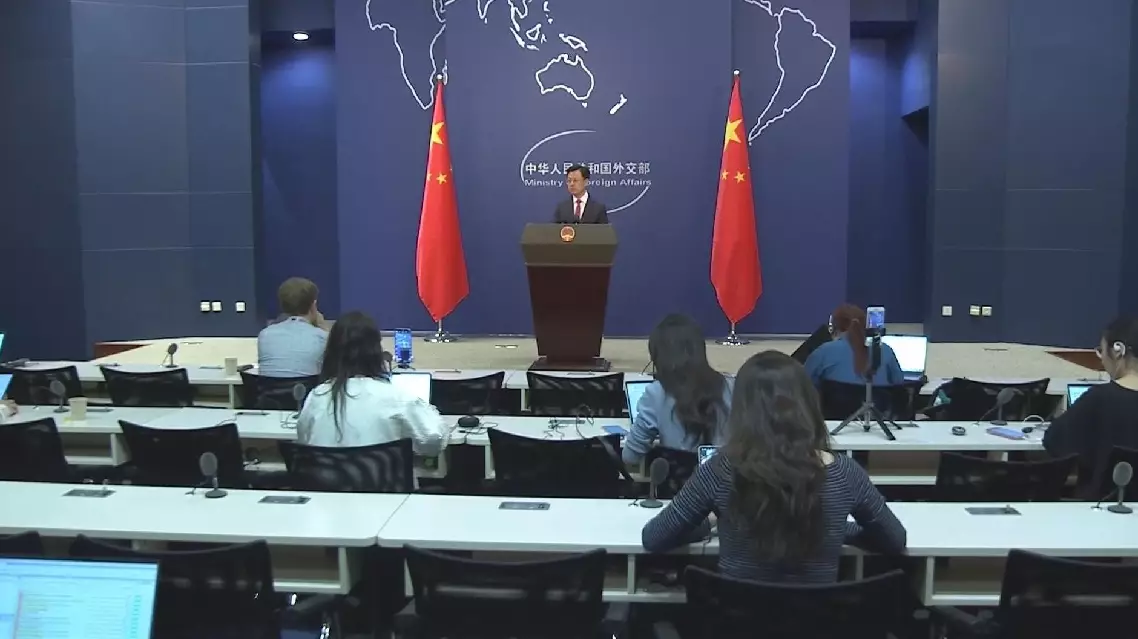
China urges US to stop tech coercion: spokesman
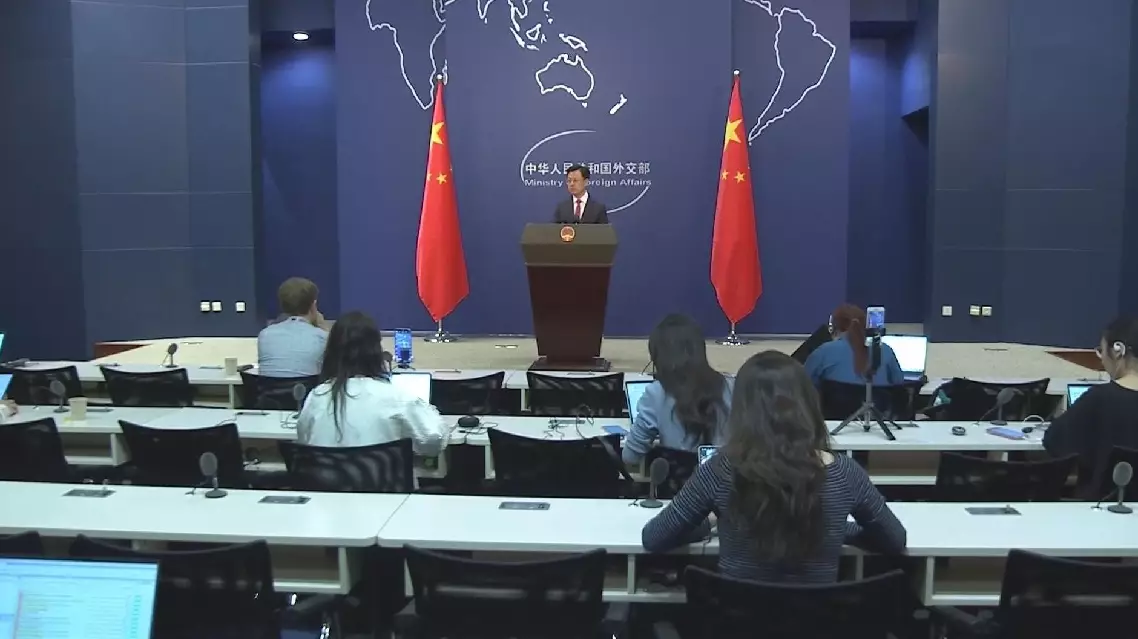
China urges US to stop tech coercion: spokesman
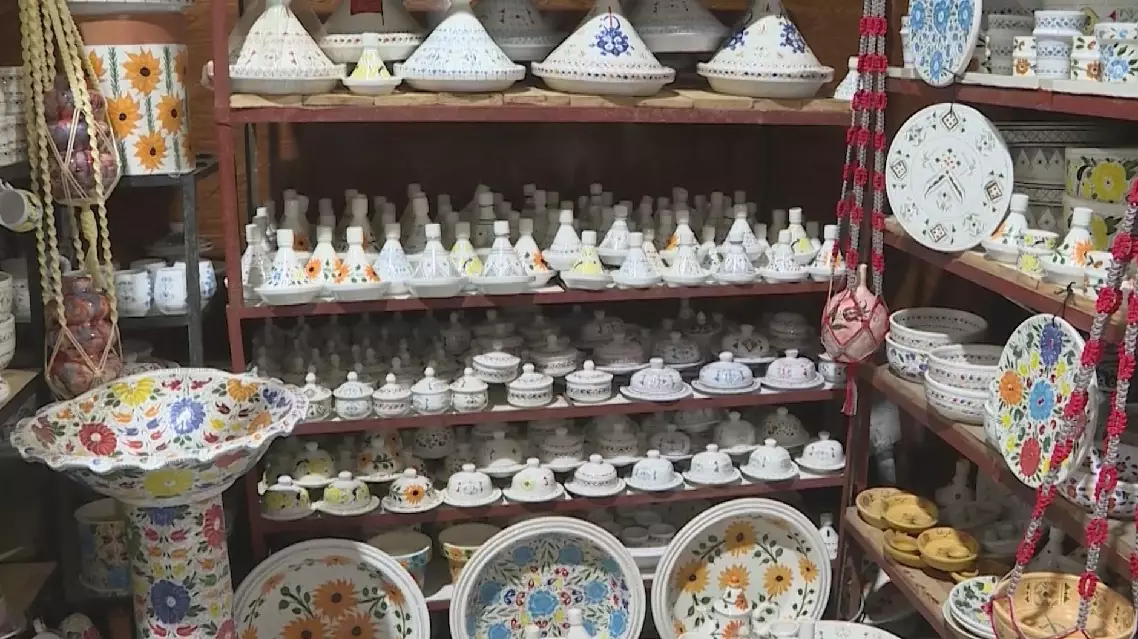
China's planned removal of tariffs on African products has opened an unprecedented opportunity for Moroccan potters, who are already adapting their ancestral craftsmanship to win over the Chinese market.
China will implement zero-tariff measures for 53 African countries with which it has diplomatic relations, starting May 1, 2026.
In a local pottery market in Rabat, Morocco's capital, artisans are busy fulfilling orders for decorated plates, colorful tagines, and handcrafted vases, hoping that the tariff elimination will further ease their access to China's vast consumer market.
"Pottery has a rich history, and we are committed to preserving this traditional craft. What keeps us going is the support of customers from Morocco and abroad. With the recent opening of the Chinese market and the possibility of exporting our products tariff-free, our creations can now reach that immense market, something that truly delights us," said Youssef El Rahamli, a Moroccan artisan and exporter.
For him, opening up to China represents a significant milestone. Foreign demand has allowed him to increase production and hire more workers. In his workshop, several young people are now working to shape and decorate pieces destined for export.
According to Rahamli, the zero-tariff policy could reduce costs and make Moroccan pottery more competitive, offering new income opportunities for local artisans.
Economists say they believe that easier access to the Chinese market could create new opportunities for Morocco's traditional industries.
"So I believe this measure presents real opportunities for Moroccan companies, because it will enhance the competitiveness of exporters. There will surely be an increase in export volumes, particularly for agricultural products, phosphates and their derivatives, industrial goods, and artisanal products. But all of this depends on Moroccan exporters' ability to improve their offerings and services, diversify exports, and move toward high-value-added exports. And, of course, it is also important to adopt a digital-focused trade strategy and strengthen their presence at trade fairs in China to reach Chinese consumers," said Khalid Achibane, a Moroccan economic expert.
China's tariff removal opens door for Moroccan potters