The meeting between Pakistani Prime Minister Muhammad Shehbaz Sharif and Iranian Foreign Minister Seyed Abbas Araghchi was held in Islamabad on Saturday, according to the Prime Minister's Office.
The office said Pakistani Deputy Prime Minister and Foreign Minister Mohammad Ishaq Dar and Chief of Army Staff Field Marshal Syed Asim Munir also attended the meeting.
Pakistani and Iranian officials held a series of meetings on Friday and Saturday following the arrival of the Iranian delegation led by Araghchi, focusing on proposals related to potential talks between Iran and the United States, sources from Pakistan said on Saturday.
The sources added that Iran emphasized their terms and proposals during the talks while vowing to remain engaged to set a future course of diplomatic engagement to end the conflict.
A high-level meeting was held late Friday night in which the Iranian side shared its position on key demands as well as responses to proposals conveyed by the United States, said the sources.
Pakistani officials, acting as mediators, delivered messages from Washington, after which the Iranian delegation presented its views before concluding the session.
The discussions continued on Saturday, with the Iranian delegation engaging in multiple rounds of meetings with the Pakistani mediators to review responses from both sides and assess possible next steps, added sources.
Sources said the Iranian side appreciated Pakistan's leadership for its "untiring and sincere efforts" aimed at promoting peace and stability in the region.
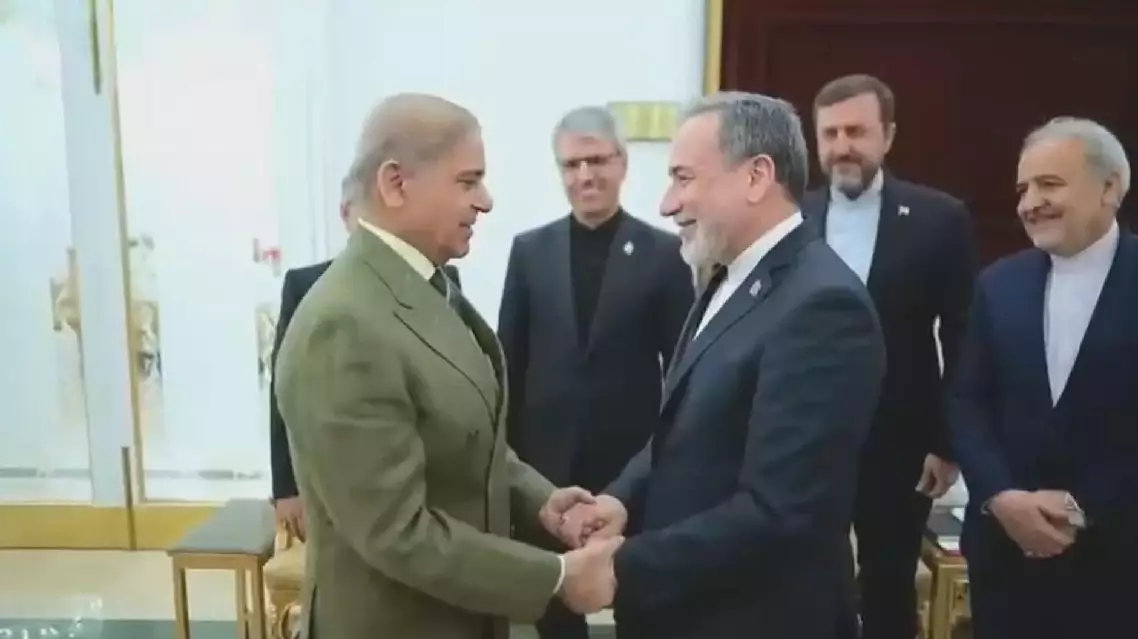
Pakistani PM, Iranian FM hold talks in Islamabad
A delegation of journalists visited Shenzhen on Thursday, where the 33rd Asia-Pacific Economic Cooperation (APEC) Economic Leaders' Meeting will be held in November, to gain a firsthand look at how the southern Chinese city has transformed into a global hub of innovation.
From test-driving electric vehicles to exploring cutting-edge technologies, the visit offered both excitement and insight.
The journalists from the APEC economies were particularly impressed by the tour inside the headquarters of Chinese EV giant BYD, which has already gained popularity in several APEC markets.
The journalists were eager to experience the latest models not yet available in their home countries.
"When you punch the gas and directly go, and it's so smooth, and no bumps, and no everything. The specific reason why I need to try this is because I think we need these kind of cars that can punch through floods or the water. Because in Indonesia, there are so many floods and disasters everywhere, and it's happening more often," said Luki Aulia, a journalist at Kompas (Indonesia).
Beyond the products themselves, attention also turned to the broader ecosystem behind China's technological rise.
"I think BYD does not just produce electric vehicles, but builds a strong and complete ecosystem, from batteries to final assembly. As a Malaysian, I hope our country can invest more in technology to build out country more technological and futuristic," said Abu Hassan Mohd Ridzuan, a journalist from Sinar Harian (Malaysia).
Mia Gu, deputy director of BYD Branding and PR Division, stressed that the group is introducing China’s experience to the world.
"We've already made a lot of improvements, like we produced our fast charging, the mega-charging, that can charge a car in 5 minutes, in 7 minutes or in 12 minutes. So what we can do is to bring our experience in China, and to leverage those experiences internationally," said Gu.
Following the visit to BYD, a thematic dialogue was held, bringing together officials, experts and business leaders to discuss innovation, industrial upgrading and opportunities for international cooperation.
Experts highlighted the speed of China's development.
"What most impressed me is that changes here are too fast. Comparatively speaking, other East Asian economies, like Japan, South Korea and Singapore, are able to upgrade their industries every 10 years. But we are much faster. We are able to upgrade the industries in less than 10 years," said Zheng Yongnian, a renowned Chinese economist.
"I think the most important thing is you need a government that knows how to walk into the future, not just formulating policies, you need to realize them. That's why Shenzhen has been transformed, not just all at once, it transforms gradually, in each step, from a low-intensive labor area into one of the most advanced areas," said Disthan Kornkit, a journalist at Thai news outlet The Better.
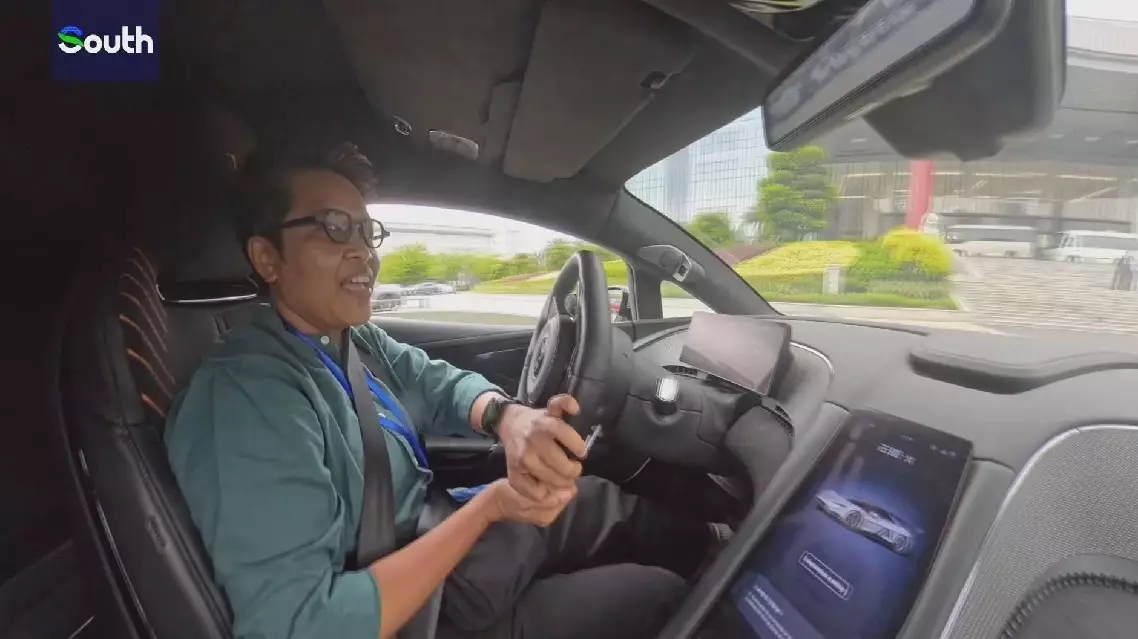
Int’l journalists in Shenzhen marvel at China's innovation, rapid upgrading