JERUSALEM (AP) — Palestinian authorities said Sunday that local elections in a single Gaza community and the Israeli-occupied West Bank were a success and called them a step toward a long-delayed presidential election in the territories and eventual statehood.
The Palestinian Authority, which administers semiautonomous areas of the West Bank but is left out of the U.S.-drafted ceasefire plan for Gaza, has described Saturday’s local election in central Gaza’s Deir al-Balah as a largely symbolic pilot while the authority seeks to politically link the territories.
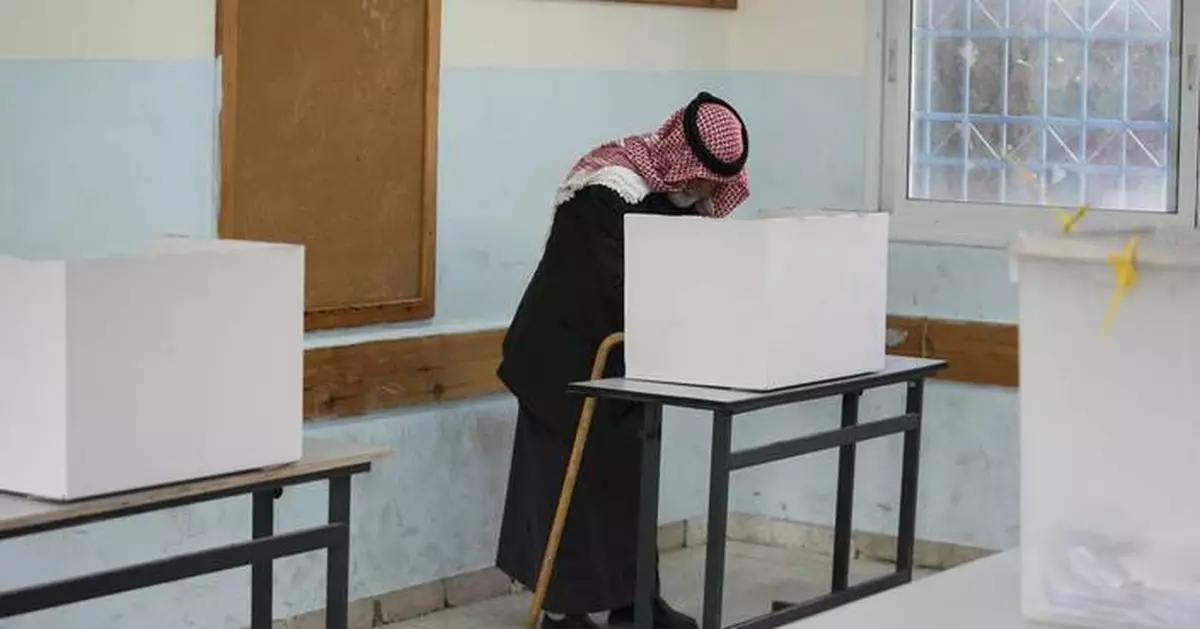
It was the first election in part of Hamas-run Gaza in more than two decades. Deir al-Balah, like much of the territory, is devastated by two years of war but was spared an Israeli ground invasion. Turnout there was 23%, but officials cited challenges including large-scale displacement and outdated civil registry records.
Hamas, which controls the half of Gaza that Israel withdrew from last year under the current ceasefire, did not field candidates and did not try to block the vote.
Turnout in the West Bank elections was 56%, or over a half-million people, not dramatically different from elections there in recent years.
Many races were not contested, and candidates were required to accept the program of the Palestine Liberation Organization, which leads the Palestinian Authority. The program calls for the recognition of Israel and renouncing armed struggle, effectively sidelining Hamas and other factions.
Election results, then, were dominated by independents and Fatah, the faction that leads the authority and claimed victory.
“Everyone is aware of the political, security and economic conditions, the fragmentation of Palestinian territory, the war on Gaza, and the regional conflict in Iran,” Rami Hamdallah, chair of the Ramallah-based Central Election Commission and a former prime minister, told journalists.
“Simply holding the elections in Deir al-Balah is a significant achievement, and we hope to hold elections in other bodies across the Gaza Strip in the near future,” he said.
The elections in both territories were for the makeup of local councils tasked with overseeing water, roads and electricity.
The elections were the first to take place since reforms were enacted in response to international pressure. Elections now allow voting for individuals rather than slates. With faith in political parties low, they were less important than families and clans in campaigning.
Hamdallah called the vote a reflection of national unity, adding that “we hope that presidential and legislative elections will follow.”
The Palestinian Authority, however, has not held a presidential election in 21 years, and support for it and Palestinian President Mahmoud Abbas has withered during years of corruption and frustration over the sometimes violent advances of Jewish settlers in the West Bank.
The Palestinian Authority is the internationally recognized representative of the Palestinian people. It was ousted from Gaza after Hamas won parliamentary elections in 2006 and violently seized control. Abbas, 90, was elected to what was supposed to be a four-year term in 2005. The authority has not held presidential or legislative elections since 2006.
Prime Minister Mohammad Mustafa called Saturday’s elections “another step on the path to full independence.” Israel under Prime Minister Benjamin Netanyahu, however, opposes a Palestinian state.
Many Palestinians want more than local votes as they seek a greater say in their future.
“Municipal elections are an important step, but they are not enough. ... We want general elections,” Bashar Masri, a prominent Palestinian-American business owner, said on social media.
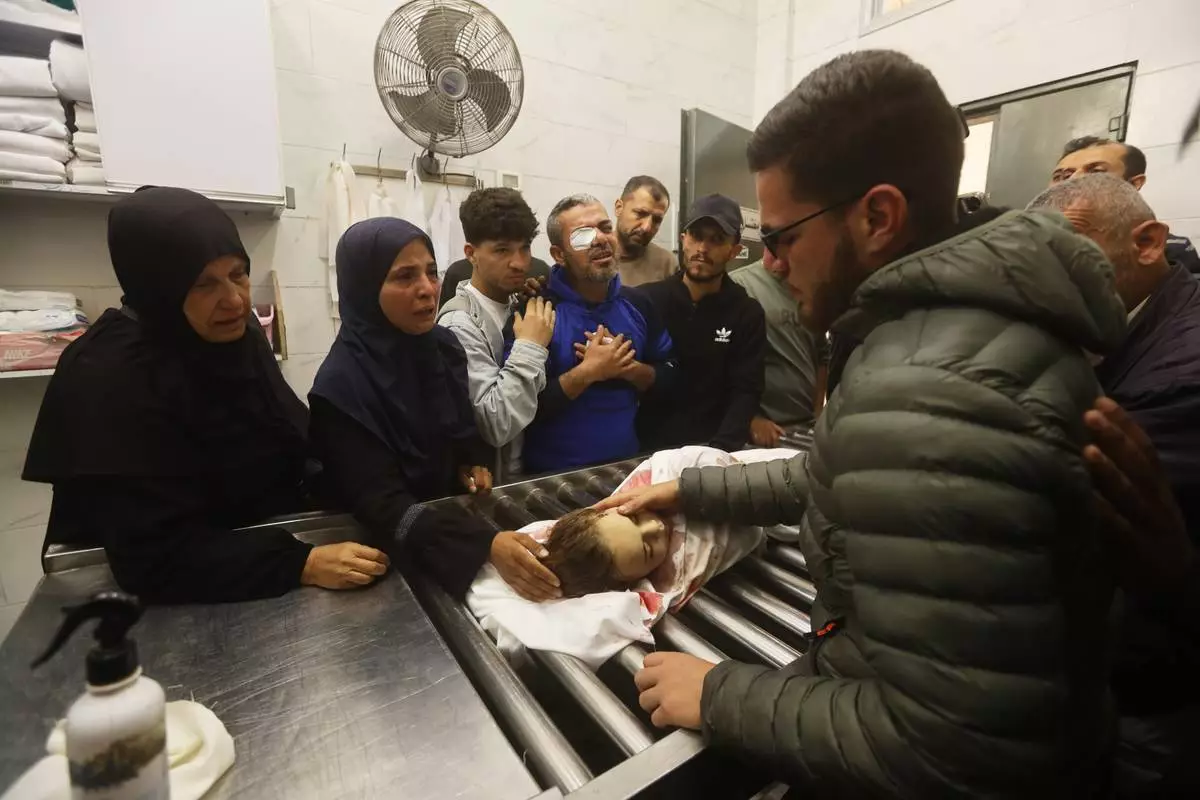
Palestinians mourn over Naya Al-Tanani, killed in an Israeli strike, at Al-Shifa Hospital in Gaza City, Saturday, April 25, 2026. (AP Photo/Yousef Alzanoun)
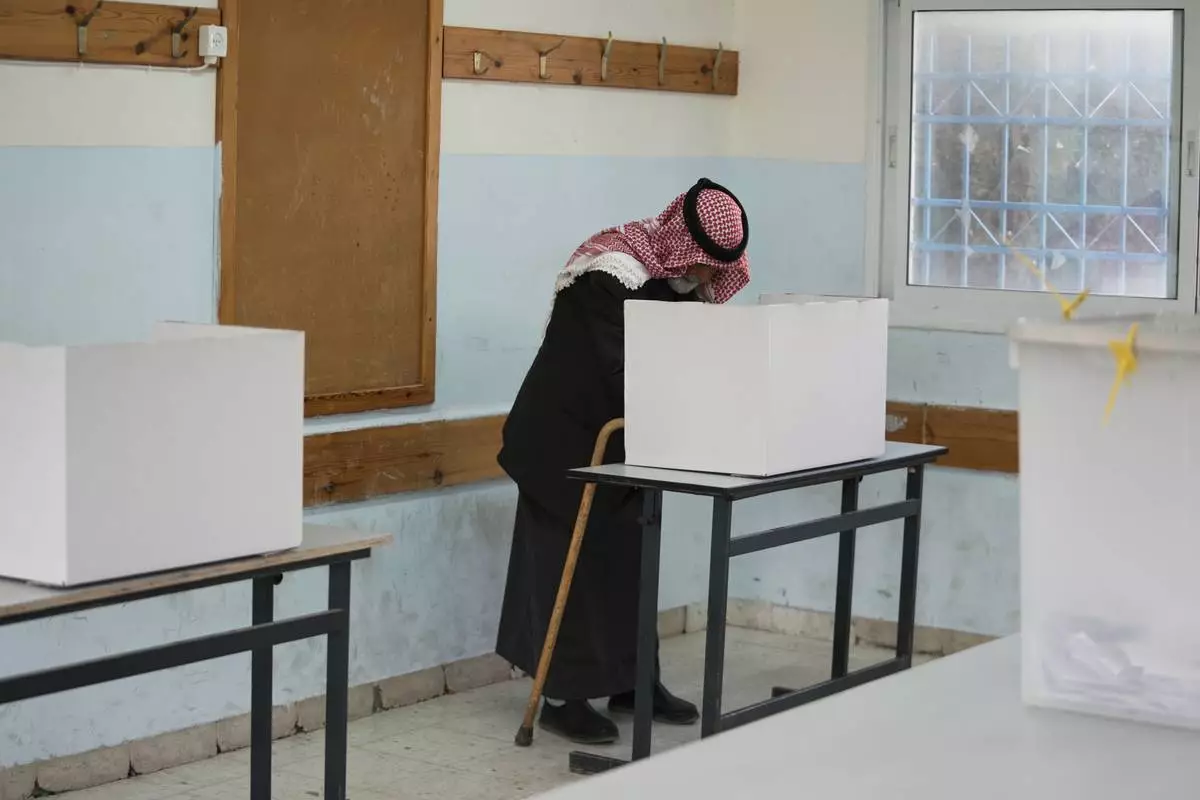
A Palestinian man votes in local elections, the first in two decades in Gaza and the first in the occupied West Bank since the start of the Israel-Hamas war in Al-Ubaidiya, West Bank, Saturday, April 25, 2026. (AP Photo/Mahmoud Illean)
ISLAMABAD (AP) — Iran 's foreign minister briefly visited Islamabad again on Sunday as Pakistan's political and military leadership scrambled to reignite ceasefire negotiations between Tehran and Washington, but President Donald Trump said they could talk by phone instead.
Abbas Araghchi had left Pakistan’s capital late the previous day, creating confusion around an expected second round of talks there, but he returned before continuing on to Moscow on Sunday, Iranian state media said. He had been in Oman, which previously mediated talks and is on the other side of the strategic Strait of Hormuz.
The White House last week said it would dispatch envoys Steve Witkoff and Jared Kushner to Islamabad to follow up on historic face-to-face talks earlier this month. But shortly after Araghchi's departure Saturday, Trump said he had called off the mission because of a lack of progress with Iran.
“If they want, we can talk but we’re not sending people," Trump told Fox News on Sunday. He said earlier on social media: “All they have to do is call!!!”
Indirect talks between the two sides were ongoing, two Pakistani officials said, speaking on condition of anonymity because they were not authorized to speak to the media.
Trump last week indefinitely extended the ceasefire that U.S. and Iran agreed to on April 7 that has largely halted the fighting that began with joint U.S.-Israeli strikes on Feb. 28. But a permanent settlement remains elusive in the war that has killed thousands of people and shaken the global economy.
A standoff remained on in the Strait of Hormuz, a vital global waterway through which one-fifth of the world’s oil typically travels, as Iran has restricted movement through it and the U.S. enforces a blockade of Iranian ports.
Iran wants to persuade Oman to support a mechanism to collect tolls from vessels passing through the strait, through which a fifth of the world’s oil flows in peacetime, according to a regional official who spoke on condition of anonymity because he was not authorized to discuss the matter.
Oman’s response wasn’t immediately clear.
The official, who is involved in mediation efforts, also said Iran insists on ending the U.S. blockade before a new round of talks and that Pakistan-led mediators are trying to bridge significant gaps between the countries.
Araghchi also spoke by phone with counterparts in Qatar and Saudi Arabia on Sunday.
Even before Saturday’s developments, Iran’s foreign ministry said any talks would be indirect and Pakistani officials would act as go-betweens, reflecting Tehran's wariness after rounds of indirect talks last year and earlier this year ended with Iran being attacked by the U.S. and Israel.
The economic fallout is growing two months into the war as global shipments of oil, liquefied natural gas, fertilizer and other supplies are disrupted by the near-closure of the strategic strait.
Both sides have continued to make military threats. Iran’s joint military command on Saturday warned that “if the U.S. continues its aggressive military actions, including naval blockades, banditry, and piracy” it will face a “strong response.”
Trump last week ordered the military to “shoot and kill” small boats that could be placing mines in the waterway.
Trump told journalists on Saturday, before a security incident at the White House Correspondents' Dinner, that within 10 minutes of him canceling Witkoff and Kushner’s trip to Islamabad, Iran sent a “much better” proposal.
He did not elaborate but stressed that one of his conditions is that Iran “will not have a nuclear weapon.” The status of Iran's enriched uranium has long been at the center of tensions. Tehran has 440 kilograms (972 pounds) of uranium enriched to 60% purity, a short, technical step from weapons-grade levels, according to the U.N. nuclear watchdog agency.
Syed Mohammad Ali, an independent political analyst in Pakistan, said the delay in the talks must not be seen as a setback and that indirect talks were progressing. He said tensions between Washington and Tehran cannot be eased overnight and the negotiation process requires patience.
"But the good thing is that the ceasefire is holding, and both sides have a desire to end the conflict in a way that does not backfire at home,” Ali said.
Since the war began, at least 3,375 people have been killed in Iran and at least 2,509 people in Lebanon, where the Israel-Hezbollah fighting resumed two days after the Iran war started.
Also, 23 people have been killed in Israel and more than a dozen in Gulf Arab states. Fifteen Israeli soldiers in Lebanon, 13 U.S. service members in the region and six U.N. peacekeepers in southern Lebanon have been killed.
Another ceasefire — between Israel and the Iranian-backed Lebanese militant Hezbollah group — has been extended by three weeks. Hezbollah has not participated in the Washington-brokered diplomacy.
Oil prices rose when the market opened Sunday as traders absorbed the news of the stalled ceasefire talks.
West Texas Intermediate, the U.S.-produced light, sweet crude, was selling for $96.50 a barrel Sunday, up 2% since the market closed on Friday. The price was 44% higher than before the start of the Iran war, when oil was selling for about $67 a barrel.
Brent crude, the international standard, was trading at $107.75 per barrel Sunday, up about 3% since Friday and 48% since the war began, when oil was selling for $72 a barrel.
Oil prices have risen steadily since the war began and tankers full of crude became stranded in Persian Gulf, unable to safely transit through the Strait of Hormuz.
Magdy reported from Cairo and Lidman from Jerusalem. Associated Press writers Will Weissert in Washington and Cathy Bussewitz in New York contributed to this report.
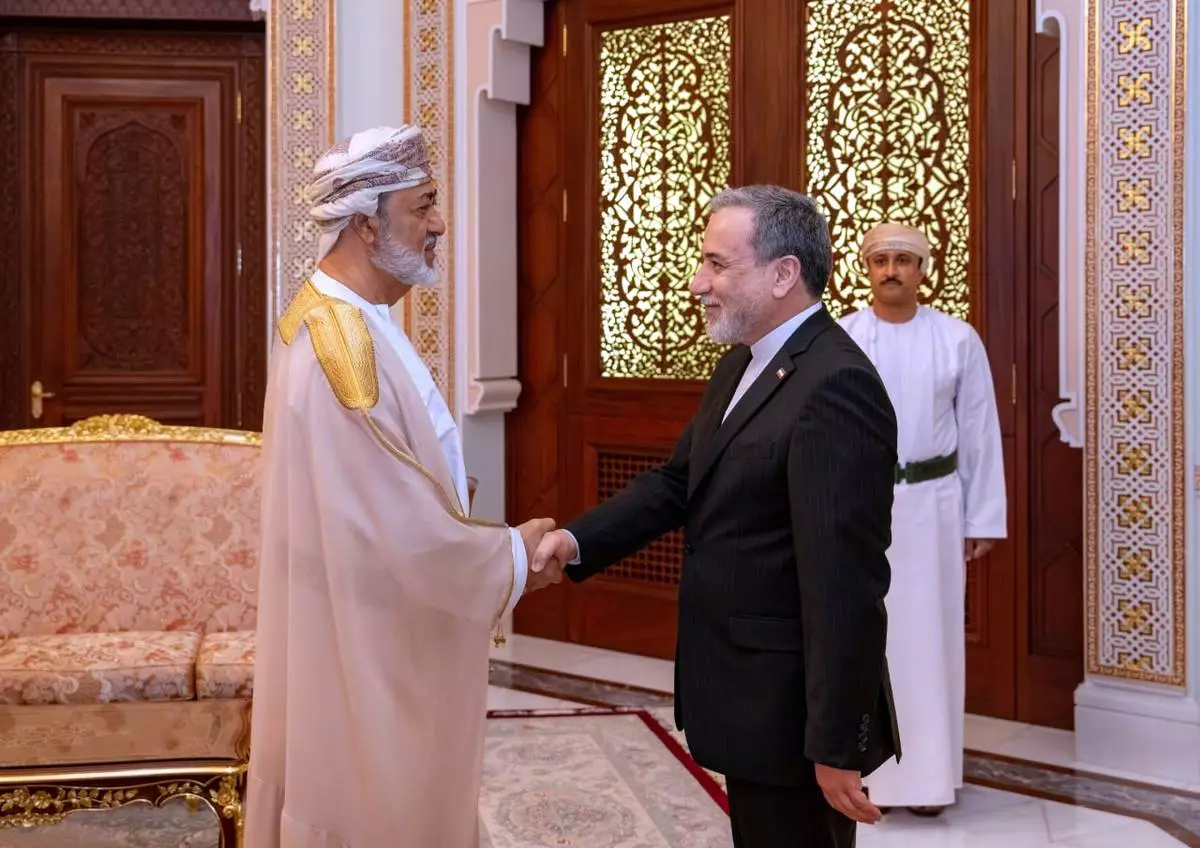
In this photo released by the Iranian Foreign Ministry, Iranian Foreign Minister Abbas Araghchi, right, shakes hands with Oman's Sultan Haitham bin Tariq during their meeting, in Muscat, Oman, Sunday, April 26, 2026. (Iranian Foreign Ministry via AP)
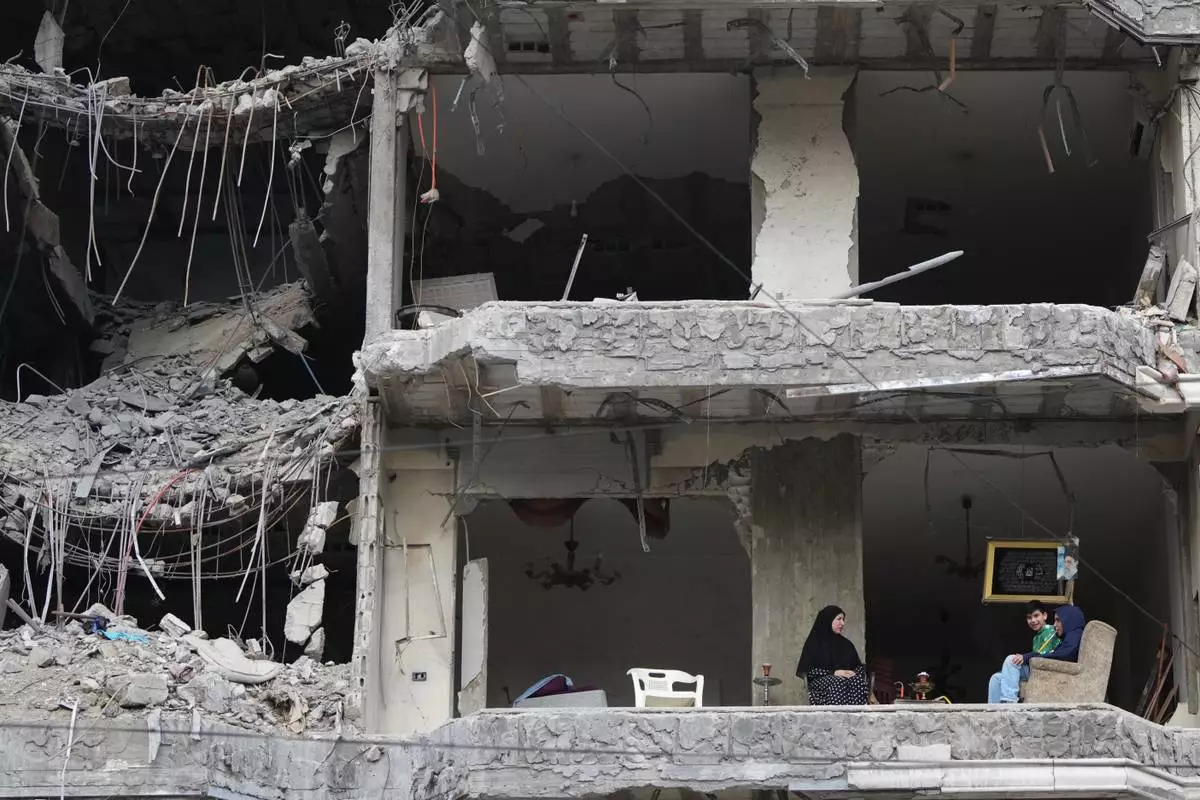
The wife and children of Fadi Al Zein, who lost both his homes in Israeli strikes in his village of Khiam and in Dahiyeh, sit on the balcony of their heavily damaged apartment building in Beirut's southern suburbs, Lebanon, Saturday, April 25, 2026. (AP Photo/Hassan Ammar)
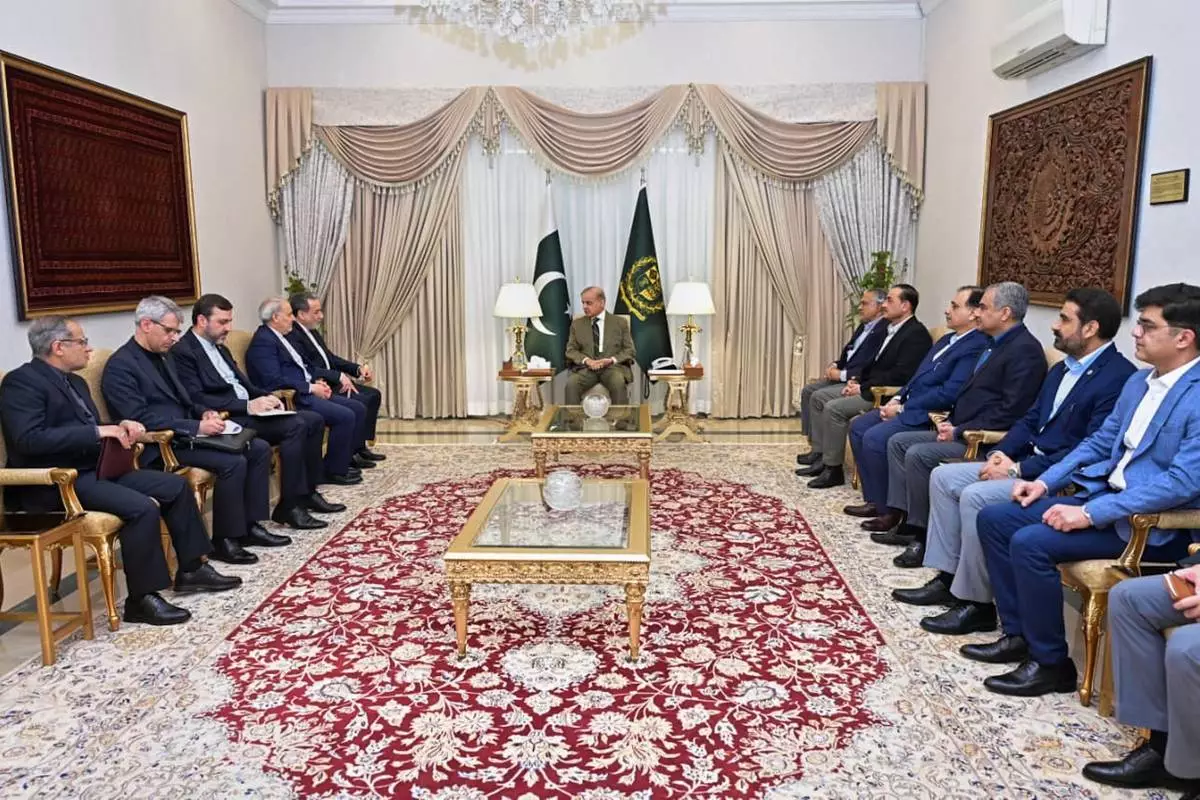
In this photo released by the Pakistan Prime Minister Office, Iran's Foreign Minister Abbas Araghchi, fifth left, meets with Prime Minister Shehbaz Sharif, center, in Islamabad, Pakistan, Saturday, April 25, 2026. (Pakistan Prime Minister Office via AP)
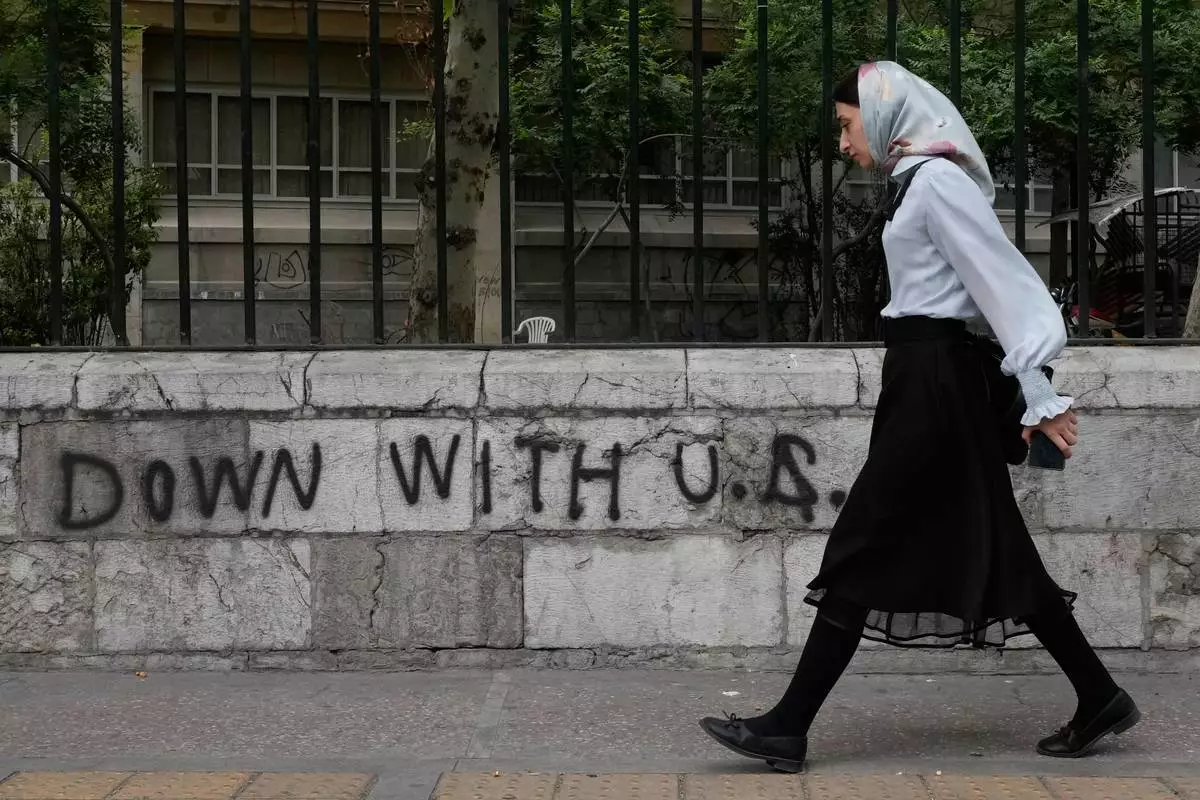
A woman walks past an anti-U.S. graffiti painted on the wall of the Tehran University on Enqelab-e-Eslami (Islamic Revolution) street in downtown Tehran, Iran, Saturday, April 25, 2026. (AP Photo/Vahid Salemi)
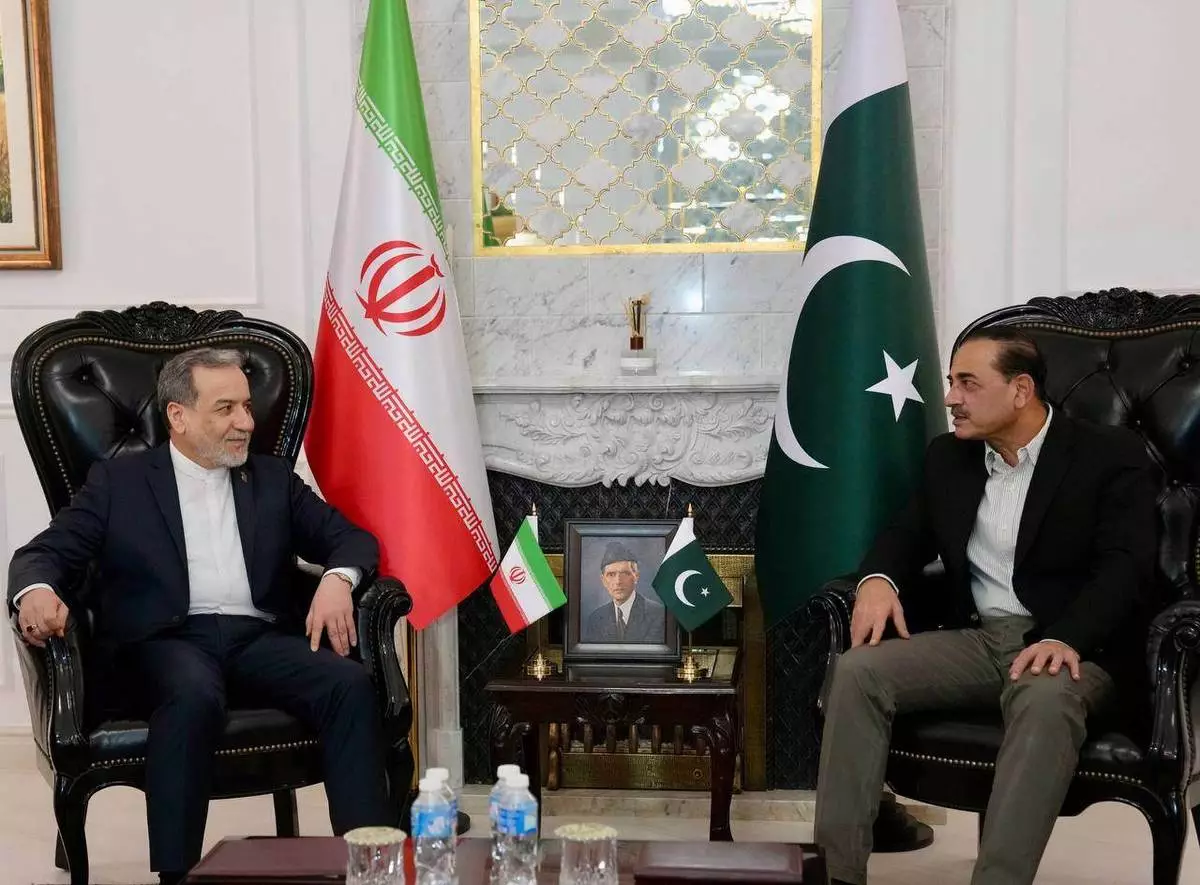
In this photo released by the Iranian Foreign Ministry, Iranian Foreign Minister Abbas Araghchi, left, meets with Pakistan's Army Chief Field Marshal Asim Munir in Islamabad, Pakistan, Saturday, April 25, 2026. (Iranian Foreign Ministry via AP)
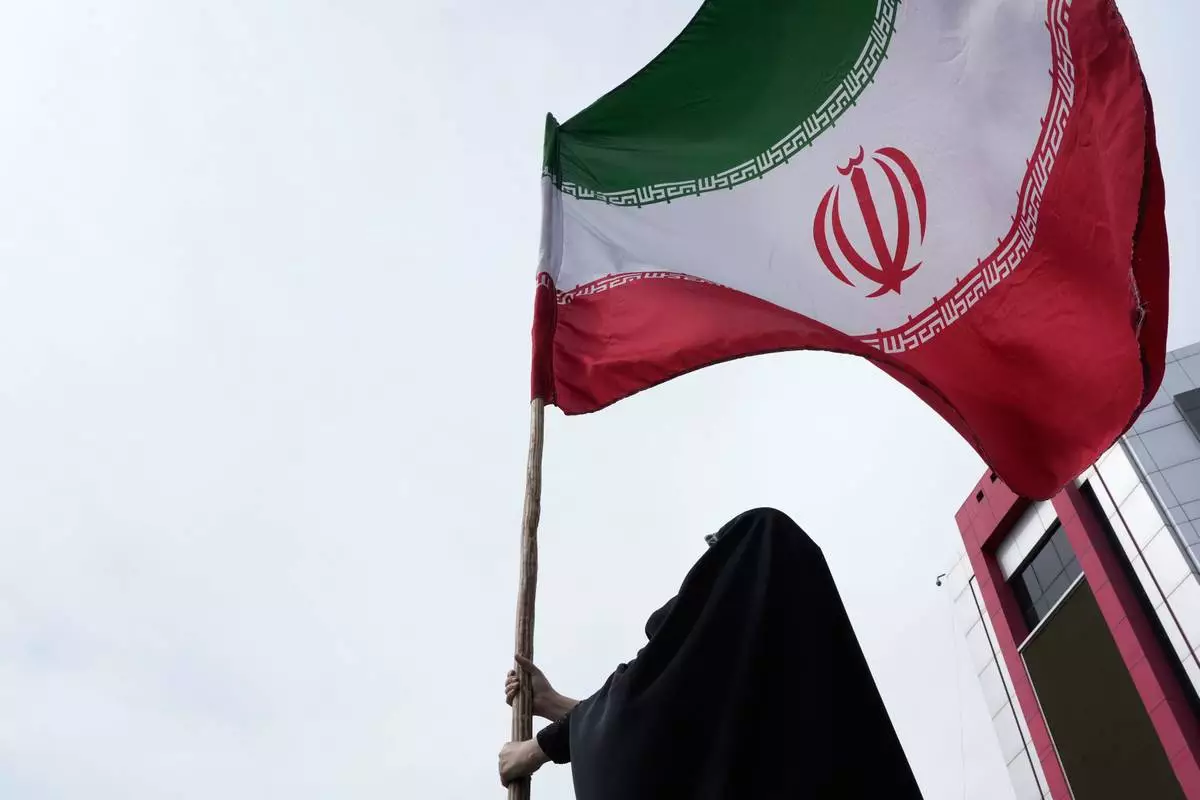
A woman holds an Iranian flag for a pro-government campaign in downtown Tehran, Iran, Saturday, April 25, 2026. (AP Photo/Vahid Salemi)