HOUSTON--(BUSINESS WIRE)--Apr 27, 2026--
Motif Neurotech, a brain-computer interface (BCI) company developing technologies for mental health, today announced that the U.S. Food and Drug Administration (FDA) has approved an Investigational Device Exemption (IDE) for the RESONATE Early Feasibility Study. The trial will evaluate the Motif XCS System, a small wirelessly powered implant that delivers gentle electrical stimulation to a brain region clinically shown to reduce the symptoms of depression in adults who have not found relief from two or more medications. This IDE approval comes only four years after the company’s founding, making Motif the fastest implantable BCI company to move from founding to IDE approval with a novel device.
This press release features multimedia. View the full release here: https://www.businesswire.com/news/home/20260427361988/en/
“We founded Motif to build neural devices that give everyone suffering from a mental health condition the opportunity at a better life. I am incredibly proud of our team, and grateful for this opportunity to advance our mission,” said Jacob Robinson, Co-founder and CEO of Motif Neurotech.
Central to that mission are the nearly 3 million Americans living with treatment-resistant depression, most of whom have exhausted available treatments without finding lasting relief.
“ Treatment-resistant depression is one of the leading causes of disability and suicide in the U.S. and worldwide. Individuals with this condition have often tried a long list of medications and therapies and are still suffering. The RESONATE study gives us the opportunity to offer something genuinely new to people who have run out of options,” said Sameer Sheth, M.D., Ph.D., Professor of Neurosurgery at Baylor College of Medicine, Co-founder of Motif, Director of the Cain Foundation Labs at Texas Children’s Hospital, and Principal Investigator for the RESONATE study.
The RESONATE study will be conducted at up to eight leading medical institutions: Baylor College of Medicine, Massachusetts General Brigham, Emory Healthcare, UT Health Houston, University of Iowa, University of Utah Health, New York University and Brain Health Consultants (Houston).
“With XCS therapy, we seek to achieve an optimal balance of effectiveness and non-invasiveness,” said Sunil Sheth, M.D., Co-founder of Motif, Associate Professor of Neurology, UTHealth Houston. “The device's ability to stimulate and address dysfunctional brain circuits while avoiding direct contact with the brain will hopefully lead to safe and durable symptom improvement, in a form factor that patients find acceptable.”
The study's primary goal is to confirm that the device and procedure are safe over a 12-month period following implantation. Researchers will also track whether patients experience meaningful reductions in depression symptoms using widely used clinical assessments, and monitor quality of life, anxiety, and cognitive function throughout the study.
“IDE approval is a critical milestone that allows us to move from development into the clinic, and we are proud to have earned it. The patients who will participate in RESONATE have exhausted existing treatment options and are putting their trust in us, and IDE approval from the FDA is confirmation of the care and rigor our team has put into our therapy,” said Nick Halper, Chief Operating Officer of Motif Neurotech who led their IDE submission.
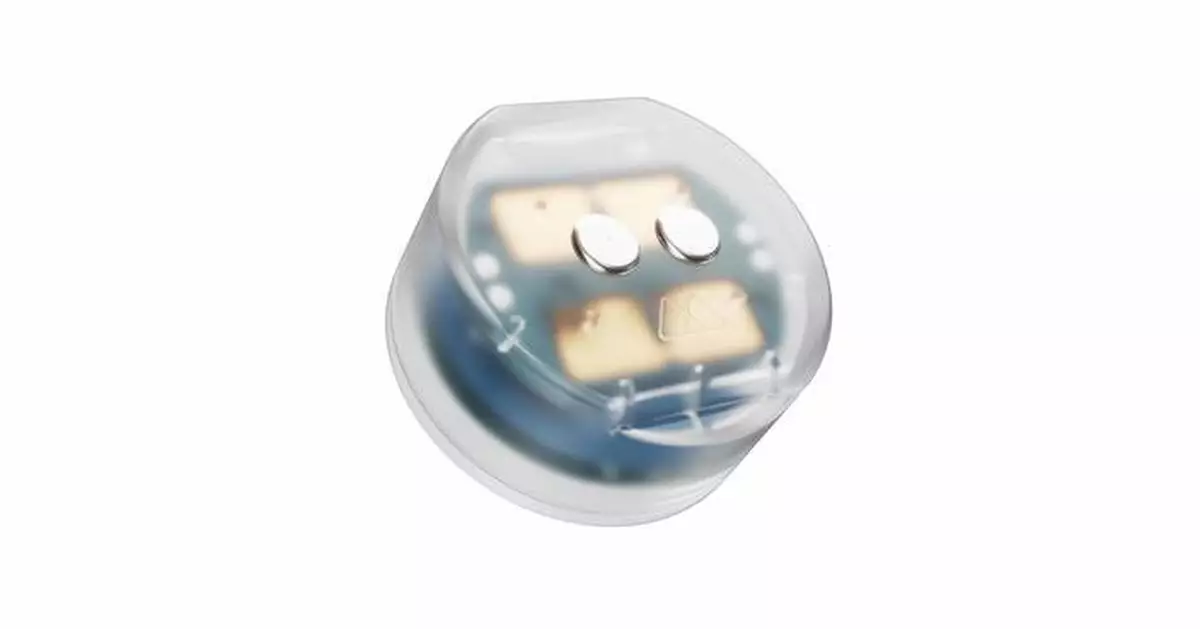
The Motif DOT XCS System is designed to be both precise and practical. The implant, known as the DOT, sits in the bone over the brain region well-established as a target for depression treatment. The DOT, approximately the size of a blueberry, is wirelessly powered and designed to be implanted in a 20-minute outpatient procedure. This short and simple procedure is expected to make the Motif technology even safer than neural devices that contact brain tissue. The XCS system is also being developed to monitor brain signals so that patients and clinicians can have objective measures to guide more personalized therapy.
The RESONATE study builds on over 10 years of foundational research from The Robinson and Yang Labs at Rice University with support from DARPA, ARPAH, and the NIH BRAIN Initiative. Prior peer-reviewed publications showed the device could safely and effectively stimulate the human brain without contacting the brain's surface.
About Motif Neurotech
Motif Neurotech is building the first therapeutic brain-computer interface (BCI) designed to address mental health. The company’s first product, the DOT, is an implantable brain stimulator the size of a blueberry delivered in an outpatient procedure that can be performed in 20-minutes and does not expose or contact the brain. The extreme miniaturization of the device is made possible by patented wireless power technology invented at Rice University by the founders and exclusively licensed by Motif. Motif has received FDA approval to begin its first clinical trial for people with treatment resistant depression, which will begin enrolling patients this year. of an implantable device designed to treat mental health conditions. The company is also exploring using the DOT for applications in Bipolar Disorder, OCD, Alzheimer’s Disease, and Substance Use Disorder. To join the patient registry visit registry.motifneuro.tech. Follow us on LinkedIn, X, YouTube, and Bluesky. Motif products are co-designed by people with lived experience.
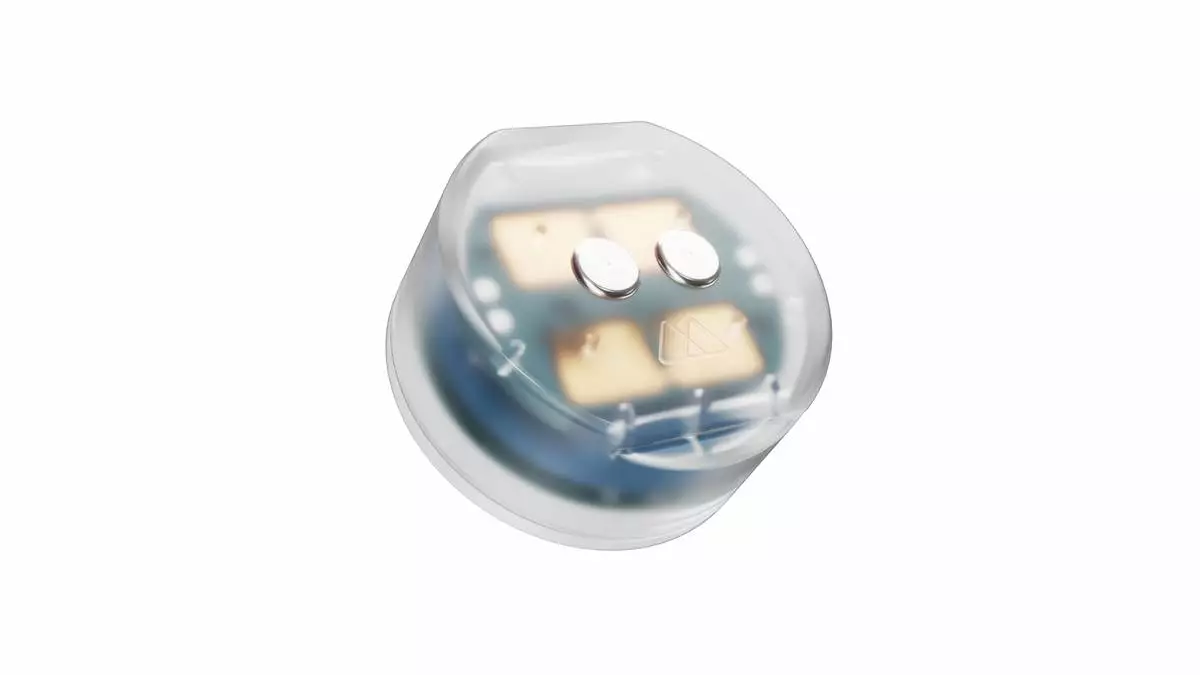
The Motif implant, known as DOT, sits in the bone over the brain region well-established as a target for depression treatment. The DOT, approximately the size of a blueberry, is wirelessly powered and designed to be implanted in a 20-minute outpatient procedure.