On the fourth day of the delegation's Guizhou tour (April 25), the members visited the globally renowned Moutai Liquor Factory and the national 5A-level tourist scenic spot, Zhijindong Cave.
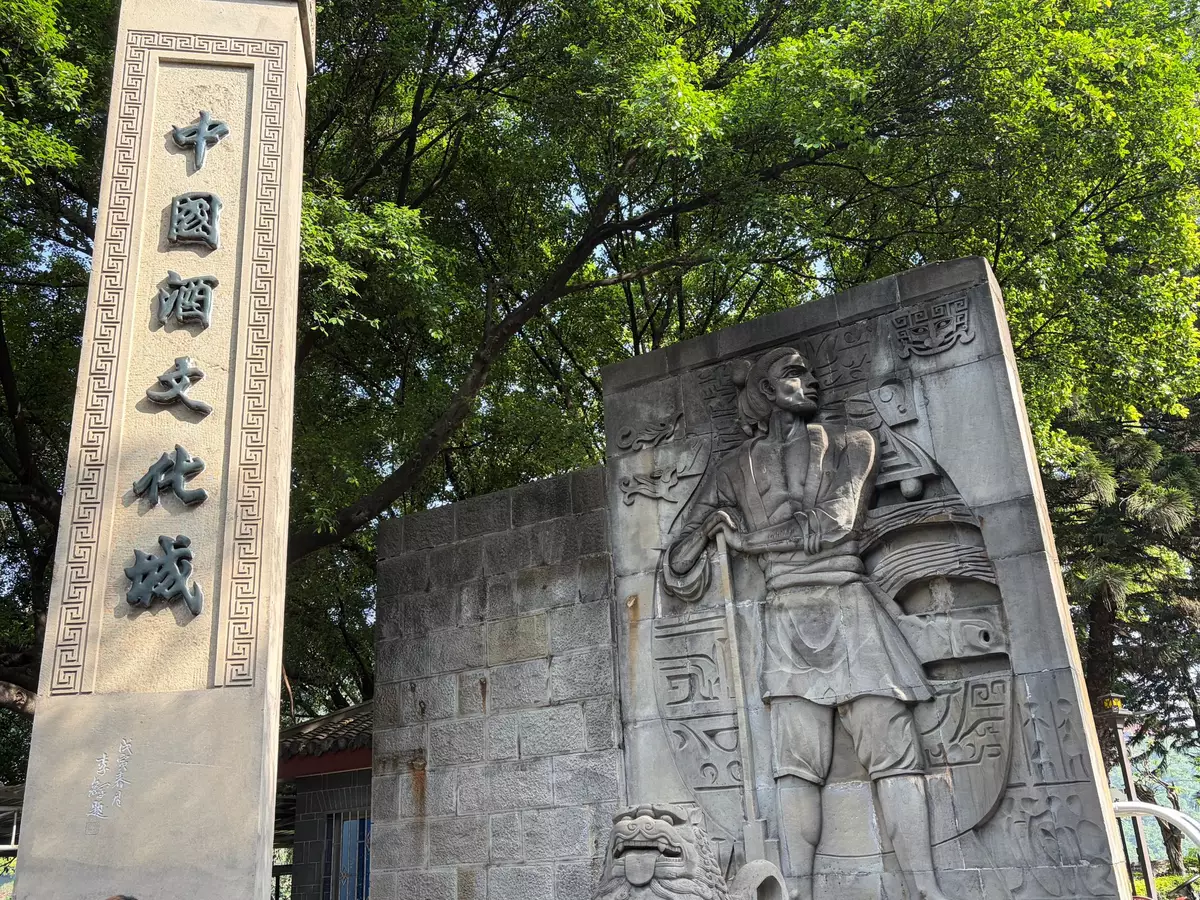
The Moutai Chinese Liquor Culture City, a large-scale wine culture exposition area invested and built by Kweichow Moutai Group between 1993 and 1997, Photo by Bastille Post
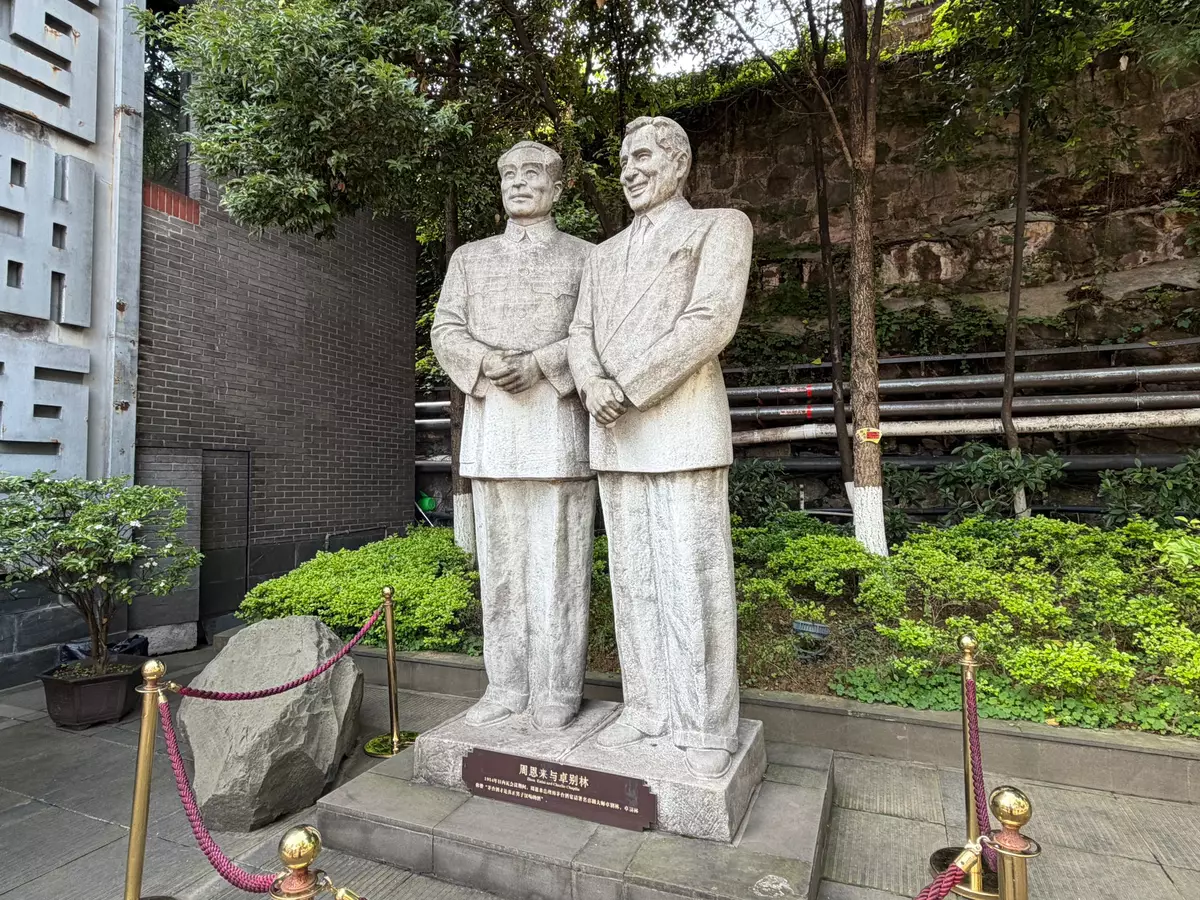
The statues of Mr. Zhou Enlai and Mr. Charlie Chaplin in the scenic spot, Photo by Bastille Post
In the morning, the delegation visited the Moutai Liquor Factory and the Moutai Chinese Liquor Culture City, a large-scale wine culture exposition area invested and built by Kweichow Moutai Group between 1993 and 1997, to have a deep insight into the Group's liquor-making process. The Group is headquartered in the scenic Maotai Town, located on the banks of the Chishui River in northern Guizhou Province, while the headquarters sits at an average altitude of 423 meters and employs more than 40,000 people.
Click to Gallery
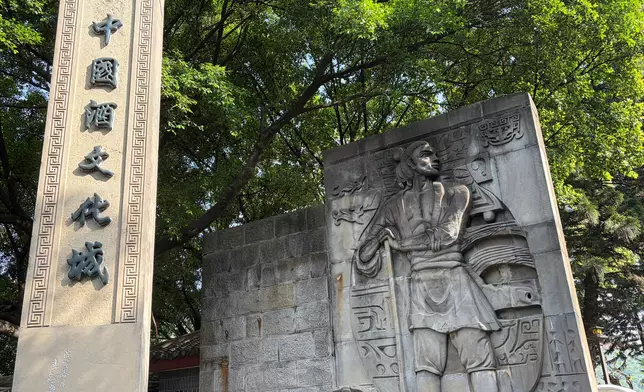
The Moutai Chinese Liquor Culture City, a large-scale wine culture exposition area invested and built by Kweichow Moutai Group between 1993 and 1997, Photo by Bastille Post
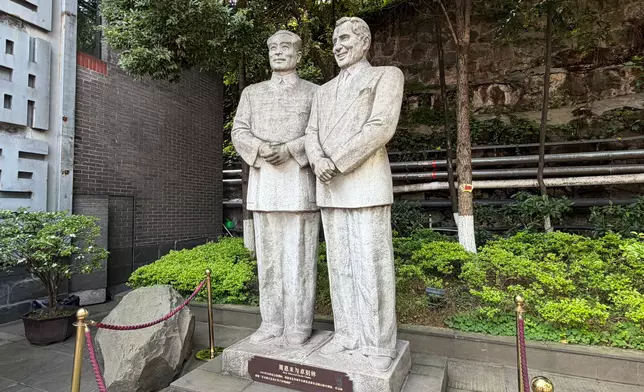
The statues of Mr. Zhou Enlai and Mr. Charlie Chaplin in the scenic spot, Photo by Bastille Post
Photo by Bastille Post
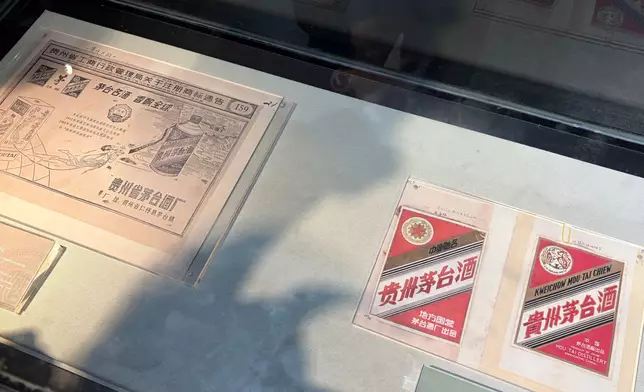
The development of Moutai, Photo by Bastille Post
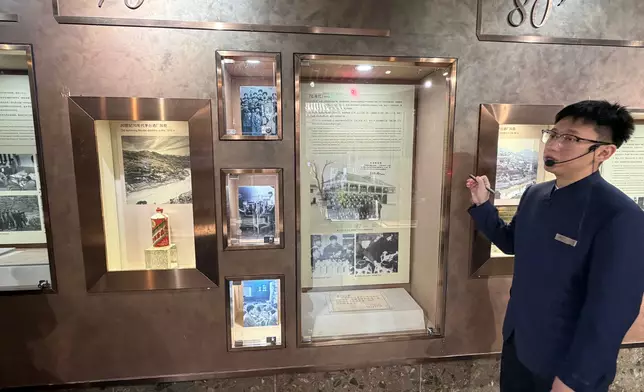
The introduction of the staff, Photo by Bastille Post
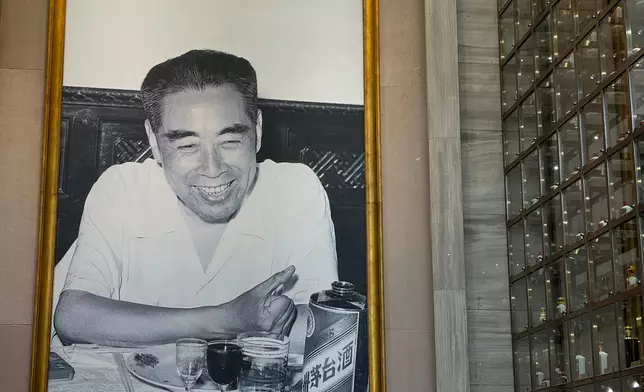
Mr. Zhou Enlai and Kweichow Moutai, Photo by Bastille Post
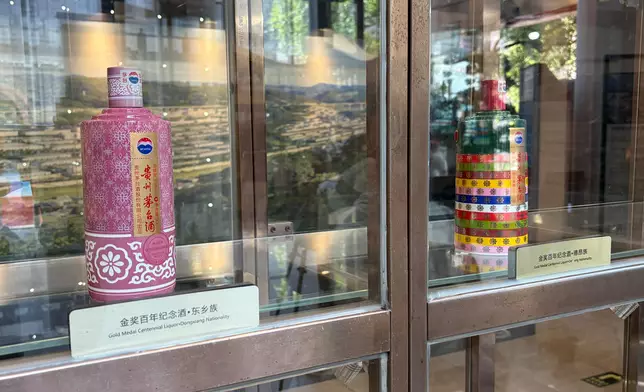
Special versions of Kweichow Moutai, Photo by Bastille Post
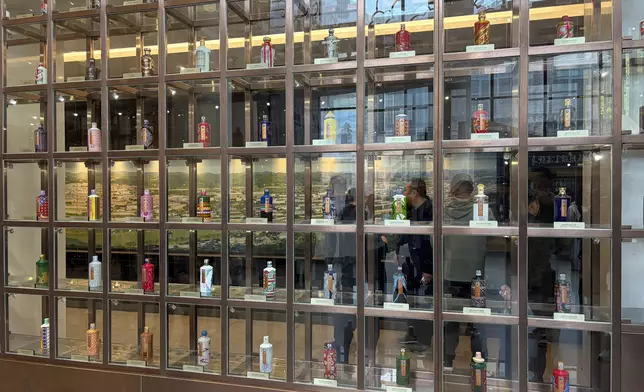
The display wall of Kweichow Moutai, Photo by Bastille Post
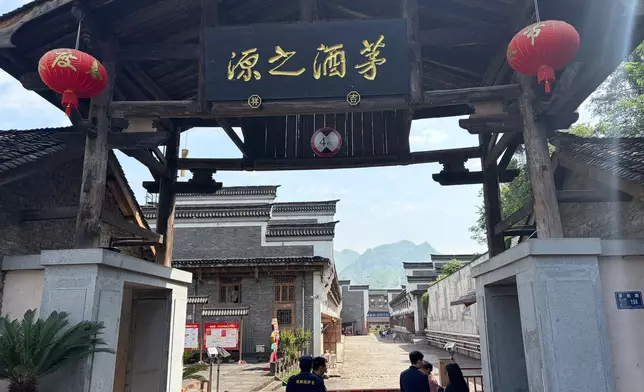
Photo by Bastille Post
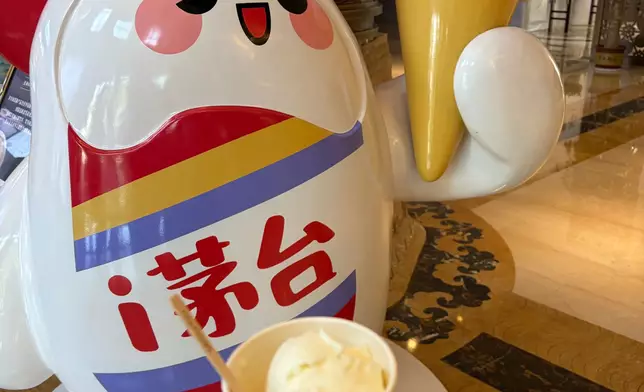
The Moutai ice cream, Photo by Bastille Post
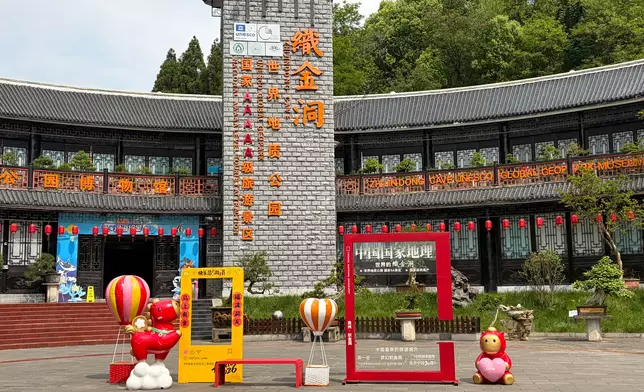
The Zhijindong Cave UNESCO Global Geopark, Photo by Bastille Post
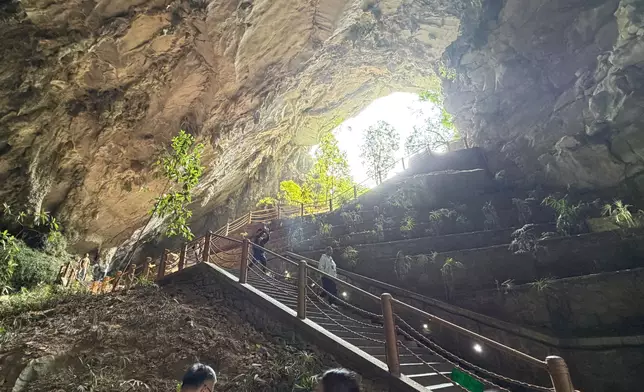
The Zhijindong Cave UNESCO Global Geopark, Photo by Bastille Post
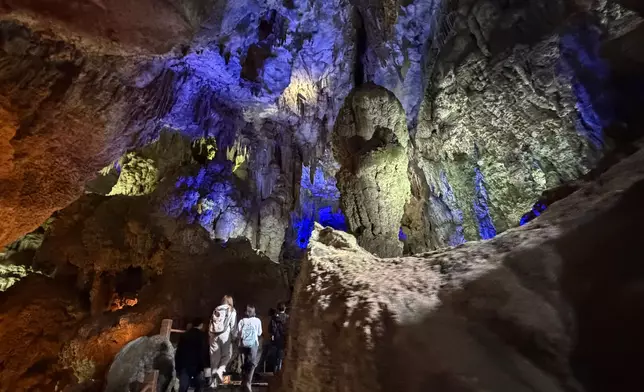
Photo by Bastille Post
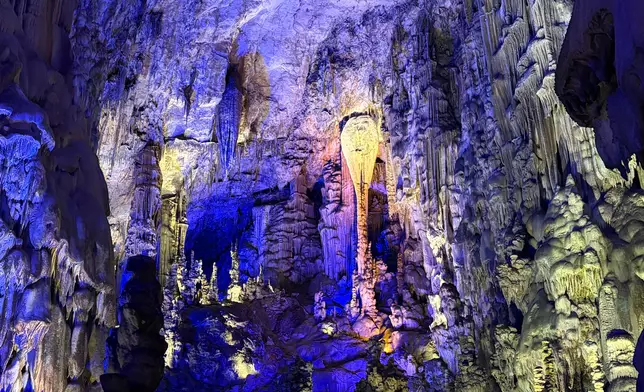
Photo by Bastille Post
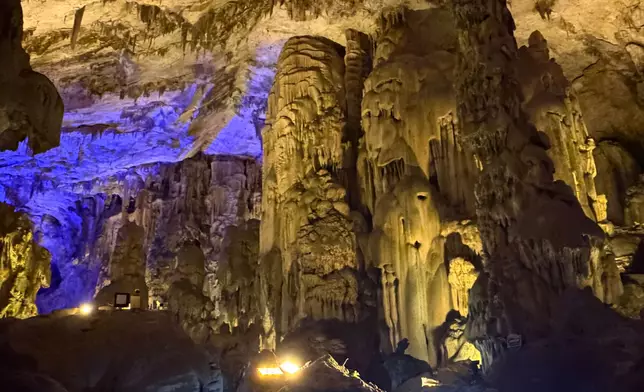
Photo by Bastille Post
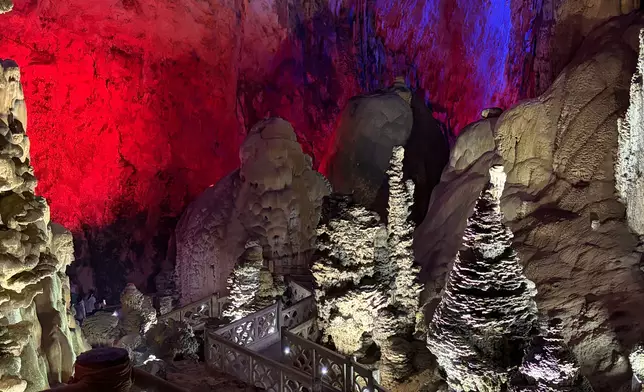
Photo by Bastille Post
The Group traces its roots back to three historic distilleries in Maotai Town — "Chengyi", "Ronghe", and "Hengxing", each with over a century of brewing history.
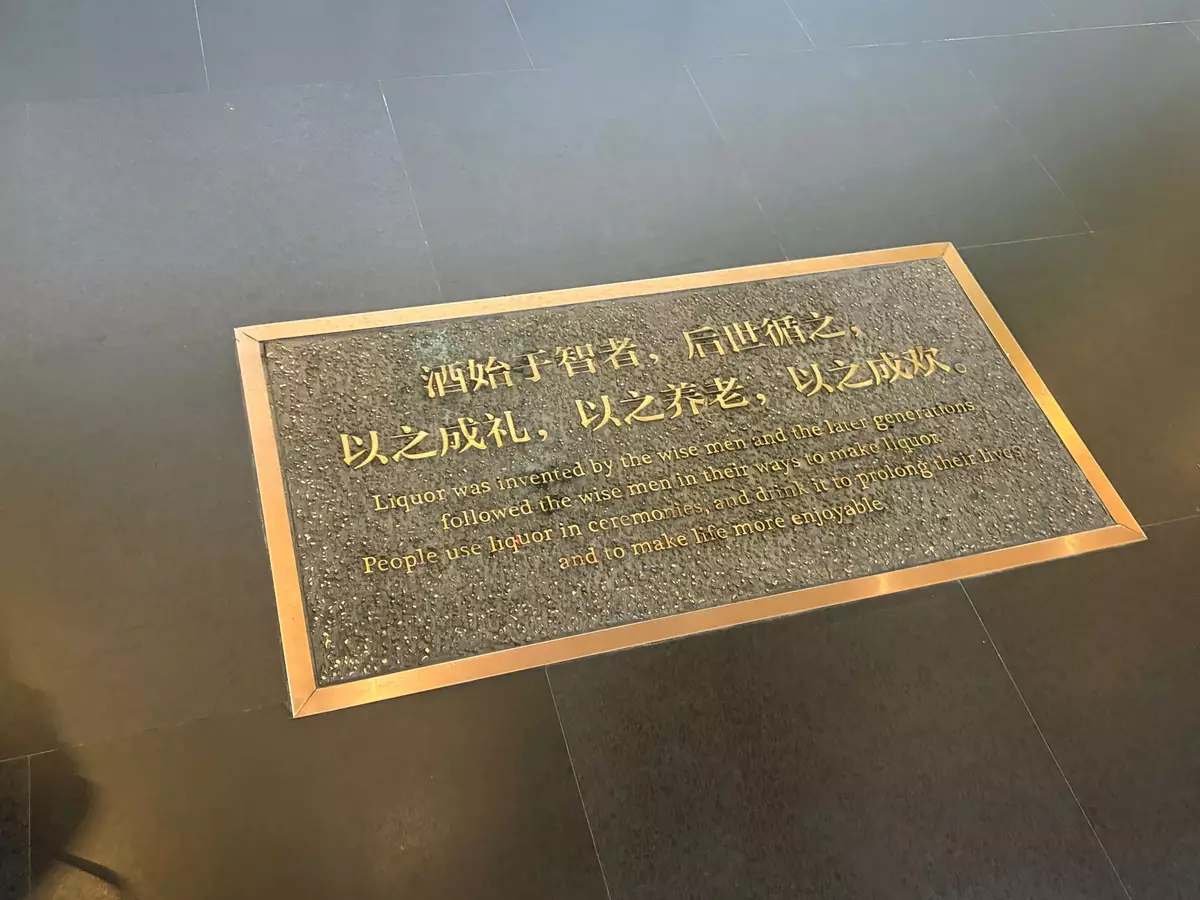
Photo by Bastille Post
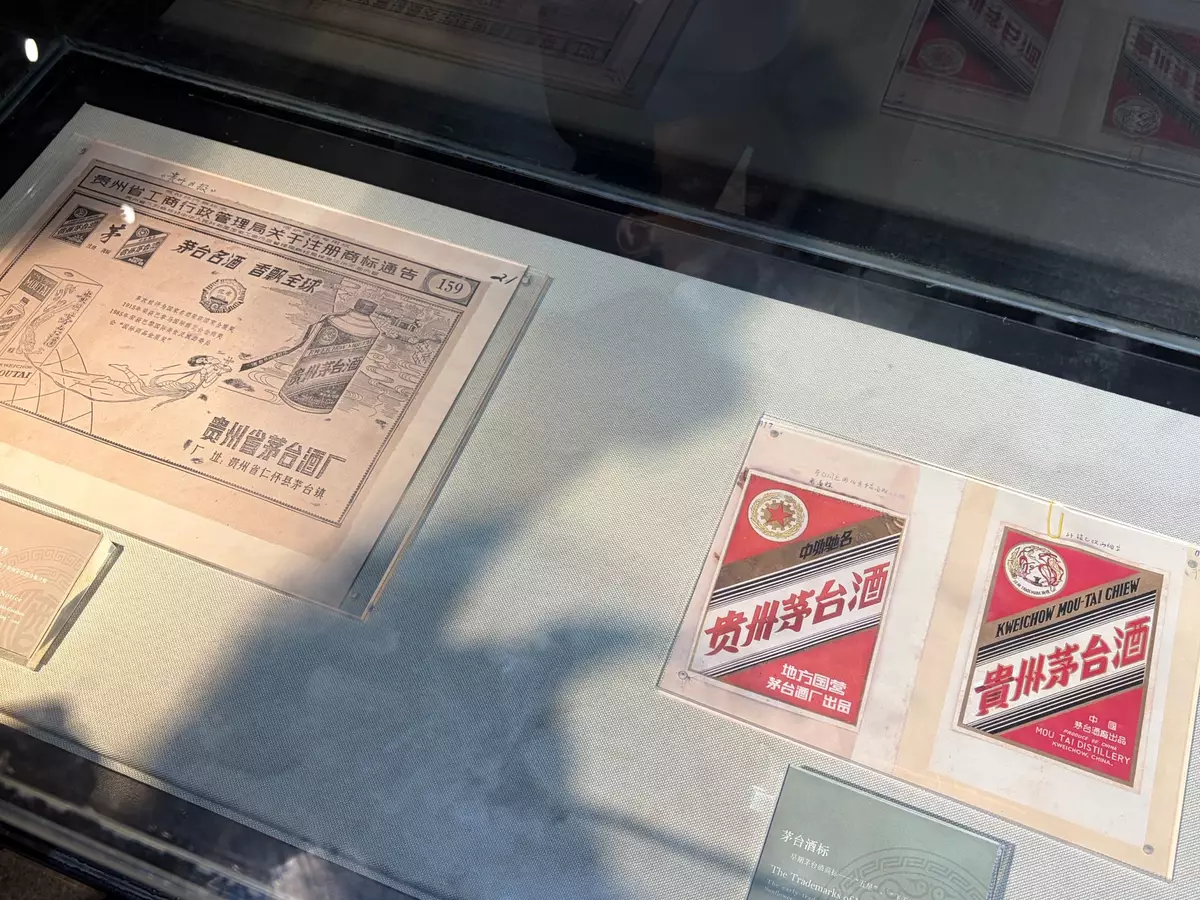
The development of Moutai, Photo by Bastille Post
With Kweichow Moutai Co., Ltd. as its core subsidiary, Kweichow Moutai Group focuses its development on three core pillars: Wine Industry, Wine-Tourism & Health Care, and Industrial Chain Finance. The Group now oversees 36 wholly-owned, holding, and joint-stock companies, with business interests spanning baijiu, health liquor, grape wine, securities, insurance, banking, cultural tourism, education, real estate, ecological agriculture, and baijiu-related upstream and downstream industries.
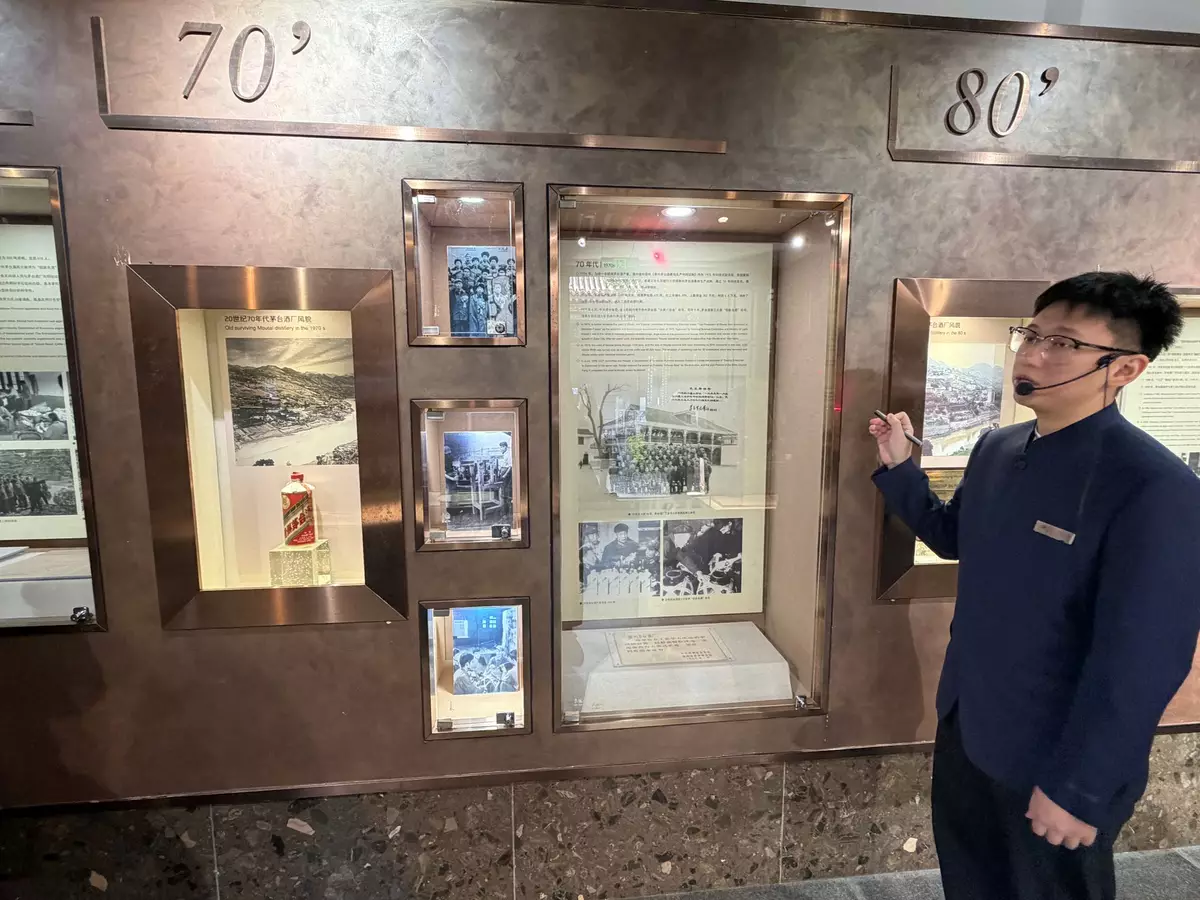
The introduction of the staff, Photo by Bastille Post
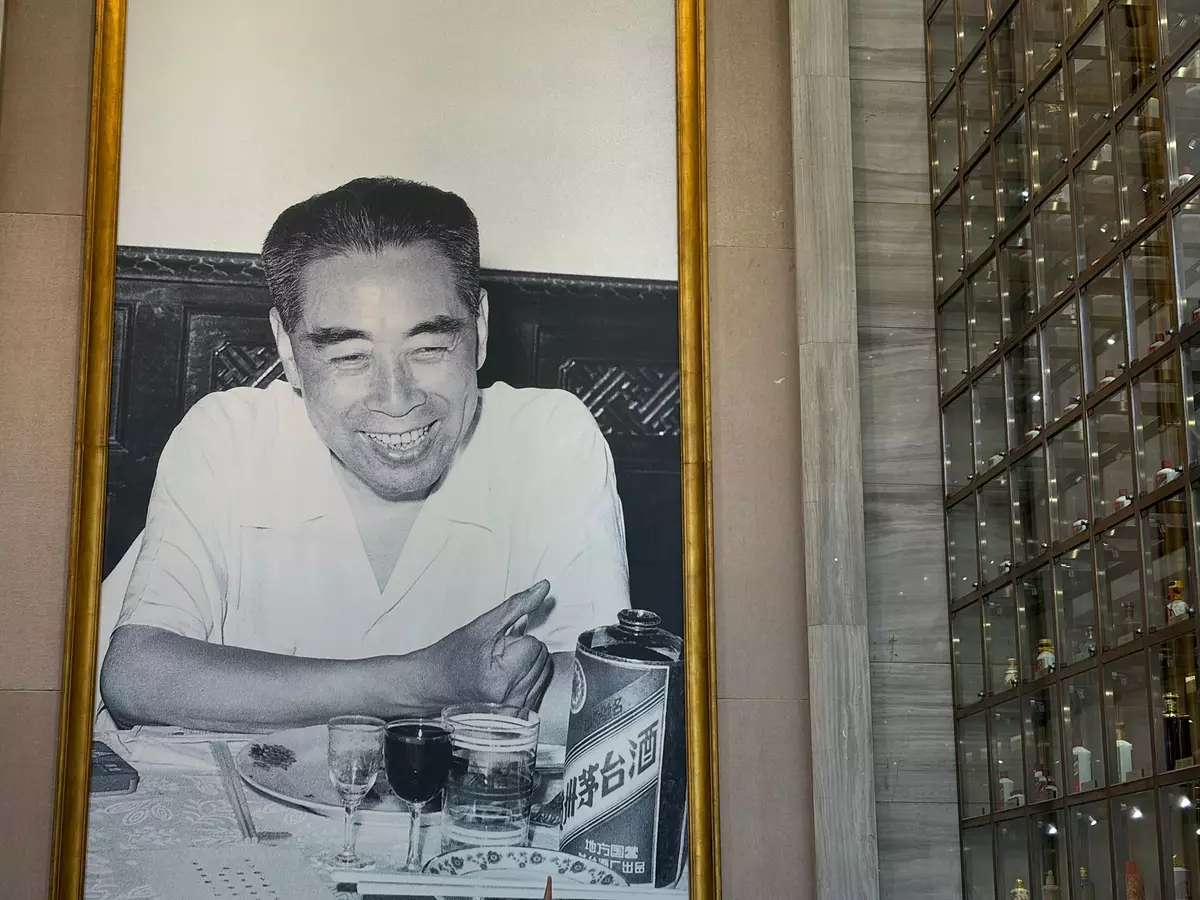
Mr. Zhou Enlai and Kweichow Moutai, Photo by Bastille Post
Its flagship product, Kweichow Moutai, is widely recognized as the originator and quintessential representative of China's sauce-flavor Daqu liquor. Its core production area covers 15.03 square kilometers. Kweichow Moutai holds the titles of "China's Geographical Indication Product", "China-EU Geographical Indication Product", and "Organic Food", and is also recognized as China's national intangible cultural heritage, making it a fragrant Chinese calling card that has spread its reputation across the world.
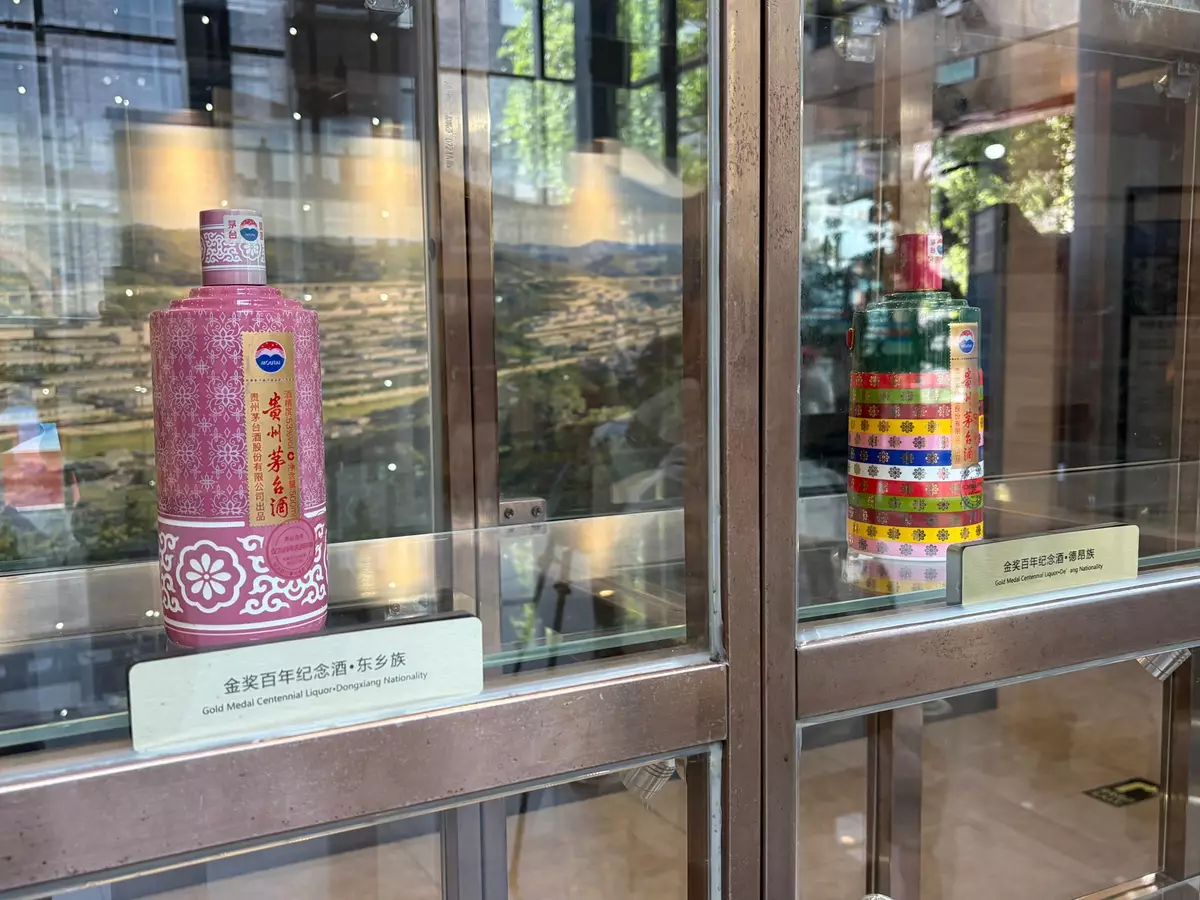
Special versions of Kweichow Moutai, Photo by Bastille Post
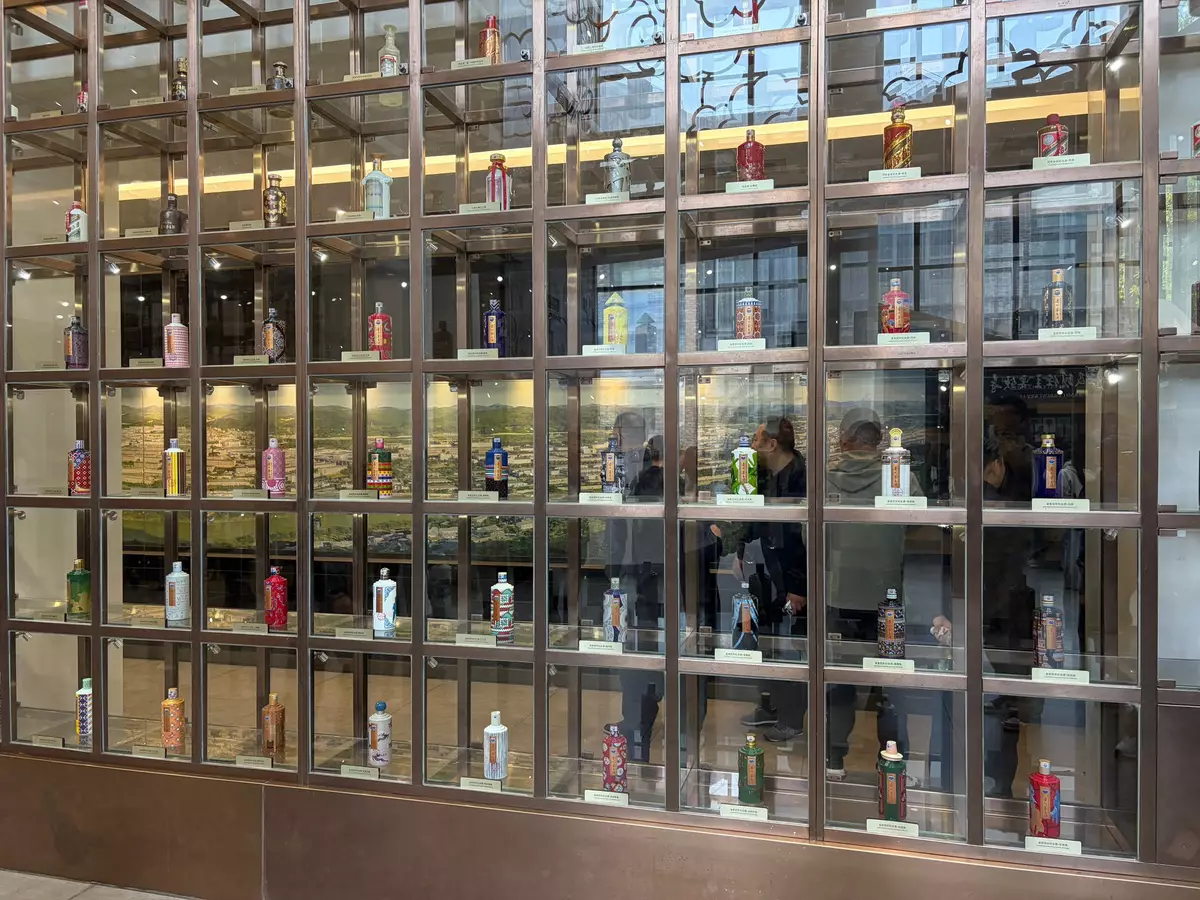
The display wall of Kweichow Moutai, Photo by Bastille Post
The reporter had the opportunity to taste Moutai ice cream firsthand. To describe the actual taste: it resembles the grape rum ice cream available in Hong Kong supermarkets, but without grapes, leaving a subtle hint of alcohol and sweetness on the palate. The Group's staff said the ice cream contains 3% Moutai liquor and comes in five flavors: original, chocolate, strawberry, matcha, and plum. A single scoop costs 39 RMB.
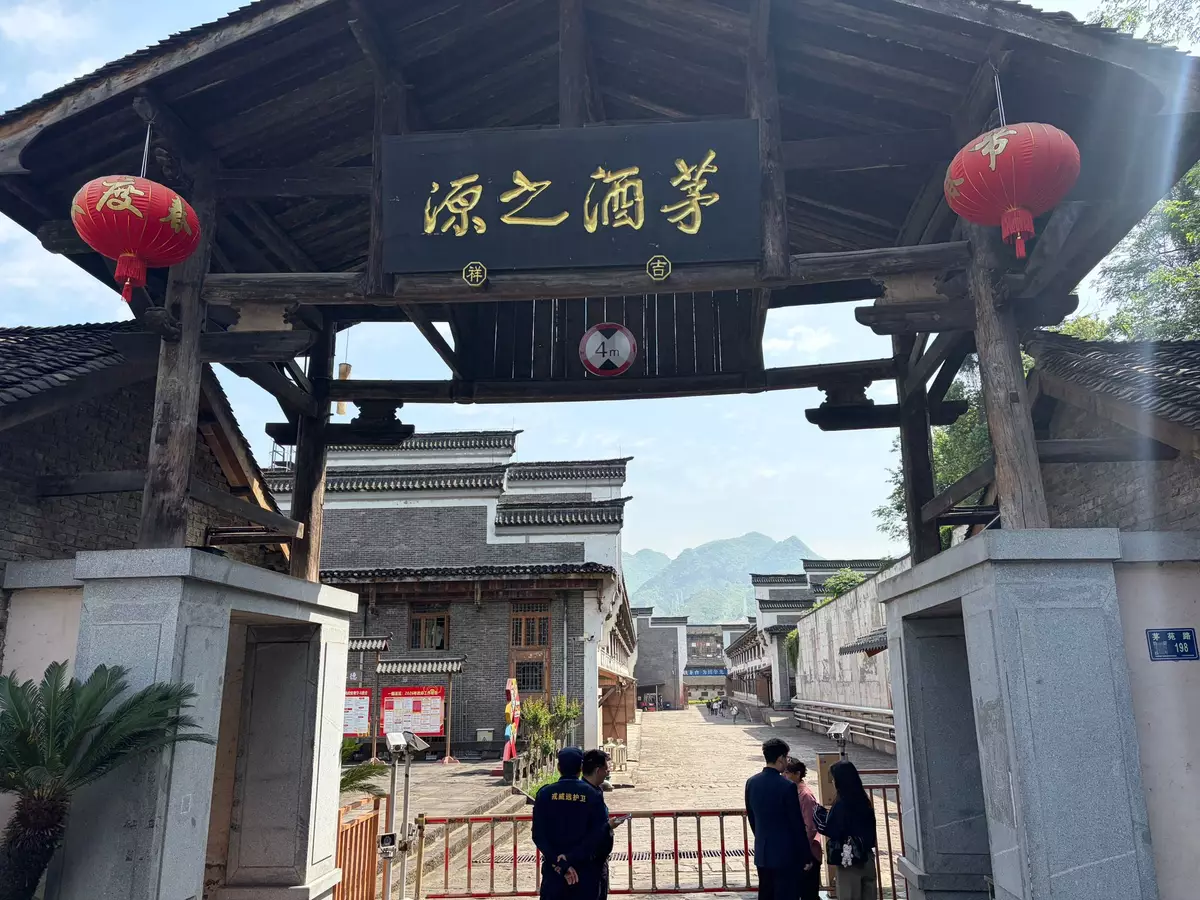
Photo by Bastille Post
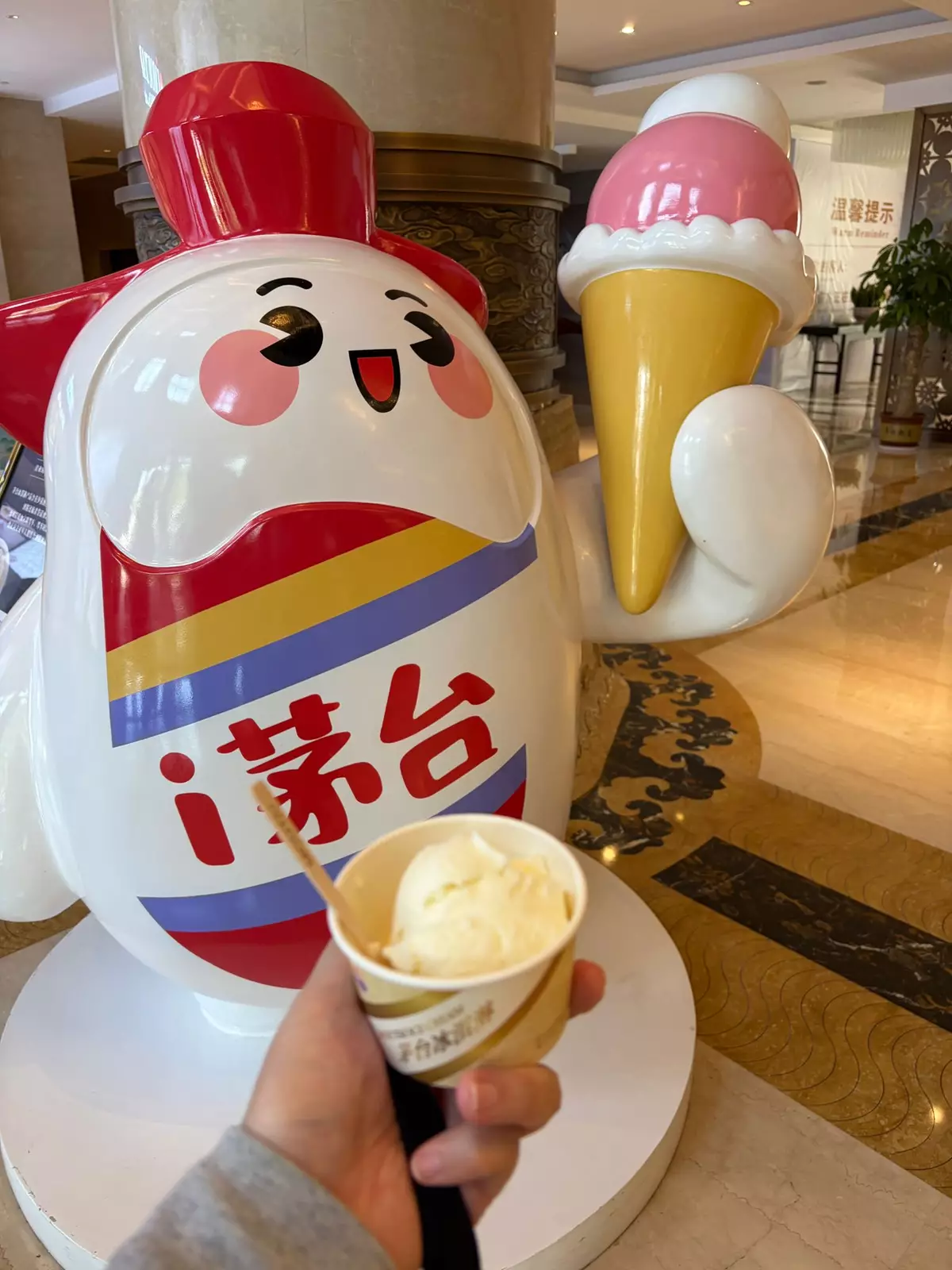
The Moutai ice cream, Photo by Bastille Post
In the afternoon, the delegation toured the Zhijindong Cave UNESCO Global Geopark in Zhijin County, Bijie City, which is also Guizhou's first UNESCO Global Geopark and carries the reputation of being "China's most beautiful cave". Moreover, it's a National Scenic Area, National Geopark, National Natural Heritage, and National 5A-level Tourist Scenic Spot.
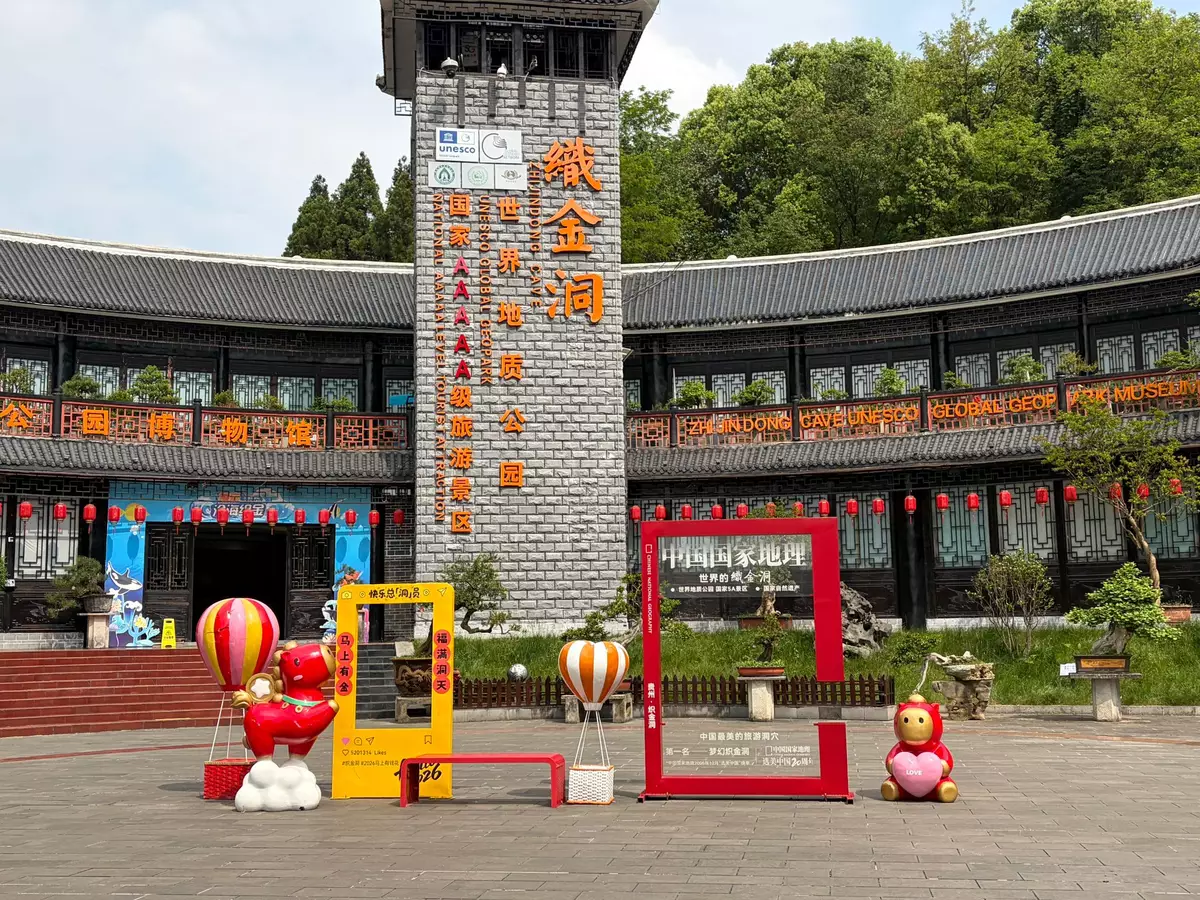
The Zhijindong Cave UNESCO Global Geopark, Photo by Bastille Post
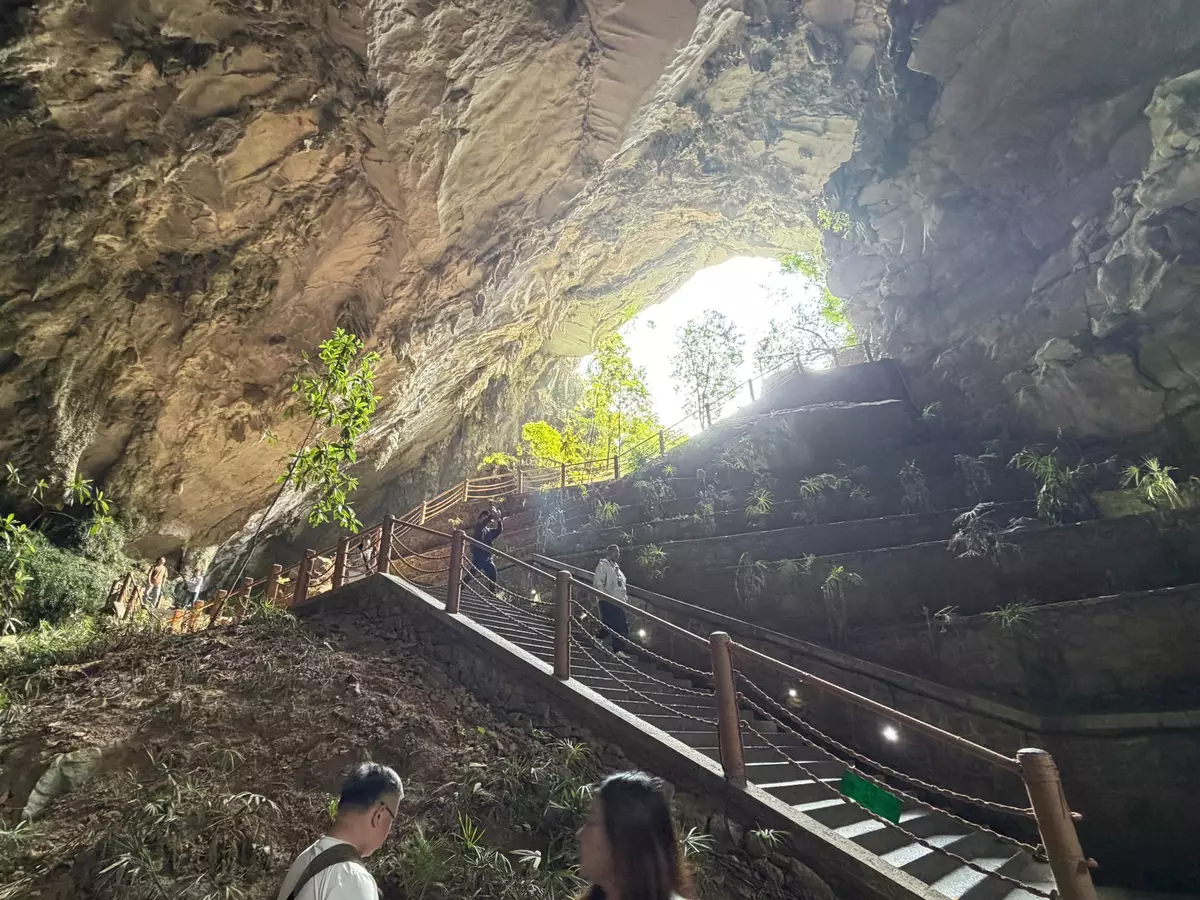
The Zhijindong Cave UNESCO Global Geopark, Photo by Bastille Post
The reasons for Zhijindong Cave to earn a status of UNESCO Global Geopark are based on its unique geological heritage characteristics and extremely high aesthetic value. First, it contains the densest concentration of cave halls.
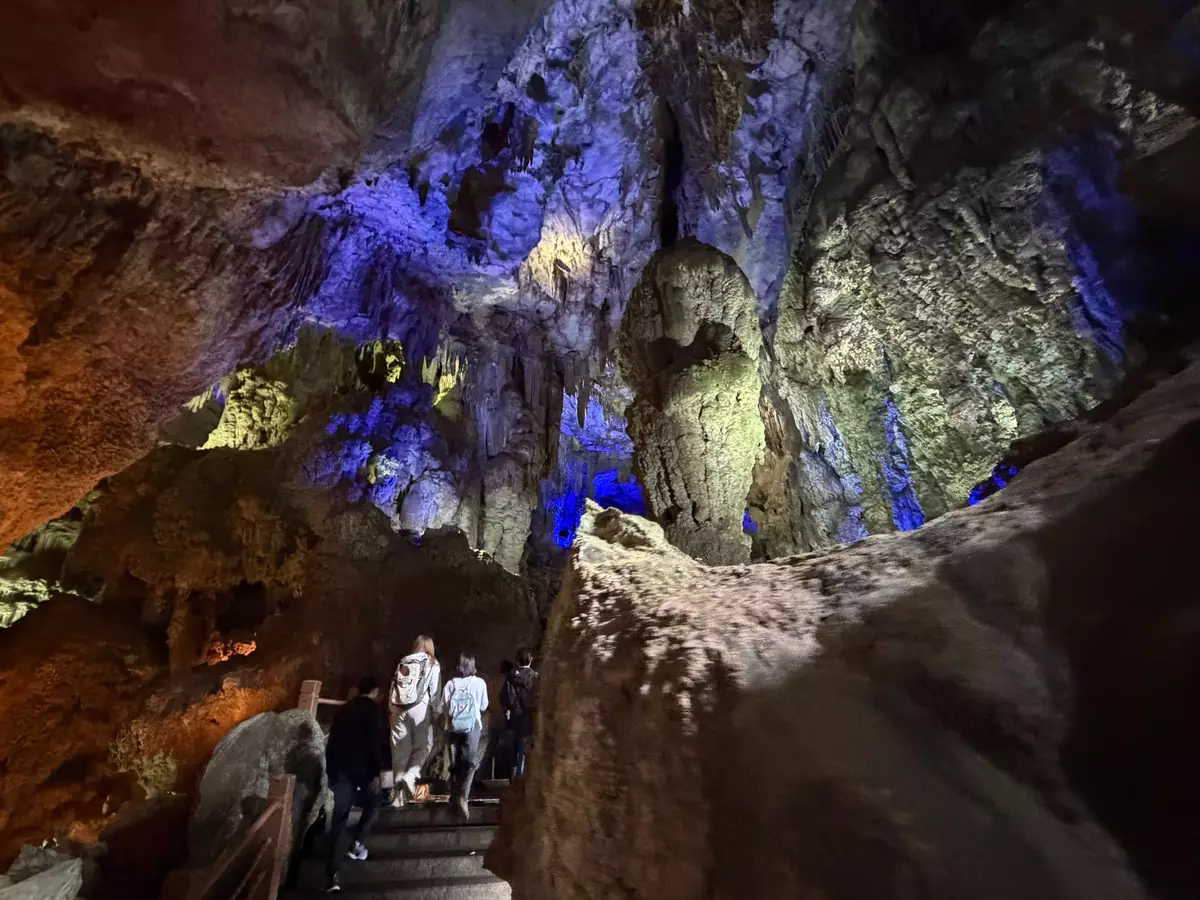
Photo by Bastille Post
Second, Zhijindong Cave features nearly every known type of karst deposits— stone walls, stalagmites, moon milk stones, rimstones, curling stones, cave flowers, flowstones, and more. It also boasts the widest variety of rare karst accumulations. Cave landscapes such as the Silver Rain Tree, Overlord's Helmet, Upside-Down Pipa, Grand Mural, and Twins Jade Tree are breathtakingly lifelike.
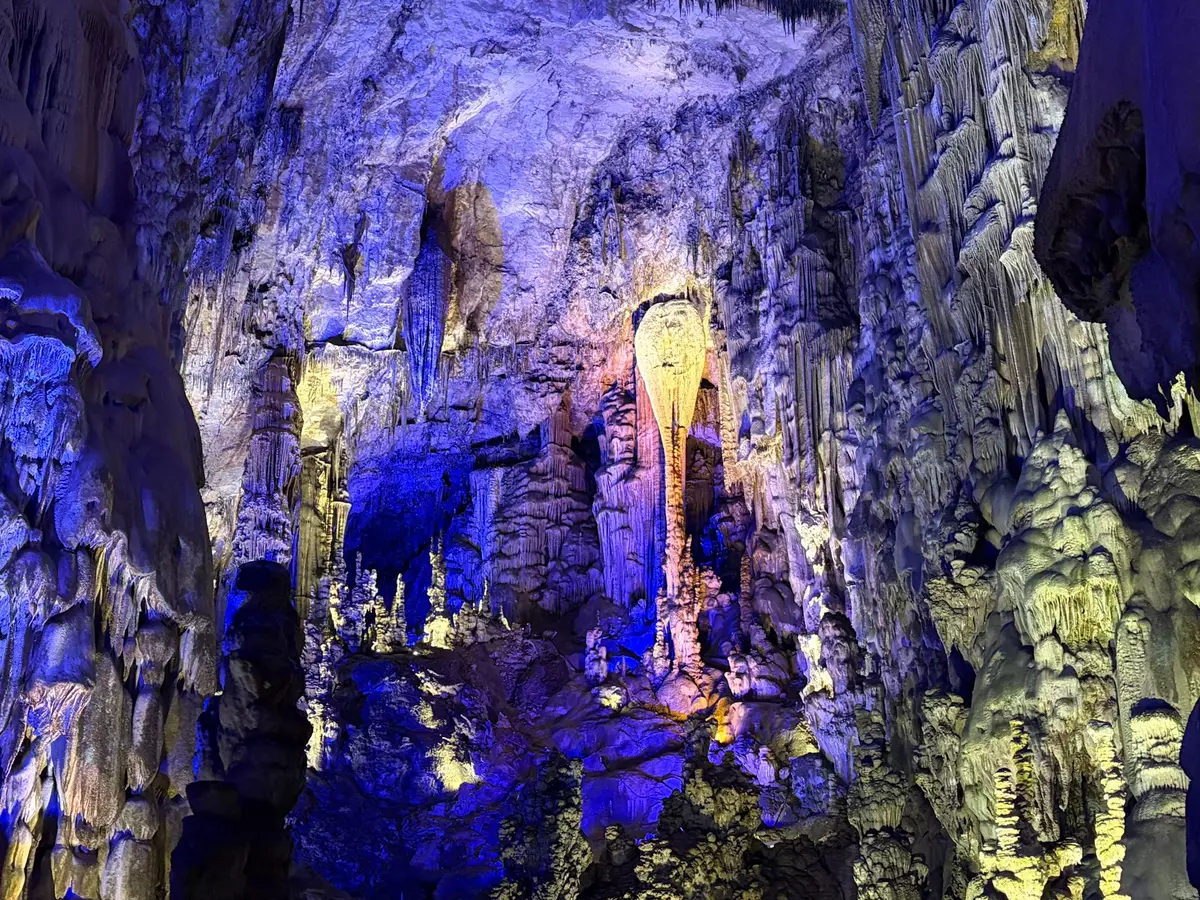
Photo by Bastille Post
According to the staff of the scenic spot, Zhijindong Cave can be called a place that will change one's view of what a cave can be, making visitors marvel that a cave could actually be outstandingly beautiful. Beyond the magnificent scenery of the cave, the Geopark also includes attractions such as dense sinkholes, natural bridges, and other geological landscapes. Moreover, the Wujiang River Source Gallery also offers a striking combination of gorges, high cliffs, and tranquil waters, featuring both aquatic and above-ground landscapes.
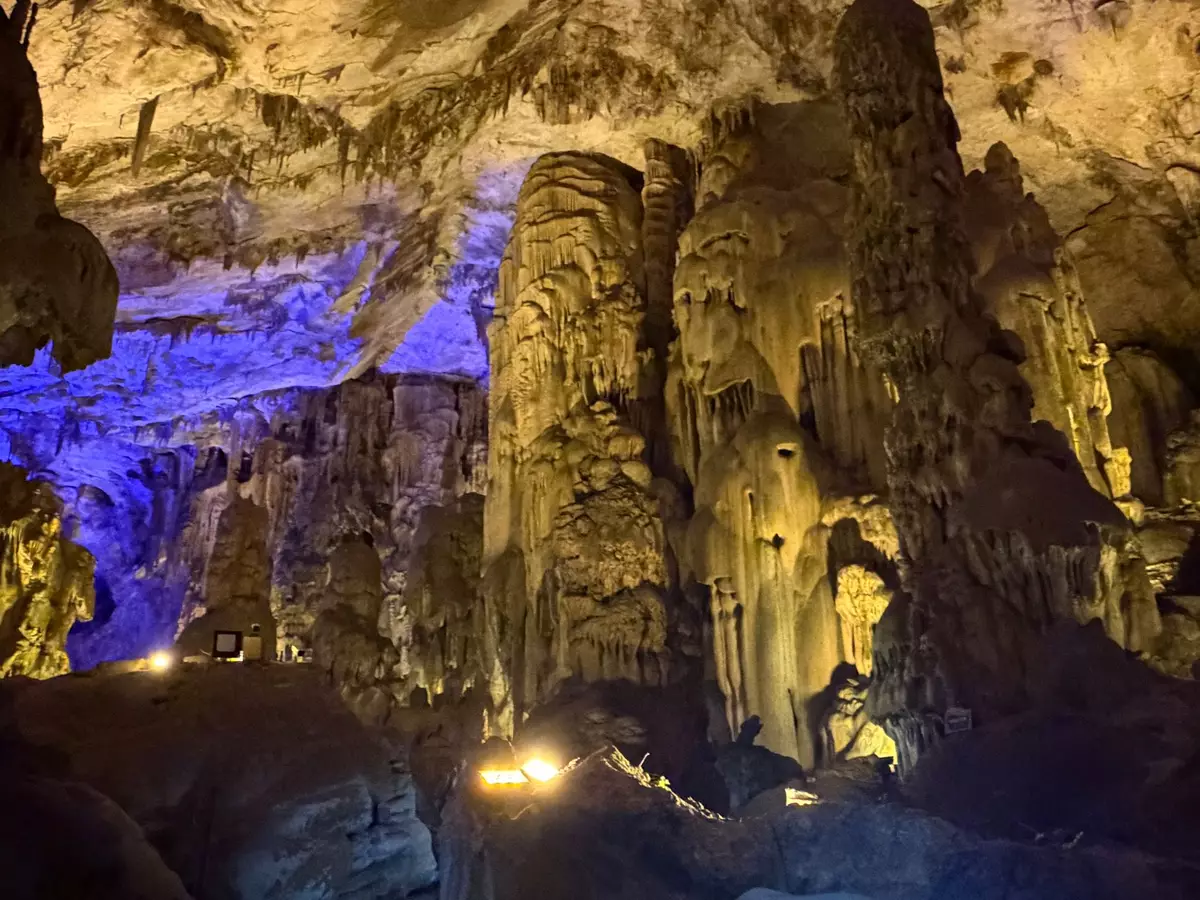
Photo by Bastille Post
The staff explained that most people have heard of the Chinese idiom "dripping water wears away stone". But the transformations inside the Zhijindong Cave could be better described as "dripping water builds stone" — as water droplets continuously contribute to karst growth.
The staff further noted that green plants have been observed growing on or above the surface of stalactites. These plants absorb moisture from the stalactites. Once the moisture is withdrawn, the stalactites will oxidize at a fast speed, leading to cracking and falling, a form of substantial damage instead of surface soiling. To combat this situation, the Geopark uses high-pressure water guns on a weekly basis to clean surfaces in key protected areas, curbing the effects of plant attachment and vegetation growth.
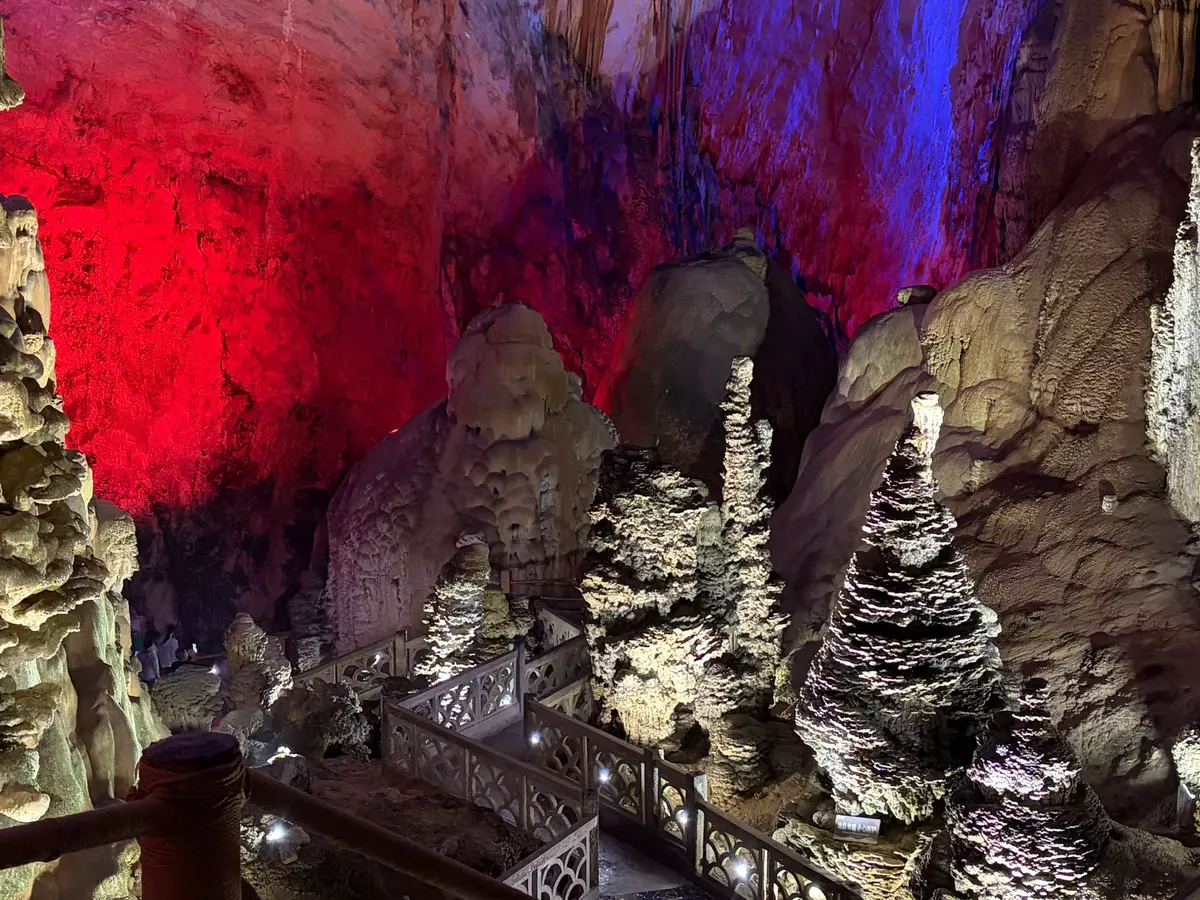
Photo by Bastille Post