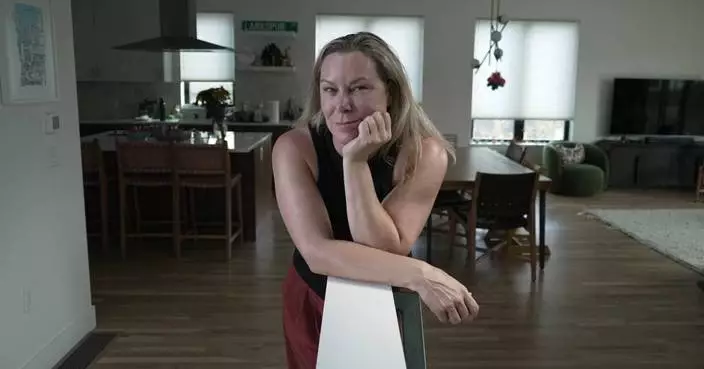
NEW YORK (AP) — Jessica Mann once had reason to think she was done being publicly grilled about Harvey Weinstein.
She had spent three daystelling a jury that the ex-movie mogul raped her, explaining why she continued a relationship with him afterward and discussing other deeply personal aspects of her life, once sobbing so hard that court ended early. Weinstein had then been convicted, in a 2020 verdict seen as a victory for the #MeToo campaign against sexual misconduct.
Click to Gallery
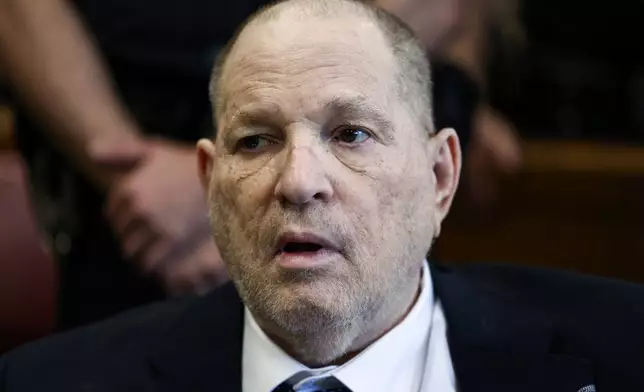
Harvey Weinstein appears in state court in Manhattan for his retrial in New York, Monday, April 27, 2026. (Charly Triballeau/Pool Photo via AP)
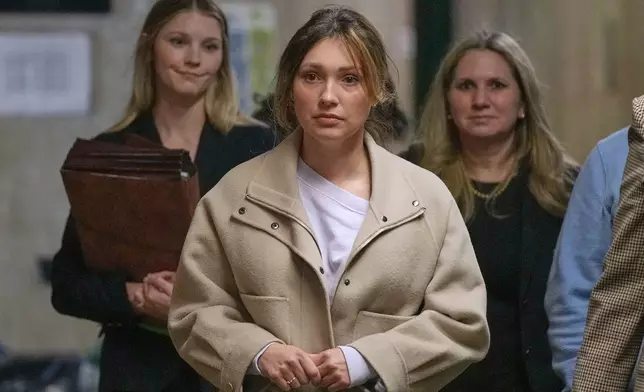
Jessica Mann, center, arrives for Harvey Weinstein's trial in criminal court, followed by Manhattan Assistant District Attorneys Candace White, left, and Nicole Blumberg, in New York, Monday, April 27, 2026. (AP Photo/Richard Drew)
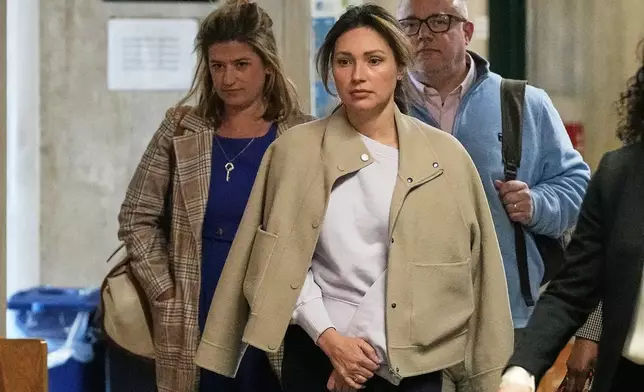
Jessica Mann, center, arrives for Harvey Weinstein's trial in criminal court in New York, Monday, April 27, 2026. (AP Photo/Richard Drew)

Jessica Mann, right, arrives for Harvey Weinstein's trial in criminal court, followed by Manhattan Assistant District Attorneys Candace White, left, and Nicole Blumberg, in New York, Monday, April 27, 2026. (AP Photo/Richard Drew)

Jessica Mann arrives for Harvey Weinstein's trial in criminal court, in New York, Monday, April 27, 2026. (AP Photo/Richard Drew)
Yet six years later, Mann again walked to a witness stand Monday, passed Weinstein in court and began — for a third time — to give a jury her account of what happened between them.
“One of the things he said is that ‘my friends go far — my enemies don’t step a foot in this town,’” she recalled while describing the early stages of a relationship that, by her account, started out with professional advice, abruptly turned sexual and descended into rape.
Weinstein denies sexually assaulting anyone. He watched from his wheelchair at the defense table as Mann testified, occasionally leaning over to talk with his lawyers. Mann looked at Weinstein only when asked to point him out.
Mann’s allegation of a 2013 rape in a Manhattan hotel is again up for consideration because of a series of legal switchbacks. First, Weinstein's 2020 conviction was overturned for reasons unrelated to her testimony. Then a jury failed to decide her part of a retrial that involved multiple accusers and allegations last year, leaving only her rape charge to be tried again.
“I am ready, willing and able to endure this as many times as it takes for justice and accountability to be served,” Mann said in a statement at the time.
That determination now stands to be tested.
Mann returns Tuesday to the witness stand, where she could face days of additional questioning by prosecutors and Weinstein's new lawyers. Like their predecessors, they have portrayed Mann as a canny wannabe who got involved consensually with a Hollywood heavy-hitter, enjoyed his connections and invitations, then turned on him after news reports about other women’s claims about Weinstein. The 2017 reporting catalyzed the #MeToo movement.
Mann, 40, grew up in a small town in Washington state and trained as a hairstylist, but she yearned to pursue acting and moved to Los Angeles in her 20s. She was sometimes so broke that she lived in her car, but she had done some commercial and film work before she met Weinstein at a party in early 2013. The Oscar-winning producer complimented her looks, she recalled Monday.
“I thought I just got discovered,” she told jurors.
Thrilled at the prospect of a breakthrough, Mann accepted invitations to a shopping trip for books about cinema, dinners and glitzy Oscars-season events, she testified. Soon, she said, Weinstein started making intimate overtures.
First, she said, there was an awkward request for a massage that she parried by unenthusiastically giving Weinstein a back rub instead. Then she and her then-roommate accompanied him to a Los Angeles-area hotel suite to see a movie script, and he pulled Mann into a bedroom and started aggressively kissing her, she said.
She told him, “whoa, whoa, whoa,” but he said he wouldn't let her leave until she let him “do something,” so she submitted to oral sex and pretended to enjoy it, she recalled. Mann said the experience left her feeling “confused and sick.”
Court ended for the day before she was asked about what happened next. In prior testimony, Mann has said she embarked, with jumbled feelings, on a relationship with the then-married mogul.
In March 2013, she arranged to meet Weinstein for breakfast with her pals in New York. She previously testified that he got her alone in a hotel room, slammed the door shut when she tried to leave and ultimately raped her, though she told him, “I don't want to do this” and “no.”
Afterward, Mann kept seeing and having what she has said were largely consensual sexual encounters with Weinstein. At points over the next roughly four years, she emailed him “miss you,” that no one “understands me quite like you” and “I love you, always do. But I hate feeling like a booty call.”
Weinstein's lawyers have argued that the messages show there was nothing but a caring relationship. Mann has said she was trying to manage a complicated dynamic with a volatile man.
The Associated Press does not identify people who say they have been sexually assaulted, unless they agree to be named, as Mann has done.
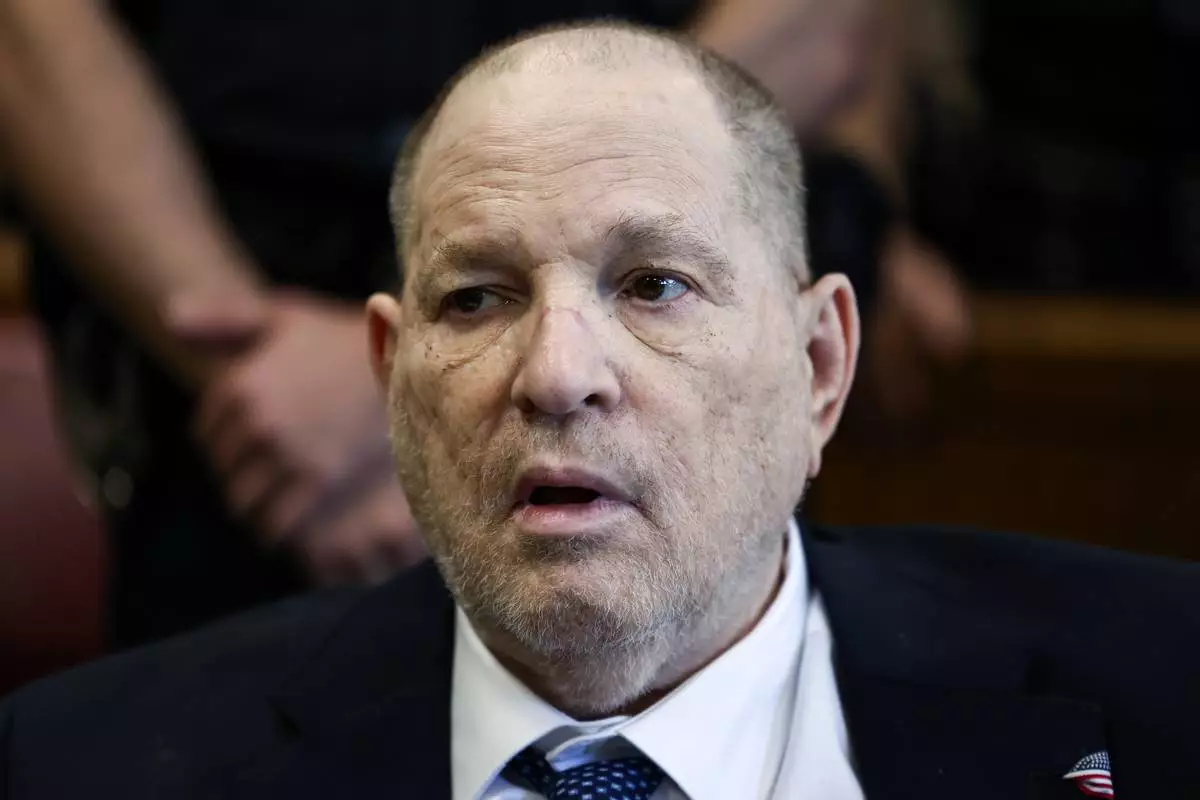
Harvey Weinstein appears in state court in Manhattan for his retrial in New York, Monday, April 27, 2026. (Charly Triballeau/Pool Photo via AP)
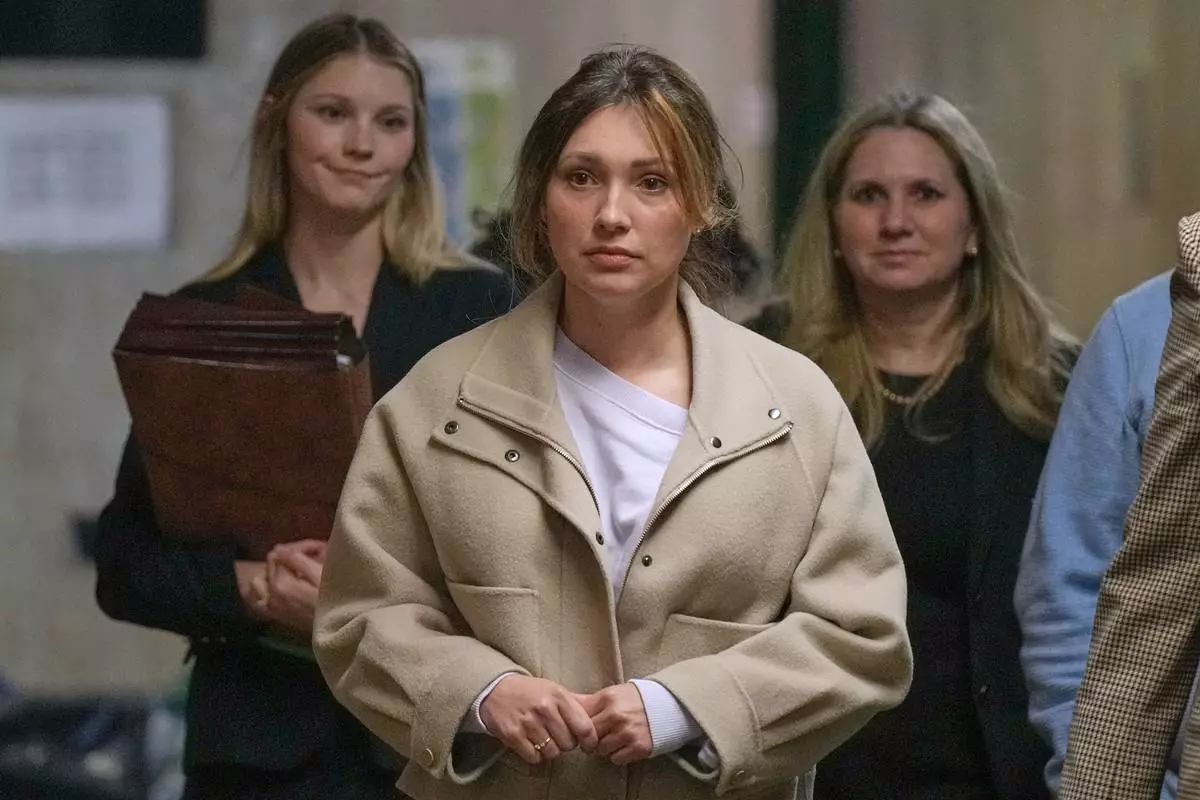
Jessica Mann, center, arrives for Harvey Weinstein's trial in criminal court, followed by Manhattan Assistant District Attorneys Candace White, left, and Nicole Blumberg, in New York, Monday, April 27, 2026. (AP Photo/Richard Drew)

Jessica Mann, center, arrives for Harvey Weinstein's trial in criminal court in New York, Monday, April 27, 2026. (AP Photo/Richard Drew)
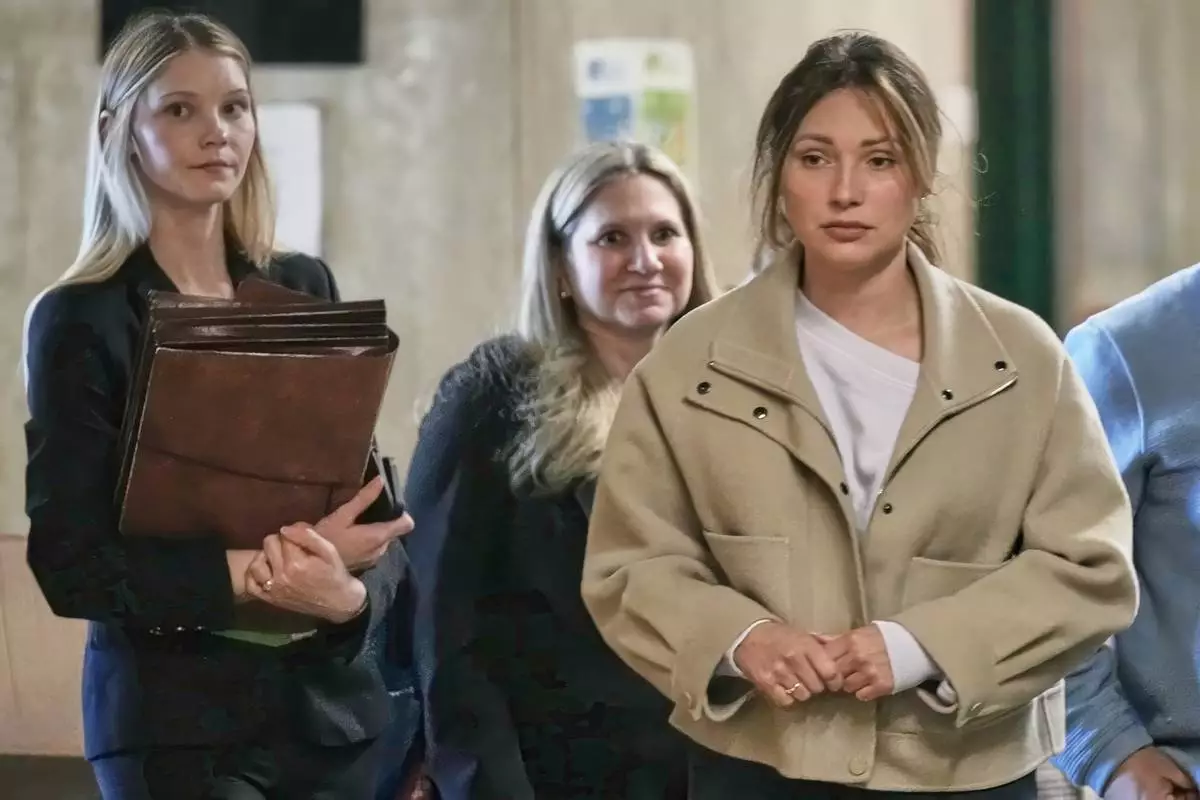
Jessica Mann, right, arrives for Harvey Weinstein's trial in criminal court, followed by Manhattan Assistant District Attorneys Candace White, left, and Nicole Blumberg, in New York, Monday, April 27, 2026. (AP Photo/Richard Drew)

Jessica Mann arrives for Harvey Weinstein's trial in criminal court, in New York, Monday, April 27, 2026. (AP Photo/Richard Drew)