WASHINGTON (AP) — The Senate Banking Committee voted on party lines Wednesday to approve Kevin Warsh as the next chair of the Federal Reserve to replace Jerome Powell, a longtime target of President Donald Trump’s insults for not cutting borrowing costs as far as the president wanted.
The vote was 13-11, with all Republican senators voting in favor and Democrats opposed.
Click to Gallery
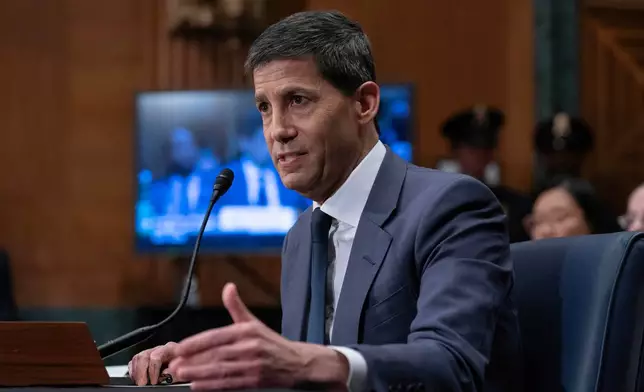
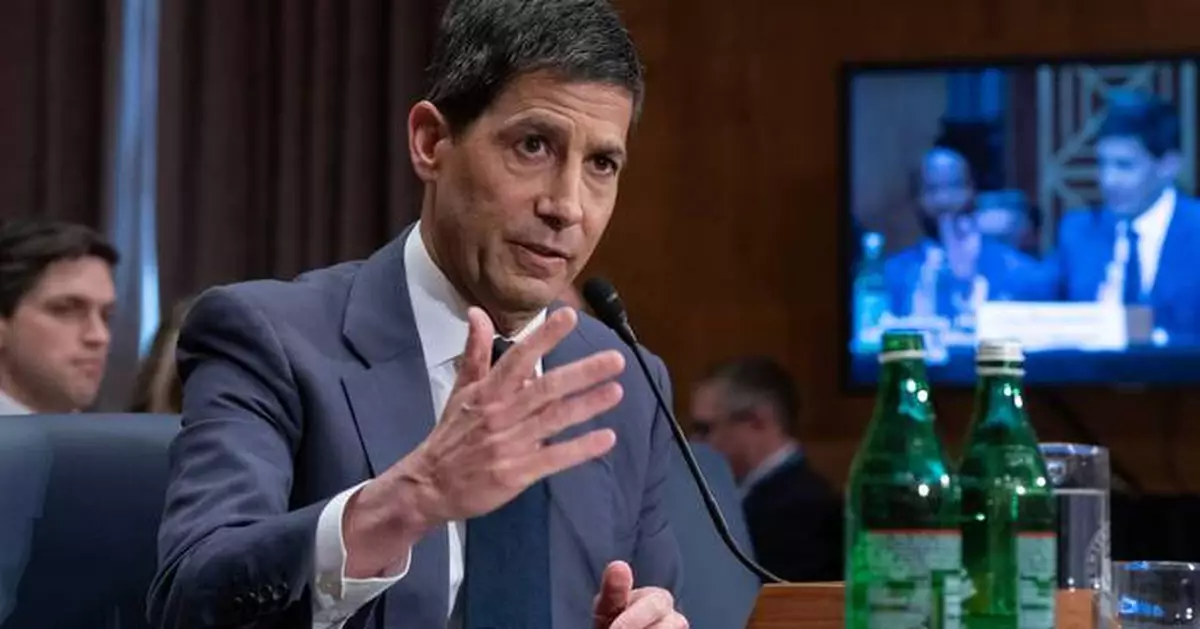
Kevin Warsh testifies during his nomination hearing to be a member and chairman of the Federal Reserve Board of Governors before the Senate Banking, Housing and Urban Affairs Committee on Capitol Hill, in Washington Tuesday, April 21, 2026. (AP Photo/Jose Luis Magana)
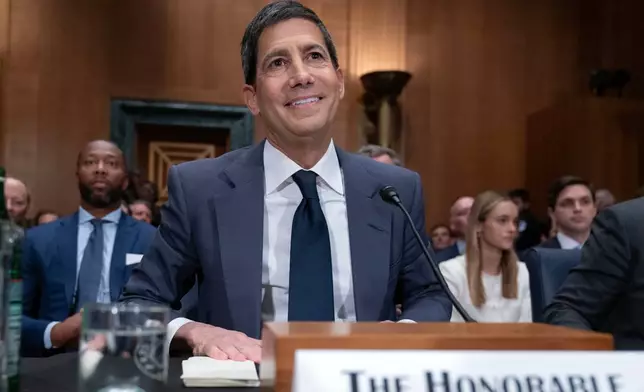
Kevin Warsh testifies during his nomination hearing to be a member and chairman of the Federal Reserve Board of Governors before the Senate Banking, Housing and Urban Affairs Committee on Capitol Hill, in Washington Tuesday, April 21, 2026. (AP Photo/Jose Luis Magana)
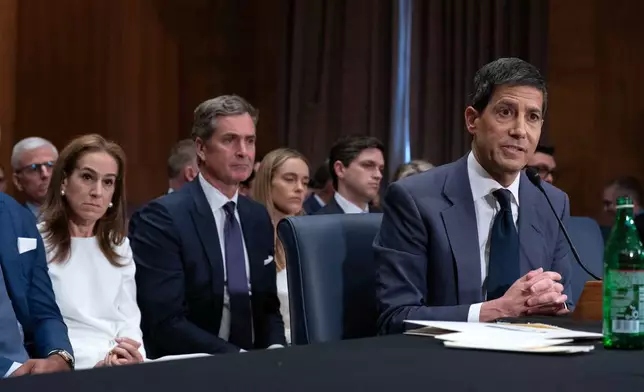
Kevin Warsh testifies during his nomination hearing to be a member and chairman of the Federal Reserve Board of Governors before the Senate Banking, Housing and Urban Affairs Committee on Capitol Hill, in Washington Tuesday, April 21, 2026. (AP Photo/Jose Luis Magana)
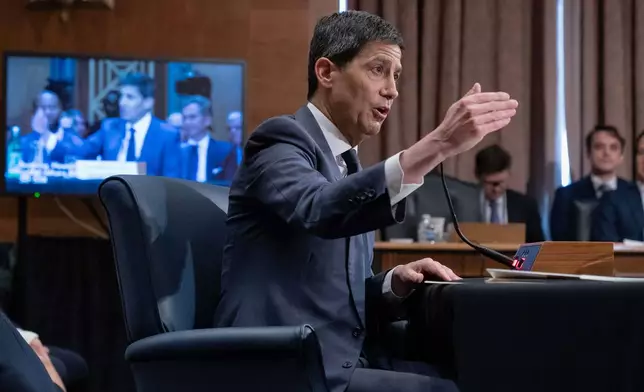
Kevin Warsh testifies during his nomination hearing to be a member and chairman of the Federal Reserve Board of Governors before the Senate Banking, Housing and Urban Affairs Committee on Capitol Hill, in Washington Tuesday, April 21, 2026. (AP Photo/Jose Luis Magana)
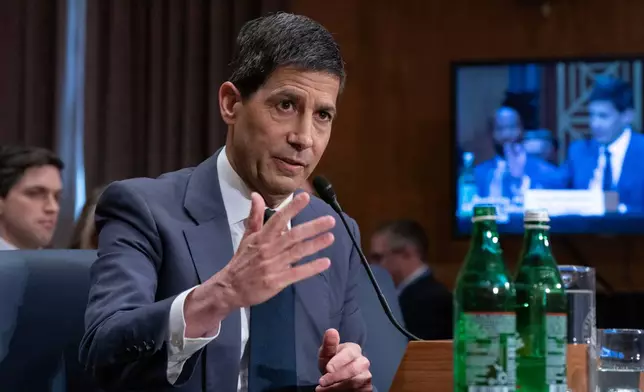
Kevin Warsh testifies during his nomination hearing to be a member and chairman of the Federal Reserve Board of Governors before the Senate Banking, Housing and Urban Affairs Committee on Capitol Hill, in Washington Tuesday, April 21, 2026. (AP Photo/Jose Luis Magana)
Warsh is a former top Fed official but has also been a sharp critic of the institution and Powell’s leadership. He has called the inflation spike to 9.1% in 2022 the central bank’s biggest policy mistake in four decades. A vote on his nomination probably won’t take place until next month, but he could be confirmed by the time Powell’s term as chair ends May 15.
The Senate Banking vote is the first of two key events surrounding the future of the Fed’s leadership. Also Wednesday, Powell is presiding over what will probably be his last meeting of the Fed’s interest rate-setting committee. At a news conference Wednesday afternoon, Powell may indicate whether he will remain as a member of the central bank’s board of governors after his term as chair ends.
It would be unusual for Powell to stay, but doing so would deprive the Trump administration of an opportunity to appoint a new member to the board. Powell may choose to stay if he sees it as necessary to protect the Fed’s independence, which has become part of his legacy as its leader.
Sen. Tim Scott, a South Carolina Republican and chair of the committee, said Warsh is “battle tested” and added that, "It is incredibly important that we break the bind of Bidenomics on households across this nation.”
Sen. Elizabeth Warren, a Democrat from Massachusetts, criticized the banking panel for voting on Warsh's nomination. Doing so “will bring the president one step closer to completing his illegal attempt to seize control of the Fed and artificially juice the economy,” she said, citing Trump's effort to fire Fed governor Lisa Cook and investigate Powell.
The Fed on Wednesday is widely expected to leave its key rate unchanged at about 3.6% for its third straight meeting, defying Trump’s calls for lower rates.
Warsh has called for “regime change” at the Fed and could alter many of its practices, including the economics models it focuses on, how it communicates with the public, and how large its bondholdings will be in the long run.
Those changes could affect financial markets, but otherwise won’t necessarily be visible to the general public. But Warsh has also advocated for additional interest rate cuts, which could potentially lower borrowing costs for mortgages, auto loans, and business loans. He will face barriers to implementing those cuts anytime soon, however, largely because the Iran war has caused a spike in gas prices, pushing inflation to a two-year high of 3.3%.
The Fed typically keeps rates elevated, or even raises them, to combat worsening inflation.
Most of the other 11 members of the Fed’s rate-setting committee have indicated they would prefer to wait and evaluate where inflation and the economy are headed before making any changes to rates. It could take time for Warsh to build up enough influence to push for rapid rate cuts. He will also replace Stephen Miran, a member of the Fed’s rate-setting committee who was appointed by Trump last September and is the most consistent advocate for rate reductions at the central bank.
Warsh also faces questions about his independence from the White House, a key issue that dogged him during a Senate Banking hearing last week. On Wednesday, Warren said, “Mr. Warsh is a Trump sock puppet who is so cowed by the president that he could not even say that Trump lost the 2020 election.”
Last December, Trump called for much lower interest rates in a social media post, and added that “anyone who does not agree with me will never be Fed chair!” And just last week he told Fox Business that he expects rates to head lower, “when Kevin gets in.”
Warsh denied at his hearing, however, that Trump had ever pressured him directly to cut rates.
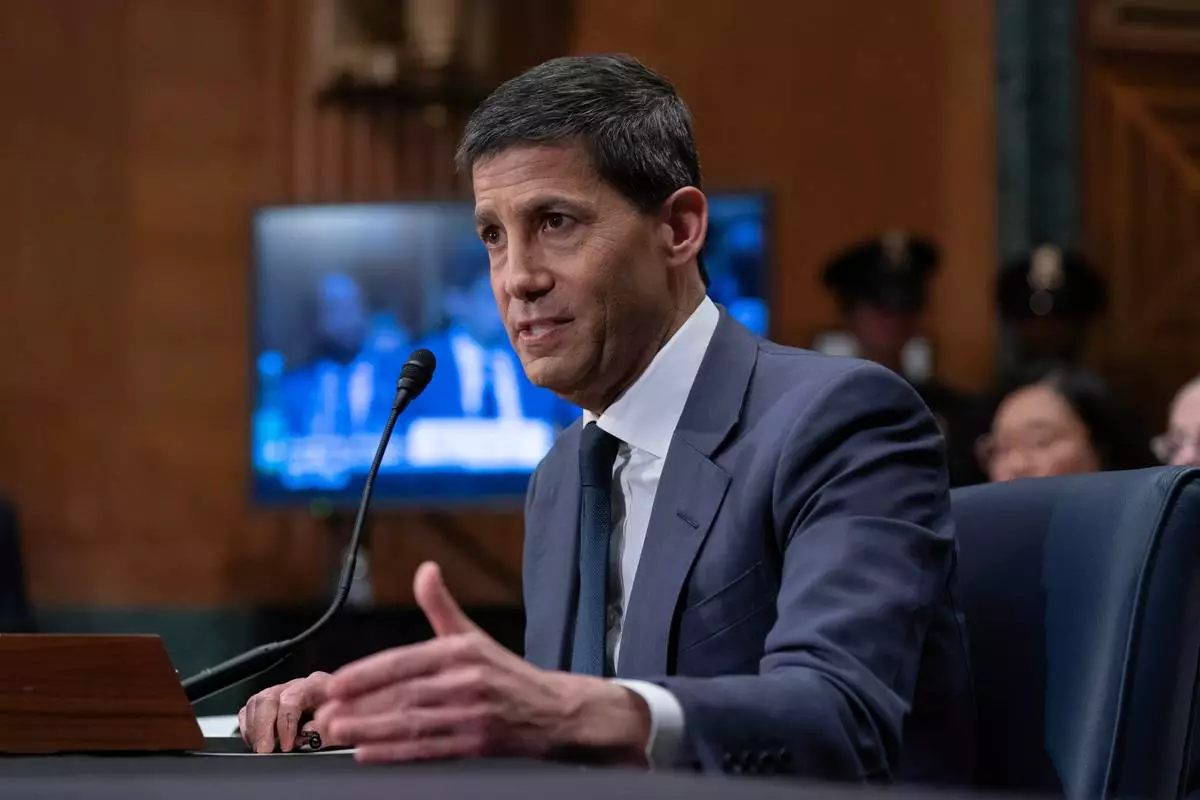
Kevin Warsh testifies during his nomination hearing to be a member and chairman of the Federal Reserve Board of Governors before the Senate Banking, Housing and Urban Affairs Committee on Capitol Hill, in Washington Tuesday, April 21, 2026. (AP Photo/Jose Luis Magana)
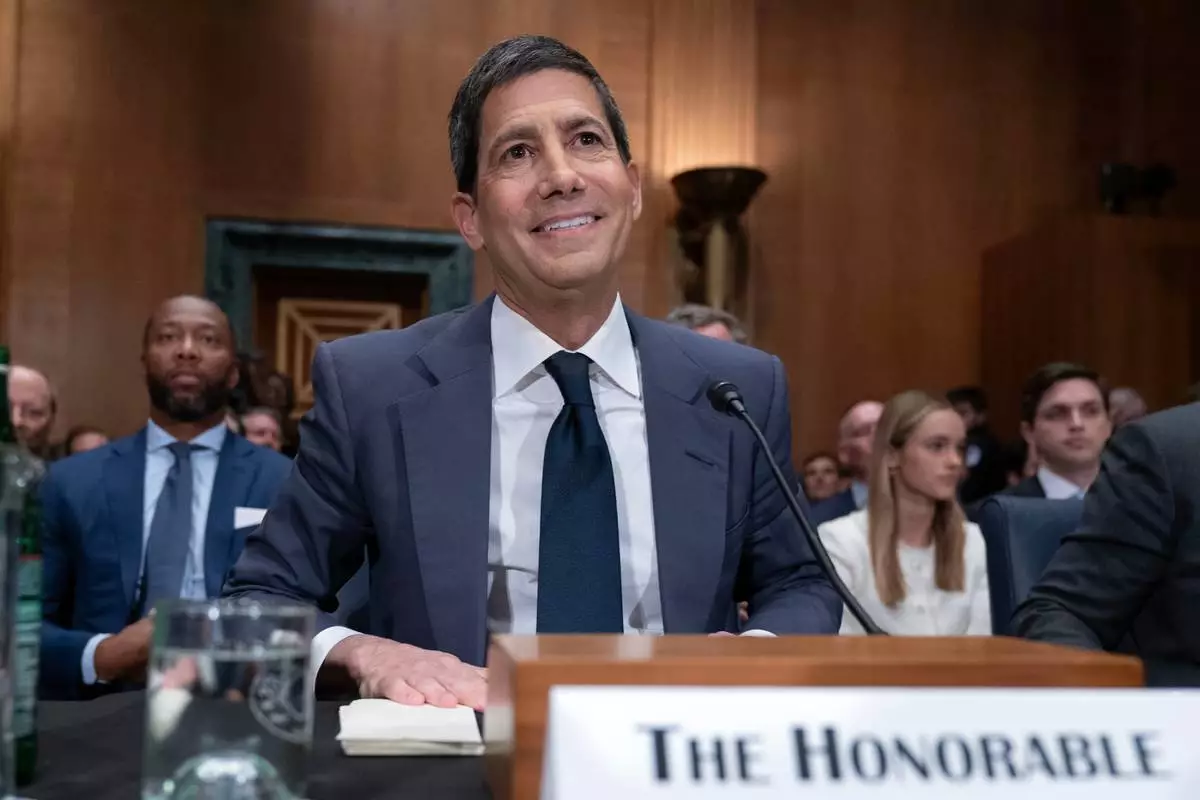
Kevin Warsh testifies during his nomination hearing to be a member and chairman of the Federal Reserve Board of Governors before the Senate Banking, Housing and Urban Affairs Committee on Capitol Hill, in Washington Tuesday, April 21, 2026. (AP Photo/Jose Luis Magana)
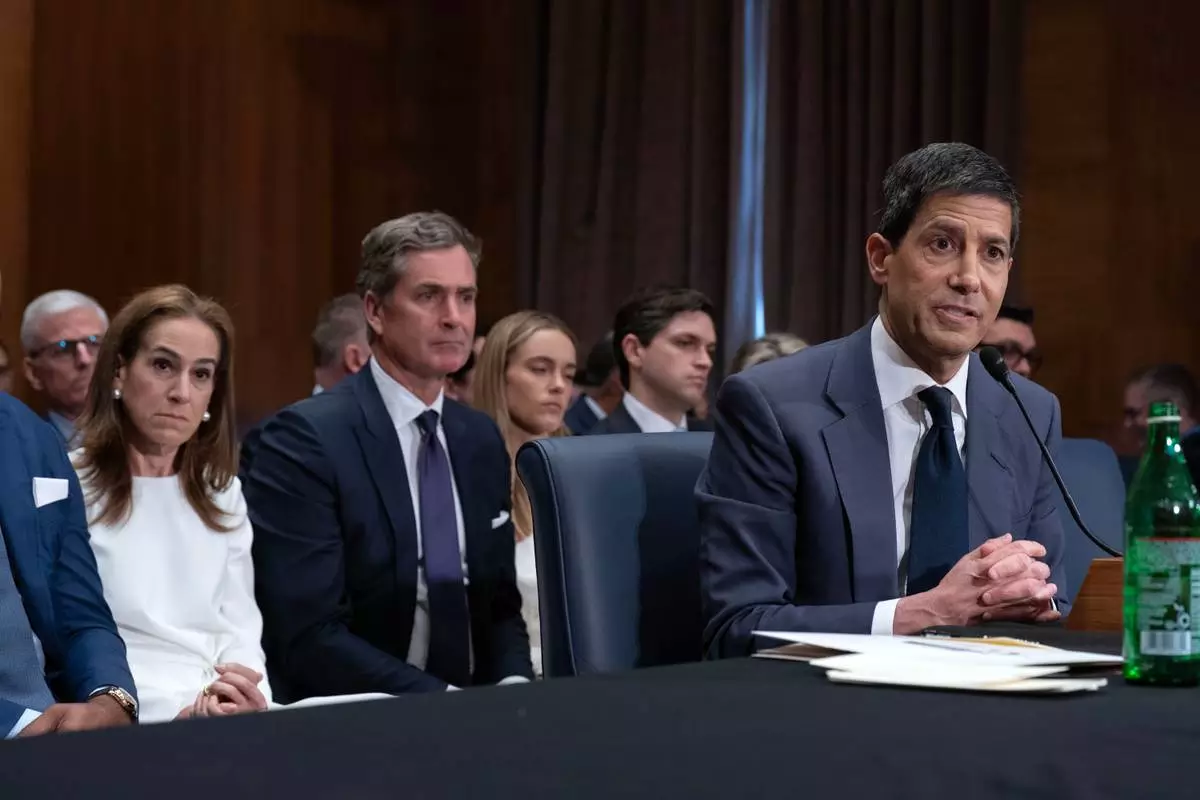
Kevin Warsh testifies during his nomination hearing to be a member and chairman of the Federal Reserve Board of Governors before the Senate Banking, Housing and Urban Affairs Committee on Capitol Hill, in Washington Tuesday, April 21, 2026. (AP Photo/Jose Luis Magana)
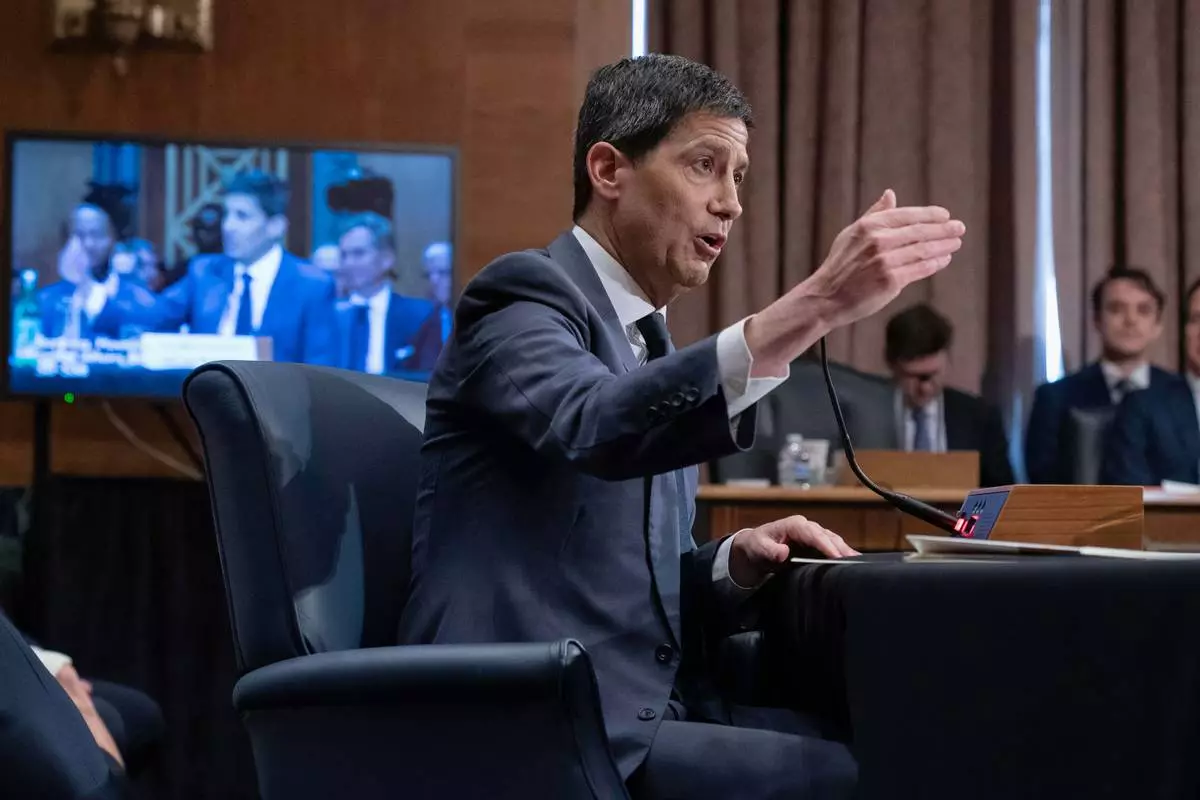
Kevin Warsh testifies during his nomination hearing to be a member and chairman of the Federal Reserve Board of Governors before the Senate Banking, Housing and Urban Affairs Committee on Capitol Hill, in Washington Tuesday, April 21, 2026. (AP Photo/Jose Luis Magana)
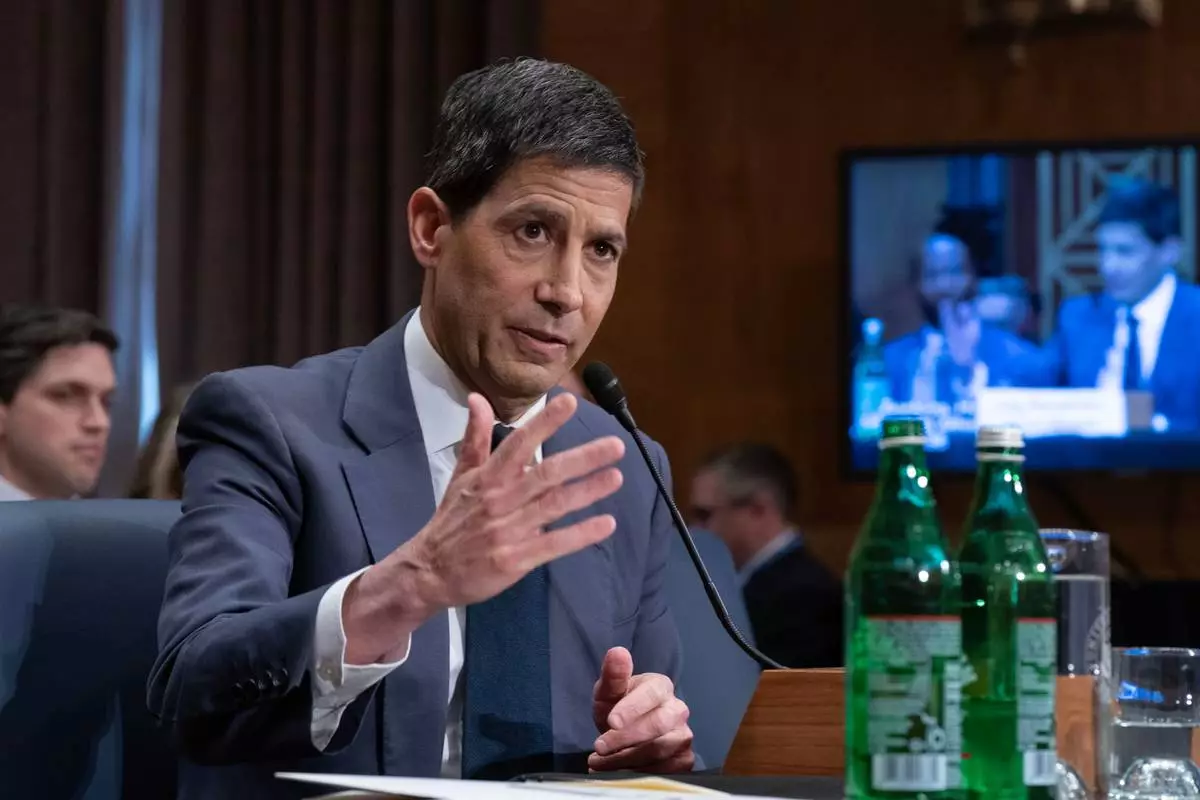
Kevin Warsh testifies during his nomination hearing to be a member and chairman of the Federal Reserve Board of Governors before the Senate Banking, Housing and Urban Affairs Committee on Capitol Hill, in Washington Tuesday, April 21, 2026. (AP Photo/Jose Luis Magana)