Julius Maada Bio, president of Sierra Leone expressed his support for China's zero-tariff policy for African countries, noting that the measures enable the African partners to share the development opportunities with the mega-sized Chinese market.
In June 2025, Chinese president Xi Jinping wrote in a congratulatory letter to the FOCAC (Forum on China-Africa Cooperation) coordinators' meeting, noting that China was prepared to negotiate and sign a China‑Africa Economic Partnership for Shared Development, extending zero‑tariff treatment on all tariff lines to 53 African countries with diplomatic ties to Beijing.
Starting May 1 this year, the zero‑tariff treatment for products from the 53 African countries will take effect.
In an interview with China Media Group, Bio appreciated the way China brings its development dividends to Africa.
"China is a great market, [and its leadership] makes sure that all who are friends of China could enter that market at zero cost, zero tariff. It is this sort of relationship wherein you give us access to a market of that magnitude, provided all the other criteria are met. So we are looking at a China that can grow with its friends. They are not mutually exclusive. You can grow and still carry your friends along with you and that is where the world will become a more peaceful place," said the Sierra Leonean president.
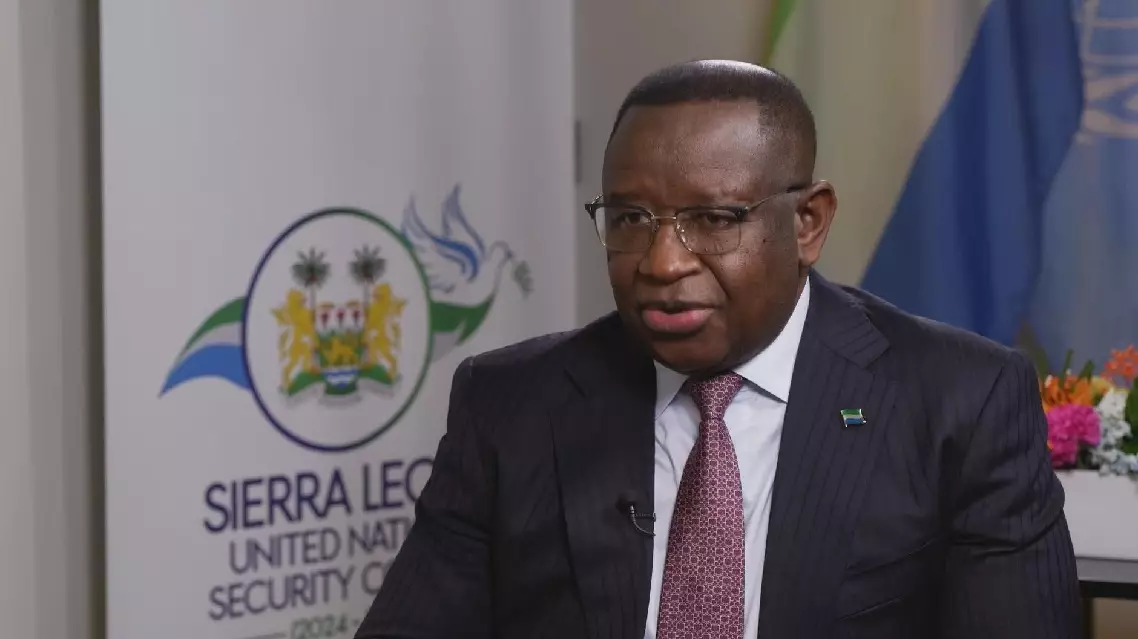
Sierra Leonean President hails China's zero-tariff police to African countries
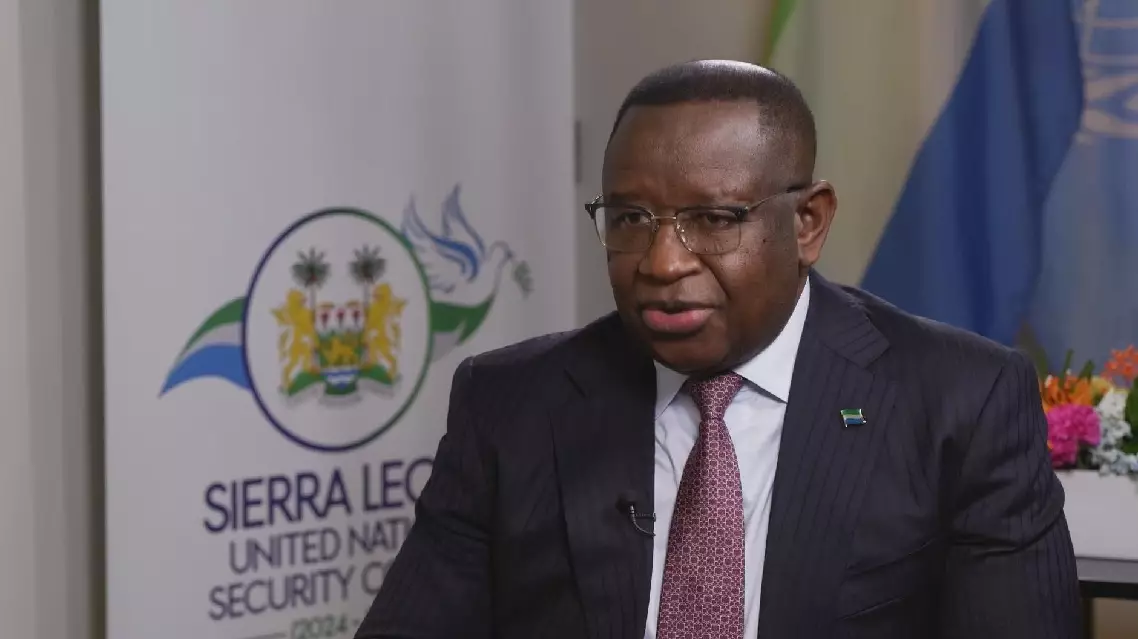
Sierra Leonean President hails China's zero-tariff police to African countries
Chinese President Xi Jinping on Thursday urged greater efforts and more concrete measures to strengthen basic research, enhance China's capacity for original innovation, and further solidify the foundation for building the country's strength in science and technology.
Xi, also general secretary of the Communist Party of China (CPC) Central Committee and chairman of the Central Military Commission, made the remarks while attending a symposium on strengthening basic research in Shanghai.
Several other attendees also spoke at the symposium. After hearing their remarks, Xi delivered a speech.
Xi noted that breakthroughs are accelerating in the new round of technological revolution and industrial transformation, global sci-tech competition has increasingly focused on basic and frontier areas, and the significance of original and disruptive innovation has become increasingly prominent.
Against such a backdrop, he said, China should seize opportunities, respond to challenges, and give high priority to basic research with sustained efforts, to keep generating new outcomes.
Xi emphasized the need to further define the main direction and key sectors of basic research, strengthen the leading role of national research institutions and high-level research universities, encourage and regulate the development of new types of research and development institutions, bolster enterprise-led collaboration between industries, universities, research institutes and end-users, and unclog the chain of innovation featuring basic research, application development and technology transfer.
He urged efforts to strengthen the construction of basic disciplines and promote coordinated development of applied disciplines and basic disciplines. Stressing the need to promote integrated development of education, science and technology, and talent, he called for comprehensive efforts to cultivate, attract and utilize talents in order to build a strong workforce for basic research.
Xi demanded strong support and guarantees for basic research, calling for a gradual increase in the share of basic research spending and the establishment of a diversified investment framework.
He also called for systematic development of major science and technology infrastructure facilities, and the establishment of intelligent research platform systems.
According to Xi, efforts should be made to improve the category-based evaluation system tailored to the distinctive nature of basic research, enhance working and living conditions for basic researchers, and foster an innovation environment that is open, inclusive and tolerant of failure.
He also pointed to the importance of actively integrating into the global innovation network, deepening international exchanges and cooperation in basic research, joining forces to tackle major scientific-technological challenges such as climate change, energy and the environment, and life and health, as well as actively participating in global science and technology governance.
Cai Qi, a member of the Standing Committee of the Political Bureau of the CPC Central Committee and director of the General Office of the CPC Central Committee, also attended the symposium.
Chinese Vice Premier Ding Xuexiang, also a member of the Standing Committee of the Political Bureau of the CPC Central Committee, presided over the symposium.
Ding highlighted the significance of Xi's speech in charting the course and providing fundamental guidance for strengthening basic research.
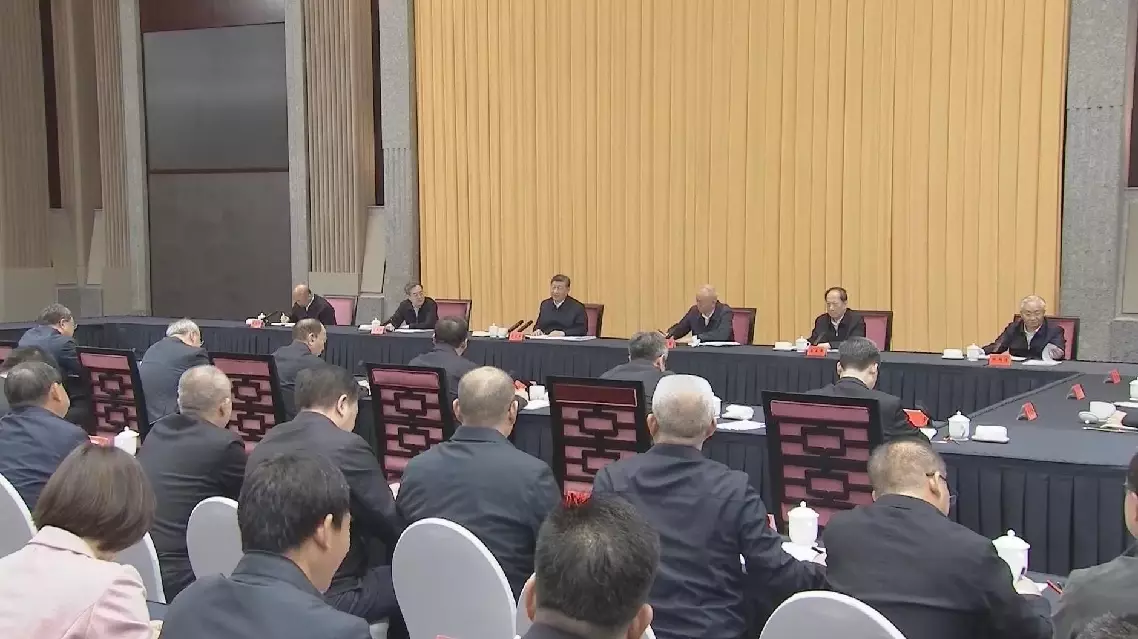
Xi stresses advancing basic research to solidify foundation for building China's strength in science, technology