KYIV, Ukraine (AP) — Ukrainian President Volodymyr Zelenskyy is seeking details of a short-term ceasefire Russia proposed to U.S. President Donald Trump, he said in a post on Telegram on Thursday.
Russian President Vladimir Putin proposed a May 9 ceasefire to coincide with Victory Day in Russia in a phone call with Trump the previous day, according to the Kremlin.
“We have instructed our representatives to contact the United States president’s team and clarify the details of the Russian proposal for a short-term ceasefire,” Zelenskyy said.
Meanwhile, Russian attacks overnight killed one person in the central Ukrainian city of Dnipro and wounded dozens more in the southern port city of Odesa, as Ukraine continued to strike industrial facilities inside Russian territory for a second day in a row.
A ship that created a brief diplomatic scuffle between Israel and Ukraine has departed Israel without unloading what Zelenskyy said were grains Russia stole from occupied areas of Ukraine, Ukrainian officials said.
Putin’s aide Yuri Ushakov said that the Russian president had discussed a ceasefire for the May 9 holiday, when Russia celebrates victory over Nazi Germany in World War II, during a phone call with Trump Wednesday.
But Kremlin spokesperson Dmitry Peskov said Thursday that no definite decision had been made, and that it would be for Putin to decide on the specific terms.
“For now, no concrete decision has been made,” Peskov said.
Zelenskyy said that Ukraine is proposing a longer-term ceasefire. “We will find out exactly what is being discussed, whether it’s a few hours of security for a parade in Moscow or something more," he said in a post on Telegram.
The ship that Ukrainian officials said was carrying stolen grain had anchored close to the Haifa port for several days, but departed from Israel on Thursday morning, according to MarineTraffic.com, which tracks ships.
The Israel Grain Importers Association said that the country’s largest grain import company rejected the shipment, due to the sensitive situation with Ukraine, Israeli media reported. “The Russian supplier of the wheat cargo will be forced to find another destination to unload the cargo,” the association said.
Ukraine's Foreign Minister Andrii Sybiha said the development was welcome.
“This demonstrates that Ukraine’s legal and diplomatic actions have been effective,” he said in a post on X.
Ukrainian President Volodymyr Zelenskyy had threatened sanctions against Israel on Tuesday if the vessel unloaded. Israel’s Foreign Minister Gideon Saar said earlier in the week that the country’s tax authority had opened an investigation into the ship.
In Dnipro, a drone attack killed one person and injured five, Dnipropetrovsk regional head Oleksandr Hanzha said in a post on Telegram. He said a shop, a residential building and vehicles were damaged.
In Odesa, region head Oleh Kiper said Russian forces launched waves of drone attacks on residential buildings and civilian infrastructure in Odesa overnight, wounding 20 people.
He added that Ukrainian air defenses had downed many of the incoming targets but hits and falling debris damaged residential buildings, a hotel, a kindergarten and an administrative building. They also caused fires at several locations which were later extinguished.
Units of Ukraine's Security Service, or SBU, struck Russia's Perm region in the Ural Mountains for a second day in a row, according to a security official.
The official, who spoke on condition of anonymity because they were not authorized to comment publicly, said the drone attack disrupted the Lukoil-Permnefteorgsintez refinery, located over 1,500 kilometers from Ukraine.
Gov. Dmitry Makhonin said an industrial facility was hit, and there were no casualties or any significant damage. He didn’t provide any further details.
Separately, Krasnodar regional governor Veniamin Kondtratyev said in an online statement that a fire caused by a Ukrainian drone attack on a Russian oil refinery at the Black Sea port of Tuapse has been put out after raging for almost two days, with oil products spilling out on the streets of the city.
Ukraine’s Navy said it struck two Russian vessels in the Kerch Strait using sea drones overnight into Thursday.
It said as a result of the strike, a Russian patrol boat called “Sobol” and another vessel named “Grachonok” were hit.
The Kerch bridge which was completed in 2018 links mainland Russia to the Crimean Peninsula, which was illegally annexed by Russia in 2014.
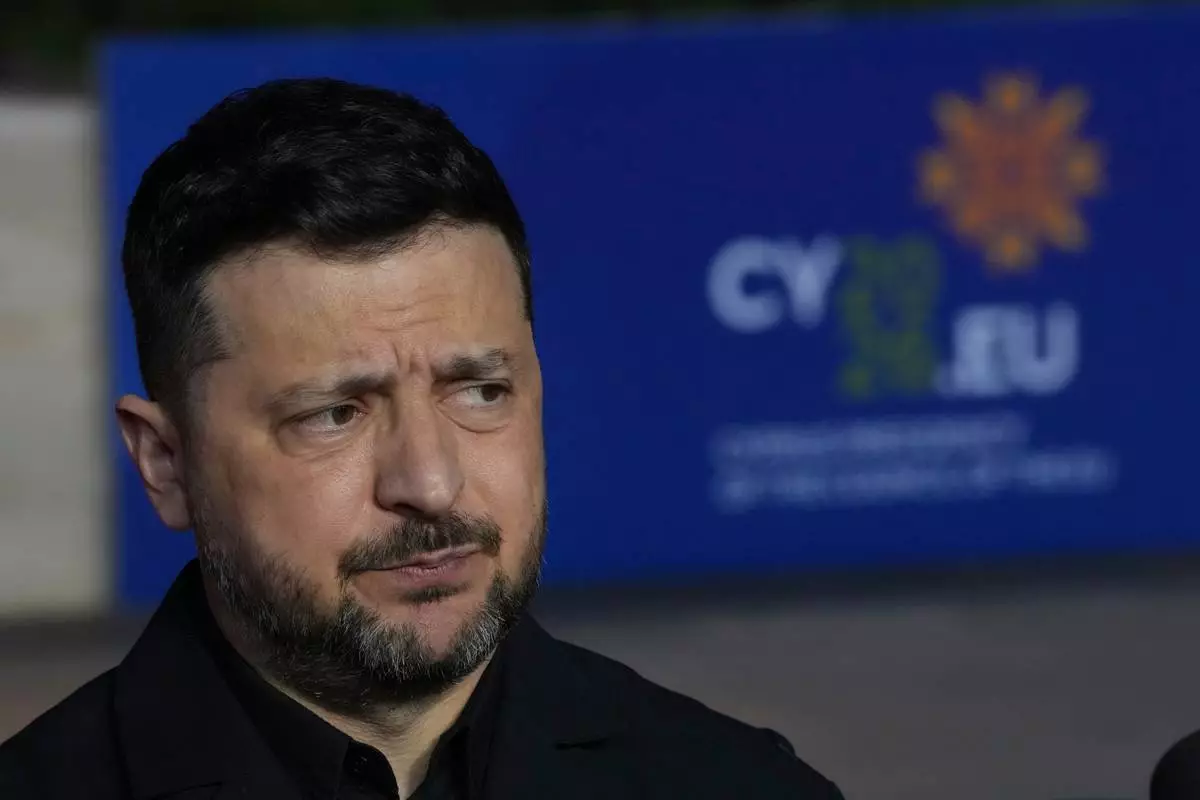
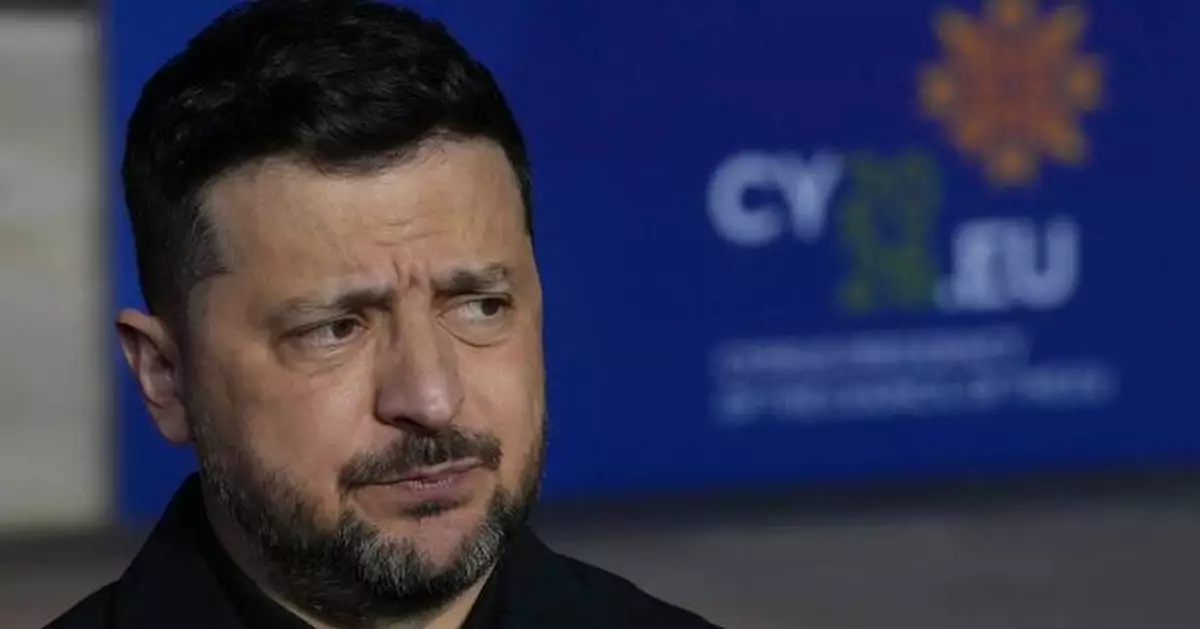
Ukraine's President Volodymyr Zelenskyy makes statements as he arrives for the EU Summit in Ayia Napa, Cyprus, Thursday, April 23, 2026. (AP Photo/Petros Karadjias)
MEXICO CITY (AP) — Mexico is vowing an independent investigation of 10 current and former officials indicted in the U.S. on charges of drug trafficking and illegal possession of weapons in connection with the Sinaloa Cartel.
Mexican President Claudia Sheinbaum said on Thursday she wouldn’t let foreign governments meddle in her country’s affairs to serve their own political purposes.
The indictment in New York on Wednesday charged a number of sitting officials in Sinaloa, including members of Sheinbaum's progressive Morena party, with drug trafficking and illegal possession of weapons. It fueled a political firestorm at a time when Sheinbaum has sought to offset U.S. pressures to crack down on cartels while appeasing her own base with a message of Mexican sovereignty.
Mexico's government said that it had seen an extradition request from the U.S. for 10 citizens and added that the request didn't provide enough evidence to warrant an arrest.
The highest profile official implicated was Sinaloa Gov. Rubén Rocha Moya, a top Morena official and close ally of Sheinbaum's mentor and predecessor, former President Andrés Manuel López Obrador.
Sheinbaum on Thursday said that Mexican prosecutors would investigate the cases and gather their own information to “determine whether there is evidence establishing that the allegations made by U.S. authorities have a legal basis for requesting arrest warrants.”
The president previously said that she had seen no evidence to back up the U.S. allegations. She added that she was ready to put her foot down if Mexican investigations find “no clear evidence” that those charged committed a crime.
“If it is evident that the Justice Department’s charges are politically motivated, let there be absolutely no doubt: under no circumstances will we allow a foreign government to interfere in decisions that are the exclusive prerogative of the Mexican people,” Sheinbaum said.
The accusations against the governor of Sinaloa ramp up already mounting pressures on the Trump administration on Mexico, as many analysts note they haven't seen the U.S. target a high-ranking official still in office.
Carlos Pérez Ricart, a professor the Mexican Center for Research and Economic Education, the move marks “a foreign government provoking a political earthquake in Mexico” to back its own political rhetoric around drug-trafficking and intervention in Latin America.
“U.S. justice is currently serving an interventionist foreign policy with specific objectives in Mexico,” he added.
Rocha, the governor, categorically rejected the accusations on Wednesday, writing on a social media post that they “lack any basis in truth.”
The indictment also charged the mayor of Sinaloa’s capital and a senator, both from Sheinbaum’s Morena party, and other officials that held positions not affiliated with any political party. Rocha and other officials called it an attack on their left-leaning political movement.
According to the indictment, the defendants shielded Sinaloa Cartel leaders from investigation, arrest, and prosecution, fed the cartel with sensitive law enforcement and military information, directed members of state and local law enforcement agencies to protect drug loads and let the cartel commit brutal drug-related violence without consequence. In return, it said, the defendants received millions of dollars in drug money.
The cartel is one of eight Latin American criminal groups that the U.S. has designated as a terrorist organization.
The indictment of Rocha, who was born in the same town as “El Chapo,” was particularly notable because the governor was embroiled in a scandal in 2024 involving the Sinaloa Cartel. His name was published in a letter written by a then-Sinaloa Cartel capo who was kidnapped by leaders of a rival faction of the cartel and handed off to law enforcement in the U.S. In the letter, the capo said that when he was kidnapped he believed he was on his way to meet with Rocha.
Mexico's Deputy Attorney General Ulises Lara said in a video released Wednesday night that Mexico's government would only approve of the extradition if there is sufficient evidence, which they so far haven't been provided by Washington.
He noted that sitting officials would need to be impeached before any major actions by Mexican authorities to lift their legal immunity and criticized the U.S. release of details about the case, calling them “detrimental to the confidential nature of criminal proceedings.”
Associated Press journalist Fabiola Sánchez contributed to this report from Mexico City.
Follow AP’s coverage of Latin America and the Caribbean at https://apnews.com/hub/latin-america
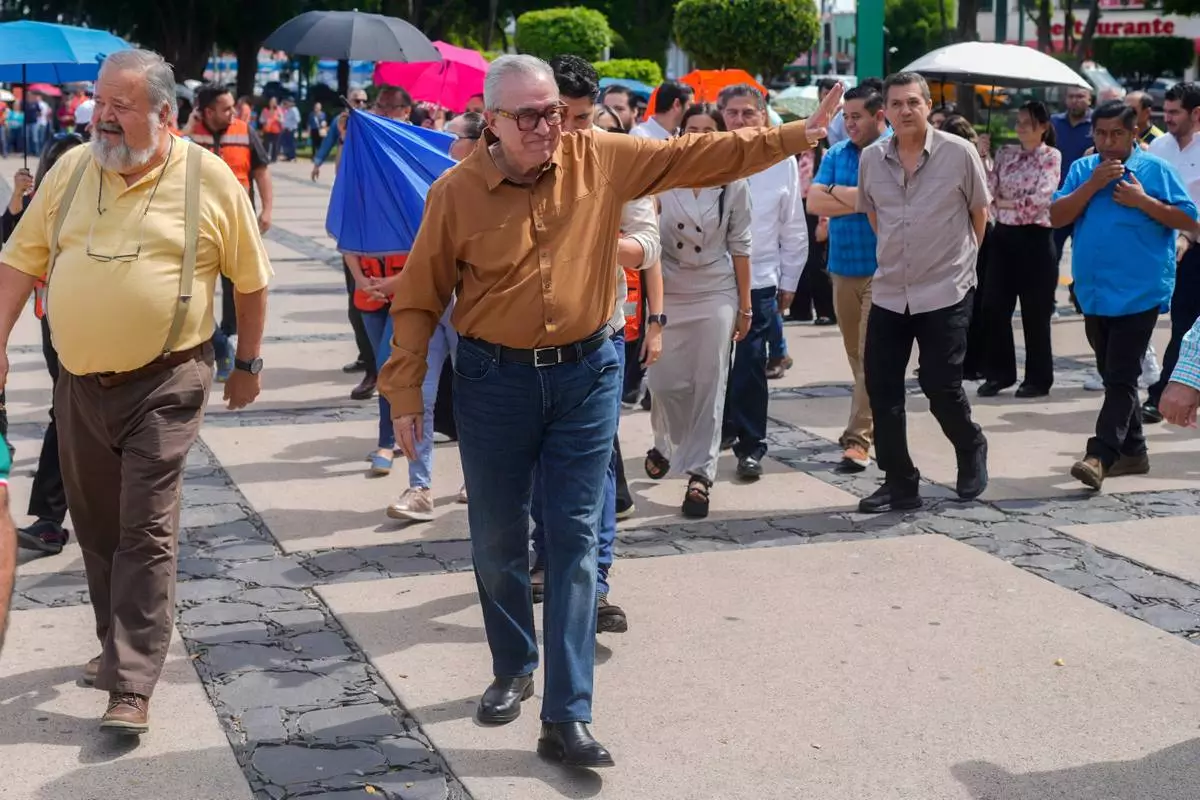
FILE - Sinaloa state Gov. Ruben Rocha waves as he takes part in an annual earthquake drill in Culiacan, Mexico, Sept. 19, 2024. (AP Photo/Eduardo Verdugo, File)
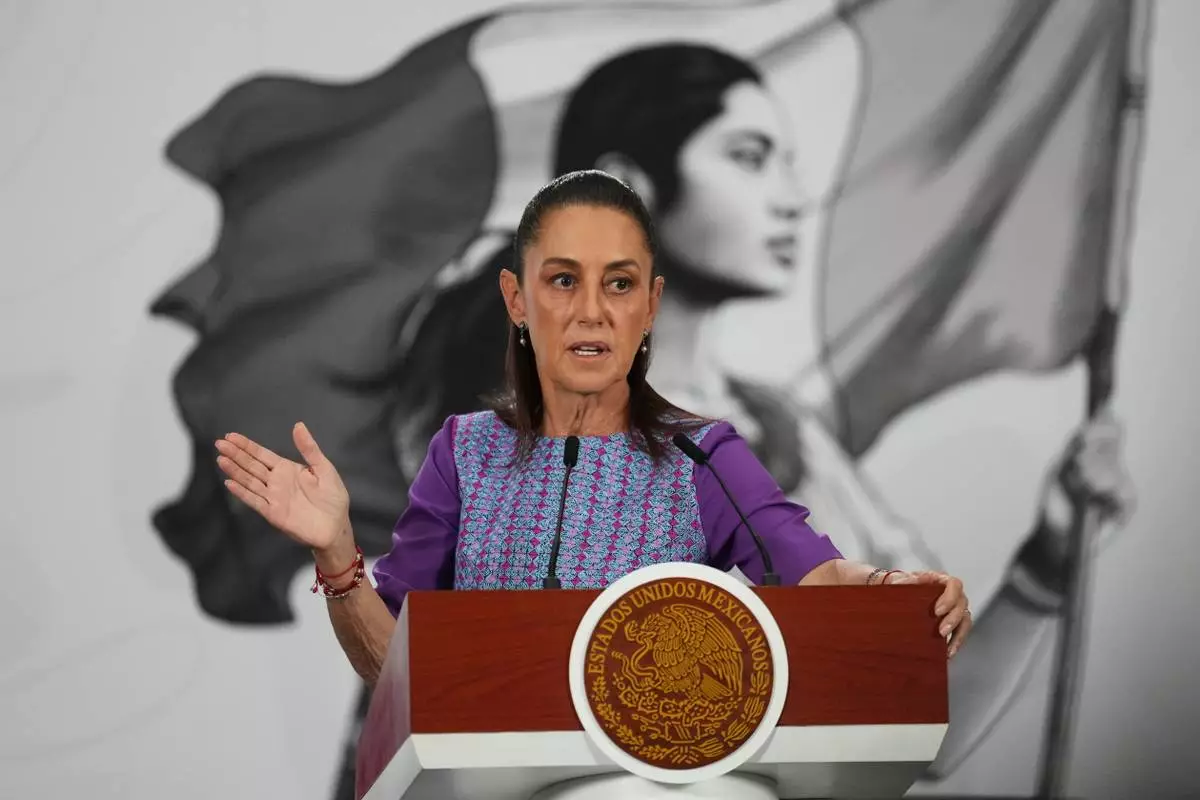
President Claudia Sheinbaum gives her daily morning press conference at the National Palace in Mexico City, Thursday, April 30, 2026. (AP Photo/Fernando Llano)
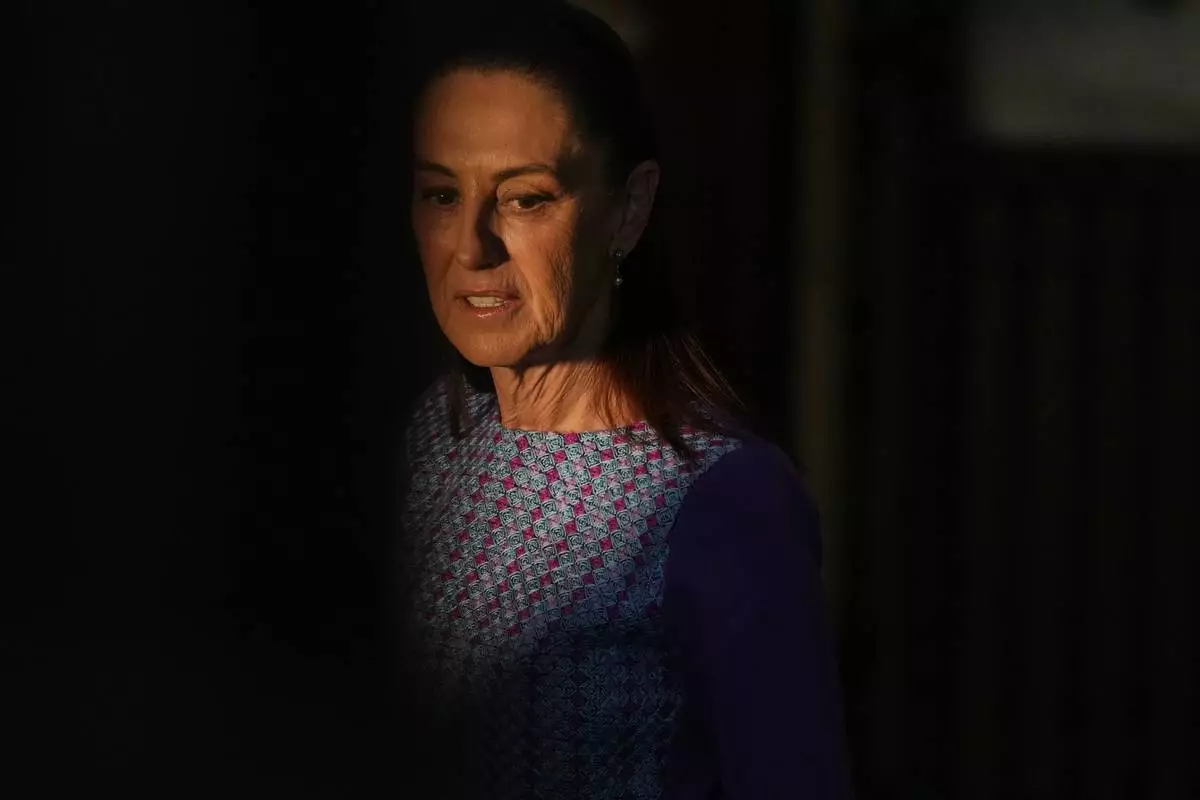
Mexican President Claudia Sheinbaum arrives at the National Palace to give her daily morning press conference in Mexico City, Thursday, April 30, 2026. (AP Photo/Fernando Llano)