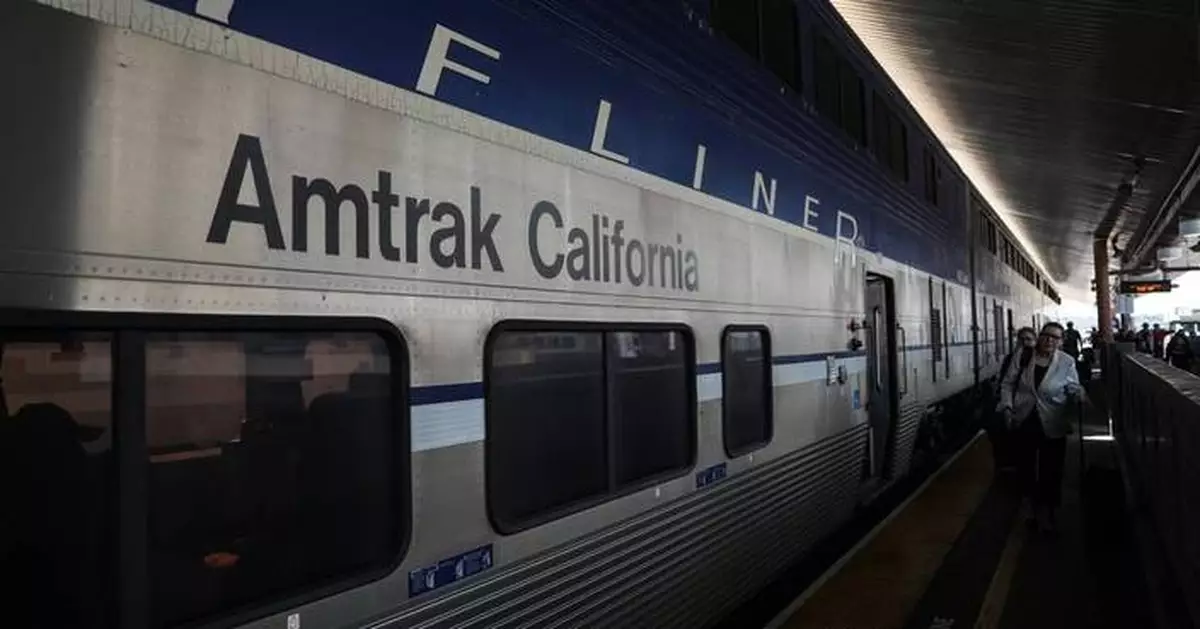
Skip to Content Facebook Feature Image

Amtrak may make it easier to bring guns on its trains despite the alleged attempt on Trump's life

News

Amtrak may make it easier to bring guns on its trains despite the alleged attempt on Trump's life
News

News

Amtrak may make it easier to bring guns on its trains despite the alleged attempt on Trump's life

2026-05-01 05:32 Last Updated At:05:50

Amtrak is considering allowing people to store guns in lockboxes on most of its trains, which critics say would weaken security measures that instead should be strengthened in light of the shooting at last weekend's White House Correspondents' Association dinner.

The company has been considering the policy change since at least early this year, after being pressured by Trump administration officials to ease restrictions on transporting weapons, two people familiar with the proposed plan told The Associated Press on condition of anonymity because they weren’t authorized to speak about it publicly.

More Images
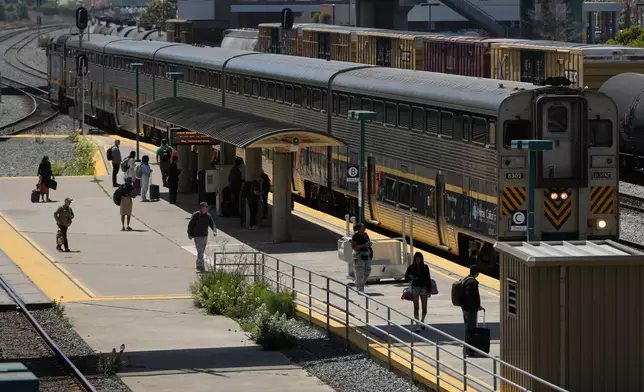
Passengers wait to board an Amtrak train at a station in Emeryville, Calif., Thursday, April 30, 2026. (AP Photo/Jeff Chiu)
Passengers wait to board an Amtrak train at a station in Emeryville, Calif., Thursday, April 30, 2026. (AP Photo/Jeff Chiu)

An Amtrak train leaves a station in Emeryville, Calif., Thursday, April 30, 2026. (AP Photo/Jeff Chiu)
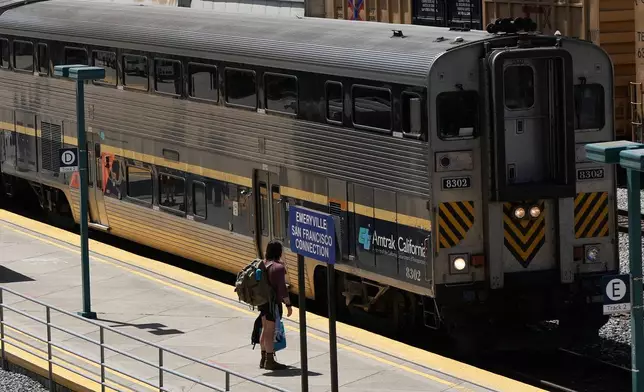
An Amtrak train leaves a station in Emeryville, Calif., Thursday, April 30, 2026. (AP Photo/Jeff Chiu)

A passenger waits to board an Amtrak train at a station in Emeryville, Calif., Thursday, April 30, 2026. (AP Photo/Jeff Chiu)
A passenger waits to board an Amtrak train at a station in Emeryville, Calif., Thursday, April 30, 2026. (AP Photo/Jeff Chiu)

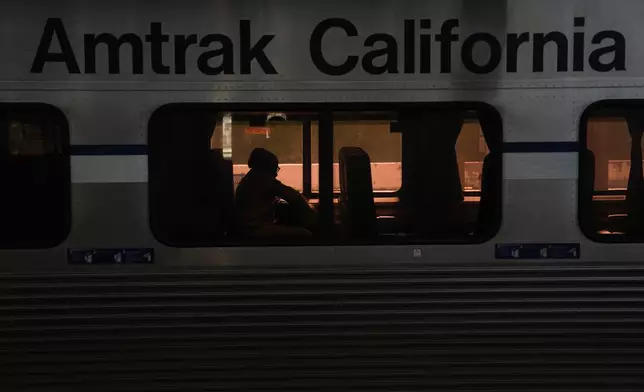
A passenger sits aboard an Amtrak train at Union Station in Los Angeles, Thursday, April 30, 2026. (AP Photo/Jae C. Hong)
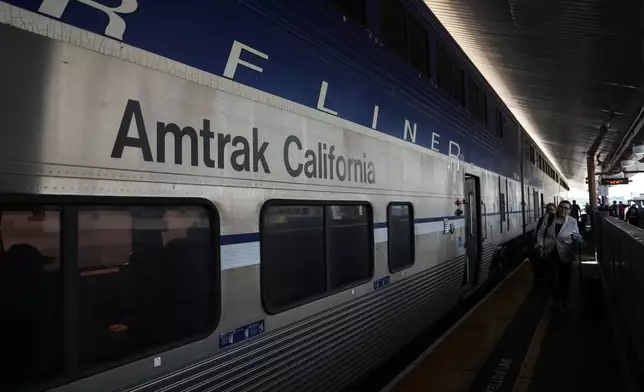
A passenger sits aboard an Amtrak train at Union Station in Los Angeles, Thursday, April 30, 2026. (AP Photo/Jae C. Hong)

Passengers deboard an Amtrak train at Union Station in Los Angeles, Thursday, April 30, 2026. (AP Photo/Jae C. Hong)

Passengers deboard an Amtrak train at Union Station in Los Angeles, Thursday, April 30, 2026. (AP Photo/Jae C. Hong)

They said the railroad hasn’t abandoned the proposal despite Saturday’s arrest of a man who authorities say traveled by Amtrak from California to Washington, D.C., with his firearms intent on killing President Donald Trump and other administration officials at Saturday's event.

Cole Tomas Allen was arrested after authorities say he tried to race past security barricades near the hotel ballroom that was hosting the dinner, prompting an exchange of gunfire with Secret Service agents. A Secret Service officer wearing a bullet-resistant vest was shot in the vest and survived.

Authorities say Allen was armed with a shotgun and semiautomatic pistol that he brought with him by rail from his home in Torrance, California. Amtrak declined to say if he followed the company’s existing rules, which would have required him to declare he had guns and allow the railroad to lock them up with his checked bags. A lawyer for Allen has said he has no criminal record and is presumed innocent.

Amtrak's proposed rule change, which the railroad could begin testing soon, calls for adding lockboxes to its trains to allow passengers throughout the country to bring guns aboard, instead of only allowing guns on trains that have locked baggage cars, according to the people who spoke to the AP.

The change would open up more than 1,500 trains a day to allowing guns aboard — including the routes that roughly 750,000 people travel every day in Amtrak's Northeast Corridor — instead of the current rule that only allows guns on a couple dozen mostly long-distance trains that have locked baggage cars.

John Feinblatt, president of the advocacy group Everytown for Gun Safety, said doing this would decrease safety.

“Just days after a man took an Amtrak train to Washington with a shotgun and pistol and tried to assassinate the president and other federal officials, the Trump Administration is trying to open the floodgates for firearms on every Amtrak route, while also moving to hollow out the agency responsible for enforcing gun laws and preventing gun trafficking,” he said. “This will only make Americans less safe and Congress must step in before the next tragedy.”

Officials at Amtrak and the Transportation Department didn't immediately respond to questions about the gun policy.

Currently, Amtrak requires passengers to declare they are bringing firearms aboard and secure them unloaded in a hard case. The guns must meet certain size and weight requirements. Such weapons are only allowed in checked baggage, similar to policies for firearms being transported on commercial flights.

This proposed change would still require guns to be locked up aboard trains, and only the conductor would have the key, according to the two people who spoke to the AP. But the plan would be to add lock boxes to every train.

It's unclear how Amtrak would determine who is legally allowed to carry a gun and whether local laws at their destinations would permit it. In some places, including New York City, there are restrictions on who can carry guns and a permit might be required. But other places have looser gun restrictions.

Despite Amtrak's current gun policies, it's possible that some passengers are already armed or have carried guns on board. Unlike airports, which screen passengers and their luggage, train passengers aren't screened and Amtrak doesn't run passenger names through a criminal database to identify possible threats. That's true at crowded terminals such as Washington's Union Station and the tiny unstaffed stations throughout the country where trains stop in the middle of the night to pick up passengers.

In those sleepy unstaffed stations, passengers routinely board and the train starts moving again before the conductor ever makes contact or scans their tickets. So there would be at least several minutes before a gun could be secured under the proposal.

Security expert Sheldon Jacobson, whose research contributed to the design of the TSA PreCheck system used in aviation, said railroads should do more to screen their passengers ahead of time by collecting more information when they sell the tickets and checking passengers' backgrounds. But he said it's not possible to eliminate guns on trains when there is no way to enforce the rule.

“The initial condition is that there’s almost 400 million guns in this country,” he said. “Then work from there as opposed to trying to create a utopian environment where there’s not guns and we’re going to keep it that way.”

Rail travel poses fewer risks than air travel, so it wouldn’t be worth the investment needed to create a strict passenger screening system at every train station similar to what TSA does at airports, Jacobson said. But he acknowledged that calculation could change if there ever were a major tragedy on a passenger train.

“You have to weigh the risks and rewards. And you have to say, where are we going to put our money to get the greatest risk reduction for the greatest benefit with the least inconvenience to people?” he said.

Unions have been fighting to strengthen passenger rail workers' protections for nearly a decade, after several incidents like the 2017 shooting of a conductor by an enraged passenger at the train station in Naperville, Illinois.

Two bills in Congress would give rail workers similar protections to what airline crews have by making it a federal crime to interfere with or assault a rail worker performing their duties. The unions have also had some success getting states to pass laws.

Amtrak and many other ground transportation companies barred weapons on trains and buses after 9/11, but none put security measures in place to detect or screen every passenger for firearms. In 2010, Congress passed a law requiring Amtrak and other companies to allow firearms to be transported as long as they are checked.
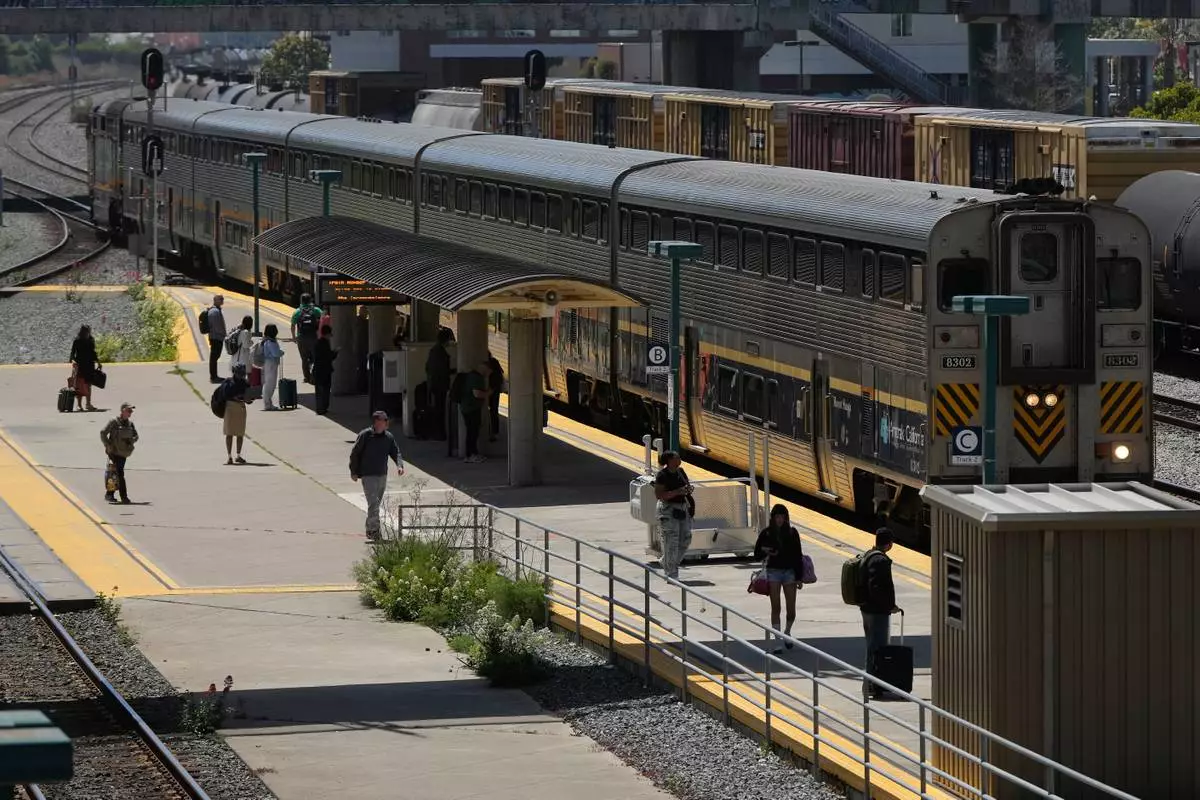
Passengers wait to board an Amtrak train at a station in Emeryville, Calif., Thursday, April 30, 2026. (AP Photo/Jeff Chiu)
Passengers wait to board an Amtrak train at a station in Emeryville, Calif., Thursday, April 30, 2026. (AP Photo/Jeff Chiu)

An Amtrak train leaves a station in Emeryville, Calif., Thursday, April 30, 2026. (AP Photo/Jeff Chiu)
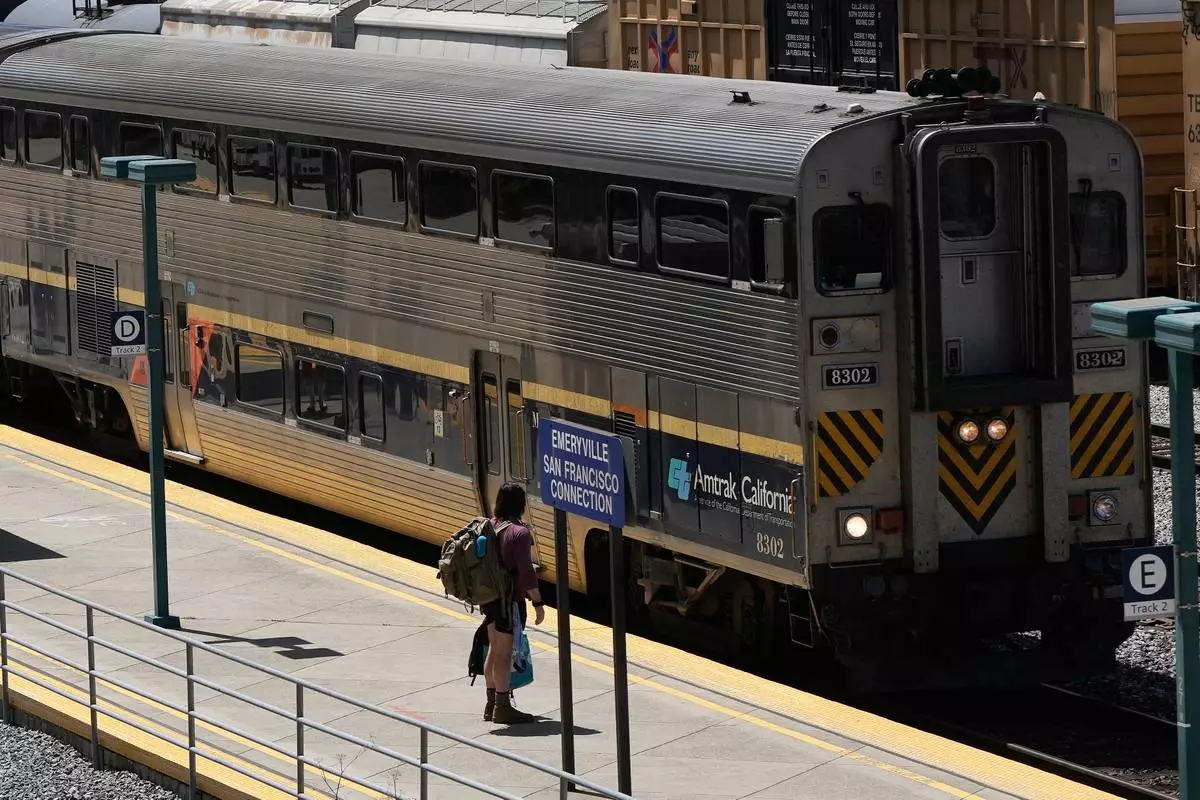
An Amtrak train leaves a station in Emeryville, Calif., Thursday, April 30, 2026. (AP Photo/Jeff Chiu)

A passenger waits to board an Amtrak train at a station in Emeryville, Calif., Thursday, April 30, 2026. (AP Photo/Jeff Chiu)
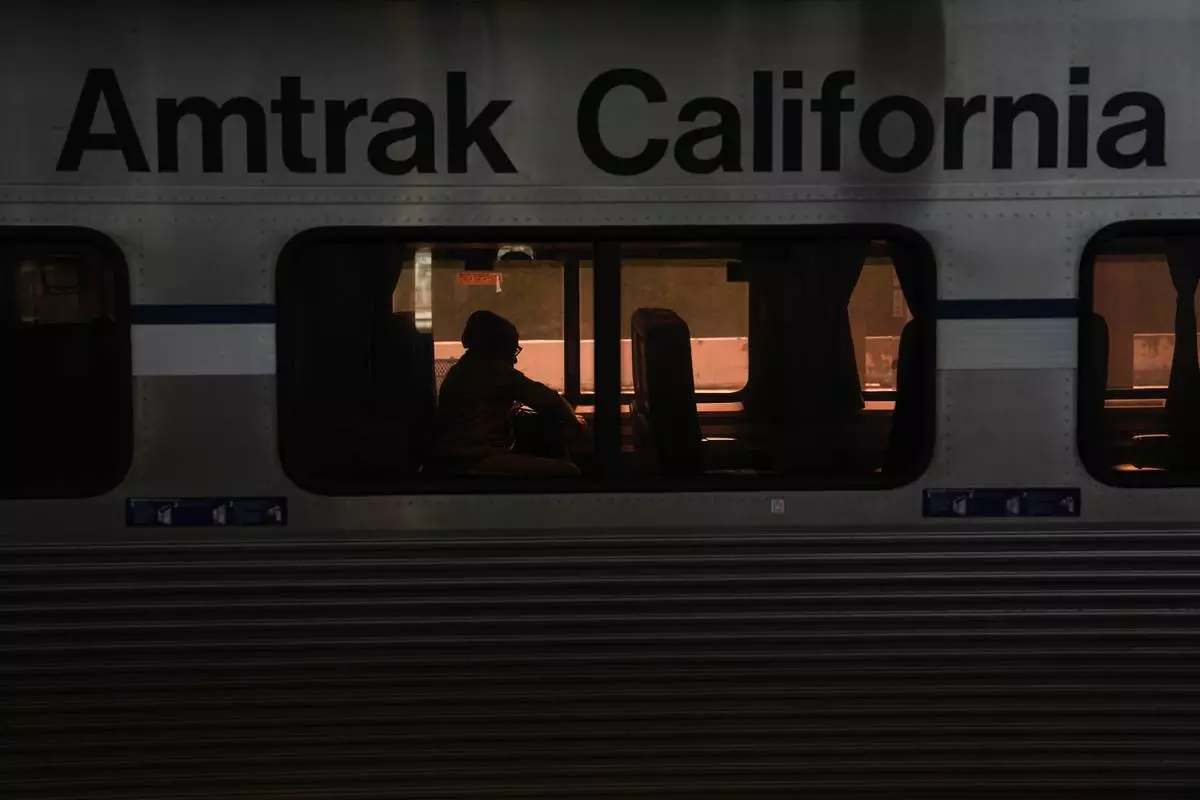
A passenger waits to board an Amtrak train at a station in Emeryville, Calif., Thursday, April 30, 2026. (AP Photo/Jeff Chiu)

A passenger sits aboard an Amtrak train at Union Station in Los Angeles, Thursday, April 30, 2026. (AP Photo/Jae C. Hong)
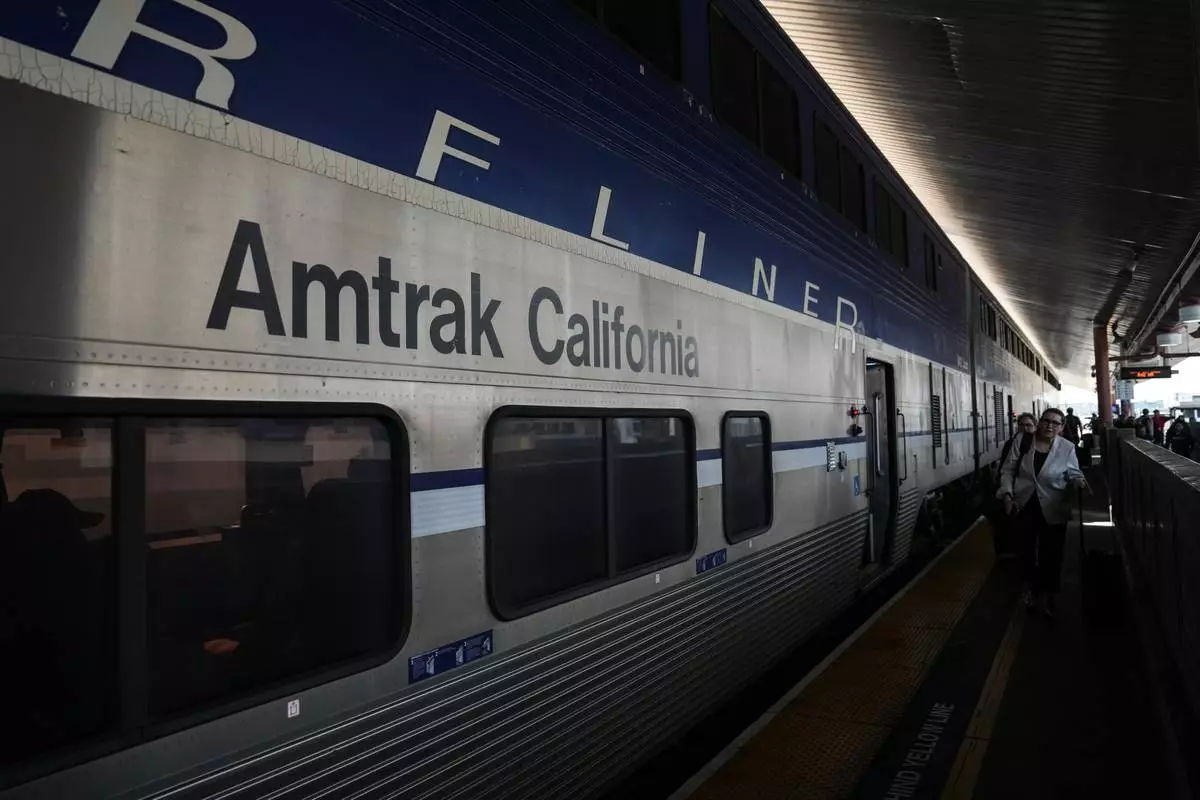
A passenger sits aboard an Amtrak train at Union Station in Los Angeles, Thursday, April 30, 2026. (AP Photo/Jae C. Hong)

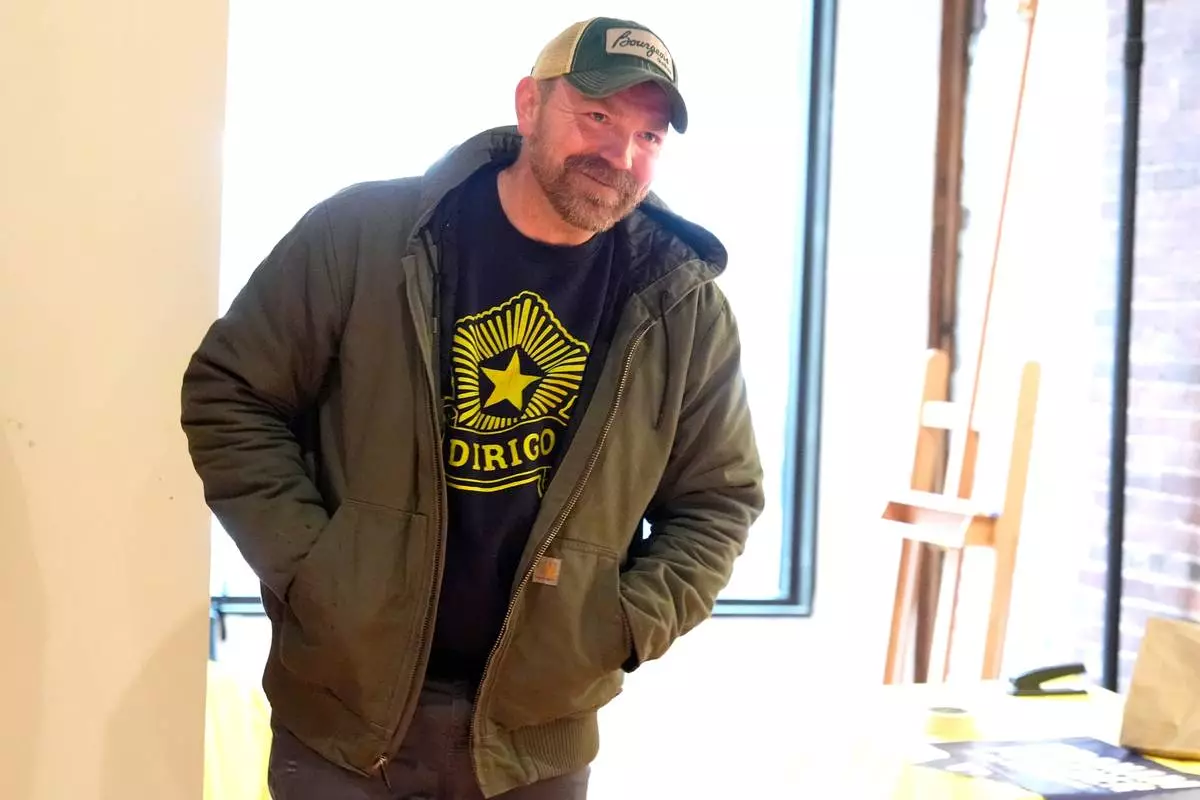
Passengers deboard an Amtrak train at Union Station in Los Angeles, Thursday, April 30, 2026. (AP Photo/Jae C. Hong)
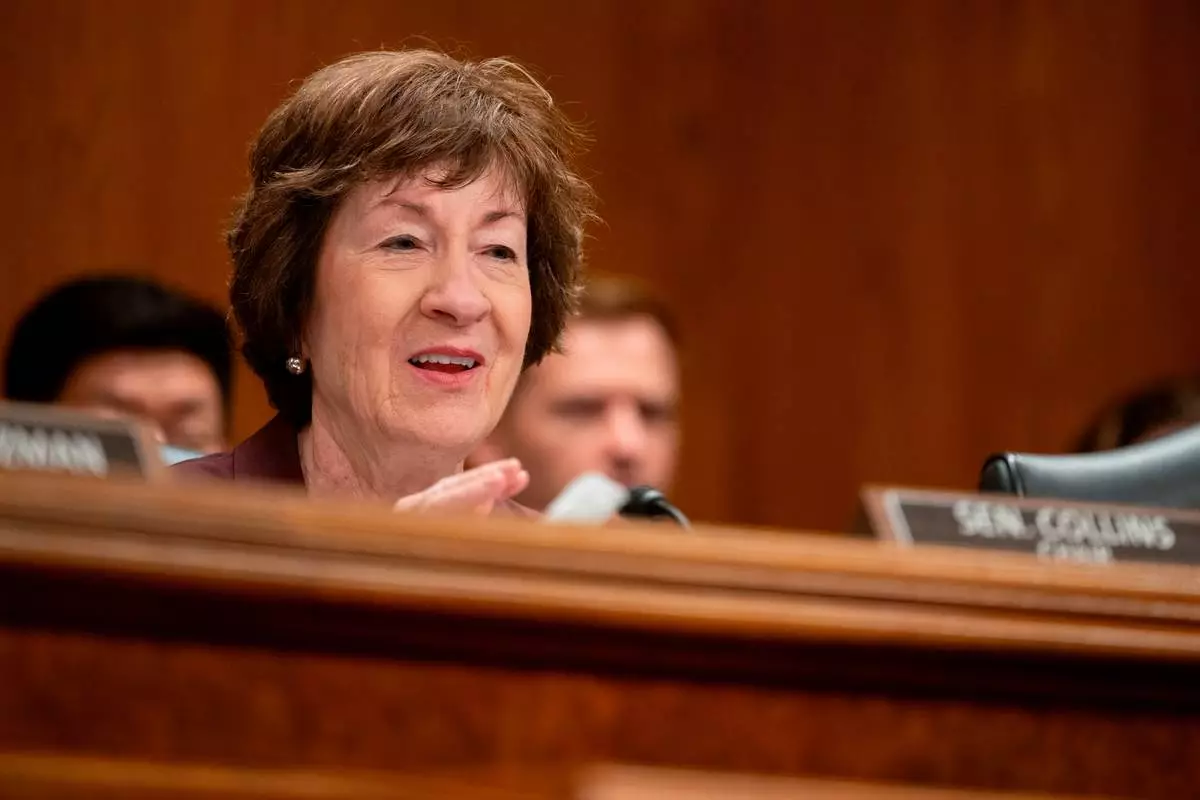
Passengers deboard an Amtrak train at Union Station in Los Angeles, Thursday, April 30, 2026. (AP Photo/Jae C. Hong)
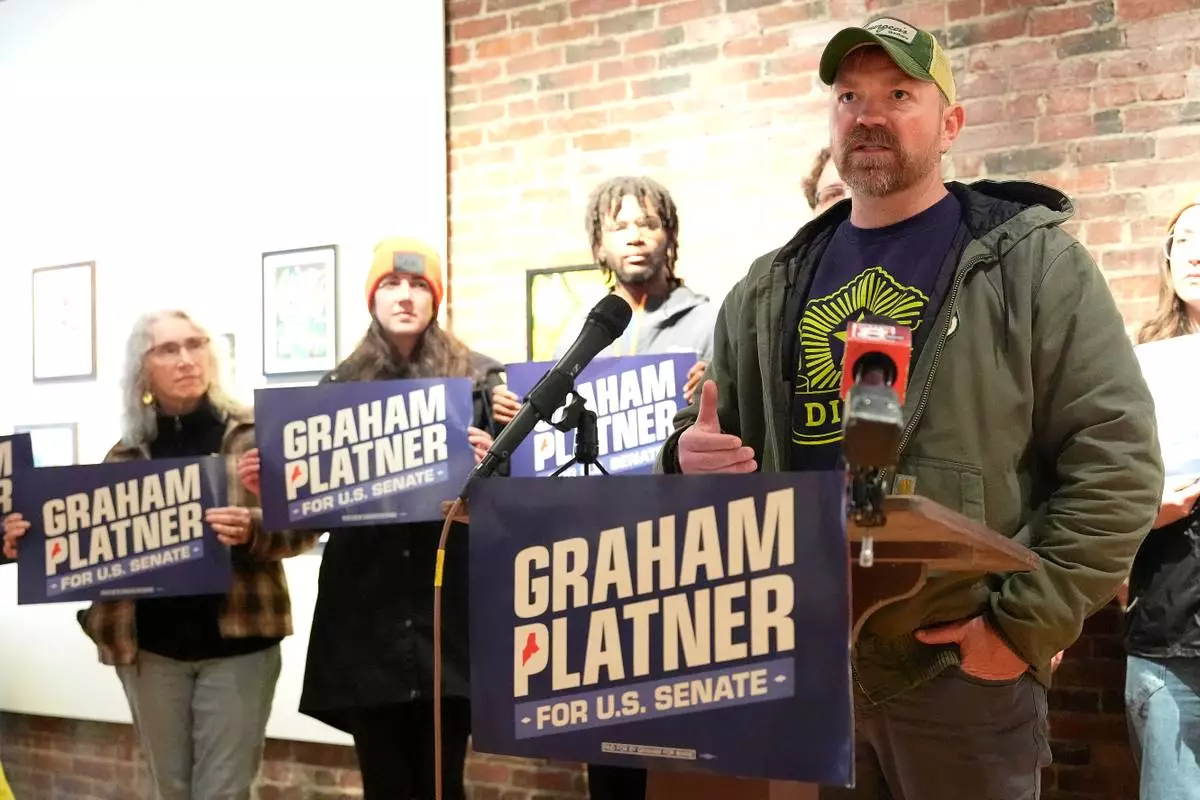
LEWISTON, Maine (AP) — Maine Gov. Janet Mills on Thursday dropped her bid for the U.S. Senate, pointing to a lack of campaign funds to keep up in one of the most competitive races in the country that quickly became a reflection of an internal party debate over which candidates can win in high-profile contests.

The move now thrusts political newcomer Graham Platner, an oyster farmer almost no one knew a year ago, as the expected Democratic front-runner against longtime Republican Sen. Susan Collins, whose seat Democrats are targeting in their effort to win control of the closely divided Senate.

“While I have the drive and passion, commitment and experience, and above all else – the fight – to continue on, I very simply do not have the one thing that political campaigns unfortunately require today: the financial resources," Mills said in a statement. “That is why today I have made the incredibly difficult decision to suspend my campaign for the United States Senate.”

Mills, a two-term governor and longtime Maine politician, was seen as one of Democrats' top 2026 recruits when she entered the Senate race last year. She had the backing of Senate Minority Leader Chuck Schumer and prominent left-leaning advocacy groups hoping to unseat Collins in the chamber, which has 53 Republicans, 45 Democrats and two independents who caucus with the Democrats.

But Mills struggled to outshine first-time candidate Platner, her opponent in the June 9 Democratic primary. Platner has maintained strong popularity despite facing controversy over past comments he made online and a tattoo he had that is widely recognized as a Nazi symbol.

Mills did not endorse Platner in her campaign suspension announcement, but she said in a follow-up statement that she would “continue to hear and watch how Graham Platner works to earn the support of Maine voters.”

Meanwhile, Schumer and Democratic Senatorial Campaign Committee Chair Sen. Kirsten Gillibrand, both of New York, said they would work with Platner to defeat Collins.

“Our North Star is winning a Democratic Senate majority, and over the past year, Senate Democrats have carved out multiple paths to do that,” their statement said.

The contest between Platner and Mills was part of a broader debate within the Democratic Party over how best to defeat Republicans and win back some power in President Donald Trump's Washington, where the GOP controls the White House and both chambers of Congress.

While Schumer backed Mills, his caucus did not fall in line.

Platner is backed by Vermont Sen. Bernie Sanders, an independent who caucuses with Democrats, and Democratic Sens. Elizabeth Warren of Massachusetts, Ruben Gallego of Arizona and Martin Heinrich of New Mexico.

Platner held a series of events Thursday thanking Mills for her service and acknowledging he's going to face potentially millions of dollars in attack ads from Republicans in the coming months.

"The Republican Party is going to come after us with everything they’ve got,” Platner said. “The way we break through that is by connecting with people directly.”

Mills had tried to convince voters that she was the best candidate to stand up to Trump, repeatedly noting she told the president she would see him in court, a reference to Maine officials' lawsuit against the Trump administration over federal funding and a dispute over transgender athletes in sports.

Yet the message appeared at times drowned out by the popularity Platner attracted on the campaign trail. His events have attracted thousands of supporters as he pitched his populist message and flooded airwaves with his ads. He consistently outraised Mills every step of the way, raising $4 million while Mills raised $2.6 million in the latest fundraising quarter. Collins raised $3.1 million but has $10 million in the bank.

Age also became an issue in the race, as some Democrats want younger candidates to lead the party going forward. Mills is 78, while Plater is 41. Collins is 73.

“I’m sure this was a difficult decision for Governor Mills, and I thank her for her decades of service to the people of Maine,” Collins said in a statement.

So far this year, Democrats have largely avoided messy internal fights in their bid to retake the Senate. The Maine race was an exception, and with Mills’ decision, the Michigan Democratic primary could be the most heated campaign this year. Abdul El-Sayed, U.S. Rep. Haley Stevens and state Sen. Mallory McMorrow are locked in a competitive race there ahead of the August primary.

Many political observers initially anticipated that it would be Platner, not Mills, who would be forced to bow out of the race.

Platner has been dogged by questions about the skull-and-crossbones tattoo recognized as a Nazi symbol that he said he got on his chest during a night of drinking while on military leave in Croatia. He has said the tattoo has been covered to no longer reflect that image. Additionally, there have been lingering questions about inflammatory comments he made in old online postings, which he has since disavowed.

Yet, Platner's willingness to talk about his past mistakes has helped propel his favorability.

Republicans had already begun attacking Platner ahead of Mills' campaign suspension announcement, pointing to his old social media posts that were dismissive of sexual assault. Among the posts, Platner once wrote on Reddit that people shouldn’t get so drunk “they wind up having sex with someone they don’t mean to.”

“Now with Chuck Schumer‘s reluctant support, Platner’s attempt at the Senate will be yet another fantasy that will end when Susan Collins grinds this fraudster into dust,” said Alex Latcham, executive director of the Senate Leadership Fund, in a statement.

Kruesi reported from Providence. R.I. Associated Press writer Steven Sloan contributed from Washington.

Follow the AP’s coverage of the 2026 election at https://apnews.com/projects/elections-2026/.

Graham Platner, Democratic candidate for U.S. Senate, arrives at a news conference Thursday, April 30, 2026, in Lewiston, Maine. (AP Photo/Robert F. Bukaty)

Graham Platner, Democratic candidate for U.S. Senate, arrives at a news conference Thursday, April 30, 2026, in Lewiston, Maine. (AP Photo/Robert F. Bukaty)

Sen. Susan Collins, R-Maine, questions Veterans Affairs Secretary Doug Collins during a Senate Committee on Appropriations, Subcommittee on Military Construction, Veterans Affairs, and Related Agencies hearing on the President's Fiscal Year 2027 Budget Request for the Department of Veterans Affairs, Thursday, April 30, 2026 in Washington. (AP Photo/Kevin Wolf)

Sen. Susan Collins, R-Maine, questions Veterans Affairs Secretary Doug Collins during a Senate Committee on Appropriations, Subcommittee on Military Construction, Veterans Affairs, and Related Agencies hearing on the President's Fiscal Year 2027 Budget Request for the Department of Veterans Affairs, Thursday, April 30, 2026 in Washington. (AP Photo/Kevin Wolf)

Graham Platner, Democratic candidate for U.S. Senate, speaks at a news conference Thursday, April 30, 2026, in Lewiston, Maine. (AP Photo/Robert F. Bukaty)

Graham Platner, Democratic candidate for U.S. Senate, speaks at a news conference Thursday, April 30, 2026, in Lewiston, Maine. (AP Photo/Robert F. Bukaty)

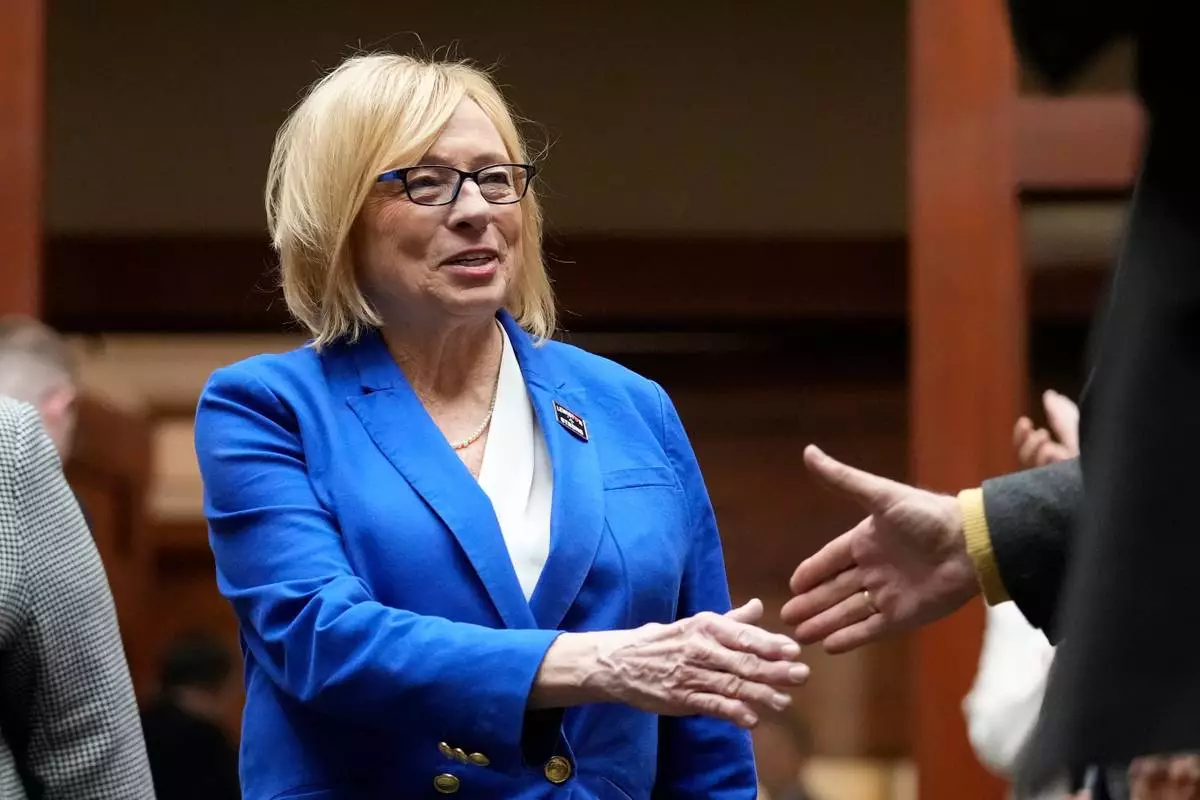
FILE - Democratic Gov. Janet Mills, greets lawmakers prior to delivering her State of the State address, Jan. 30, 2024, at the State House in Augusta, Maine. (AP Photo/Robert F. Bukaty, FIle)

FILE - Democratic Gov. Janet Mills, greets lawmakers prior to delivering her State of the State address, Jan. 30, 2024, at the State House in Augusta, Maine. (AP Photo/Robert F. Bukaty, FIle)

Recommended Articles