MEXICO CITY (AP) — Mexico City is sinking by nearly 10 inches (about 25 centimeters) a year, according to new satellite imagery released this week by NASA, making it one of the world’s fastest-subsiding metropolises.
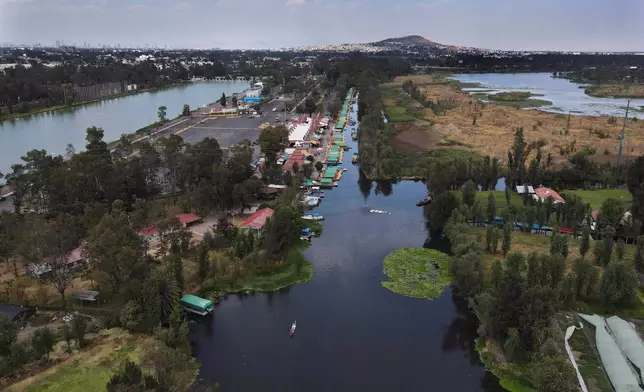
One of the world's most sprawling and populated urban areas, at 3,000 square miles (about 7,800 square kilometers) and some 22 million people, the Mexican capital and surrounding cities were built atop an ancient lake bed. Many downtown streets were once canals, a tradition that continues in the rural fringes.
Click to Gallery
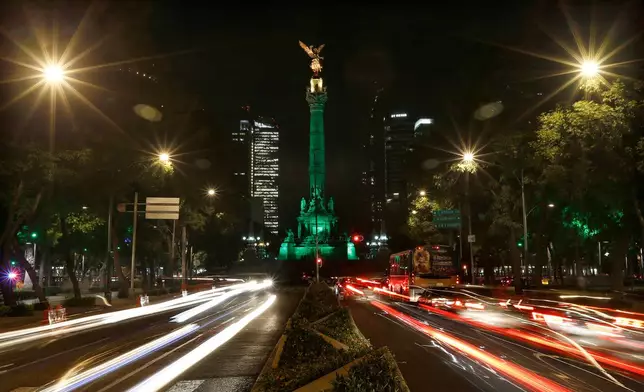
FILE - Cars drive past the Angel of Independence monument in Mexico City, June 1, 2017. (AP Photo/Marco Ugarte, File)
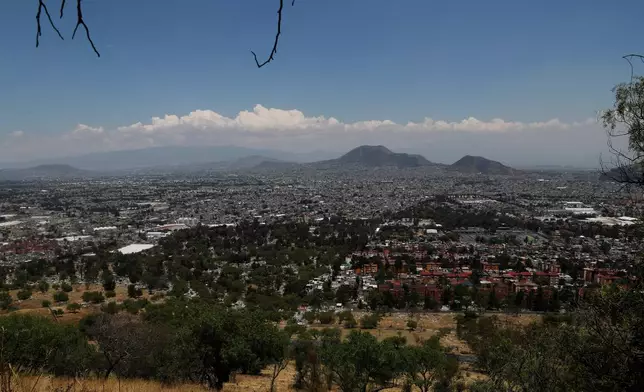
FILE - A view of Mexico City as seen from the Iztapalapa neighborhood, April 30, 2020. (AP Photo/Marco Ugarte, File)
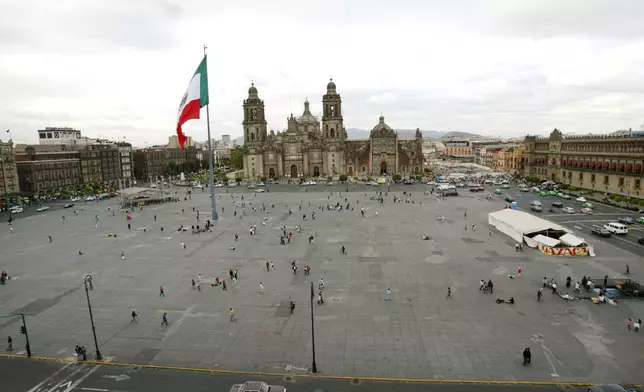
FILE - A bird's eye view of the Zocalo and a sinking Metropolitan Cathedral in Mexico City, June 21, 2005. (AP Photo/Marco Ugarte, File)
FILE - An aerial view of the Xochimilcol canals in Mexico City, Feb. 16, 2022. (AP Photo/Marco Ugarte, File)
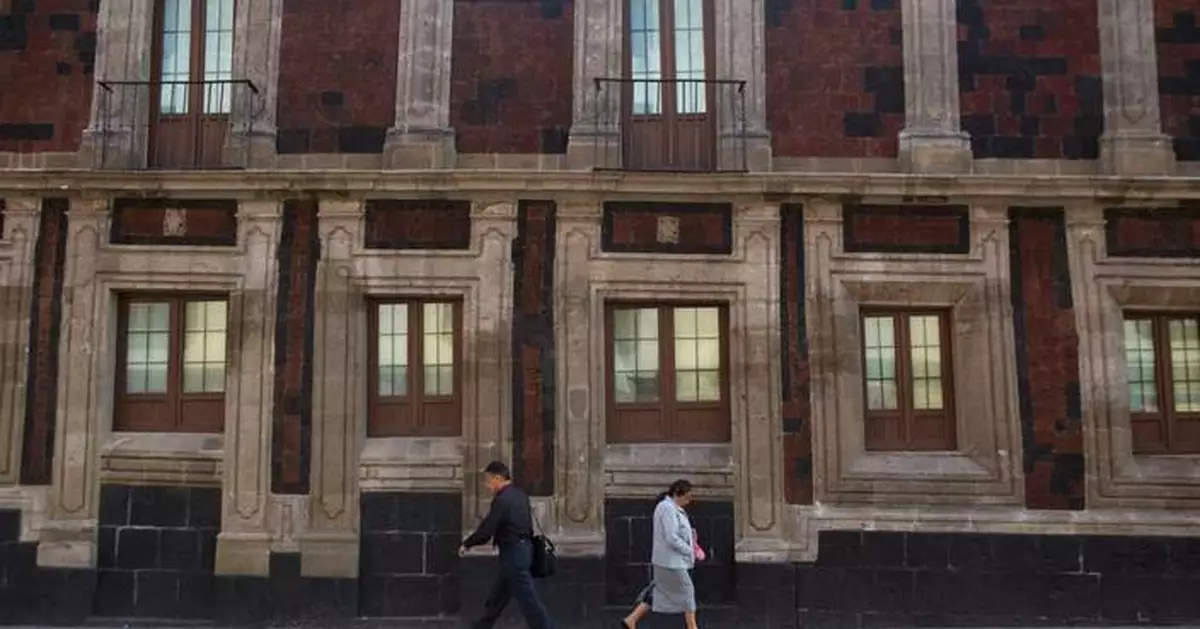
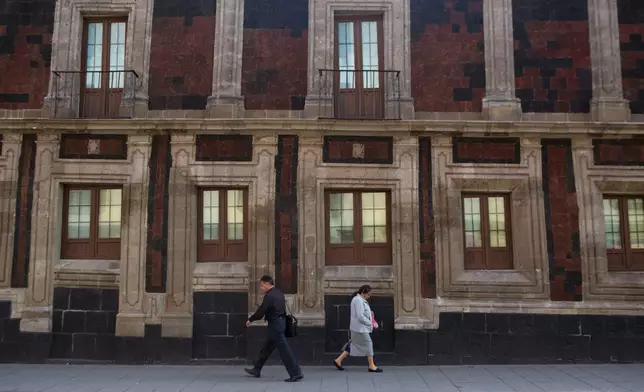
FILE - Pedestrians walk past a slightly tilted historic building in downtown Mexico City, June 15, 2016. The city was built on a drained lake bed and many buildings are noticeably tilted, from sinking unevenly into the soft earth over decades or centuries. (AP Photo/Rebecca Blackwell, File)
Extensive groundwater pumping and urban development have dramatically shrunk the aquifer, meaning that Mexico City has been sinking for more than a century, leaving many monuments and older buildings — like the Metropolitan Cathedral, where construction began in 1573 — visibly tilted to the side. The contracting aquifer has also contributed to a chronic water crisis that is only expected to worsen.
“It damages part of the critical infrastructure of Mexico City, such as the subway, the drainage system, the water, the potable water system, housing and streets,” said Enrique Cabral, a researcher studying geophysics at the National Autonomous University of Mexico. “It’s a very big problem.”
Mexico City is sinking so fast that the subsidence can be spotted from space.
In some parts it is happening at an average rate of 0.78 inches (2 centimeters) a month, according to NASA’s newly released report, such as at the main airport and the iconic monument commonly known as the Angel of Independence.
Overall that means a yearly subsidence rate of about 9.5 inches (24 centimeters). Over the course of less than a century, the drop has been more than 39 feet (12 meters), according to Cabral.
“We have one of the fastest velocities of land subsidence in the whole world,” he said.
The NASA estimates are based on measurements taken between October 2025 and January 2026 by a powerful satellite known as NISAR, which can track real-time changes on the Earth’s surface and is a joint initiative between NASA and the Indian Space Research Organization.
NISAR scientist Paul Rosen said that by capturing details of the Earth from space, the project is also “telling us something about what’s actually happening below the surface.”
“It’s basically documentation of all of these changes within a city,” Rosen said. He added: “You can see the full magnitude of the problem.”
With time the team hopes to be able to zoom in even more on specific areas and someday get measurements on a building-by-building basis.
More broadly, researchers hope to apply the technology around the world to track things like natural disasters, changes in fault lines, the effects of climate change in regions like Antarctica and more.
Rosen said it could be used to bolster alert systems, letting scientists alert governments to the need for evacuations in cases of volcano eruptions, for example.
For Mexico City the technology amounts to a big advance in studying the subsidence issue and mitigating its worst effects, according to Cabral.
For decades the government has largely ignored the problem other than stabilizing foundations under monuments like the cathedral. But following recent flare-ups of the water crisis, Cabral said, officials have begun to fund more research.
Imagery from the NISAR satellite and the data that comes with it will be key for scientists and officials as they plan on how to address the problem.
“To do long-term mitigation of the situation,” Cabral said, “the first step is to just understand.”
Follow AP’s coverage of Latin America and the Caribbean at https://apnews.com/hub/latin-america
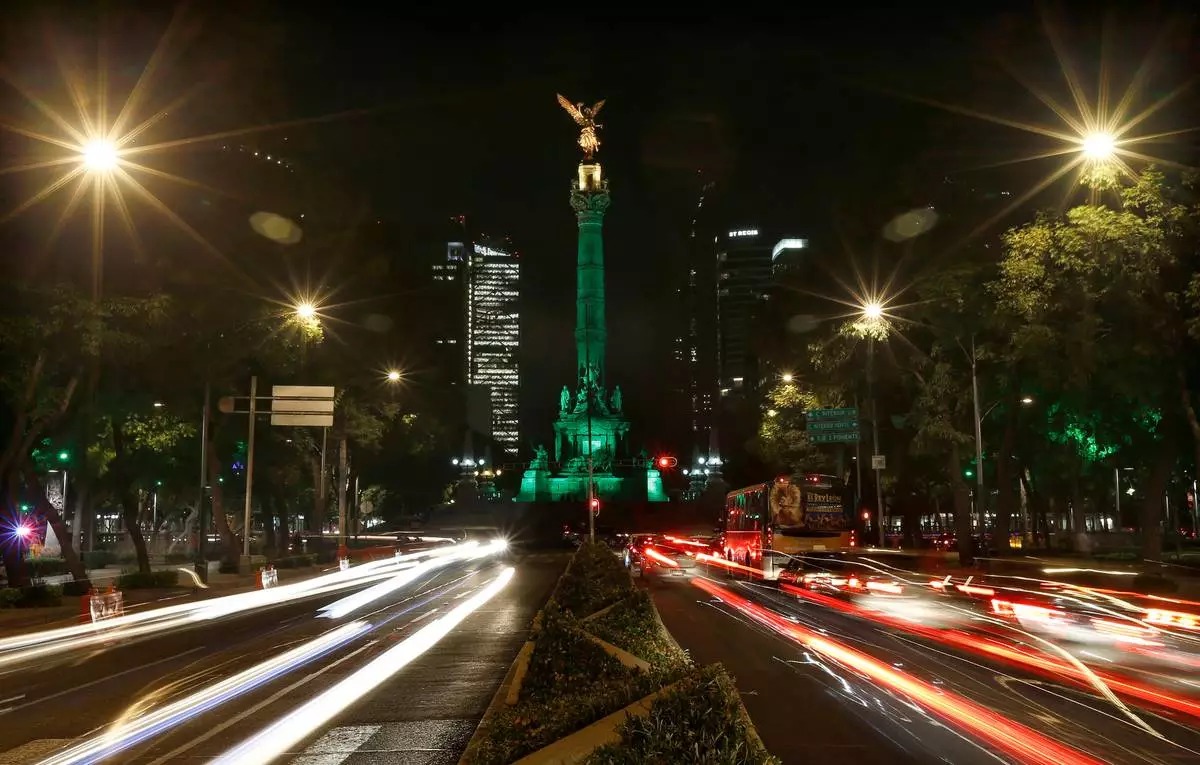
FILE - Cars drive past the Angel of Independence monument in Mexico City, June 1, 2017. (AP Photo/Marco Ugarte, File)
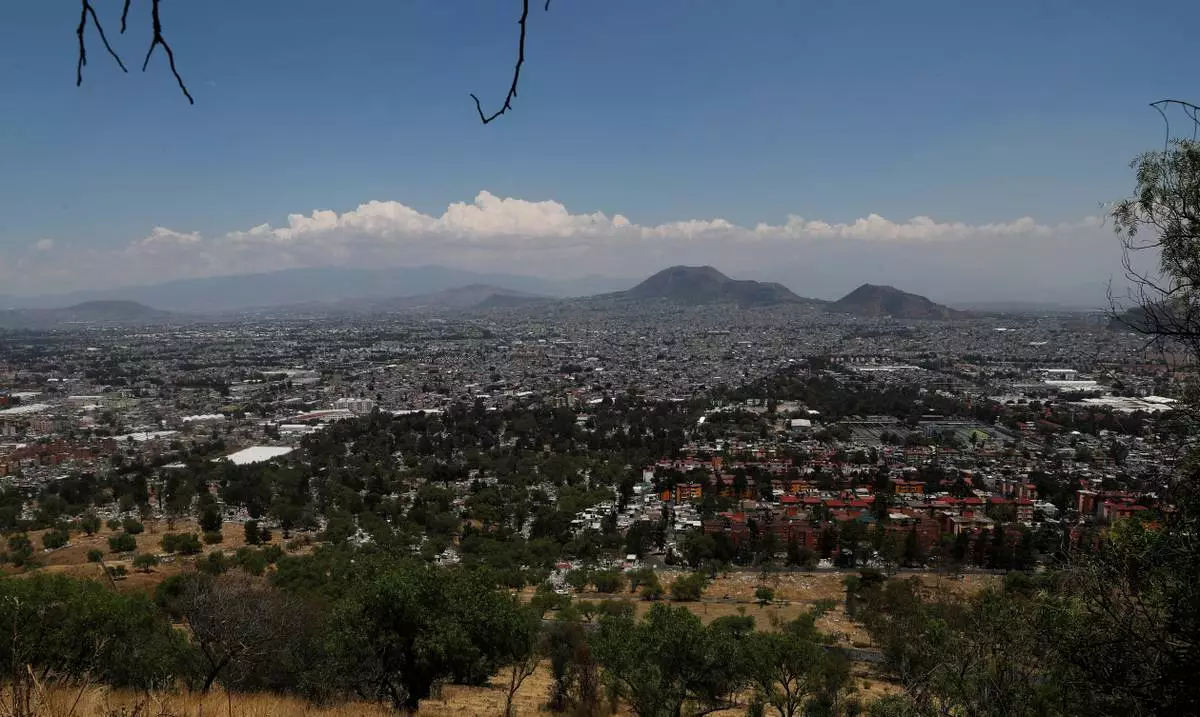
FILE - A view of Mexico City as seen from the Iztapalapa neighborhood, April 30, 2020. (AP Photo/Marco Ugarte, File)
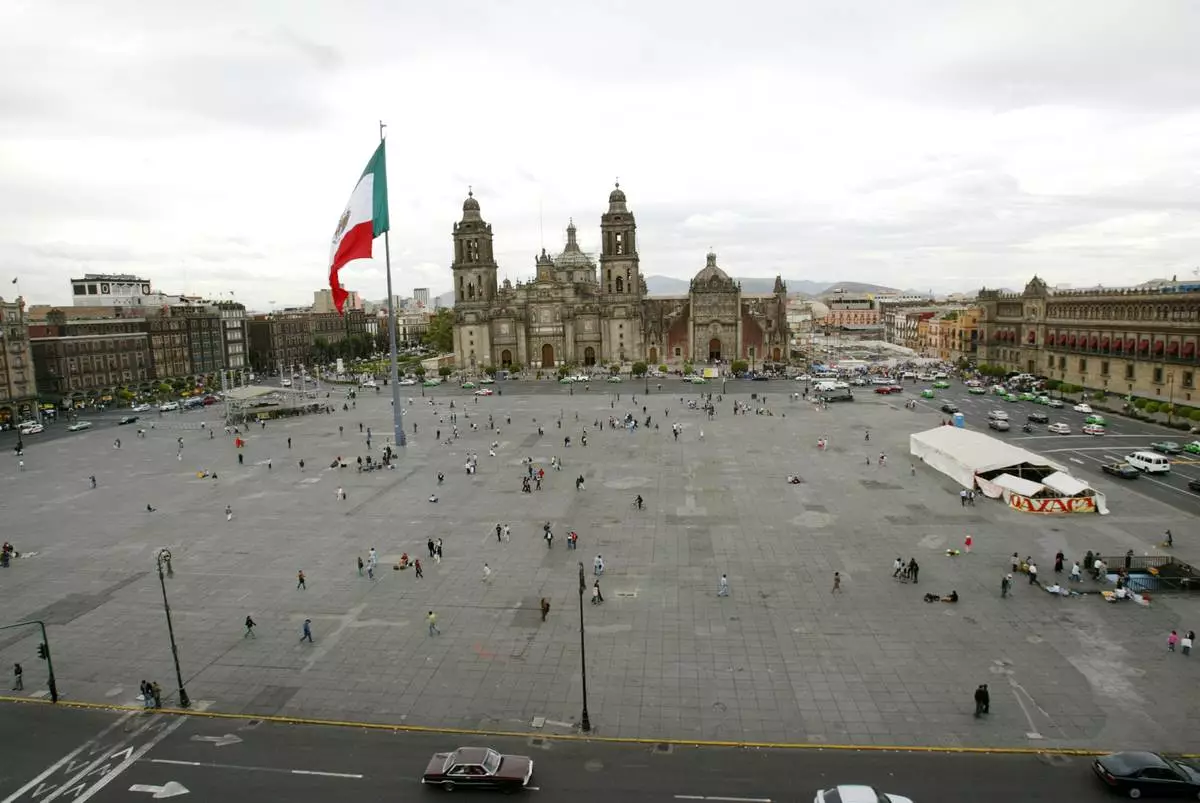
FILE - A bird's eye view of the Zocalo and a sinking Metropolitan Cathedral in Mexico City, June 21, 2005. (AP Photo/Marco Ugarte, File)
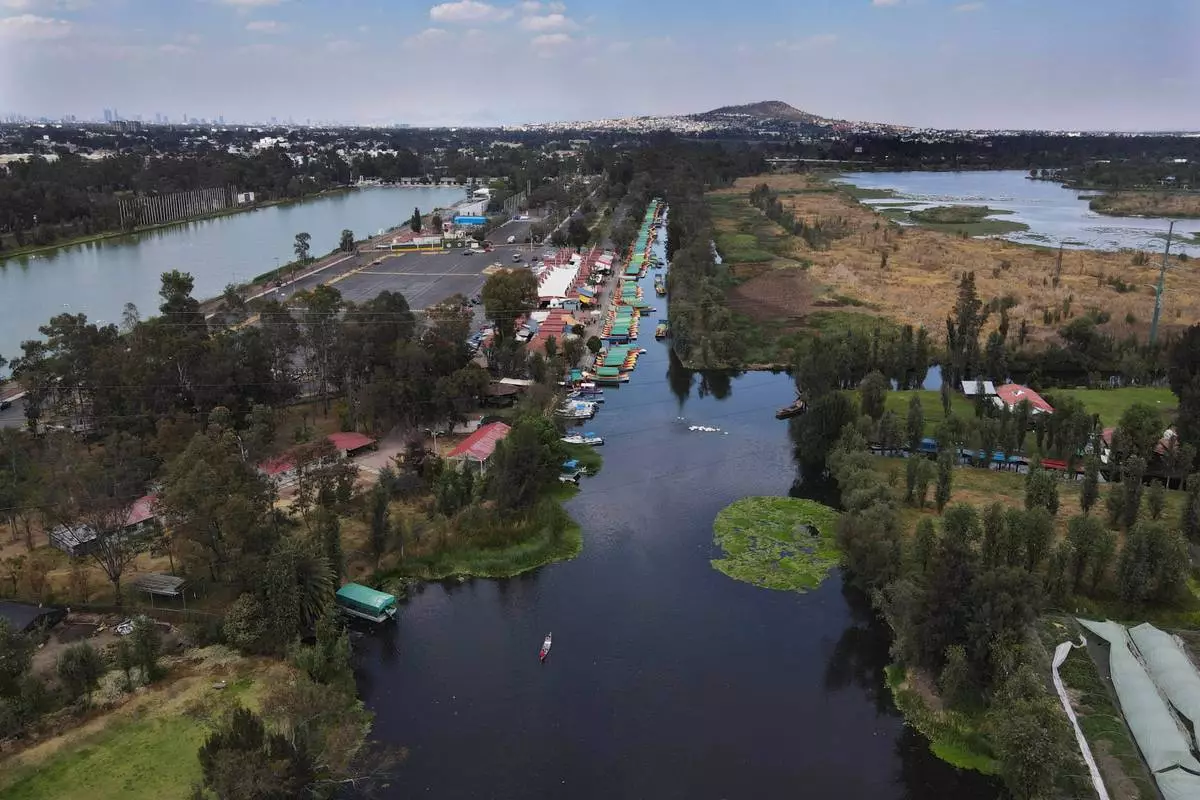
FILE - An aerial view of the Xochimilcol canals in Mexico City, Feb. 16, 2022. (AP Photo/Marco Ugarte, File)
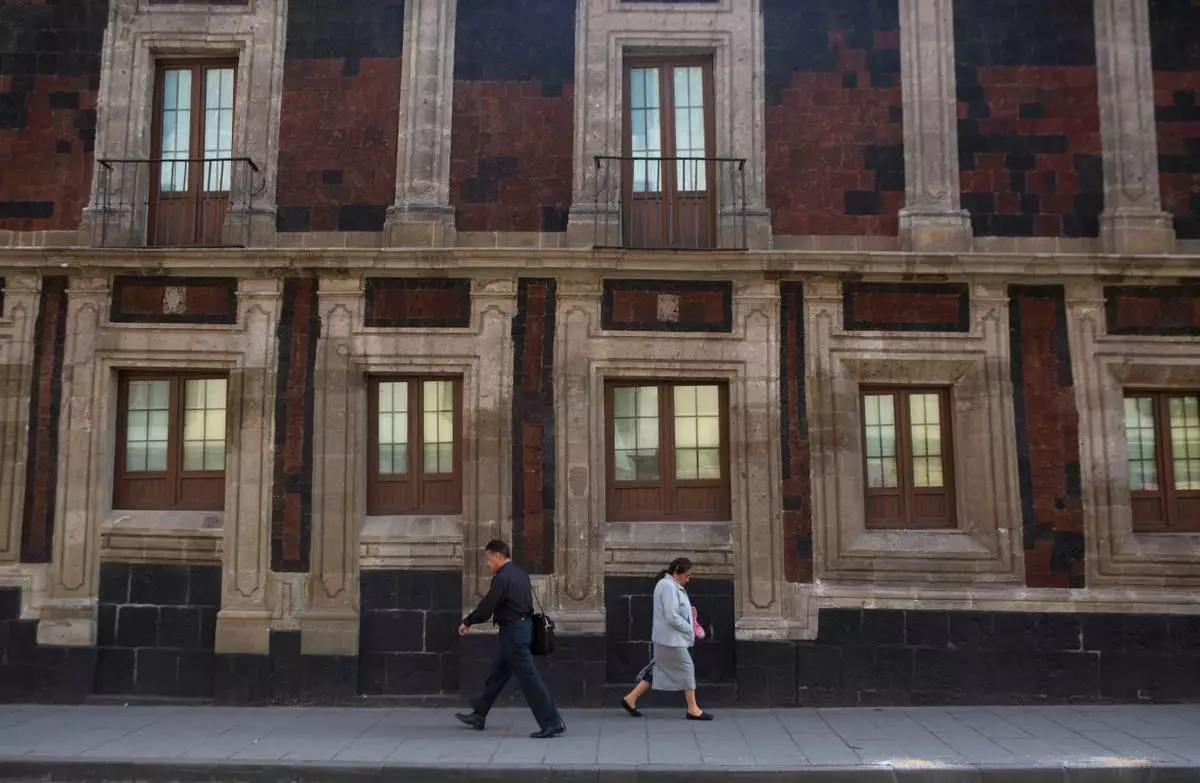
FILE - Pedestrians walk past a slightly tilted historic building in downtown Mexico City, June 15, 2016. The city was built on a drained lake bed and many buildings are noticeably tilted, from sinking unevenly into the soft earth over decades or centuries. (AP Photo/Rebecca Blackwell, File)
BARCELONA, Spain (AP) — Israeli authorities say they are taking two activists who led an aid flotilla bound for Gaza — and who were captured by Israel in international waters of the Mediterranean Sea — to Israel for questioning.
The activists, Palestinian-Spanish citizen Saif Abukeshek and Brazilian citizen Thiago Ávila, were among dozens of activists intercepted by the Israeli navy off the coast of Crete. They are members of the Global Sumud Flotilla's steering committee, whose mission was to break Israel's naval blockade and bring some humanitarian aid to the Palestinian territory.
In all, some 20 boats and 175 activists were intercepted by the Israeli navy. Activists said Israeli forces stormed their vessels, smashed engines and detained some of those onboard. The incident occurred hundreds of miles (kilometers) from Gaza and Israel overnight from Wednesday to Thursday.
Israeli officials said they needed to take early action against the flotilla before it reached Israeli waters because of the high number of boats involved.
On Friday the Israeli Foreign Ministry said on X that it was taking the two activists to Israel for questioning, and that Abukeshek was “suspected of affiliation with a terrorist organization” and Ávila was “suspected of illegal activity," without providing evidence.
The Global Sumud Flotilla appealed for international support. “We demand that all governments do all they can to pressure the Israeli regime to release all the illegal abductees," the group said Friday.
Spain's foreign ministry said in a statement Friday the Spanish government condemned the detention of Abukeshek, and demanded "his immediate release.”
“The Spanish embassies and consulates in Greece and Israel are mobilized to provide full protection to the Spanish citizen as soon as he arrives in Israeli territory, as well as to all other affected Spaniards,” the Spanish foreign ministry's statement added.
The rest of the flotilla participants of various nationalities were released in Crete. Organizers on Friday said Israeli authorities had denied them food and water and they were "forced to sleep on floors that were deliberately and repeatedly flooded.”
When Israeli forces proceeded to take Abukeshek and Ávila away, the group resisted and were met with “sheer violence,” flotilla organizers said in a statement Friday.
“Participants were punched, kicked and dragged across the deck with their hands bound behind their backs. They suffered broken noses, cracked ribs and bloody beatings. Shots were even fired at them in the chaos,” the statement said.
Israeli authorities did not immediately respond to the accusations. Israeli Foreign Minister Gideon Saar had said Thursday that activists “taken off the vessels were taken off unharmed.”
Of the 53 vessels that had been sailing prior to the interception, 31 reached safe waters and would continue their attempts to “break the illegal siege of Gaza,” organizers said.
The flotilla set sail earlier this month from Barcelona, Spain. Organizers have said more than 70 boats and 1,000 people from around the world would be participating, with more vessels joining the original boats as the flotilla sailed east across the Mediterranean.
The Greek foreign ministry said Thursday that it had asked Israel to withdraw its ships from the area and had offered its “good services” for the activists to disembark in Greece and be repatriated.
Protests in solidarity with the flotilla erupted across several capitals including in Rome, Athens and Istanbul.
Brazil has not yet commented on the detention and transfer to Israel of its citizen, Ávila, but in a joint statement with Spain and several other nations late Thursday it said that Israel's interception of the flotilla and detention of the activists in international waters “constitute flagrant violations of international law and international humanitarian law."
The flotilla’s latest attempt to reach Gaza comes less than a year after Israeli authorities foiled a previous effort by the group. That attempt involved about 50 vessels and around 500 activists, including Swedish climate activist Greta Thunberg, Nelson Mandela’s grandson Mandla Mandela, and several lawmakers.
Israel arrested, detained and later deported the participants, including Ávila, who claimed Israeli authorities abused them while in detention. Israeli authorities denied the accusations.

Demonstrators wave a giant Palestinian flag outside Greece's Foreign Ministry in Athens, Thursday, April 30, 2026, during a rally to protest the interception of Gaza aid ships by Israeli forces near Greek waters. (AP Photo/Petros Giannakouris)

People march during a rally to protest against the interception of the Gaza aid ships "Global Sumud Flotilla" by Israeli forces near Greek waters, in Istanbul, Turkey, April 30, 2026. (AP Photo/Francisco Seco)
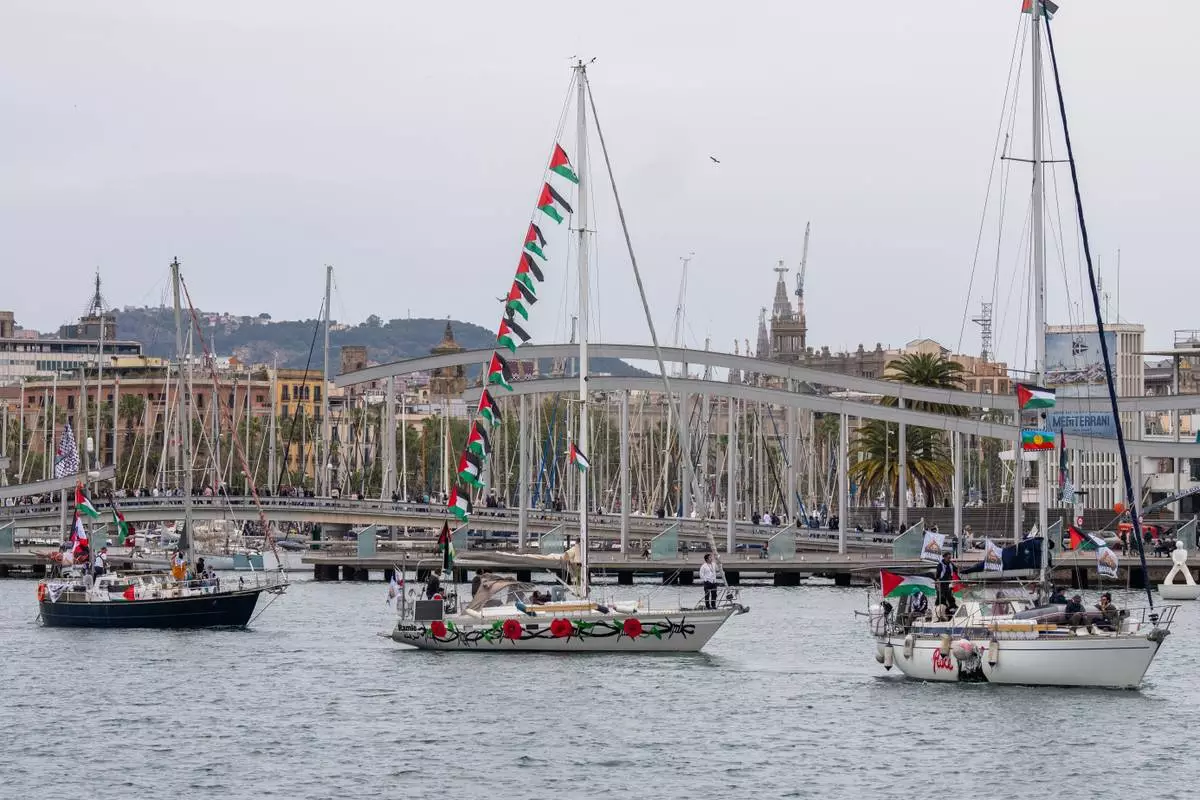
Boats carrying activists and humanitarian aid for Palestinians in Gaza reposition in the port during a symbolic send-off as part of the Global Sumud Flotilla, in Barcelona, Spain, Sunday, April 12, 2026. (AP Photo/Joan Mateu Parra)

People stage a protest after activists attempting to break Israel's maritime blockade of Gaza say Israeli forces have intercepted their "Global Sumud Flotilla" near the southern Greek island of Crete, in Rome, Thursday, April 30, 2026. (AP Photo/Andrew Medichini)

This grab from black and white CCTV footage shows members on flotilla boat with hands in air as Israeli forces intercepted activists who set sail earlier this month from Barcelona attempting to break Israel’s maritime blockade of Gaza, near the southern Greek island of Crete, early Thursday, April 30, 2026. (Global Sumud Flotilla via AP)