The annual summer fishing moratorium started Friday noon across the Bohai Sea, the Yellow Sea, the East China Sea, and the waters north of 12 degrees north latitude in the South China Sea, with the Coast Guard and fishery authorities launching law enforcement work.
The duration of the summer fishing ban varies by region, lasting from three and a half to four and a half months. During this period, nearly 120,000 marine fishing vessels and auxiliary ships across the country will be docked at ports.
The Ministry of Agriculture and Rural Affairs, the Ministry of Public Security, and the China Coast Guard have jointly launched an exclusive law enforcement operation for the summer fishing moratorium on Thursday in Dalian City, northeast China's Liaoning Province.
The operation focuses on cracking down on unauthorized departures, illegal trips to sea, and sails of vessels that fail to return to their designated home ports during the ban. It will also target cross-region fishing, sabotaging government-installed BeiDou navigation devices, and illegal fishing by so-called "three-no" vessels -- those bearing no valid ship certificate, no name, and no sign of the port of registry.
Meanwhile, authorities will combat activities supporting illegal fishing -- including the supply of fuel, water or ice, in enforcing the moratorium with maximum stringency.
The summer fishing ban is part of China's efforts to promote sustainable marine fishery development and improve marine ecology.
"The exclusive law enforcement operation is a key step in implementing the summer fishing ban. Its significance lies in curbing illegal fishing and other offenses, while preventing poaching and overfishing during the closed season. It provides a vital window for the recovery of marine fishery resources and serves as an important mechanism for ensuring sustainable development of marine fisheries -- ultimately protecting the long-term interests of fishermen," said Zhou Chunlin, a law enforcement officer with the Fangchenggang Coast Guard Bureau in the Guangxi Zhuang Autonomous Region.
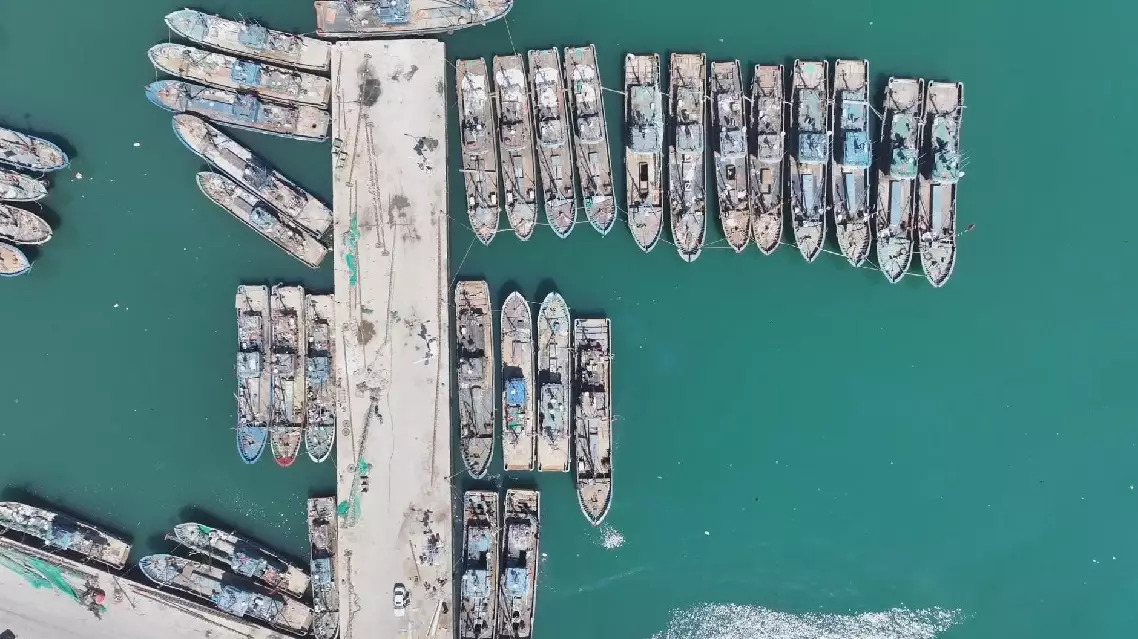
Summer fishing ban takes effect in four seas of China
The United Arab Emirates' (UAE) decision to withdraw from OPEC reflects a political protest against the organization's influence more than a calculated economic strategy, an Iranian economist said, warning that the move exposes deepening rifts within the group and signals its potential collapse.
Effective Friday, the UAE formally exited of the Organization of Petroleum Exporting Countries (OPEC) and OPEC+, ending nearly six decades of membership and marking a significant blow to the organization.
After leaving the oil cartel, the UAE says it wants to increase oil production without limits.
In an interview with China Global Television Network, Saeed Laylaz, an Iranian economist, shared his insights into the decision.
"OPEC was never a very effective organization to begin with -- it had more political impact than economic. This decision by the UAE shows the same thing: the Emiratis are generally showing their political protest against OPEC," said Laylaz.
Iran's Oil Exploration Operations Company (OEOC) says the UAE's exit is really about competition with Saudi Arabia and growing Israeli influence. Iranian oil officials believe several factors are at play: the UAE wants to ramp up production and exports while challenging Saudi Arabia. The UAE's departure from OPEC+ weakens Saudi influence inside the group -- a shift that OEOC says is best understood as part of broader political competition with Riyadh.
In Laylaz's view, OPEC is an economic group made up of countries with very different and often clashing political leanings. He maintains that the idea of OPEC as a unified organization whose members share the same economic -- let alone political -- interests was never a reflection of reality.
"Now the UAE has major problems with Iran politically and economically, and with also Saudi Arabia -- it's not like only with Iran. And this decision by the UAE shows that OPEC has been an empty shell that is now on the verge of collapse," said Laylaz.
Laylaz believes the era of government-run oil cartels is ending. As global crises reshape energy politics, the old rules no longer apply.
"The reality is that this oil cartel we know as OPEC [is collapsing]. In practice, everyone has done whatever they wanted. You see, countries complied with OPEC guidelines only when it suited their national interests or their own capacities," said Laylaz.
Laylaz also dismisses fears about the Strait of Hormuz, saying that its long-term impact is limited and that alternative routes will emerge.
"I am certain that either the current oil crisis will not continue in the long term, or if it does continue, so many alternative paths will be taken that the importance of the Strait of Hormuz will diminish," said Laylaz.
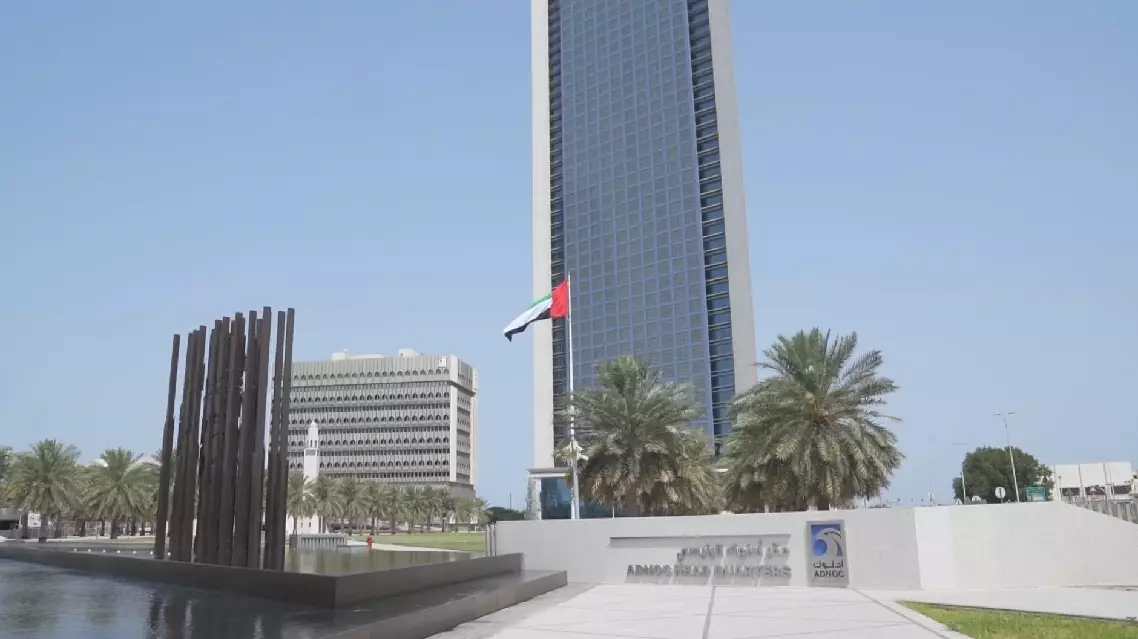
UAE's OPEC exit a political protest, signaling cartel's potential collapse: Iranian economist