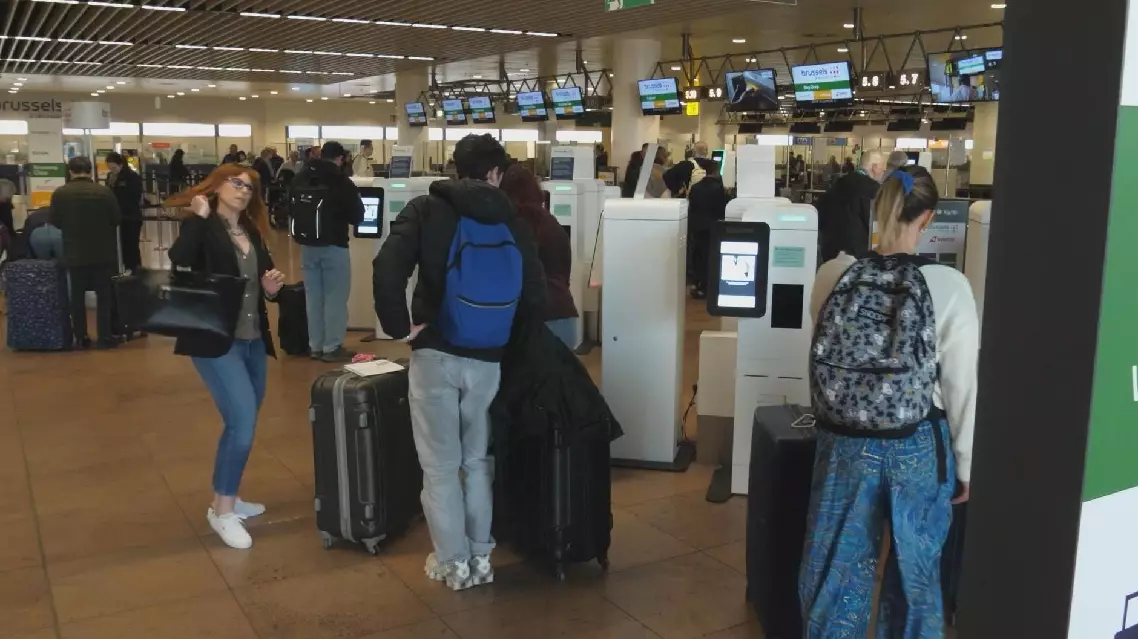
Europe's airlines are bracing for turbulence ahead of the usually busy and lucrative summer season, as the U.S. war on Iran chokes off energy supplies through the Strait of Hormuz.
Jet fuel has more than doubled in price since the war began and is increasingly in short supply. The International Energy Agency has warned that Europe could see jet fuel shortages in just a matter of weeks, fueling anxiety among travelers.
"We almost canceled our flight, because I was afraid we couldn't get back from Sri Lanka to Belgium," said one traveler.
"We also travel to Sicily in September, so we hope that that flight is going to continue," another said.
"The costs are higher, so that's a burden," said a third.
The uncertainty is also forcing airlines into drastic short-term planning. Lufthansa has announced it is preemptively grounding roughly 20,000 short-haul flights this summer to cut costs, and RyanAir's CEO says some European airlines could go bust if jet fuel prices remain sky high.
While some operators have seen a 20-percent drop in bookings over the past two months, there is still robust demand for summer travel, according to travel experts, though preferred destinations may change.
"The question will be which destinations will lose which destinations will win, what kind of holiday will people prefer this year. Shorter holidays? Maybe more local?" said Eric Dresin, Secretary General of the European Travel Agents' and Tour Operators' Associations.
The European Commission has pledged a coordinated response to ensure fuel supplies continue to flow. However, analysts said that even if the war comes to a sudden stop, jet fuel prices are unlikely to fall immediately.
"It might take eight months for the market to get back to the old equilibrium and so this type of situation is likely to carry on for some time," said Jamie Shea, a senior fellow at Friends of Europe, an independent not-for-profit Brussels-based think tank.
Spain's tourism minister has urged people to book flights early to avoid potential price surges later in the summer.
The aviation sector contributes more than 120 billion dollars annually to the European economy. Analysts fear that persistent fuel disruptions could have a significant impact on the financial health of airlines, airports and regions heavily reliant on tourism dollars.
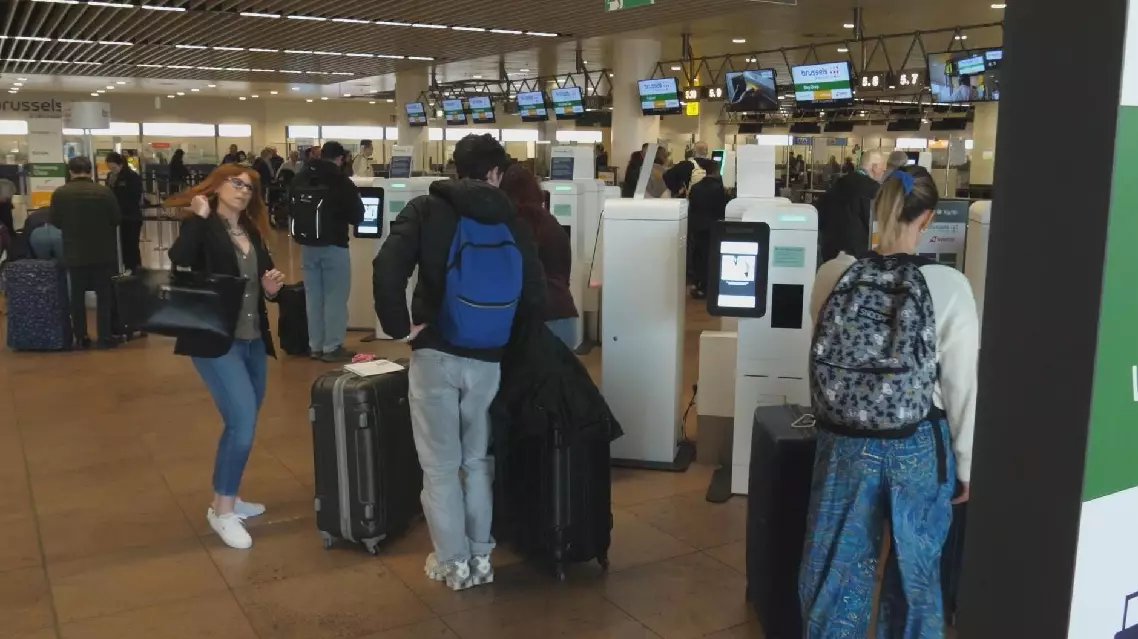
Europe's airlines brace for jet fuel crunch as Iran war disrupts supplies
Europe's airlines brace for jet fuel crunch as Iran war disrupts supplies