U.S. President Donald Trump on Friday signed an executive order expanding sanctions on the Cuban government, drawing a swift and sharp rebuke from Havana.
Trump ordered that all property and interests in property that are in and coming within the United States, or are in or coming within the possession or control of U.S. persons of the following persons are blocked and may not be transferred, paid, exported, withdrawn, or otherwise dealt in.
The "following persons" include those who operate in or have operated in the energy, defense and related materiel, metals and mining, financial services, or security sector of the Cuban economy, or any other sector of the Cuban economy, as may be determined by the Secretary of the Treasury, in consultation with the Secretary of State.
It also includes those who own or control, directly or indirectly, any person whose property or interests in property are blocked pursuant to this order.
The order also seeks to limit Cuba's access to the global banking system, imposing secondary sanctions on people, entities and financial institutions that conduct financial transactions with those already sanctioned because of their ties to Cuba.
The order authorizes the U.S. government to penalize foreign financial institutions that have conducted or facilitated any significant transaction for or on behalf of anyone with ties to the Cuban government.
Trump authorized the Secretary of State and the Secretary of the Treasury to take all actions necessary to implement and effectuate the order.
In response, Cuba denounced the new U.S. sanctions as "unilateral coercive measures."
"We firmly reject the recent unilateral coercive measures adopted" by the U.S. government, Cuban Foreign Minister Bruno Rodriguez said Friday on X.
These actions demonstrate an intention to impose collective punishment on the Cuban people, Rodriguez said.
He noted that the announcement coincided with May 1, when millions of Cubans take to the streets to denounce the U.S. blockade and the energy siege.
"These measures are extraterritorial in nature and violate the United Nations Charter," Rodriguez said, adding that the United States has no right to impose measures against Cuba or against third countries or parties.
The United States has maintained sanctions against Cuba for over 60 years, with a comprehensive trade embargo officially instituted in February 1962. The sanctions have remained in place, and at times tightened or slightly eased ever since.
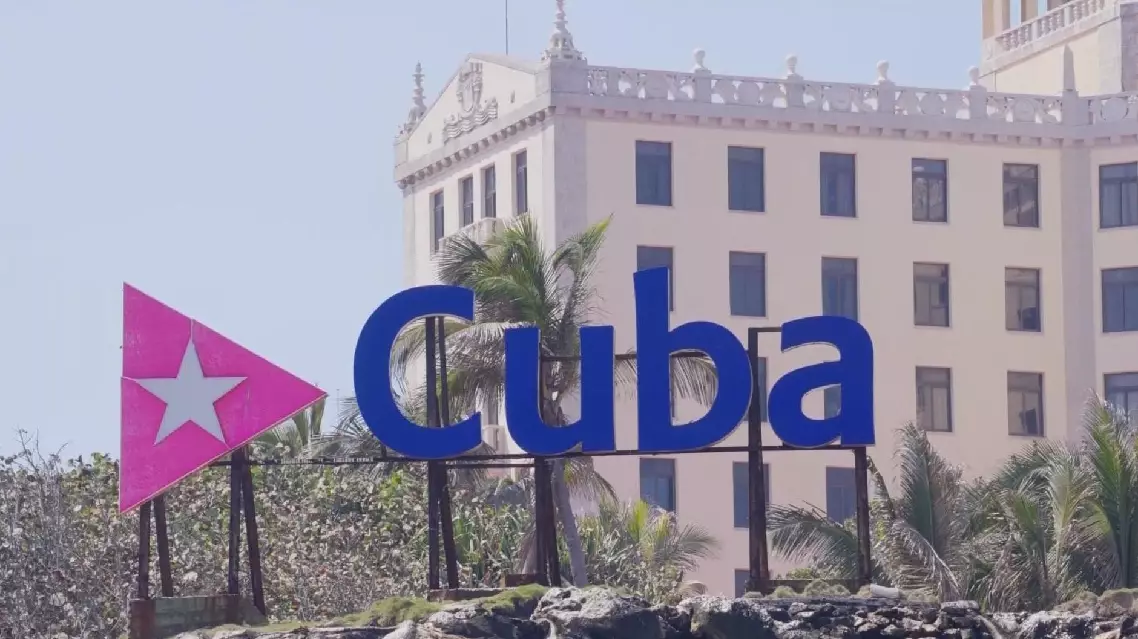
US expands sanctions against Cuba amid denunciation of 'unilateral coercive measures'
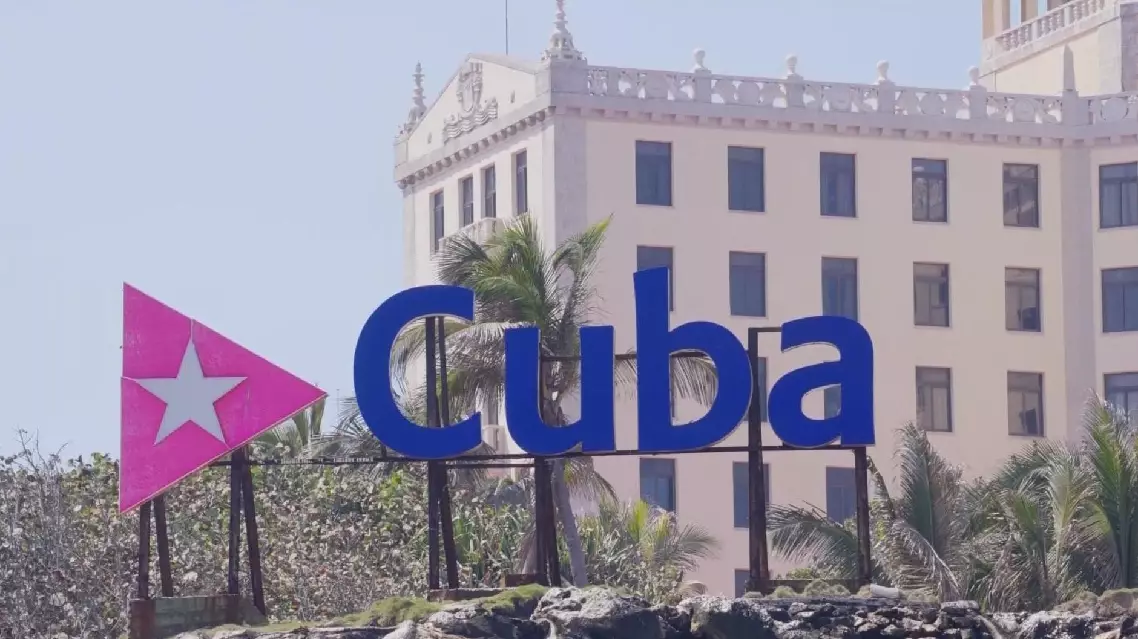
US expands sanctions against Cuba amid denunciation of 'unilateral coercive measures'