Russia reported on Saturday that its forces had shot down more than 200 Ukrainian drones between Friday night and Saturday morning, while Ukrainian forces said the same day that they had repelled multiple Russian attacks in the Kupyansk direction.
According to the Russian Defense Ministry, its air defense systems intercepted and shot down 215 Ukrainian drones from Friday night to Saturday morning in Belgorod Oblast and Bryansk Oblast.
Sergey Sobyanin, the mayor of Moscow, said that six drones heading towards Moscow had been shot down since Saturday.
Meanwhile, Ukraine said its forces had struck several Russian targets, including assembly areas, command posts, and ammunition depots. It also said Ukrainian forces had repelled multiple Russian attacks in the Kupyansk direction.
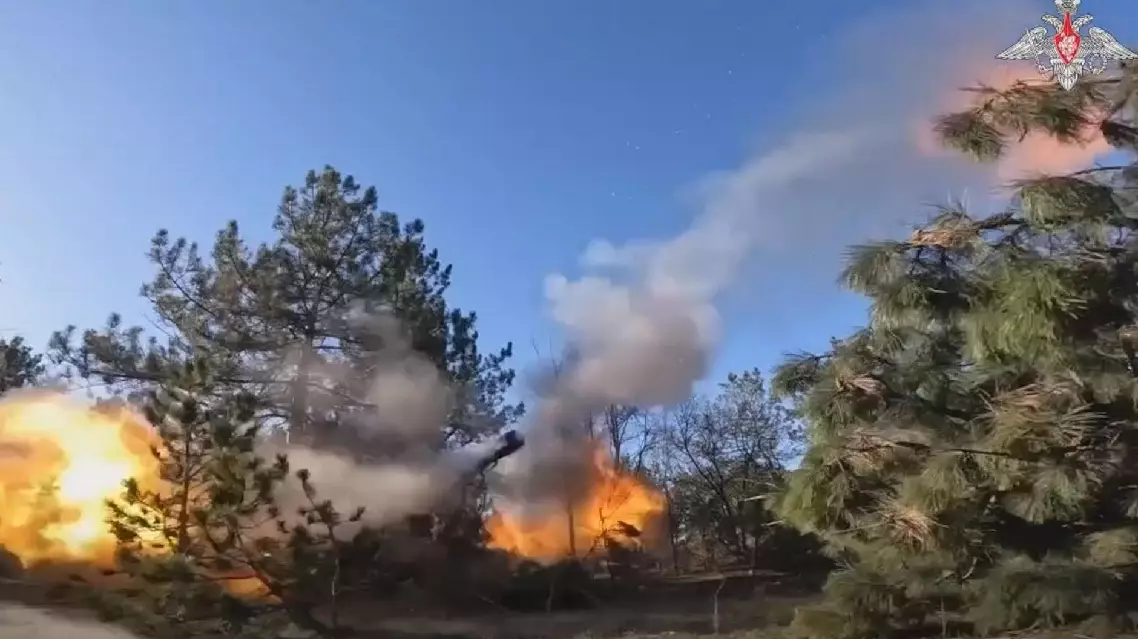
Russia reports shooting down Ukrainian drones, Ukraine says it repelled Russian attacks
Japanese civic groups and residents held a rally Saturday in Tokyo to protest the dangerous policies pursued by the government of Prime Minister Sanae Takaichi.
Holding anti-war placards and chanting slogans, the protesters gathered outside Shinjuku Station in downtown Tokyo, calling for the pacifist Constitution to be upheld and for an end to the stoking of regional tensions.
Since Takaichi took office, Japan's remilitarization has markedly accelerated Last month, the Japanese government officially revised "the Three Principles on Transfer of Defense Equipment and Technology" at the cabinet and related meetings. It scrapped the longstanding restriction limiting weapons exports to only five categories of noncombat equipment.
Japan’s House of Representatives passed a bill in late April to establish a national intelligence council and a national intelligence bureau, in an effort to create the country’s first centralized national-level intelligence system since World War II.
Critics argue that these dangerous moves signal a shift toward a more assertive military posture, which has sparked widespread concerns among the public.
"To be honest, Takaichi neither seriously studied nor understood the history of Japan's aggression against China, Korea, and other parts of East Asia. Moreover, Japan doesn't even teach people this history. I think this is a great fault. I am also very worried and deeply concerned that such a history will repeat itself. That's why I must stand up now and oppose it," said a protester at the rally.
Another protester echoed these concerns, stating that the rallies reflect growing public anxiety and anger toward the government’s current policies.
"We feel a very strong sense of crisis [over the policies of the Takaichi government]. In Japan, more and more people are joining rallies like this. Their growing participation clearly reflects a deepening anxiety that Japan is heading towards war, along with widespread anger at the Takaichi government," said the protester.
"Japan, as China's neighbour, should have reflected deeply on its past war aggressions. Instead, it is now completely disregarding history, unilaterally expanding its military and continuously increasing armaments. Meanwhile people's livelihoods are worsening. Social security is being reduced, and education budgets are shrinking, but the government keeps pouring money into military spending. To me, this is a policy that will ultimately ruin the country," another protester said.
Notably, a growing number of young people in Japan are joining the protests, voicing dissatisfaction and concern over the government’s military expansion policy.
"The primary reason I decided to join the rally is that I believe current politics is pushing the country too far toward war. This is the fundamental reason. [The Japanese government] has many issues, and the first problem is the removal of restrictions on arms exports. This may be good for some companies, but ordinary citizens want it stopped. I see strong similarities [between the current situation and World War II period]. For instance, the push to create a national intelligence bureau, labeling certain groups as 'enemies,' and steering the country toward war -- these remind me very much of the Pacific War. If more people speak out and protest, it is possible to stop this dangerous trend. That's why I hope everyone will participate in the rally together," said a university student who took part in the rally.
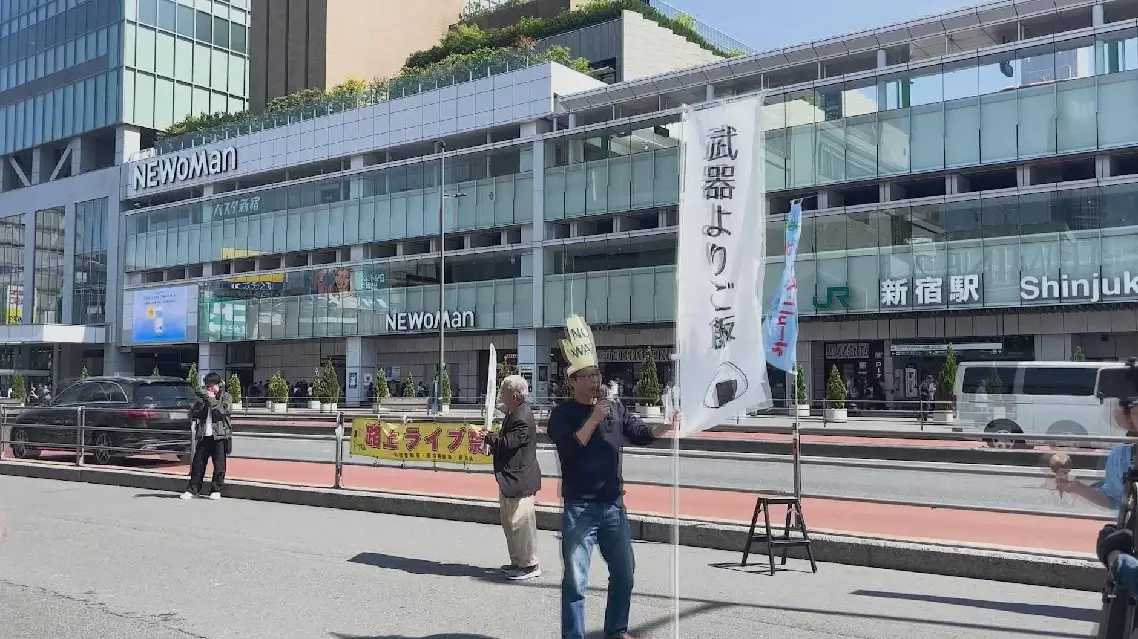
Japanese civic groups rally in Tokyo against gov’t dangerous policies