Iran said on Sunday that it is reviewing the U.S. response to its 14-point plan to end the war, as the Islamic Revolutionary Guard Corps (IRGC) warned that the room for U.S. decision-making has narrowed.
In an interview with state-run IRIB TV on Sunday, Iranian Foreign Ministry spokesman Esmaeil Baghaei said that the United States has responded to Iran's 14-point plan to end the war, and Iran is reviewing the U.S. response.
He stressed that Iran’s plan is exclusively focused on ending the war, and "nothing pertaining to the nuclear field’s details exists in it."
"At present, we are focused on the parameters related to ending the war in the region, including Lebanon," Baghaei added, stressing "we have no nuclear negotiation at this stage."
Iran has submitted a 14-point counterproposal to the United States, calling for a permanent end to hostilities and a full withdrawal of U.S. forces form the region, Tasnim news agency reported on Saturday.
The plan, delivered through Pakistani intermediaries, responds to a nine-point U.S. proposal, Tasnim said.
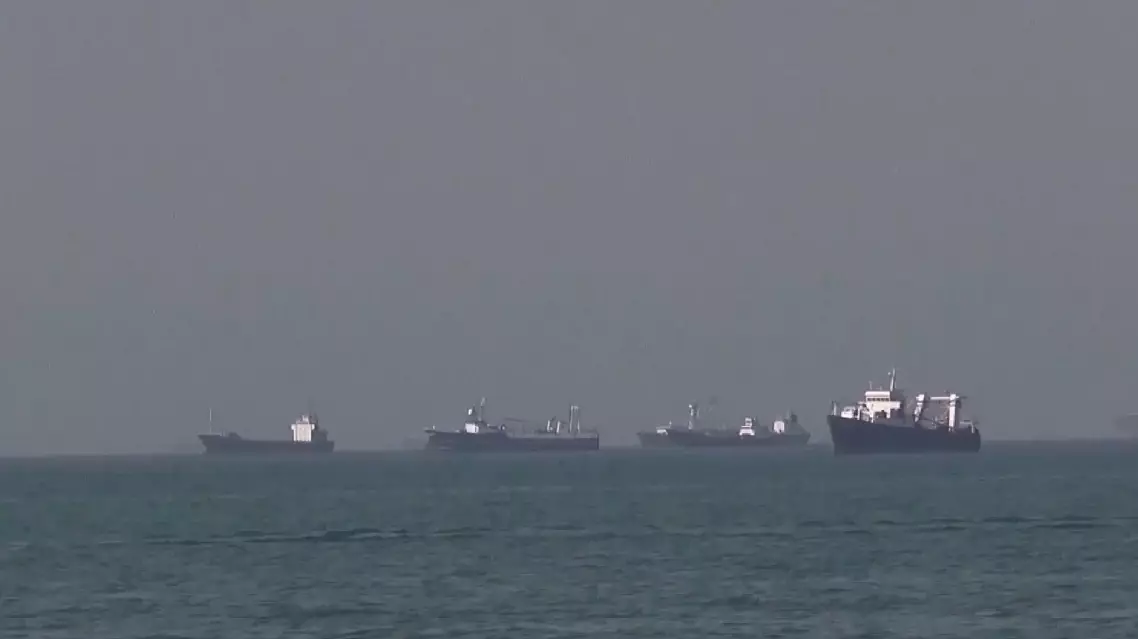
Iran's demands include U.S. troop withdrawal from areas near its borders, guarantees of non-aggression, and economic steps such as lifting the naval blockade, releasing frozen assets, easing sanctions, and paying compensation. The proposal also calls for ending hostilities across multiple fronts, including Lebanon, and establishing a new governing mechanism for the Strait of Hormuz, a vital global oil route.
The Tasnim report said that Iran stressed that all issues should be resolved within a 30-day timeframe.
U.S. President Donald Trump wrote on social media on Saturday that he will review Iran's proposal but "can't imagine that it would be acceptable," adding that Tehran "has not yet paid a big enough price."
Citing sources, Al Jazeera reported on Sunday that Iran's latest proposal is structured in three phases, involving transforming the ceasefire into a complete end to the war within 30 days and achieving a ceasefire in the region with all parties promising not to violate the ceasefire again. The parties involved include all regional allies of Iran, as well as Israel.
According to Al Jazeera report, the first phase includes a full transition from the current ceasefire to a complete cessation of hostilities, gradual reopening of the Strait of Hormuz with the removal of U.S. port blockade, Iran-led sea mine clearance, readjustments of Iran's previously proposed terms regarding compensation, and the U.S. troop withdrawal from waters near Iran and stopping any new military buildup.
The second phase would mainly focus on the nuclear issue. It includes discussions on fully halting uranium enrichment within a maximum timeframe of 15 years, and once the stipulated deadline expires, Iran restoring uranium enrichment activities under a "zero stockpile" principle. Meanwhile, the proposal rejects any dismantling or destruction of Iranian nuclear facilities. For the existing stockpiles of enriched uranium, the proposal suggests transferring them aboard or diluting them. The plan also addresses the gradual lifting of economic sanctions on Iran.
In the third phase, Iran would hold talks with countries in the region on building a comprehensive security architecture across the region.
The Islamic Republic of Iran Broadcasting (IRIB) reported on Sunday that intelligence department of the Islamic Revolutionary Guard Corps (IRGC) said that a letter from Trump to the U.S. Congress and his statements regarding the new proposal presented by Iran indicate that Washington must choose between "an impossible military operation or a bad deal with the Islamic Republic of Iran."
The IRGC also said that it has set a deadline for the Pentagon to lift its blockade against Iran.
In late February, Israel and the United States carried out joint strikes on Tehran and other Iranian cities, prompting Iran to retaliate with waves of missile and drone attacks on Israel and U.S. interests across the region. Tehran also tightened its grip on the Strait of Hormuz, disrupting global oil flows, while Washington imposed a prolonged naval blockade as a lower-risk strategy to pressure Iran.
A ceasefire took effect on April 8, followed by talks between Iranian and U.S. delegations in Islamabad on April 11 and 12 that failed to produce a deal.
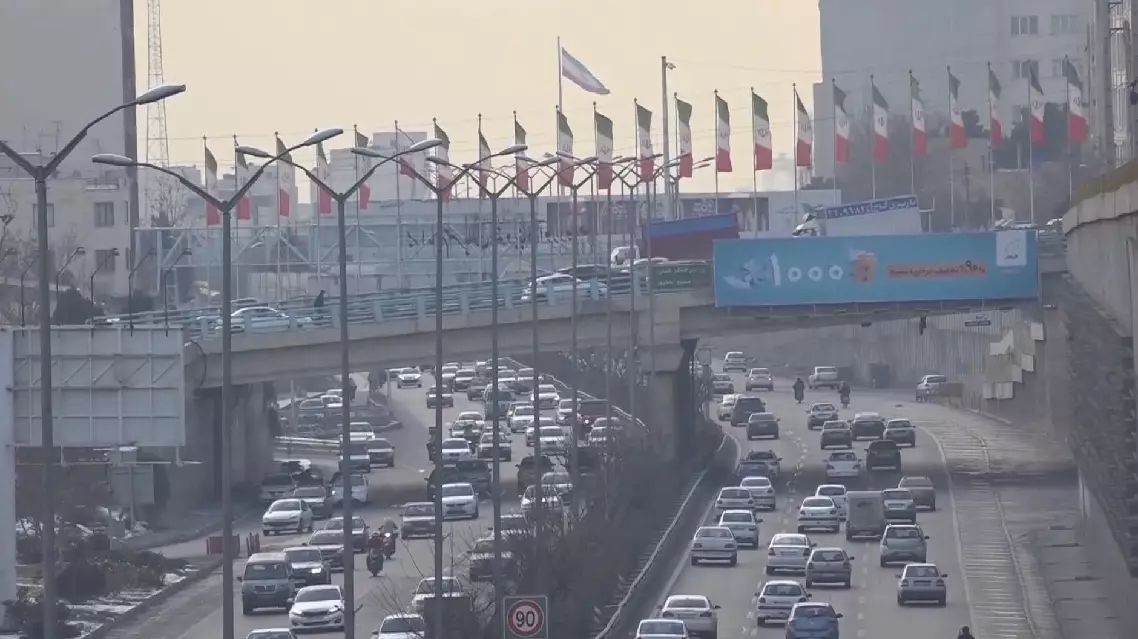
Iran reviewing US response to 14-point proposal for permanent end to war: spokesman