China's May Day holiday box office revenues had topped 750 million yuan (about 110 million U.S. dollars) by Tuesday evening, the final day of the five-day holiday, according to film data platform Maoyan.
Earnings for the period, including pre-sales, surpassed the 747 million yuan (about 109 million U.S. dollars) recorded last year. Total admissions topped 20.6 million across 2.37 million screenings, both metrics increasing from last year.
More than ten new films headlined the holiday lineup, which featured a diverse range of genres, including suspense, action, and animation.
The suspense thriller "Vanishing Point" and the crime thriller "Cold War 1994" both crossed the 100-million-yuan (about 15 million U.S. dollars) mark, bolstered by solid plots and positive word-of-mouth.
Beyond the entertaining lineup of films, audiences also benefited from more affordable pricing. Data indicated that the average national movie ticket price on the first day of the holiday was 36.8 yuan (about 5.39 U.S. dollars), marking a four-year low for the period.
In Lanling County in east China's Shandong Province, local theaters optimized screening schedules based on audience demographics and pre-sale trends, and offered more showtimes and discounted movie packages. Many shopping malls also partnered with cinemas on low-priced ticket promotions.
"It's a great experience to wander through the shopping mall and watch a movie with friends. I particularly enjoyed 'Vanishing Point'. Although it exposes the dark side of human nature, it remains committed to portraying warmth. It's definitely worth watching," said Xiao Xiao, a local cinema-goer.
With 2026 designated as the "film economy promotion year," authorities are expected to allocate no less than 1.2 billion yuan (about 176 million U.S. dollars) to movie subsidies throughout the year. To date, financial institutions and ticketing platforms have redeemed more than 350 million yuan (about 51 million U.S. dollars) in subsidies on over 2.96 billion yuan (about 433 million U.S. dollars) in total box office sales.
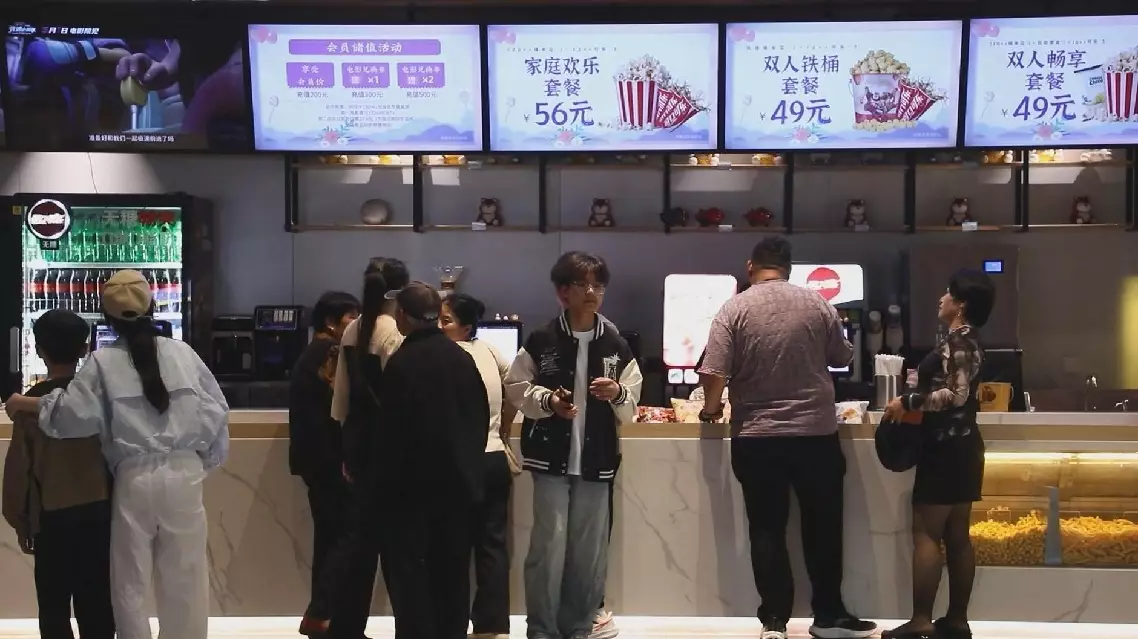
China's May Day box office revenues top 750 mln yuan
As the lingering U.S.-Iran conflict over the Strait of Hormuz disrupts global oil and gas supply, the Asia-Pacific Economic Cooperation (APEC) forum's energy ministers met in Beijing Thursday to chart a way forward, on whether the region can turn the crisis into opportunities.
The disruption of the Strait of Hormuz since late February 2026 has caused the largest oil supply shock on record, with ongoing daily shortfalls in the multi-million-barrel range. This energy supply shock has exposed the structural vulnerabilities of the Asia-Pacific region, the world's largest energy-consuming area.
As the APEC host this year, China has taken an open and inclusive approach, creating a multilateral dialogue platform. At the current energy ministerial meeting, it is pushing for a full exchange of practical experience among economies and channeling shared wisdom into real cooperative results.
"Since the beginning of this year, navigation through the Strait of Hormuz has been disrupted. China has fully leveraged its energy production, supply and marketing system, actively strengthened cooperation with all other parties, and made important contributions to safeguarding global energy security," said Chinese Vice Premier Ding Xuexiang in addressing the meeting.
The APEC Energy Ministerial Meeting, returning to Beijing after a 12-year hiatus, took place at a critical juncture following this "stress test."
"From our end in Papua New Guinea, we face the impacts of the war in Iran. We are an import-based economy. It did affect us in a great way," said Conrad Kumul, a delegate from Papua New Guinea, on the sidelines of the meeting.
Yet, many see that crises can also serve as catalysts for energy transition.
"The idea now is to push very much forward with the energy transition, even more than before. Now actually, the oil prices are so high that the comparatively renewable energies are very low in price," said Steivan Defilla, president assistant of the APEC Sustainable Energy Center, a high-level international energy think tank led by China's National Energy Administration.
China will hold the 33rd APEC Economic Leaders' Meeting in Shenzhen, south China's Guangdong Province, in November, which marks the country's third time hosting the event following Shanghai in 2001 and Beijing in 2014.
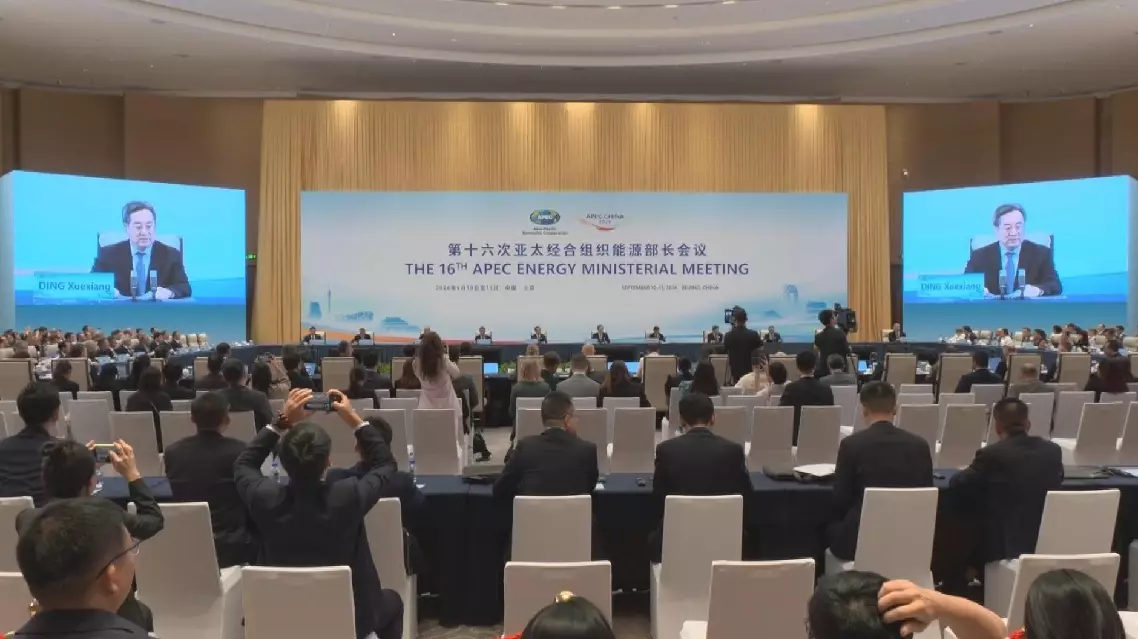
APEC ministers explore new pathways for energy security amid Hormuz crisis