Increase in visitor arrivals to Hong Kong during Golden Week boosts retail, catering and hotel industries
The interdepartmental working group on festival arrangements, led by the Chief Secretary for Administration, Mr Chan Kwok-ki, today (May 6) announced that the five-day Labour Day Golden Week of the Mainland (May 1 to 5) concluded yesterday, with all aspects of receiving visitors operating smoothly. According to the Immigration Department (ImmD), around 1.19 million visitors arrived in Hong Kong over the Golden Week, representing an increase of 8 per cent over the same period last year. Mainland inbound visitors accounted for around 1.01 million, representing an increase of 10 per cent compared to last year. The increase in visitor arrivals directly boosted local businesses, including retail, catering and hotels, bringing significant economic benefits.
Click to Gallery

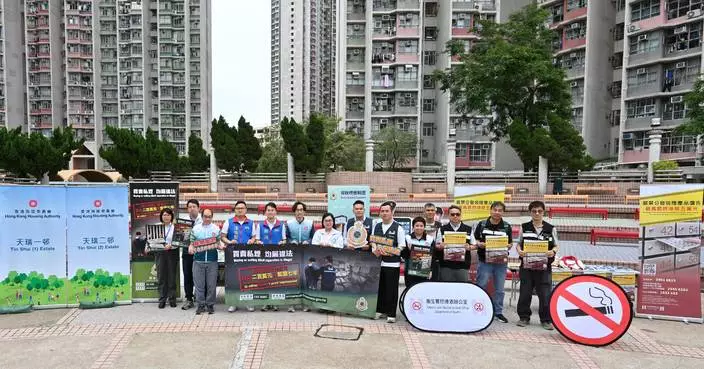
The Chief Secretary for Administration, Mr Chan Kwok-ki, Photo source: reference image
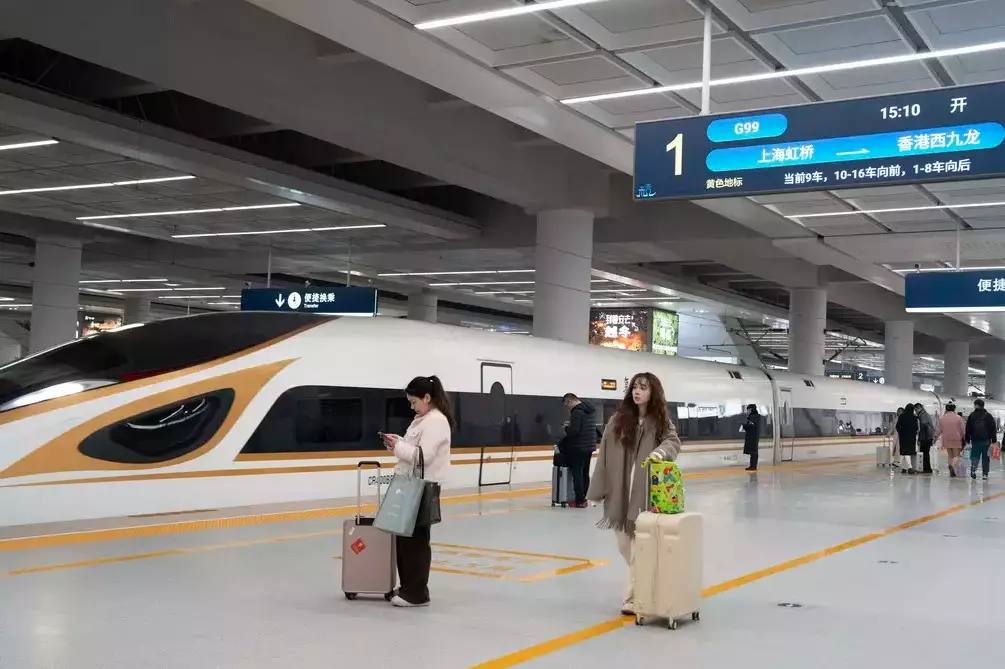
The express rail, Photo source: reference image
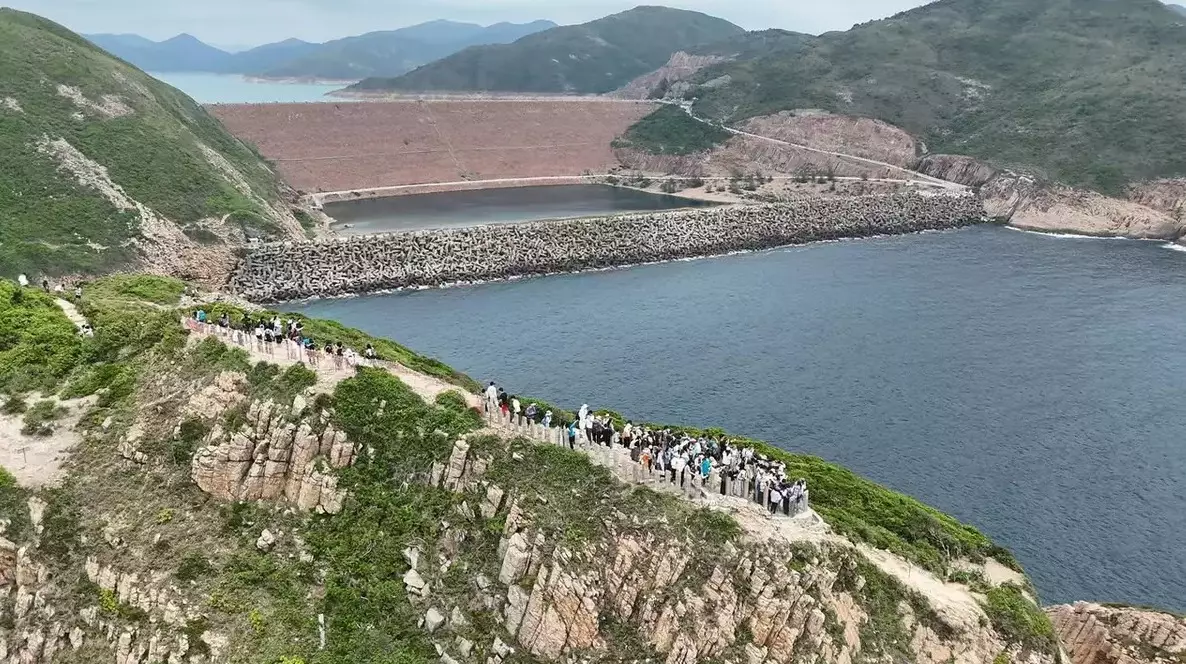
The Po Pin Chau viewing platform, Photo source: AFCD
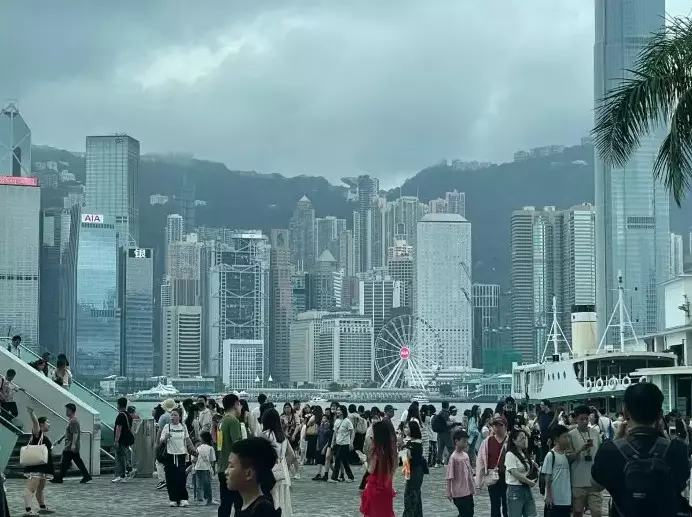
Photo source: reference image
The Chief Secretary for Administration, Mr Chan Kwok-ki, Photo source: reference image
Mr Chan said, "Visitor arrivals surged during this year's Labour Day Golden Week of the Mainland. Popular attractions saw a large number of visitors and a vibrant atmosphere, showcasing the unique metropolitan charm of the city. The growth in visitor arrivals also directly boosted various local industries, including retail, catering and hotels, with significant visitor flows in shopping malls, restaurants and shops bringing significant benefits. Representatives of some shopping malls indicated that consumption in various retail categories saw year-on-year double-digit increases, while the catering sector noted that businesses in tourist areas increased about 20 per cent in the same period, generating considerable economic benefits. These results fully reflected the function of the tourism industry as an important driver of the local economy. The Government will continue to work closely with these industries to promote diversified tourism products and projects, creating comprehensive and immersive travel experiences for tourists while spreading the economic advantages brought by visitor increases to different sectors to benefit the overall economy."
Visitor flow, situation of control points, and traffic and public transport arrangements
During the five-day Labour Day Golden Week of the Mainland, the daily average of Mainland visitors was around 200 000. The arrival of Mainland visitors peaked on May 2, with around 260 000 Mainland visitors arriving in Hong Kong. During the Golden Week, the Lok Ma Chau Spur Line Control Point received the highest number of Mainland visitors, followed by the Express Rail Link West Kowloon Control Point.
The express rail, Photo source: reference image
To cope with the increased passenger flows during the Golden Week, relevant departments deployed additional manpower and operated additional counters, temporary counters and channels to facilitate passenger and vehicular flows. The Security Bureau activated the Emergency Monitoring and Support Centre during the holidays to closely monitor and co-ordinate public order across various districts, including various boundary control points. The overall operation of the control points and traffic were smooth and orderly.
The overall traffic conditions were generally smooth during the Golden Week. The Emergency Transport Co-ordination Centre of the Transport Department (TD) operated round the clock at an escalated tier to holistically monitor traffic conditions and public transport services across the territory, including boundary control points, major stations and various tourist hotspots. The TD steered local and cross-boundary public transport operators (PTOs) to enhance their carrying capacity, including enhancing MTR train services to and from Lo Wu/Lok Ma Chau Stations, strengthening relevant Express Rail Link train services to and from Futian, Shenzhenbei and Beijingxi Stations, strengthening cross-boundary coach services and increasing the frequency of bus services connecting land boundary control points for the convenience of residents and visitors. PTOs also deployed additional staff to maintain order and reserved sufficient vehicles and manpower to further enhance services when necessary.
Conditions of mega events and major tourist attractions
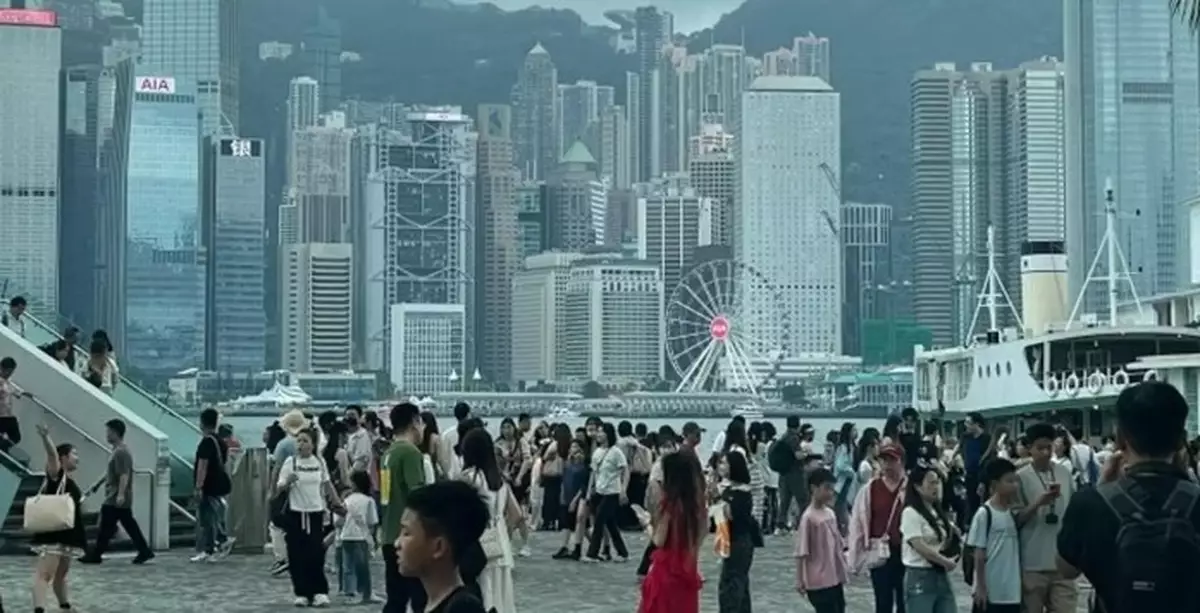
Visitors went to different parts of Hong Kong during the Labour Day Golden Week, with high visitor flows observed at major tourist attractions including the West Kowloon Cultural District, Ocean Park, Hong Kong Disneyland, the Peak Tram and Ngong Ping 360. Smooth and effective crowd management measures were implemented. Local areas like Old Town Central, Yau Ma Tei and Kowloon City emerged as popular urban walking routes.
At East Dam of the High Island Reservoir in Sai Kung, various departments took measures to control traffic, increase the frequency of minibuses, publish visitor flow information, and strengthen cleaning services as needed according to the plan devised before the Golden Week. As regards the public transport service for East Dam, upon the TD's co-ordination, the Green Minibus route No. 9A operator enhanced services plying the route between Pak Tam Chung and East Dam of High Island Reservoir in response to passenger demand and traffic conditions. The overall services were generally smooth.
The Po Pin Chau viewing platform, Photo source: AFCD
The Agriculture, Fisheries and Conservation Department (AFCD) installed additional railings at the Po Pin Chau viewing platform, deployed additional staff and utilised drones for patrolling and broadcasting safety alerts, and implemented crowd control measures at Po Pin Chau during busy hours. Tourists followed the instructions of the on-site staff, with the pedestrian flow smooth and order well maintained. Incidents where visitors approached dangerous areas or crossed railings had decreased dramatically. As for the campsites at Ham Tin Wan, Sai Wan and Long Ke Wan, the AFCD and the Food and Environmental Hygiene Department (FEHD) conducted joint operations to keep the campsites and the Ham Tin Public Toilet clean, deployed staff to conduct day and night patrols and stationed on-site, and remind campers of camping etiquette and regulations according to the plan. The usage, hygiene, and order at various campsites were generally good. The AFCD had strengthened enforcement against illegal activities. During the Golden Week, it conducted publicity and education measures, and issued advisories and warnings along Sections 1 and 2 of the MacLehose Trail and at designated campsites nearby, with a total of 19 enforcement cases against offences of littering, illegal camping outside designated campsites, etc.
At Sharp Island and Shui Hau sandflat on Lantau Island, the AFCD deployed staff to patrol along the coastline to remind visitors not to harm, disturb, feed, or collect marine life. Snorkelling guides and kayaking guides were deployed at nearshore waters to remind snorkellers to enter and exit the water by following the coral-friendly routes to avoid accidentally stepping on corals. In addition, the AFCD conducted joint patrols with the Hong Kong Police Force, the Marine Department and the FEHD, and deployed drones to regularly monitor visitors' activities. The AFCD also collaborated with the World Wide Fund For Nature Hong Kong and the Ocean Park Conservation Foundation Hong Kong to conduct public education activities and promote marine conservation messages to visitors.
Inbound tour groups and hotel occupancy rate
In terms of Mainland inbound tour groups, around 820 Mainland inbound tour groups brought over 32 000 visitors to Hong Kong during the five-day Golden Week, with around 60 per cent engaged in overnight itineraries. The number of tour groups remained similar to the same period last year.
Photo source: reference image
During the Golden Week, the Travel Industry Authority proactively co-ordinated the flow and itineraries of inbound tour groups and stepped up inspections and enforcement actions to stringently combat non-compliant activities, including deploying staff daily to major boundary control points, tourist attractions, registered shops and dining venues frequented by Mainland tour groups. The arrangements for tour group flow management and tourism activities during the Golden Week were generally orderly.
The overall hotel occupancy rate reached 90 per cent, slightly higher than last year. Hotel prices increased by 10 per cent compared with long holidays in the past.
Mr Chan thanked all relevant government departments, organisations, and industries for working together, co-ordinating closely, and properly handling the reception of visitors, creating a welcoming travel experience for them during the Labour Day Golden Week of the Mainland.