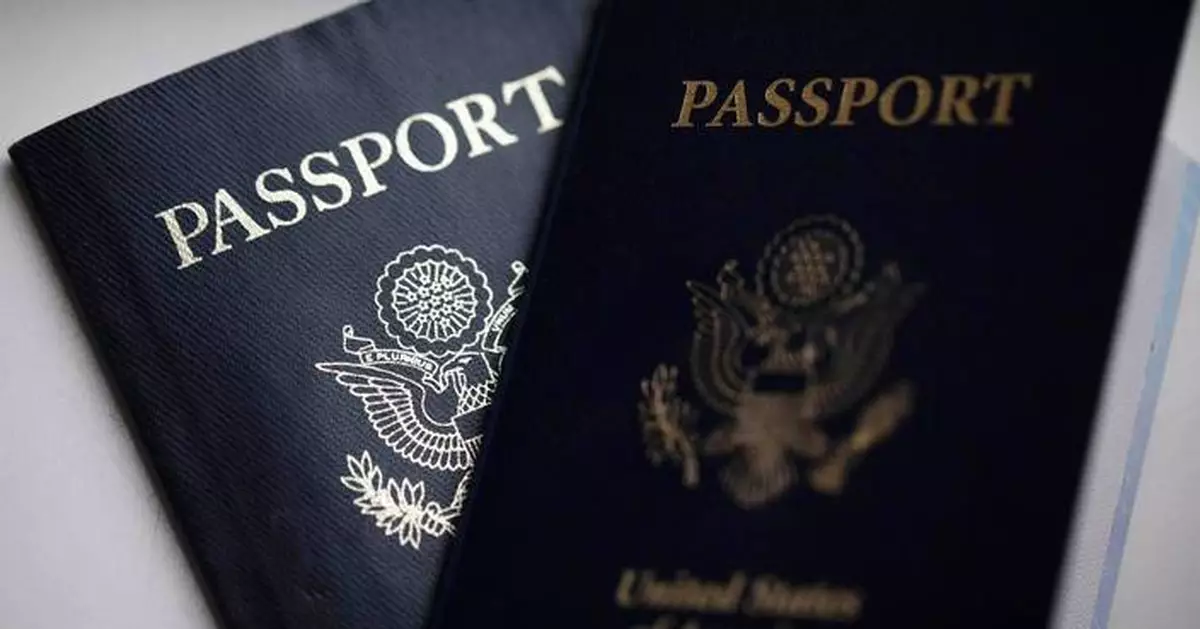
WASHINGTON (AP) — The U.S. State Department will begin revoking the U.S. passports of thousands of parents who owe a significant amount of unpaid child support.
The department told The Associated Press on Thursday that the revocations would begin Friday and be focused on those who owe $100,000 or more. That would apply to about 2,700 American passport holders, according to figures supplied to the State Department by the Department of Health and Human Services.
The revocation program, plans for which were first reported by the AP in February, soon will be greatly expanded to cover parents who owe more than $2,500 in unpaid child support — the threshold set by a little-enforced 1996 law, the State Department said.
It was not clear on Thursday how many passport holders owe more than $2,500 because HHS is still collecting data from state agencies that track the figures, but it could encompass many more thousands of people, officials said.
Until this week, only those who applied to renew their passports were subject to the penalty. Under the new policy, HHS will inform the State Department of all past-due payments of more than $2,500 and parents in that group with passports will have their documents revoked, the department said.
“We are expanding a commonsense practice that has been proven effective at getting those who owe child support to pay their debt,” Assistant Secretary of State for Consular Affairs Mora Namdar said. “Once these parents resolve their debts, they can once again enjoy the privilege of a U.S. passport.”
Since the AP reported the expansion of the program on Feb. 10, the department said it had “seen data that hundreds of parents took action and resolved their arrears with state authorities since news broke that the State Department would start proactively revoking passports.”
“While we can’t confirm the causation in all of those cases, we are taking this action precisely to impel these parents to do the right thing by their children and by U.S. law,” the department said.
Even before the policy was expanded, the department said the program had been a “powerful tool” to get parents to pay what they owed. It said that since it began in earnest in 1998, states had collected some $657 million in arrears, including more than $156 million in over 24,000 individual lump-sum payments over the past five years.
Those whose passports are revoked under the program will be notified that they will not be able to use their documents for travel and will have to apply for a new passport once their arrears are confirmed as paid.
A passport holder who is abroad at the time of revocation will need to visit a U.S. embassy or consulate to obtain an emergency travel document that allows them to return to the United States.
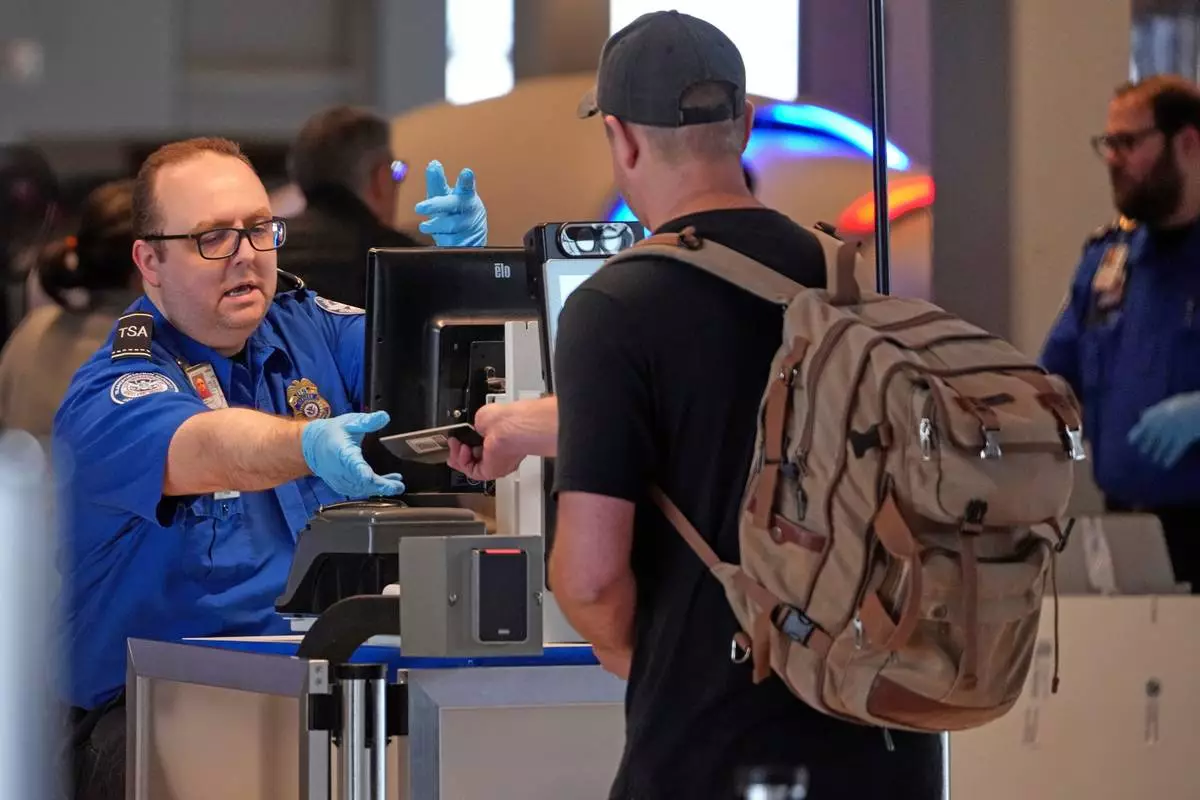
FILE - A Transportation Security Administration worker hands a passport back to a traveler at a TSA checkpoint at Pittsburgh International Airport in Imperial, Pa., March 23, 2026. (AP Photo/Gene J. Puskar, File)
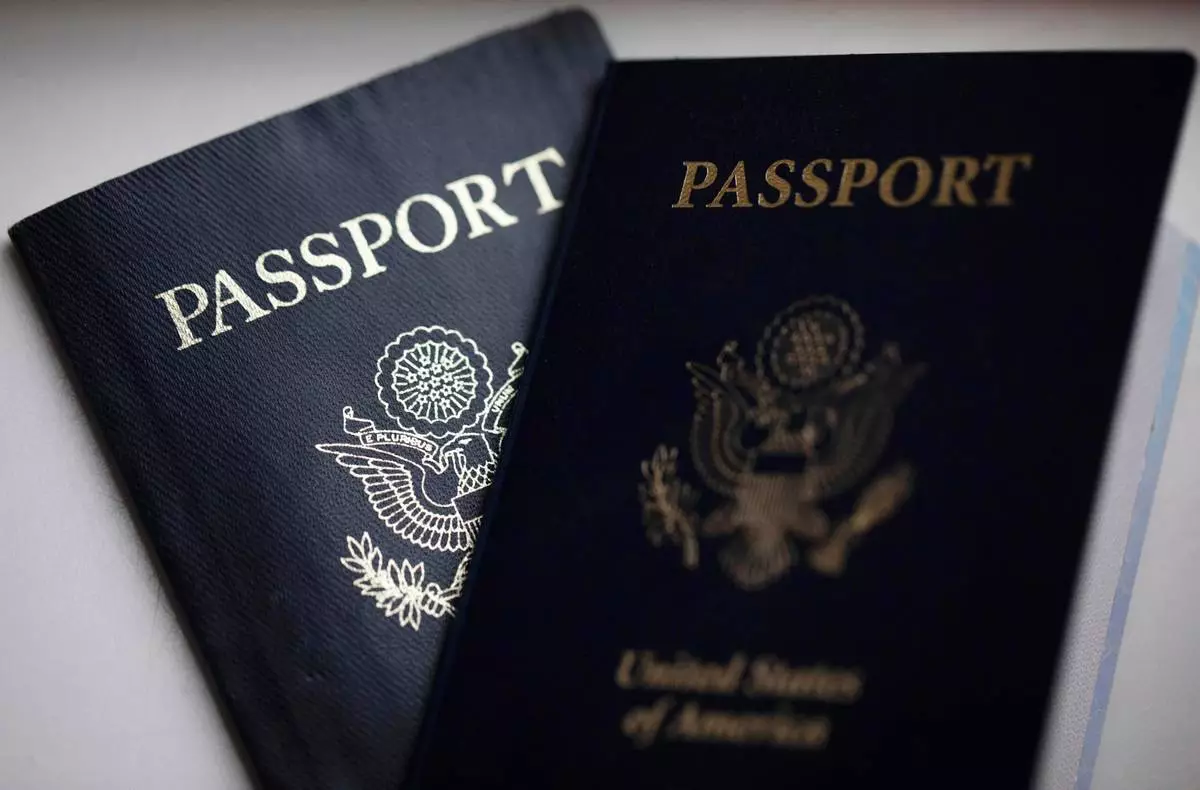
FILE - U.S. passports are arranged for a photograph in Tigard, Ore., Dec. 11, 2021. (AP Photo/Jenny Kane, File)
Weeks before Jeffrey Epstein killed himself in a decrepit Manhattan jail in 2019, he was found on the floor of his cell, alive but with marks on his neck.
He later made a startling allegation: According to a jail officer, Epstein said his cellmate, Nicholas Tartaglione, tried to kill him.
Epstein soon recanted, but not before Tartaglione became a central figure in the mystery surrounding the ex-financier’s injuries.
Tartaglione, a former police officer then awaiting trial in a quadruple murder case, had a different version of events. He told his lawyer Epstein had tucked a suicide note inside a book.
Tartaglione handed the note over to his legal team, but its existence got scant mention in the years after — even after Epstein's subsequent suicide, which drew scrutiny from federal investigators and a skeptical public.
On Wednesday the note Tartaglione said he found was finally made public, unsealed by a judge after being locked in a courthouse vault for years as part of an unrelated legal dispute.
It is not clear whether the note is authentic, when exactly it was written or whether its cryptic language amounts to a suicide message, as Tartaglione claims.
Here is what to know about Tartaglione, why the note stayed out of public view for so long and how its release is reverberating now:
Tartaglione retired on a disability pension in 2008. Authorities say he turned to dealing drugs and eventually orchestrated the kidnapping and murder of four men in 2016.
Tartaglione believed that one of the men stole money from him that was meant to be used to buy cocaine, according to prosecutors. The burly former police officer lured the man to a bar, tortured him in an effort to locate the money and ultimately strangled him with a zip tie, authorities said.
Three of the man's friends and relatives who were there were shot in the head, and all four were buried on Tartaglione’s property, according to prosecutors.
Tartaglione was arrested in December 2016. He was still awaiting trial three years later when he found himself sharing a cell with Epstein at the Metropolitan Correctional Center.
Tartaglione was ultimately convicted in 2023 and later sentenced to four consecutive life terms.
Epstein was found in the cell with Tartaglione around 1:30 a.m. on July 23, 2019, according to jail records. Epstein was then placed on suicide watch elsewhere in the jail. That's when, the officer said, he sat up and accused Tartaglione of trying to kill him, adding that he tried to extort money and threatened to beat Epstein up.
Epstein’s claim of an attack quickly became public, and within a day NBC News reported that jail officials questioned Tartaglione and were investigating whether Epstein had been assaulted.
In an interview with jail staff a week later, however, Epstein said he never had any issues with Tartaglione, was not threatened by him and did not “want to make up something that isn’t there,” records show. He said he was not suicidal.
After 31 hours on suicide watch, Epstein was downgraded to psychiatric observation. He was without a cellmate when he was found dead on Aug. 10, 2019. Officials said they found a handwritten note in his cell but it appeared not to be a suicide note so much as a list of grievances about filthy conditions at the jail, which has since been closed.
Authorities concluded that Epstein killed himself and that the first incident was likely a missed opportunity to take steps to prevent a second suicide attempt.
A chronology included in recently released Justice Department files about Epstein's case said Tartaglione told his lawyer about the note four days after the suspected July 23 suicide attempt.
Jail staff made no mention of the note in a report recounting an interview with Tartaglione late that month. “Tartaglione stated he does not understand Epstein’s motive and what he is trying to do,” the report said. Tartaglione said he thought Epstein was having a heart attack.
The note was later submitted as evidence in Tartaglione’s drug murder case and placed under seal amid a dispute over his legal representation.
Tartaglione mentioned it last year in a podcast interview from prison as he sought to dispel persistent conspiracy theories that Epstein did not kill himself. “It was in my book. When I got back into the cell, I opened my book to read, and there it was,” Tartaglione said.
The brief note itself is hard to parse.
“They investigated me for month — found nothing!!!” it says.
“It is a treat to be able to choose” the “time to say goodbye,” it continues. “Watcha want me to do — Bust out cryin!!”
After seven years of startling turns and unanswered questions, the document only adds to uncertainty and frustration for some of his accusers.
“It is hurtful to me because I don’t know if Jeffrey Epstein really wrote it, and if he did, when he wrote it,” said actor and model Alicia Arden, who filed a 1997 police report about him that went nowhere.
Arden also wonders why the note is just being released now. Her lawyer, Gloria Allred, said Epstein's victims want truth and transparency but the note “simply deepens the mystery.”
Jennifer Freeman, another attorney for survivors, said the document distracts from their push to scrutinize the government's handling of Epstein's case and hold accountable anyone who enabled him.
“We cannot allow the narrative to become muddied by speculation over whether this note is real,” Freeman said.
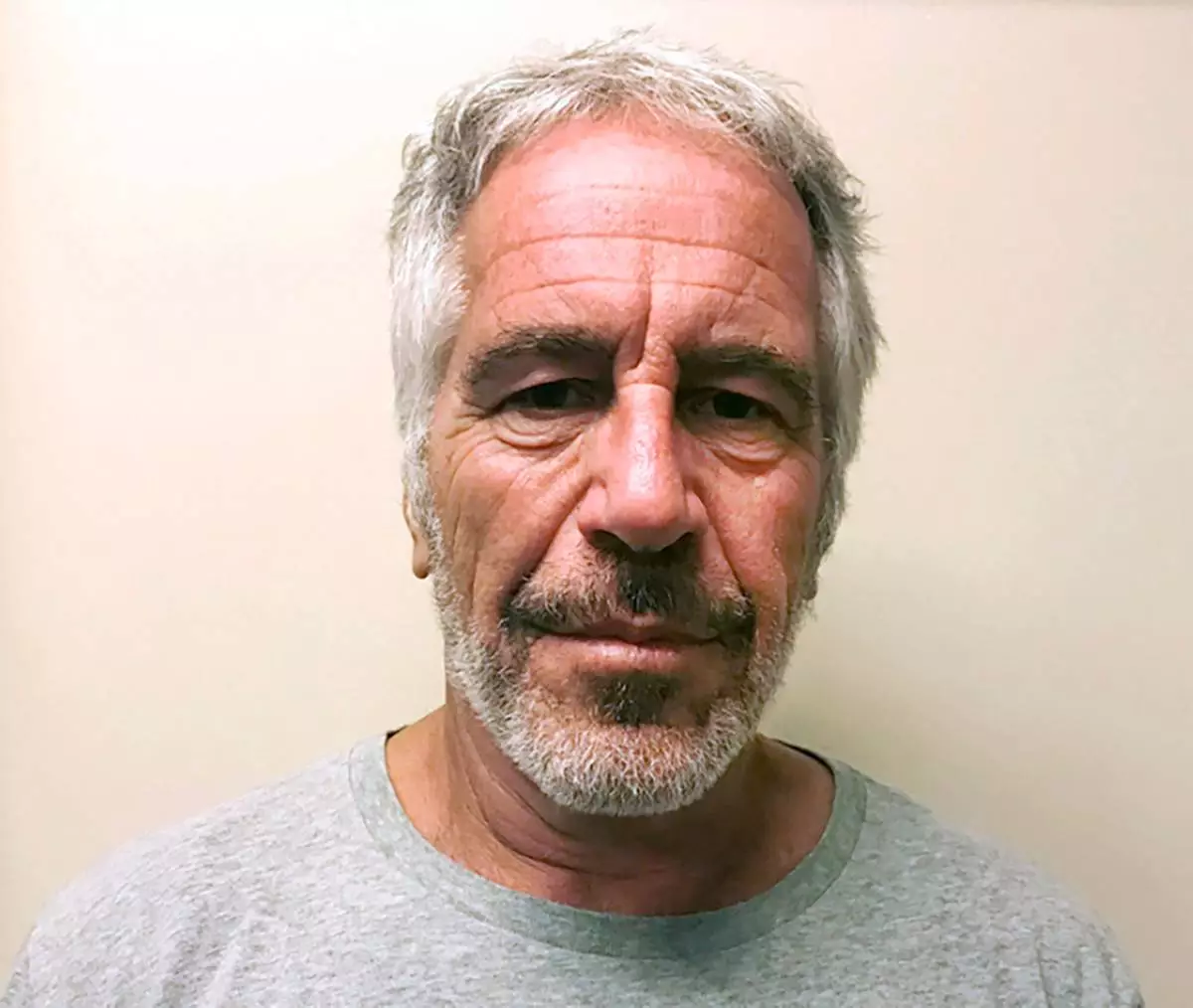
FILE - This March 28, 2017, photo provided by the New York State Sex Offender Registry shows Jeffrey Epstein. (New York State Sex Offender Registry via AP, File)
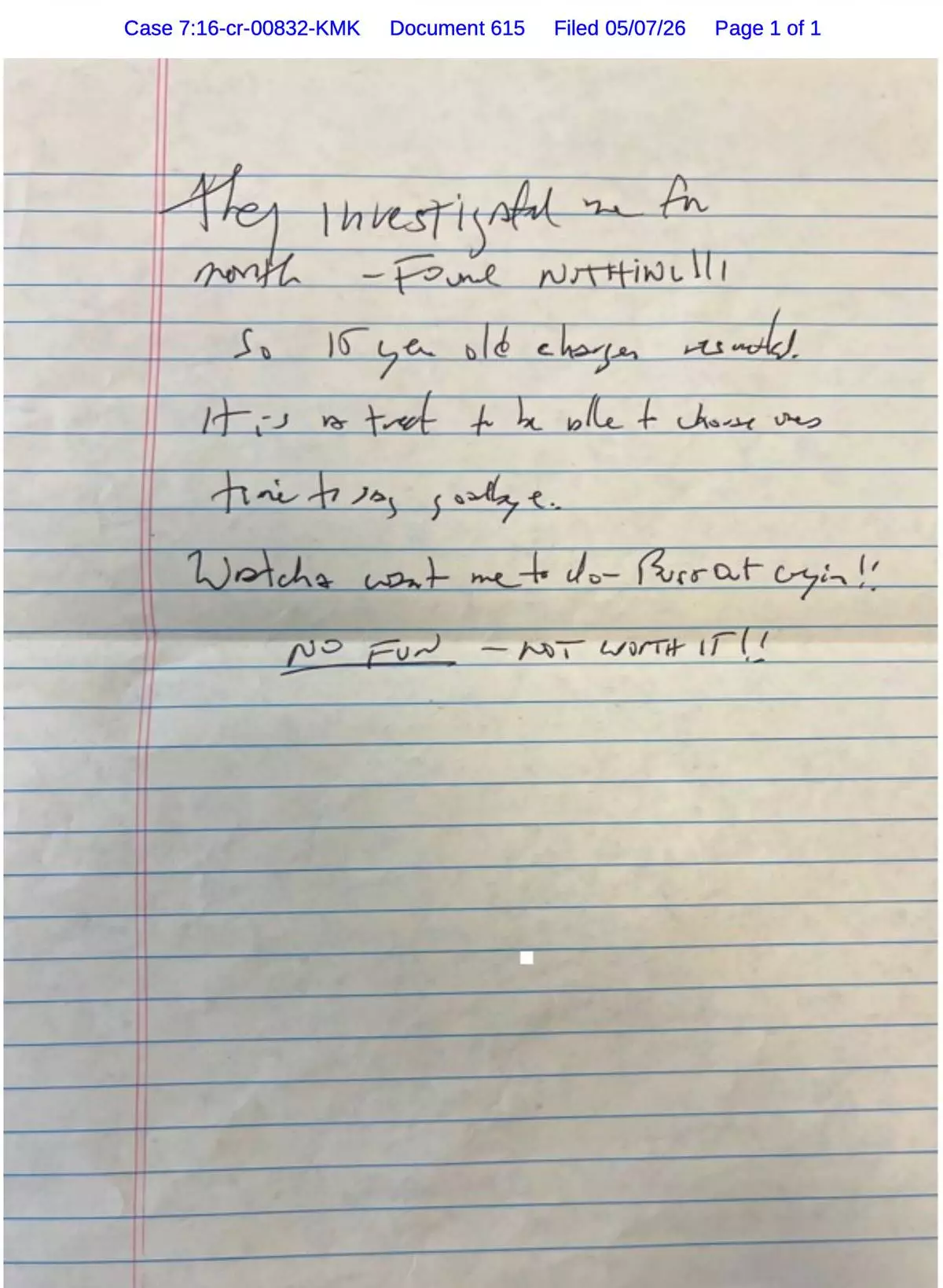
This document, released Thursday, May 7, 2026, by the U.S. District Court for the Southern District of New York, shows a note that Jeffrey Epstein’s former cellmate said he found after Epstein’s reported suicide attempt in July 2019. (U.S. District Court for the Southern District of New York via AP)