China's producer price index (PPI), which measures costs for goods at the factory gate, went up 2.8 percent year on year in April, the National Bureau of Statistics said Monday.
On a month-on-month basis, the PPI rose 1.7 percent in April, up from 1 percent in March.
NBS statistician Dong Lijuan attributed the rise in the PPI to three main factors: rising prices in domestic petroleum-related sectors driven by international price movements, increased demand in certain domestic industries, and the continued improvement in market competition order, which led to price increases or smaller declines in relevant sectors.
In the year-on-year breakdown, production materials prices rose 3.8 percent, contributing about 2.98 percentage points to the overall PPI increase. Among them, the mining industry surged 10.6 percent, raw materials rose 7.1 percent, and processing industries were up 1.5 percent.
Consumer goods prices fell 1.0 percent, trimming the overall PPI by 0.23 percentage points. To be specific, food prices declined 1.9 percent, clothing and daily-use goods each fell 1.1 percent, and durable consumer goods dropped 0.3 percent.
In the industrial producer purchase prices, nonferrous metal materials and wires jumped 21.3 percent, chemical raw materials rose 5.9 percent, fuel and power increased 4.4 percent, and textile raw materials were up 1.0 percent. By contrast, building materials and non-metallic products fell 5.1 percent, agricultural and sideline products dropped 2.1 percent, and ferrous metal materials declined 0.9 percent.
On a monthly basis, production materials prices increased 2.1 percent in April, contributing 1.68 percentage points to the overall PPI rise. Mining rose 5.7 percent, raw materials advanced 4.9 percent, and processing industries were up 0.4 percent.
Consumer goods prices edged down 0.1 percent. Food fell 0.4 percent and clothing dipped 0.1 percent, while daily-use goods and durable consumer goods each rose 0.1 percent.
With regard to purchasing prices of industrial producers, chemical raw materials jumped 7.3 percent, fuel and power rose 6.3 percent, textile raw materials increased 1.3 percent, ferrous metals gained 0.6 percent, and agricultural products added 0.3 percent. Building materials and non-metallic products fell 1.0 percent, while nonferrous metals and wires edged down 0.1 percent.
In the first four months of 2026, the PPI rose 0.2 percent from the same period last year, and the purchasing prices of industrial producers increased 0.5 percent.
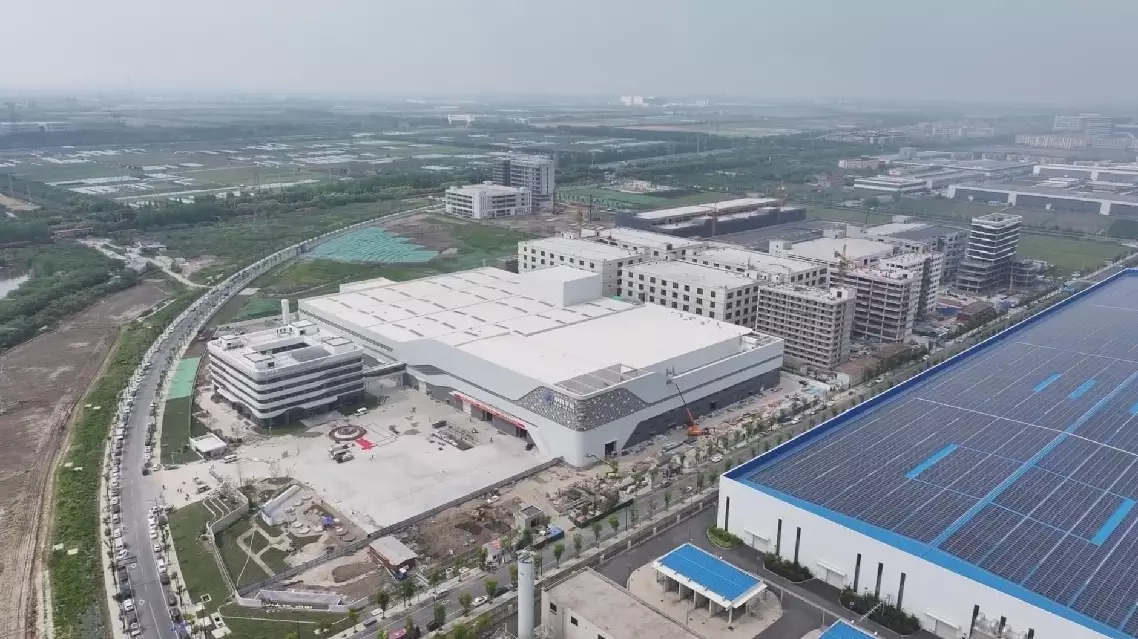
China's PPI up 2.8 pct in April
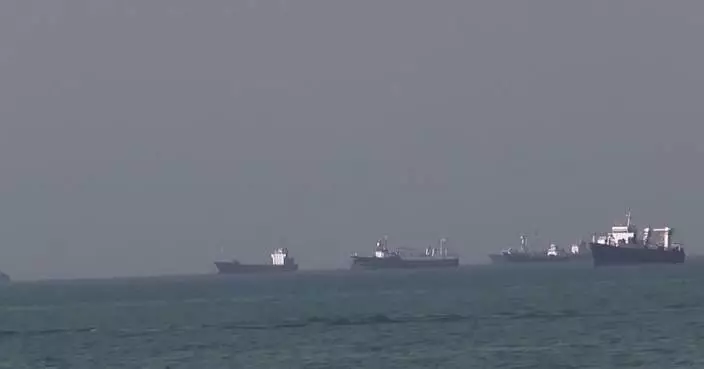
More than 20 U.S. warships are enforcing blockade against Iran, U.S. Central Command posted on social media platform X on Sunday.
Since April 13, the U.S. military has ordered 61 merchant ships to change course and has disabled four vessels, said the post.
Following a temporary ceasefire between the U.S. and Iran, the former has continued its naval blockade against Iran, while Iran has demanded its lifting.
A top Iranian diplomat on Sunday warned that the presence of French and British warships in the Strait of Hormuz to accompany the U.S. "illegal and internationally unlawful" actions will be met with a "decisive and immediate" response from Iran's armed forces.
Kazem Gharibabadi, Iran's Deputy Foreign Minister for Legal and International Affairs, made the statement in a social media post while responding to France's deployment of its nuclear-powered aircraft carrier Charles de Gaulle to the Red Sea and the Gulf of Aden to prepare for a future joint mission between Paris and London to secure the freedom of shipping and navigation through the Strait of Hormuz.
Gharibabadi said the British government has also announced that to accompany France, it will send a warship to the Red Sea, adding any deployment and stationing of trans-regional destroyers around the Strait of Hormuz under the pretext of protecting shipping "is nothing but an escalation of the crisis, the militarization of the vital waterway, and an attempt to cover up the true root of insecurity in the region."
He added that maritime security cannot be ensured through a "show of military power," especially by actors who themselves contribute to the problems through their support, participation, or silence in the face of the anti-Iran "aggression and blockade."
He claimed that Iran, as a coastal country, has the right to exercise sovereignty over the Strait of Hormuz and determine its legal arrangements.
Meanwhile, the semi-official Tasnim news agency quoted Iran's Navy Commander Shahram Irani as saying the navy has deployed light, homegrown submarines in the Strait of Hormuz to counter the "enemy's" warships.
Also on Sunday, French President Emmanuel Macron said in Nairobi, Kenya, that France had "never envisaged" a naval deployment in the Strait of Hormuz, but rather a security mission to be "coordinated with Iran," noting that he was sticking to his position of opposing a blockade from either side.
Iran tightened its grip on the Strait of Hormuz beginning Feb. 28, when it barred safe passage to vessels belonging to or affiliated with Israel and the United States following their joint strikes on Iranian territory.
The United States has also imposed a naval blockade on the strait, preventing ships traveling to and from Iranian ports from transiting the waterway.
Sporadic clashes erupted last Thursday and Friday between Iran and the United States in and around the Strait of Hormuz after Washington launched a project, called Project Freedom, to guide stranded ships out of the waterway.
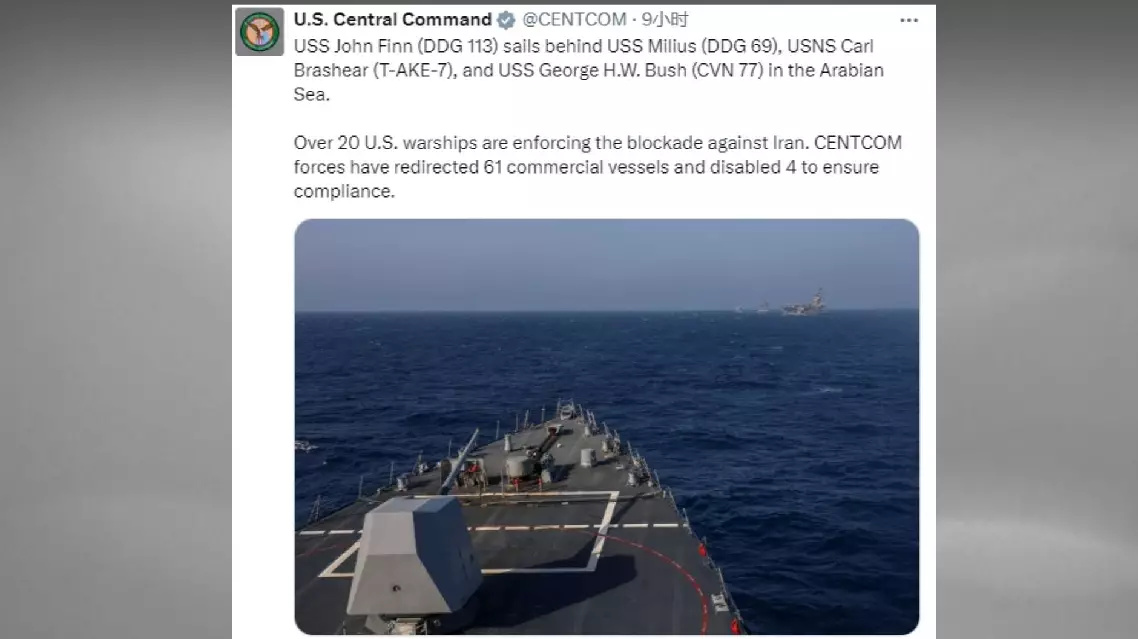
Over 20 US warships enforcing blockade against Iran