ANAHEIM, Calif. (AP) — Alex Killorn and rookie Beckett Sennecke had a power-play goal and an assist apiece, and the Anaheim Ducks beat the Vegas Golden Knights 4-3 in Game 4 on Sunday night to even their second-round series at two games apiece.
Ian Moore got his first career playoff goal, Cutter Gauthier contributed three assists and Mikael Granlund also scored for the upstart Ducks, who responded to their 6-2 blowout loss in Game 3 with another mature two-way performance in their first playoff run since 2018.
Click to Gallery
Vegas Golden Knights' Pavel Dorofeyev (16) celebrates his goal against the Anaheim Ducks during the first period of an NHL hockey game Sunday, May 10, 2026, in Anaheim, Calif. (AP Photo/Scott Strazzante)
Vegas Golden Knights' Jack Eichel (9) is separated from Anaheim Ducks' Jacob Trouba (65) during the second period of an NHL hockey game Sunday, May 10, 2026, in Anaheim, Calif. (AP Photo/Scott Strazzante)
Anaheim Ducks' John Carlson (74) is tripped up by Vegas Golden Knights' Rasmus Andersson (4) during the second period of an NHL hockey game Sunday, May 10, 2026, in Anaheim, Calif. (AP Photo/Scott Strazzante)
Anaheim Ducks' Beckett Sennecke (45) celebrates his goal against the Vegas Golden Knights with Alex Killorn (17) during the first period of an NHL hockey game, Sunday, May 10, 2026, in Anaheim, Calif. (AP Photo/Scott Strazzante)
“It's a great rebound, a good, resilient game,” Killorn said. “I think there was a lot more urgency tonight. That's kind of the way playoffs go. You don't ever want to lose two in a row at home. You don't want to go down 3-1 in a series. We made some adjustments. That's just what playoffs is. They had a great game last time. We had a good game tonight, and we expect it to be a really good series going forward.”
Lukas Dostal made 18 saves in a strong bounce-back effort after getting pulled from Game 3 for allowing three goals in his latest shaky first period, and his teammates provided more than enough offense in their highest-scoring performance of the series. The Ducks are tied for the overall Stanley Cup playoff lead with 36 goals and 10 power-play scores.
“I thought we worked hard and did a lot of good things,” Anaheim coach Joel Quenneville said. “A little dangerous at the end again, but certainly a lot of positives.”
Game 5 is Tuesday night in Las Vegas, with Game 6 back in Anaheim on Thursday night.
Pavel Dorofeyev and Brett Howden scored for the Golden Knights, whose three-game road winning streak ended.
Carter Hart stopped 19 shots despite some shaky moments, while Mitch Marner had three assists in Game 4 following his hat trick in Game 3, giving him an NHL-leading and career-best 16 points in the postseason.
Anaheim's two power-play goals ended the unit’s 0-for-11 skid and finally dented a Vegas penalty kill that allowed just one power-play goal in its first nine postseason games. Killorn got the tiebreaking power-play goal late in the second period when he drove the net and his shot trickled through Hart.
“I'm not going to dissect the PK,” Vegas coach John Tortorella said. “I think the biggest part of the game was we needed to get out of the second period (tied) 2-2. That gave them some life, and they scored their fourth goal and they're just filling the neutral zone, just stacking. I think that was the most important part of the game.”
Moore added to the Ducks' early in the third, recording his first career playoff point. Tomas Hertl ended his personal 29-game goal drought when he scored for Vegas with 1:04 left while Hart was pulled for an extra attacker, but Anaheim held on.
Sennecke, the Ducks’ 20-year-old Calder Trophy finalist, opened the scoring with just the second power-play goal allowed by the Golden Knights in the entire postseason, ending a streak of 21 straight kills.
Sennecke scored a goal in his third consecutive game, joining Sidney Crosby (2007) as the only players under 21 with a three-game postseason goal streak in the 21st century.
Howden tied it with his seventh goal of the postseason early in the second period off a slick setup from former Ducks draft pick William Karlsson.
Vegas played without captain Mark Stone, who incurred an undisclosed injury in Game 3.
Anaheim shook up its lineup, inserting puck-moving defenseman Olen Zellweger for his playoff debut and his first game action since April 7 while Moore and forward Mason McTavish also returned after healthy scratches. Quenneville praised all three players' effort.
AP NHL: https://apnews.com/NHL

Vegas Golden Knights' Pavel Dorofeyev (16) celebrates his goal against the Anaheim Ducks during the first period of an NHL hockey game Sunday, May 10, 2026, in Anaheim, Calif. (AP Photo/Scott Strazzante)

Vegas Golden Knights' Jack Eichel (9) is separated from Anaheim Ducks' Jacob Trouba (65) during the second period of an NHL hockey game Sunday, May 10, 2026, in Anaheim, Calif. (AP Photo/Scott Strazzante)

Anaheim Ducks' John Carlson (74) is tripped up by Vegas Golden Knights' Rasmus Andersson (4) during the second period of an NHL hockey game Sunday, May 10, 2026, in Anaheim, Calif. (AP Photo/Scott Strazzante)

Anaheim Ducks' Beckett Sennecke (45) celebrates his goal against the Vegas Golden Knights with Alex Killorn (17) during the first period of an NHL hockey game, Sunday, May 10, 2026, in Anaheim, Calif. (AP Photo/Scott Strazzante)
BANGKOK (AP) — Asia’s first defenses against energy shocks from the Iran war are running short and a more consequential second wave of impacts is beginning to hit.
When the war started, governments scrambled to adapt to the closure of the Strait of Hormuz, a critical artery for energy flowing to Asia. They made difficult trade-offs: saving power at the risk of slowing businesses, prioritizing gas for households at the risk of fertilizer production and dipping into energy stockpiles for temporary relief.
But these measures were based on the war lasting only a short time, allowing a quick resumption of energy flows. That has not happened.
With no clear end in sight, the fuel crisis is now rippling across economies. Airfare costs, shipping rates and utility bills are climbing, jeopardizing economic growth. About 8.8 million people are in danger of being pushed into poverty and the conflict may cause $299 billion in economic losses to the Asia-Pacific region, according to the United Nations Development Program.
“The countries with the least resources to respond, or the consumers who can least afford to pay, are the ones who feel everything first,” said Samantha Gross of the U.S.-based think tank Brookings Institution.
Asian governments planned their budgets assuming the price of oil would average around $70 a barrel. Subsidies helped to keep fuel prices stable. But the war pushed the price of Brent crude to as high as about $120 a barrel.
Governments now face a stark choice between maintaining those costly subsidies, straining public finances, or cutting them to pass higher costs on to consumers, risking a public backlash, said Ahmad Rafdi Endut, a Kuala Lumpur-based independent energy analyst.
In India, early steps to redirect fuel supplies toward cooking gas for roughly 330 million households cut into supplies for fertilizer plants. The surging of fertilizer prices and meteorologists warning of weak rainfall in an El Niño year is a concern for the world’s largest rice exporter.
India has relied on subsidies to shield its 1.4 billion people until now, but on Sunday, Prime Minister Narendra Modi urged citizens to buy locally and cut down on travel abroad to save dollars. He also encouraged people to work from home and use public transport to reduce fuel consumption, and asked farmers to halve fertilizer use.
The Philippines quickly shifted to a four-day work week to save fuel. It also rolled out targeted subsidies for poorer households. However, Fitch Ratings noted that most consumers are still paying higher energy costs, causing business activity to slow in major cities like Manila.
Thailand abandoned its diesel price cap less than a month after the conflict began, as its fuel subsidies ran out. It's now cutting other spending to manage higher oil prices while trying to keep its budget under control.
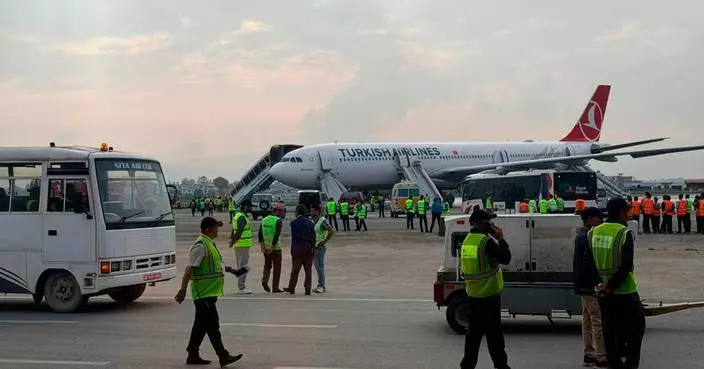
Vietnam extended a suspension of fuel taxes to ease pressure on domestic prices. Jet fuel shortages have led to flight cuts. Tourism makes up nearly 8% of Vietnam's gross domestic product — the nation's total output of goods and services — so that affects the entire economy.
“Business is not good right now," said Hanoi-based tour guide Nguyen Manh Thang. “There are already fewer tourists.”
Fuel shortages have pushed cash-strapped countries like Pakistan and Bangladesh to buy oil and gas at current market prices, which are often higher and more volatile than long-term contracts. This raises import costs and adds to pressure on their already limited foreign exchange reserves.
Governments can keep costly fuel subsidies by cutting spending from other priorities like welfare, or borrow more and risk higher inflation, said Endut in Kuala Lumpur. Alternatively, they can reduce subsidies and pass higher costs on to consumers, risking angering voters.
Once subsidies are exhausted and inflation starts to rise, countries could face what he called a “fiscal time bomb.”
The war's eventual end won't bring quick respite to Asia.
The global oil and gas trade will not bounce back right away, and it will take time to restart production, said Gross with the Brookings Institution. Repairing damaged infrastructure, restarting facilities and allowing for transport time from the Middle East to final markets will take weeks or even months.
Europe will feel a similar impact to Asia, but with about a four-week lag, experts say.
Americans are also feeling the pinch as gas prices spike across the U.S. But Southeast Asia is currently the “biggest pain point," said Henning Gloystein of the Eurasia Group consultancy firm.
“This fuel shortage situation is going to get worse,” he said.
In Africa, higher energy and import costs are similarly straining budgets, widening deficits and driving up inflation. The war is also taking a toll on Latin America and the Caribbean, where growth is projected to slow slightly.
The complex disruptions across global supply chains will continue to have broader impacts, warned Ted Krantz, CEO of supply chain risk firm Interos.ai.
The crisis also highlights the fragility of Asia’s growing middle class, said Maria Monica Wihardja of the Singapore-based ISEAS-Yusof Ishak Institute, with many people at risk of slipping back into poverty.
The energy shock will reshape Southeast Asia’s economies over time, she said, including shifts in job markets and how countries plan for future energy crises.
Countries are already debating and implementing longer-term solutions, like diversifying fossil fuel suppliers, developing nuclear energy and renewables like solar.
The war is making geopolitical risk central to the economic outlook of Southeast Asia and directly slowing regional growth, said Albert Park of the Asian Development Bank.
"The longer it lasts, the larger those negative effects would be,” he said
Ghosal reported from Hanoi, Vietnam.
The Associated Press’ climate and environmental coverage receives financial support from multiple private foundations. The AP is solely responsible for all content. Find AP’s standards for working with philanthropies, a list of supporters and funded coverage areas at AP.org.
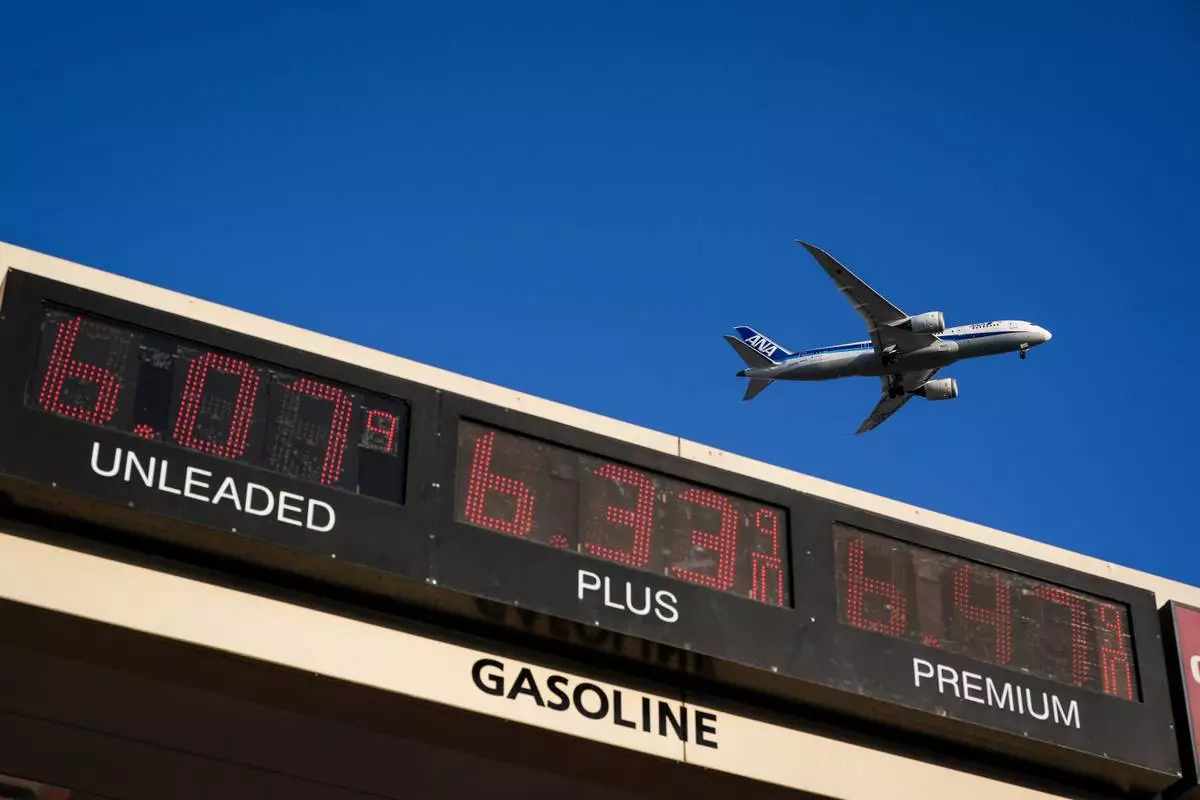
FILE - An ANA jet flies above a gas station in Inglewood, Calif., on May 6, 2026. (AP Photo/Jae C. Hong, File)
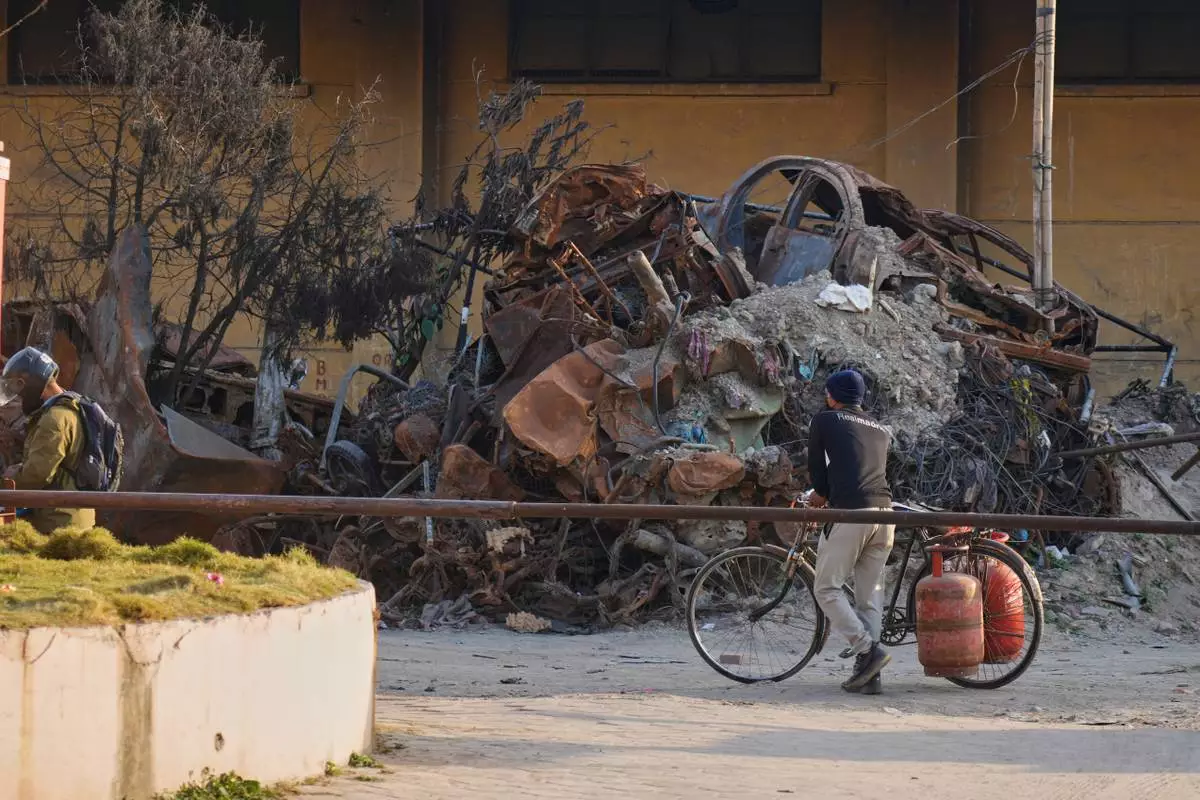
FILE - A person carries gas cylinders on his bicycle in Kathmandu, on March 19, 2026. (AP Photo/Niranjan Shrestha, File)
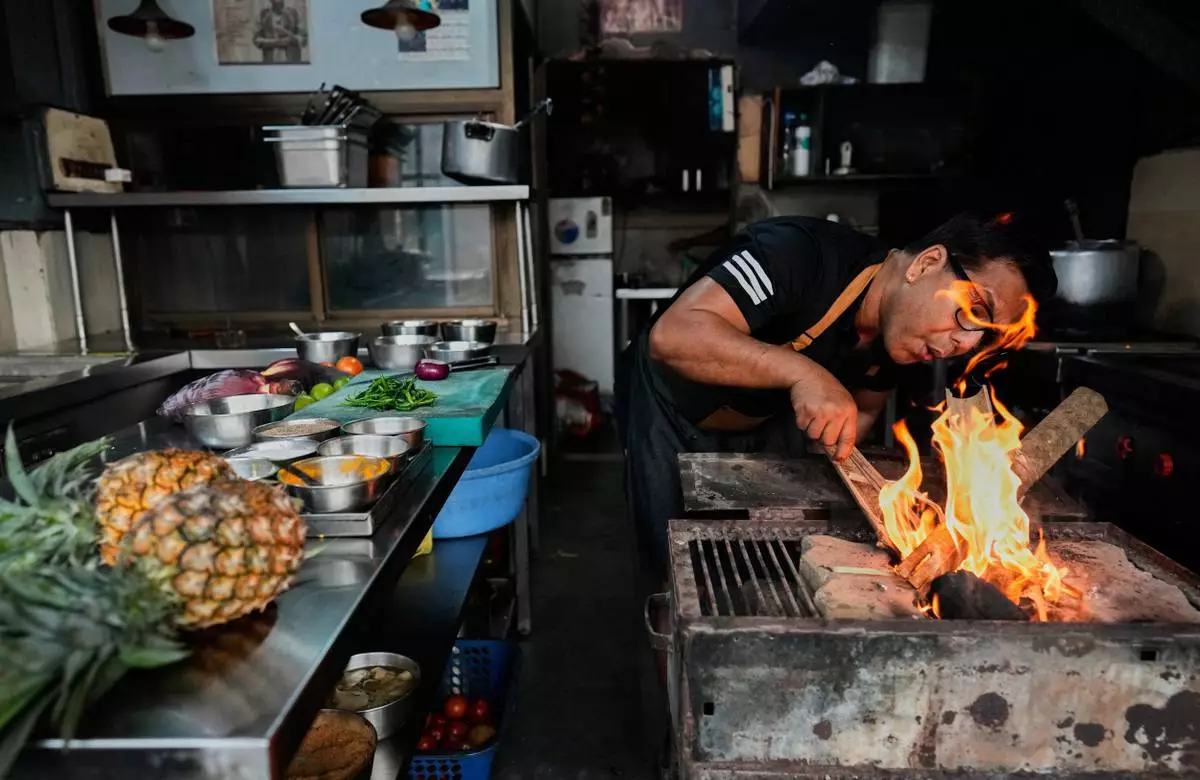
FILE - Atul Lahkar, from the Assam region, chef lights a fire with wood and coal to prepare food for his restaurant following a regional gas shortage in Guwahati, India, on March 19, 2026. (AP Photo/Anupam Nath, File)
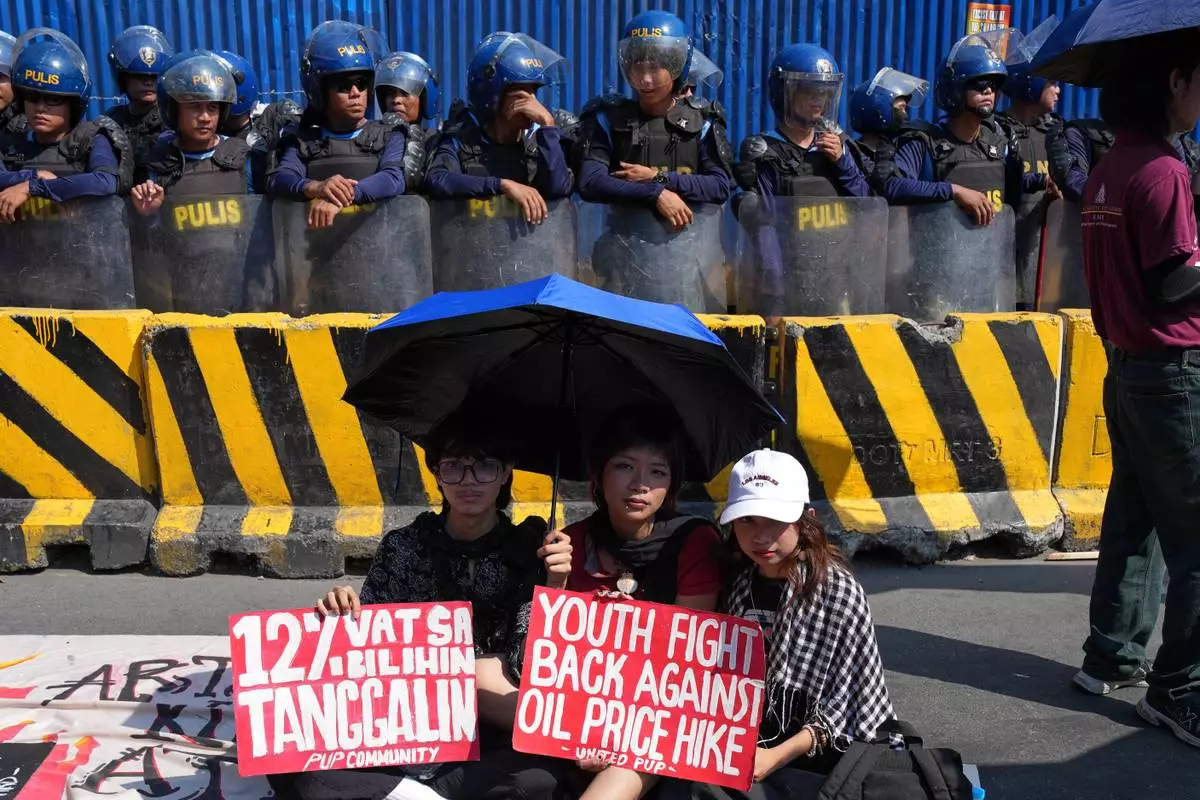
FILE - Protesters hold slogans beside police during a rally by transport workers and activists protesting the rise in oil prices on March 27, 2026, near the Malacanang presidential palace in Manila, Philippines. (AP Photo/Aaron Favila, File)
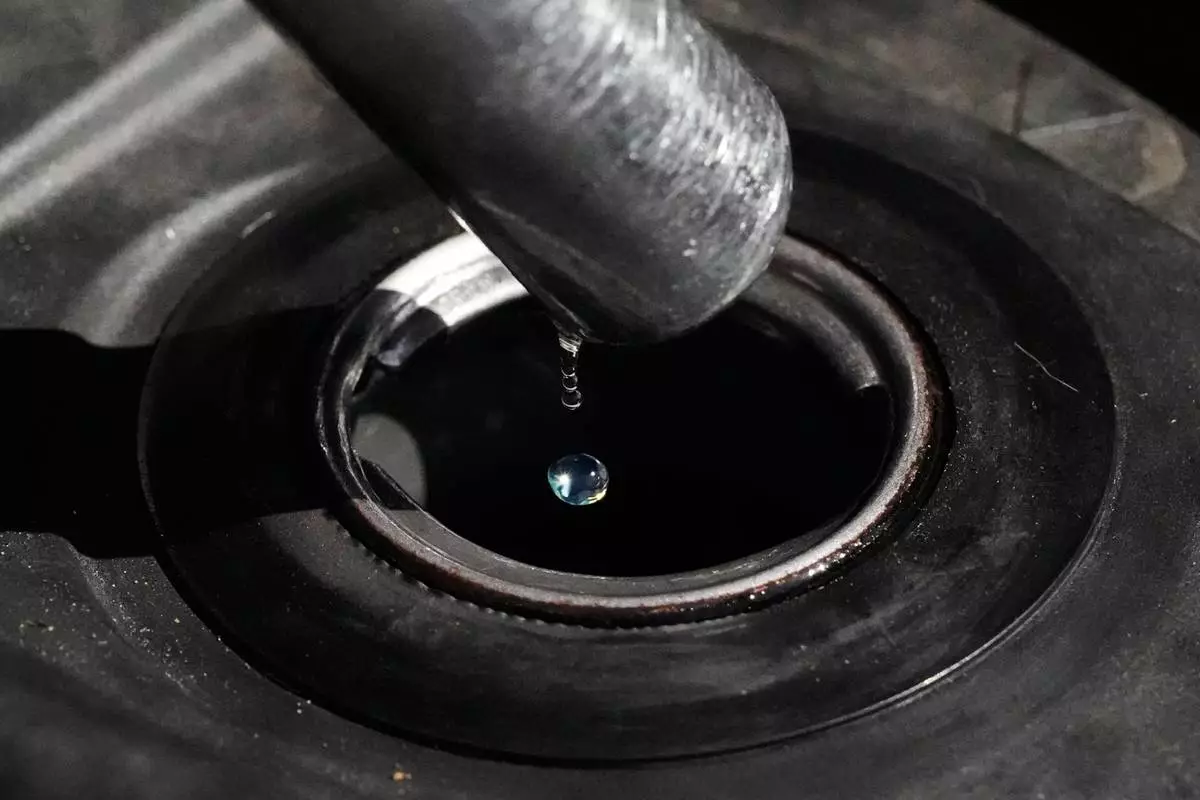
FILE - Gasoline drops from the nozzle of a fuel pump as it fills a motorcycle as prices continue to rise at a gasoline station in Quezon City, Philippines on March 19, 2026. (AP Photo/Aaron Favila, File)