CLEVELAND--(BUSINESS WIRE)--May 11, 2026--
Carnegie Investment Counsel (“Carnegie”), a leading Registered Investment Adviser (RIA) with $7B in assets under management, has promoted Ben Connard, CFA, to Chief Investment Officer (CIO). Connard will lead the firm’s investment strategies and oversee portfolio construction across equity and fixed income asset classes.
This press release features multimedia. View the full release here: https://www.businesswire.com/news/home/20260511924214/en/
Connard’s elevation to Chief Investment Officer follows a period of continued growth and integration across Carnegie’s platform. Since joining the firm in connection with its expansion into Stamford, Connecticut in February of last year, Connard has served as a member of Carnegie’s Investment Committee, working closely with colleagues across offices to support the firm’s disciplined, research-driven investment approach.
“The primary benefit of our mergers has been the acquisition of talented people. Last year when we added a team in Stamford, Connecticut, we identified Ben Connard as a potential successor to the Chief Investment Officer role here at Carnegie,” said Richard Alt, CEO of Carnegie. “Now that he has spent a year on our investment committee, my confidence is even greater that he has the discipline to lead the investment team.”
In his role as Chief Investment Officer, Connard will work to enhance collaboration across 10 offices across the US, bringing together the firm’s collective expertise to support a consistent and thoughtful investment process. He will build on Carnegie’s long-standing philosophy, focused on bottom-up fundamental analysis, long-term investing, and disciplined portfolio construction.
Connard has been instrumental in helping integrate investment perspectives across the firm, sharing best ideas and strengthening the firm’s overall investment platform. His appointment formalizes a leadership role that supports Carnegie’s continued evolution while maintaining continuity for clients.
“Carnegie has always been grounded in a disciplined, long-term approach to investing,” said Connard. “Our focus is on understanding the underlying businesses we invest in and building portfolios that can perform through a full market cycle. As Chief Investment Officer, my goal is to ensure that every portfolio manager and advisor across the firm is positioned to deliver consistent, long-term outcomes for our clients.”
Connard will continue to work directly with clients, maintaining Carnegie’s emphasis on personalized service and customized portfolio management. Connard’s promotion strengthens Carnegie’s core investment philosophy, and his new role will not disrupt existing client relationships with advisors and portfolio managers.
Prior to joining Carnegie, Connard spent nine years as a Partner and Portfolio Manager at Eagle Ridge Investment Management LLC and 11 years as an Analyst at Laidlaw Group, LLC. He earned a Bachelor of Arts in Mathematics & Statistics and Economics from Williams College and is a member of the CFA Society of New York.
About Carnegie Investment Counsel
Carnegie Investment Counsel (“Carnegie”) is a federally registered investment adviser under the Investment Advisers Act of 1940. Registration as an investment adviser does not imply a certain level of skill or training. Carnegie’s strategies and the investment risks and advisory fees associated with each strategy can be found within Part 2A of the firm's Form ADV, which is available at www.adviserinfo.sec.gov.Carnegie is a fee-only Investment Adviser that is independently owned, with no obligations to deliver profits to outside shareholders. As a fiduciary, Carnegie seeks to place the client's best interest first.
For more information, call 800.321.2322 or visit www.carnegieinvest.com.
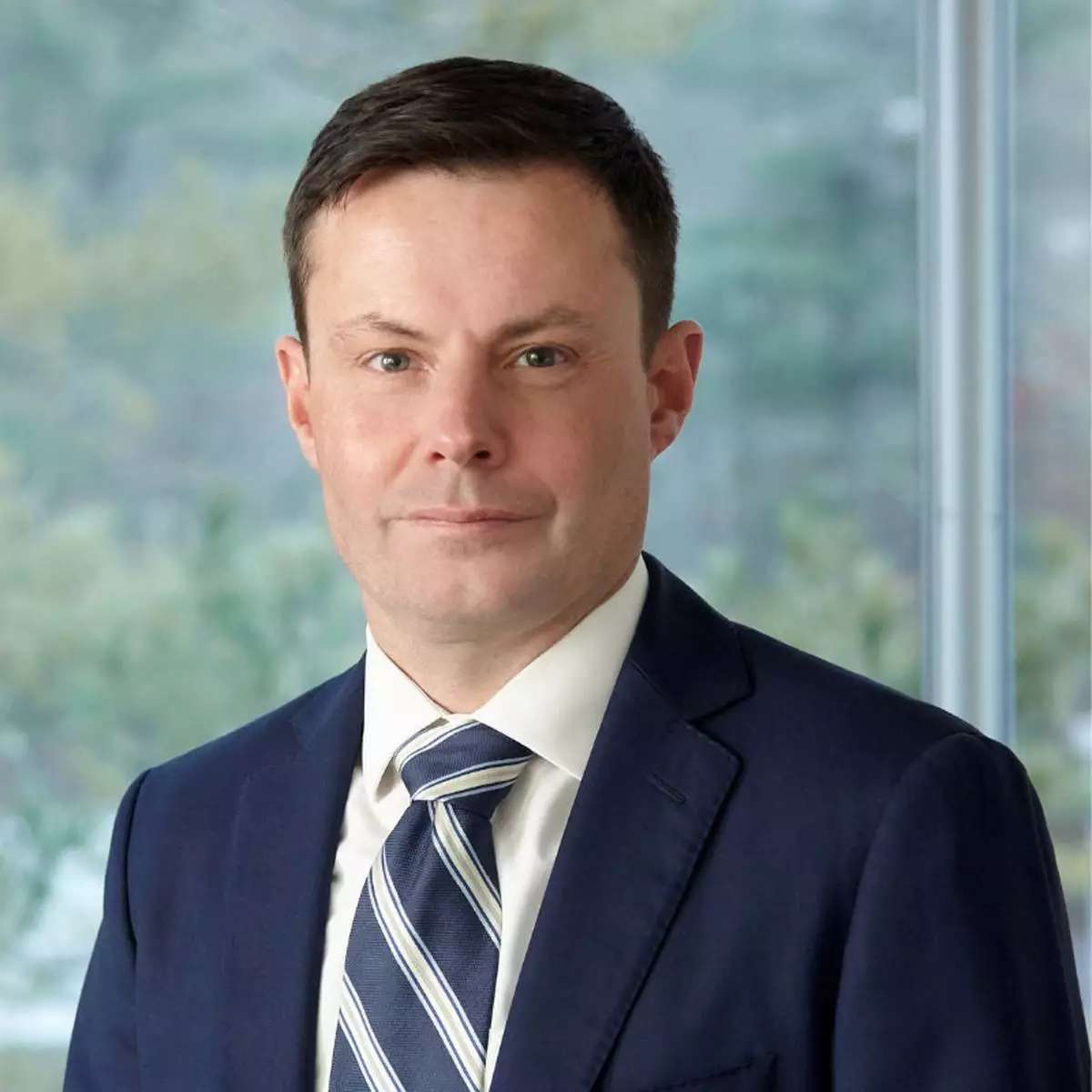
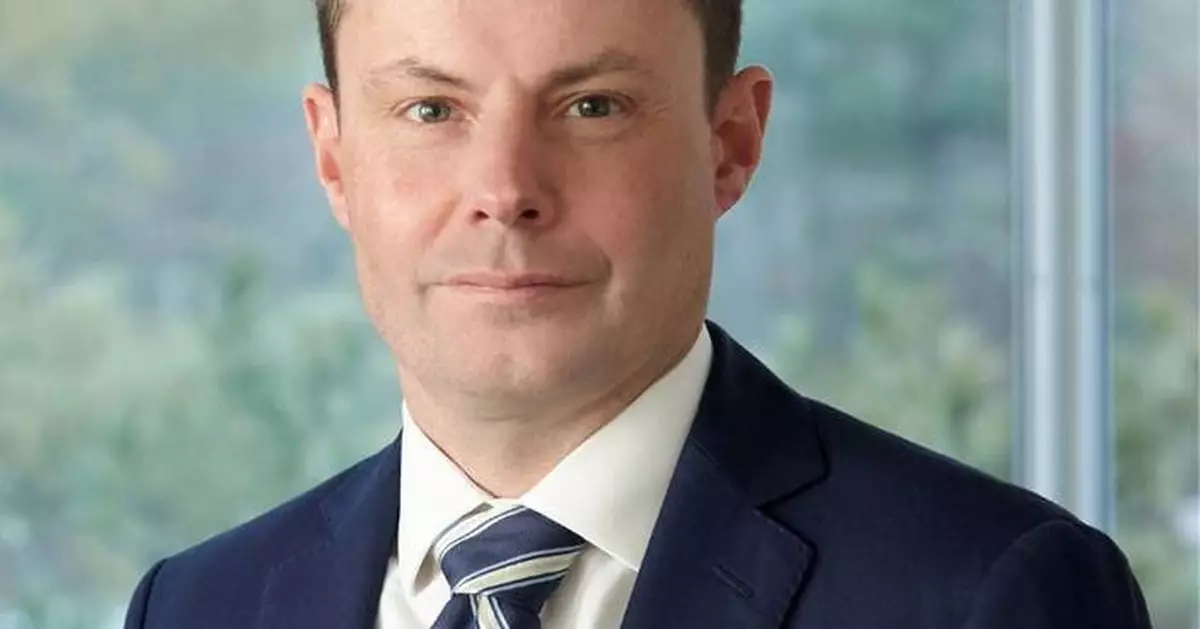
Ben Connard, Chief Investment Officer at Carnegie Investment Counsel
DUBAI, United Arab Emirates (AP) — U.S. President Donald Trump on Monday said the Iran ceasefire is on “life support” after he rejected Tehran’s latest proposal to end the war. Officials said the proposal included some concessions on Iran's disputed nuclear program, but Trump dismissed it as “garbage.”
The stalled diplomacy and recent exchanges of fire could tip the Middle East back into open warfare and prolong the worldwide energy crisis sparked by the conflict, with Iran’s chokehold on the Strait of Hormuz and America’s blockade of Iranian ports still in place.
Asked at an unrelated White House event if the ceasefire was still in place, Trump said it’s “unbelievably weak” and on “life support.”
“I would call it the weakest right now after reading that piece of garbage they sent us,” Trump added. “I didn’t even finish reading it.”
Trump said he would suspend the federal tax on gasoline to help Americans shoulder higher fuel prices caused by the war.
Trump is expected to use a trip this week to China to urge President Xi Jinping to pressure Iran. Beijing is the biggest buyer of Iran’s sanctioned crude oil, giving it leverage.
But the U.S. and Iran remain far apart on a host of issues. Trump has demanded a major rollback of Iran’s nuclear activities, while Iran is pushing for a more limited agreement that would reopen the strait and lift the blockade ahead of further negotiations.
Two regional officials told The Associated Press that Iran has offered to dilute part of its highly enriched uranium and transport the rest to a third country. Russia has previously offered to take it. The officials spoke on condition of anonymity to discuss the sensitive diplomacy.
Trump has demanded that the nuclear material be removed completely, and is unlikely to accept other Iranian proposals for the formalization of its control of the strait and for U.S. reparations.
Trump said Sunday that Iran’s response to his latest proposal was “TOTALLY UNACCEPTABLE!” Ending the blockade before discussing Iran’s nuclear program would eliminate a major point of leverage for Trump.
In the meantime, the standoff over the strait, which is a key transit point for the world's oil and natural gas exports, has sent fuel prices skyrocketing and rattled world markets.
Israeli Prime Minister Benjamin Netanyahu, who launched the war with Trump on Feb. 28, insisted that the conflict was “not over,” telling CBS’ “60 Minutes” in an interview that aired Sunday that a critical goal is getting the nuclear material out of Iran. If that can't be accomplished with negotiations, Netanyahu said that Israel and the U.S. agree “we can reengage them militarily.”
Netanyahu also said the current Iranian government's “days are numbered — but it could take a lot of days.”
The U.S. and Israel have killed dozens of high-ranking Iranian officials, including the country’s supreme leader in the opening salvos of the war, and the conflict has inflicted heavy damage to Iran’s economy, but its theocracy maintains its grip on power.
Iran's proposal asked that the U.S. recognize its sovereignty over the Strait of Hormuz, formalizing its control over the international waterway. Iran has effectively closed the strait since the start of the war, allowing only a small number of ships to pass and charging tolls.
But experts say such an arrangement would likely violate international law that provides for freedom of navigation. That proposal is also likely to be widely rejected by the international community. The strait was open to international traffic before the war.
Iran is also demanding war reparations from the U.S., the lifting of international sanctions, the unfreezing of Iranian assets held abroad and an end to the war between Israel and Lebanon's Iran-backed Hezbollah, according to Iranian state TV.
Israel and Hezbollah have continued to exchange blows, mainly in southern Lebanon, since a nominal ceasefire took hold last month.
“We did not demand any concessions — the only thing we demanded was Iran’s legitimate rights,” Iranian Foreign Ministry spokesman Esmail Baghaei said Monday. “The American side still insists on its one-sided views and unreasonable demands.”
Iran still insists on its right to enrich uranium and that its nuclear program is entirely peaceful. The U.S., Israel and others have long accused it of seeking a nuclear weapon and want most of its program dismantled.
Two regional diplomats familiar with the ongoing talks said that Pakistan was continuing its efforts to broker a compromise.
One of the diplomats said Pakistan was trying to arrange a memorandum of understanding aimed at ending the war and paving the way for a broader dialogue on issues where the two sides remain divided.
Pakistan had hoped to help finalize the memorandum last week, but the effort did not materialize, and mediators are still working on various proposals, the diplomat said.
The diplomat, speaking on condition of anonymity to discuss the behind-the-scenes diplomacy, added that Islamabad is receiving support from other regional countries in its peace efforts.
Meanwhile, Iran executed another man it accused of spying for both the CIA and Israel's Mossad intelligence service. Iran's state-run IRNA news agency said Erfan Shakourzadeh had worked on satellite communications and relayed classified information to those intelligence services.
Iran has carried out a string of executions since nationwide protests swept the country in January. Activist groups have long accused Iran of carrying out closed-door trials during which defendants are unable to fully defend themselves. Iran's judiciary chief has repeatedly said that Tehran would increase the speed with which it carried out hangings to fight back against its enemies at home and abroad.
Magdy reported from Cairo. Associated Press reporter Munir Ahmed in Islamabad contributed.
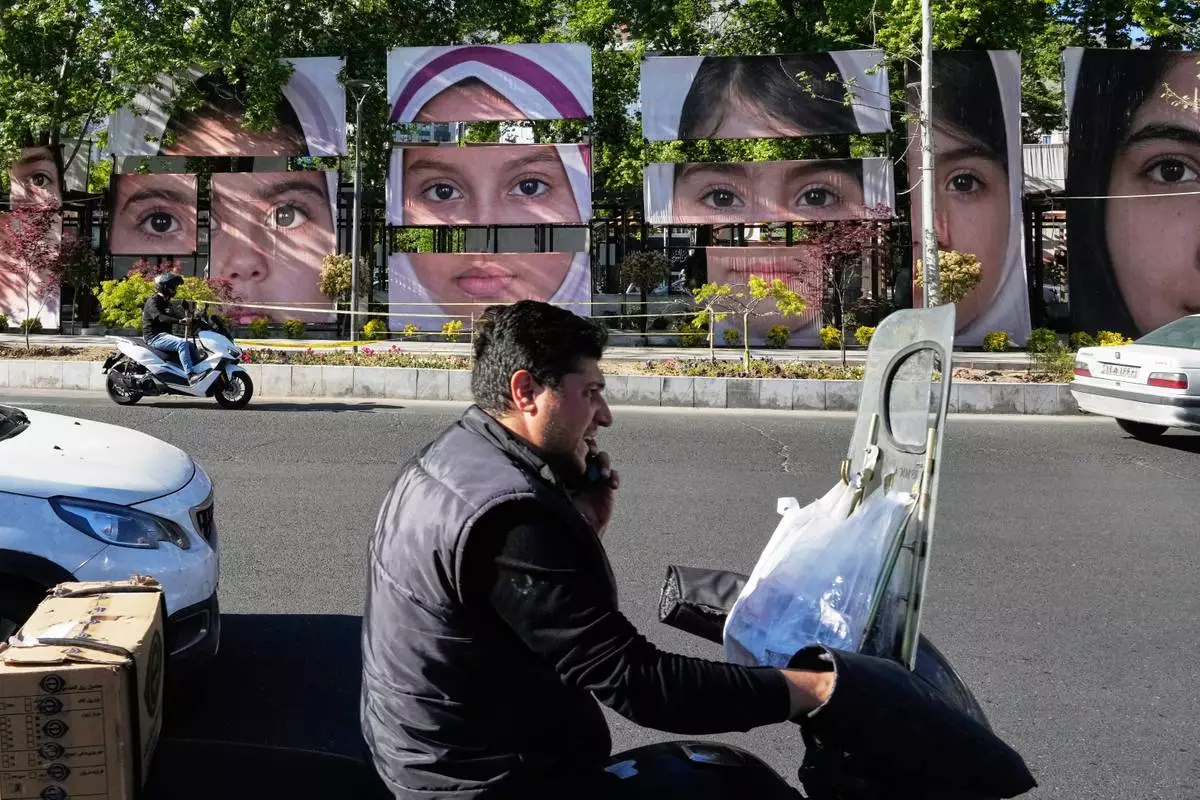
Vehicles drive past banners showing portraits of the school children who were killed during a strike on a school in southern town of Minab on Feb. 28, at Tajrish square in northern Tehran, Iran, Sunday, May 10, 2026. (AP Photo/Vahid Salemi)
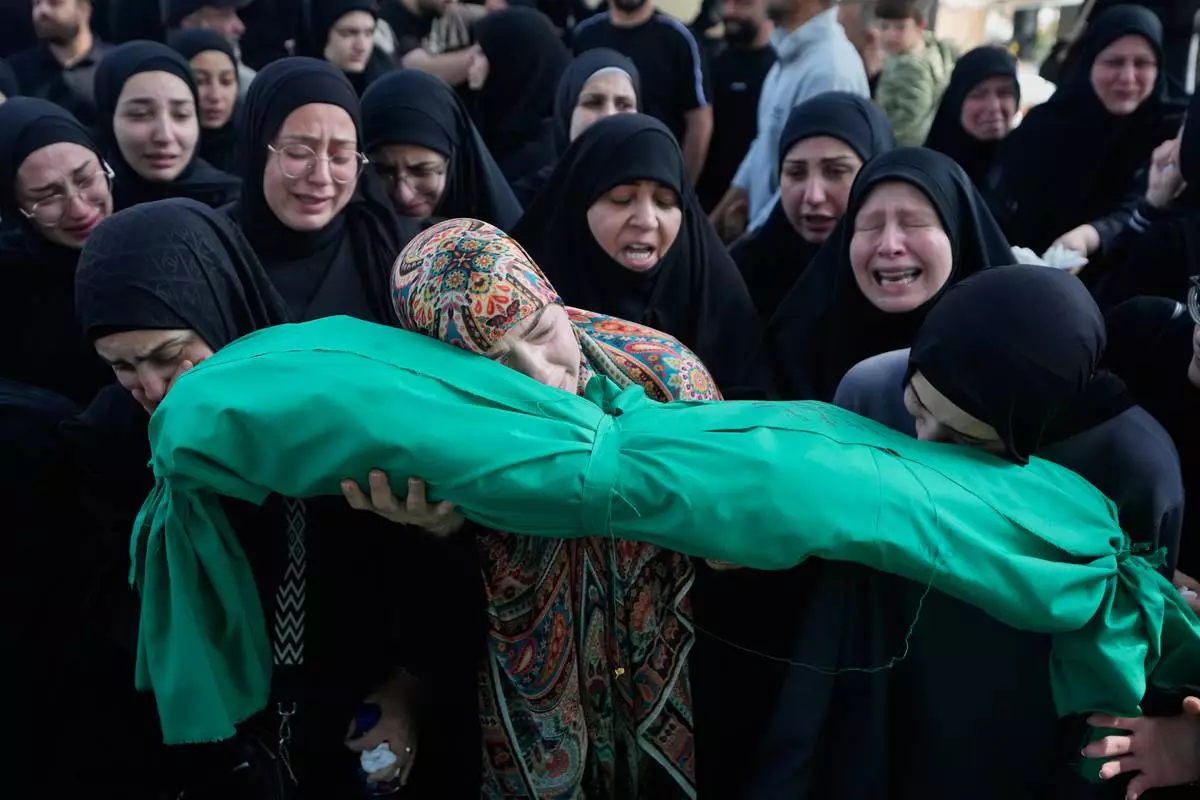
Women grieve as they carry the body of 6-month-old Mariam Fahos during a funeral procession for people killed a day earlier in an Israeli airstrike in the village of Saksakieh, in the southern port city of Sidon, Lebanon, Sunday, May 10, 2026. (AP Photo/Mohammed Zaatari)
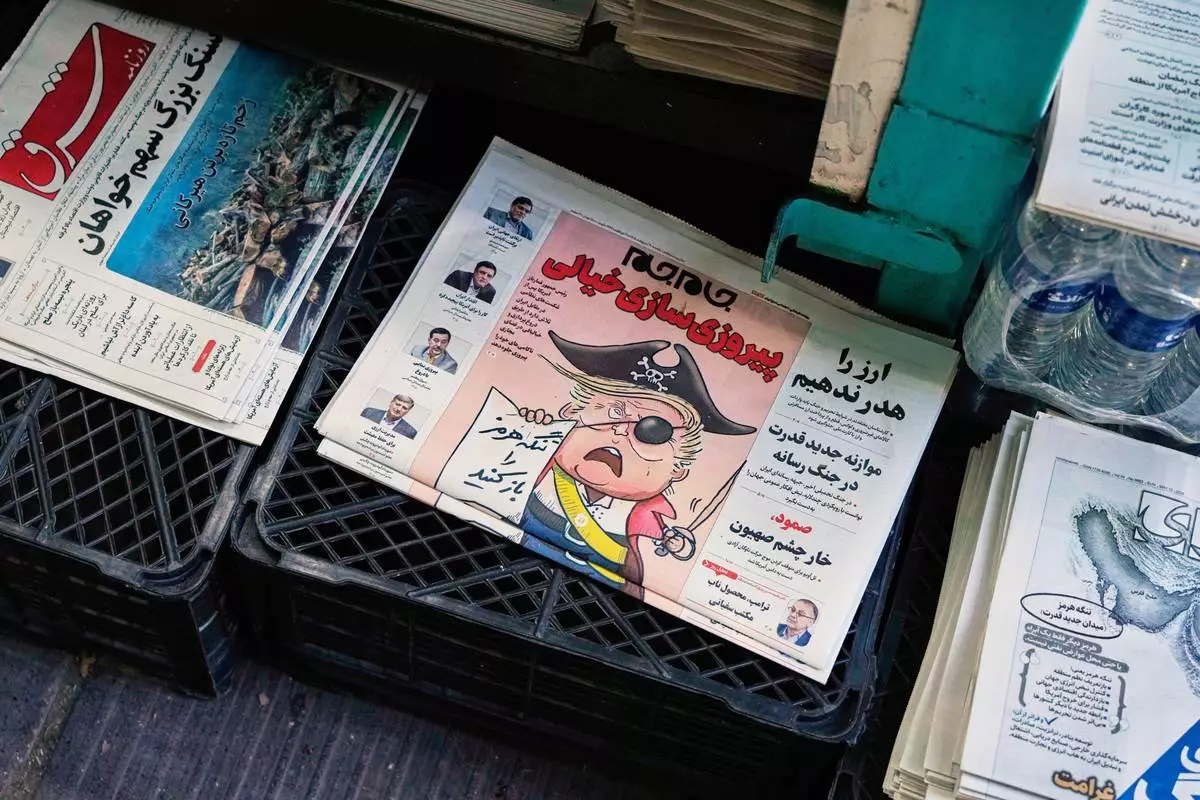
The front page of the Sunday May 10, 2026, edition of Iranian newspaper, Jamejam, is seen with a cartoon satirizing the U.S. President Donald Trump that asks: "Open the the Strait of Hormuz" on a news stand in northern Tehran, Iran, Sunday, May 10, 2026. (AP Photo/Vahid Salemi)
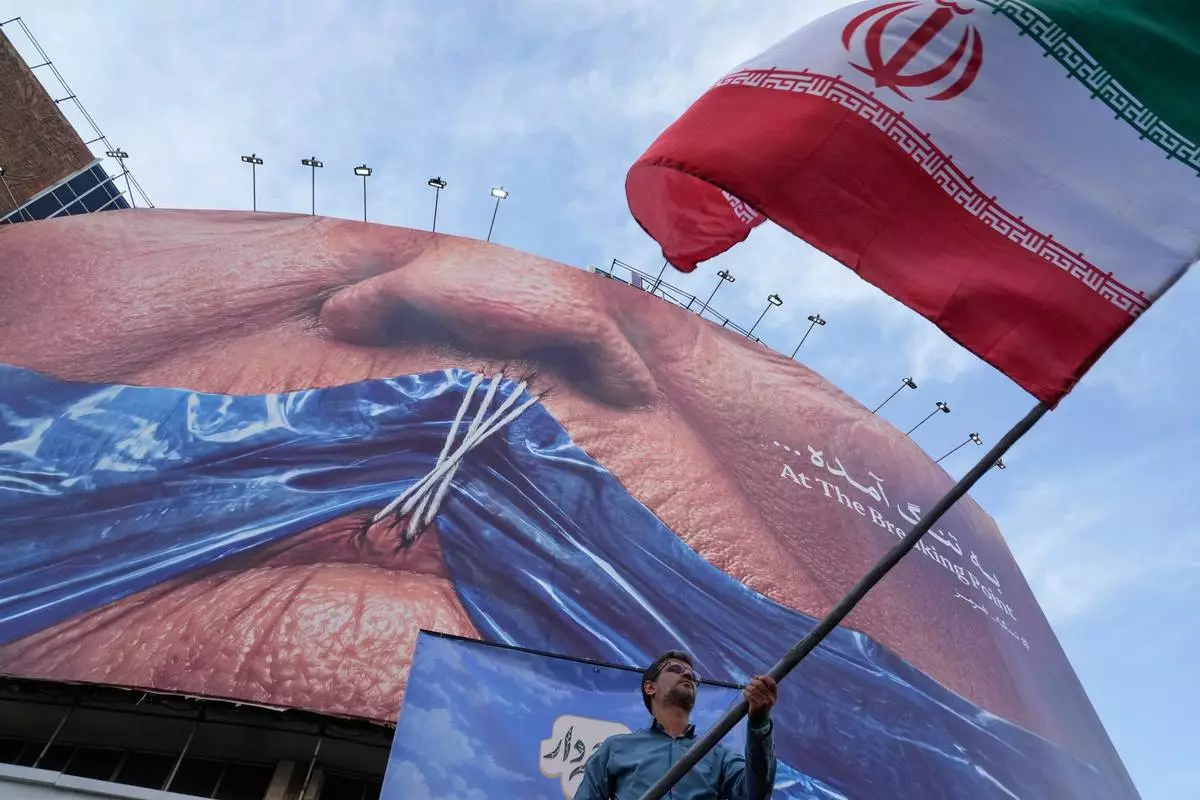
A man waves an Iranian flag for a pro-government campaign under a billboard with graphic showing Strait of Hormuz and sewn lips of U.S. President Donald Trump in a square in downtown Tehran, Iran, Wednesday, May 6, 2026. (AP Photo/Vahid Salemi)
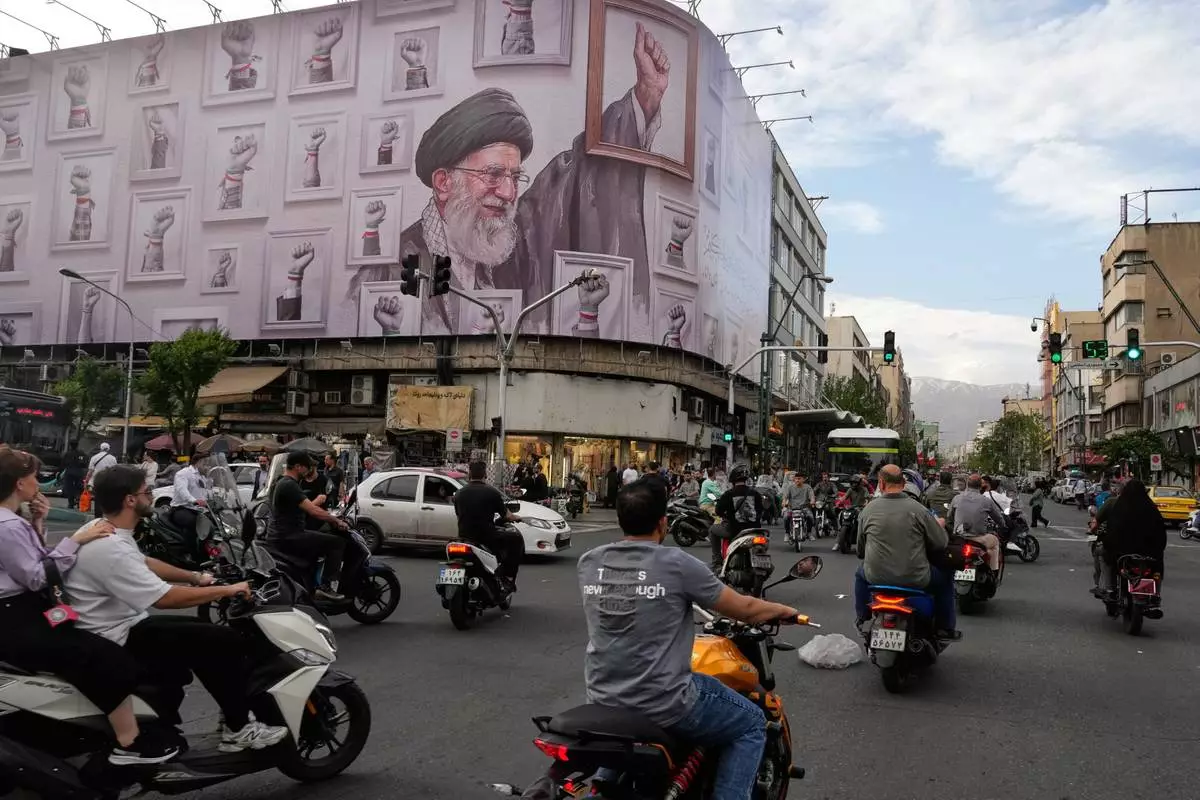
Motorbikes drive past a billboard with graphic showing the late Iranian Supreme Leader Ayatollah Ali Khamenei, who was killed in the U.S. and Israel strikes on Feb. 28, with his framed fist amongst his supporters framed fists in downtown Tehran, Iran, Wednesday, May 6, 2026. (AP Photo/Vahid Salemi)