CAMBRIDGE, Mass.--(BUSINESS WIRE)--May 12, 2026--
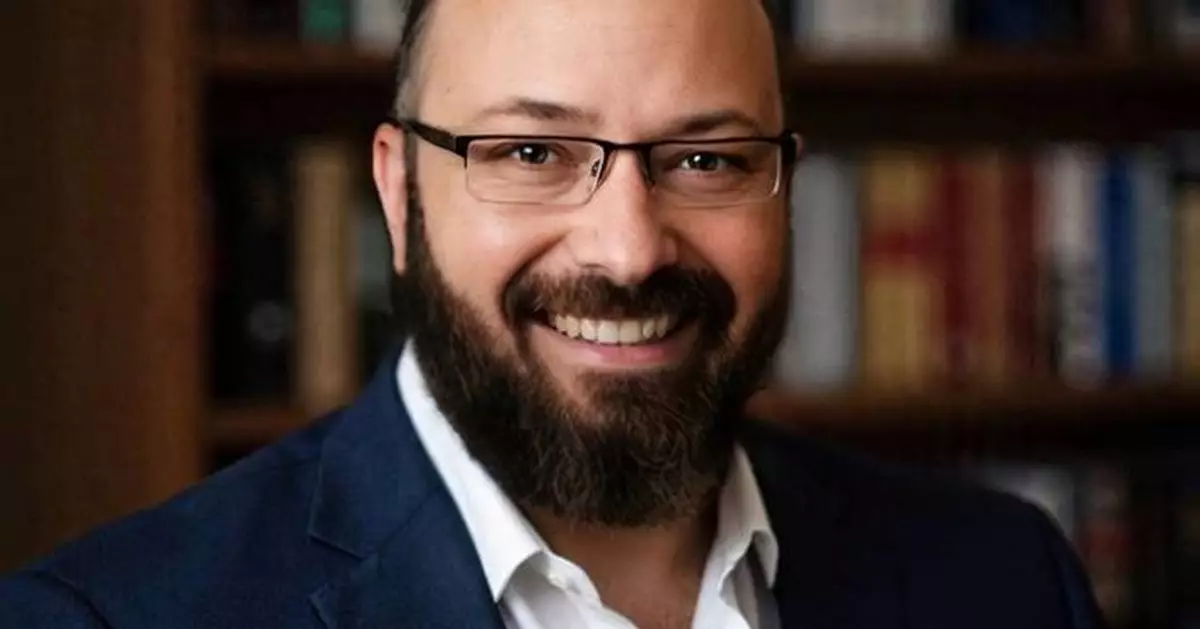
ConcertAI ®, the real‑world healthcare intelligence company for those advancing research, treatment, and care in oncology and other complex diseases, today announced the appointment of Shawn W. Bates as general manager of Commercial Solutions. In this role, Bates will lead and scale ConcertAI's Commercial Solutions business, helping accelerate measurable impact for life sciences customers and the patients they serve.
This press release features multimedia. View the full release here: https://www.businesswire.com/news/home/20260512392612/en/
Drawing on nearly 30 years of commercial and general management leadership across AI, SaaS, real-world data, and life sciences, Bates will lead the strategy to scale and expand the business, including its recently launched Cadence Suite ™, which streamlines patient journey management by identifying friction early. Bates will also align Sales, Product, Delivery, and Customer Success around shared performance goals to ensure predictable execution and successful product adoption.
"Shawn brings the rare combination of commercial leadership, AI fluency, and deep real-world evidence expertise that our Commercial Solutions business needs at this stage of growth," said Eron Kelly, CEO of ConcertAI. "His proven track record of scaling SaaS and data-driven businesses and partnering with the world's leading life sciences companies makes him the ideal leader to expand the reach and impact of our commercial offerings. We're excited to welcome Shawn to the team and look forward to the value he and his organization will deliver for our customers.”
Across his career, Bates has led global commercial organizations totaling more than $280 million for some of the most recognized companies in life sciences and healthcare technology. He brings deep expertise across real-world evidence, HEOR, market access, medical affairs, integrated drug development, regulatory science, and commercialization.
"I'm honored to join Eron and the leadership team at such a pivotal moment in the company's growth, and I look forward to scaling our Commercial Solutions business and accelerating measurable impact for our customers and the patients who ultimately benefit from their therapies,” said Bates. “ConcertAI's combination of best-in-class real-world data, agentic AI capabilities, and deep oncology and life sciences expertise represents exactly the kind of platform that can deliver transformational outcomes for life sciences partners.”
Most recently, Bates served as Chief Revenue Officer at ProductLife Group, where he led commercial functions and business unit leadership across integrated product development and regulatory solutions, life cycle maintenance, medical and RWE, market access, and digital and AI innovation. Previously, Bates was Chief Commercial Officer at OM1, where he led commercial strategy, sales, marketing, operations, strategic alliances, pricing, and contracting for the AI and real-world data company. Earlier, Bates served as VP, Global Head of Commercial at Certara and VP, Global Commercial Leader at IQVIA, with additional senior leadership tenures at Awen International, Dentsply Sirona, and Eli Lilly.
Bates began his career as a U.S. Army Intelligence officer, serving nearly a decade and exiting with the rank of Captain. He holds a B.S. in Electrical and Computer Science Engineering from The Citadel and an MBA, and is a Lean Six Sigma Master Black Belt. He has also served in advisory roles for the Cancer Research Institute and the National Pediatric Cancer Foundation, supporting industry advocacy efforts for patients with difficult-to-treat diseases.
About ConcertAI
ConcertAI provides purpose-built, enterprise artificial intelligence and real-world data solutions for life sciences and healthcare organizations, turning complex health data into actionable insights that advance research and care. Its proprietary Precision Suite SaaS solution and CARA platform deliver agentic AI capabilities designed for healthcare’s biggest challenges and are trained specifically for life sciences use cases like translational medicine, clinical development, clinical trials and commercial acceleration. Working with 75% of the top 30 life sciences organizations, more than 2,000 healthcare providers and medical societies, and a broad network of industry partners, ConcertAI has built the market’s most comprehensive clinicogenomic datasets to fuel drug development, trial acceleration, and advance clinical care. Through our data, AI technology, partnerships, and expertise, we empower oncologists and radiologists with real-time clinical insights at the point of care for better patient outcomes, and equip researchers with solutions to accelerate life-changing therapies to patients. Headquartered in Cambridge, Mass., ConcertAI has offices in Bangalore, Frankfurt, Philadelphia, and Tokyo. Learn more at concertai.com.
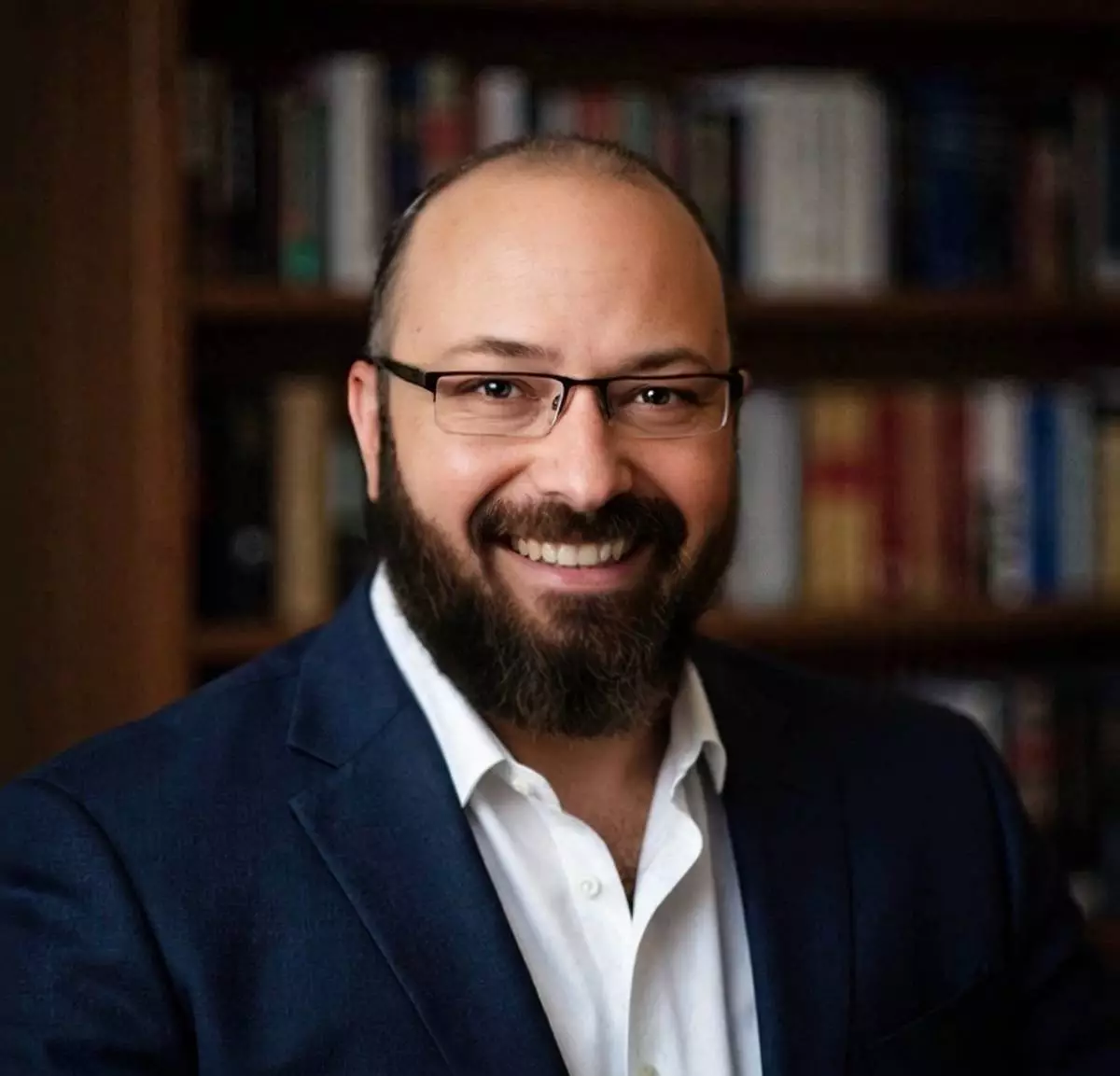
ConcertAI Appoints Shawn W. Bates as General Manager, Commercial Solutions