Skip to Content Facebook Feature Image

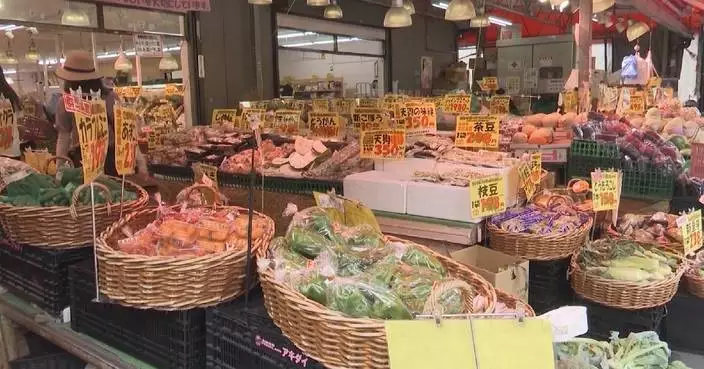
China's food import, export up 6.5 pct y-o-y in Jan-April

China

China

China

China's food import, export up 6.5 pct y-o-y in Jan-April

2026-05-12 17:43 Last Updated At:22:57

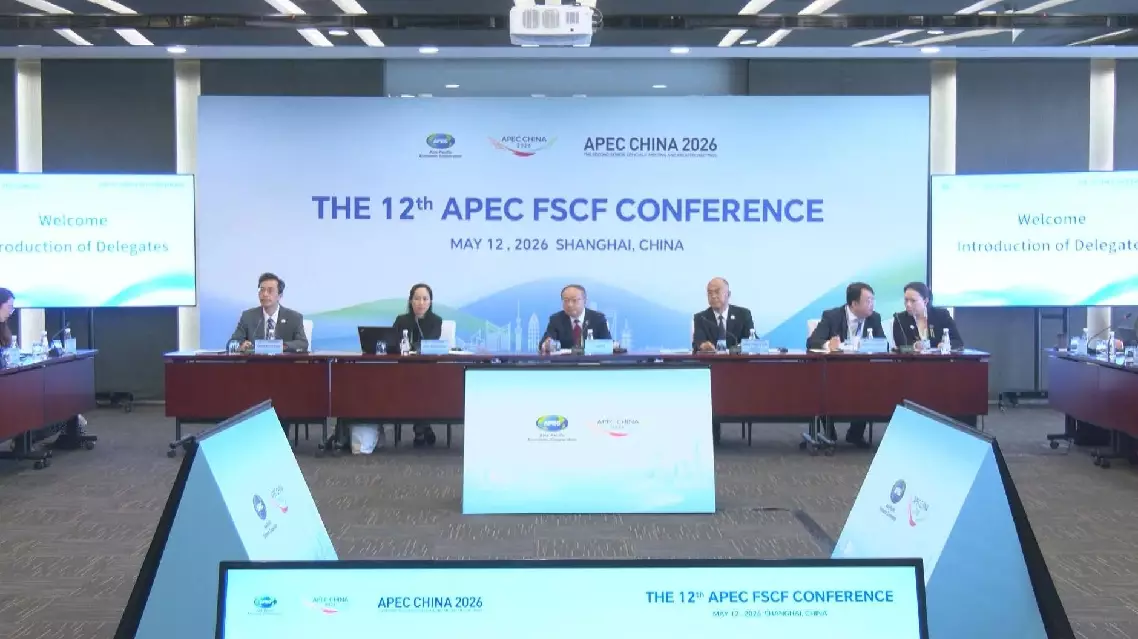
The total value of China's food import and export trade reached 594.86 billion yuan (about 87.54 billion U.S. dollars) in the first four months of this year, up 6.5 percent year on year, according to data released on the 12th APEC Food Safety Cooperation Forum (FSCF) Conference on Tuesday.

Specifically, imports totaled 409.22 billion yuan (about 57.29 billion U.S. dollars), up 8.8 percent year on year, while exports totaled 185.64 billion yuan (about 25.99 billion U.S. dollars), up 1.9 percent year on year.

According to statistics, in the first four months of 2026, China's food imports and exports to other APEC economies totaled 350.38 billion yuan (49.05 billion U.S. dollars).

From January to April, China's food trade with other APEC economies accounted for 58.9 percent of total trade volume. Among these, imports accounted for 56.2 percent, and exports accounted for 64.9 percent.

Wang Jun, deputy head of the General Administration of Customs, introduced at the conference that due to differences in resources, development stage and governance model among APEC economies, it is necessary to deepen rule alignment and standard mutual recognition, and build an open and transparent food trade system for the region.

"We will continue to deepen the dialogue and coordination in terms of food safety governance policies, practice models and management experiences, promote mutual learning and recognition among standards, technical regulations and conformity assessment procedures, further facilitate the development of regional food trade based on international rules, and effectively promote the security, stability and smoothness of regional supply chains," said Wang.

China will deepen cooperation with other APEC economies in areas such as agricultural and food product access, green trade, and paperless trade.

"There are some key projects under discussion, such as how we can establish unified pesticide residue limit standards within the framework of APEC, to facilitate smoother trade among various countries," said Zhou Haochi, deputy director of Shanghai Customs Imported and Exported Food Safety Division.
China's food import, export up 6.5 pct y-o-y in Jan-April

China's food import, export up 6.5 pct y-o-y in Jan-April
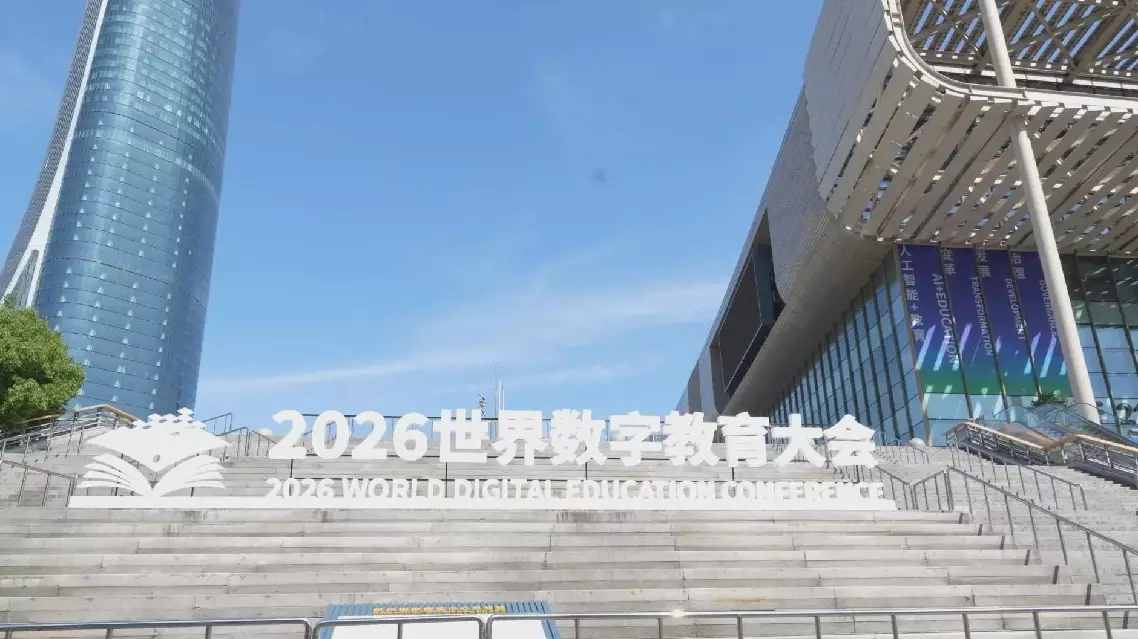
The 2026 World Digital Education Conference released eight major consensuses and agreements in east China's Hangzhou City on Tuesday, with attendees rallying around solutions and standards for promoting the integration of artificial intelligence (AI) and education worldwide.

The results included an initiative on AI education and an upgraded version of China smart education public service platform.

The three-day conference, which opened on Monday, aims to build an open and inclusive global dialogue platform and promote consensus and norms on artificial intelligence (AI) governance in education.

Themed "AI+ Education: Transformation, Development and Governance," the event attracted over 850 guests from 65 countries and regions around the world.

"This conference has surpassed the previous three editions in terms of international influence and participation, with more than 500 foreign guests in attendance. During the conference, we also signed intergovernmental agreements on AI education cooperation with Uzbekistan and Brazil. Meanwhile, AI cooperation has also emerged as a new hotspot in cooperation between schools and between enterprises and universities," said Yang Dan, director at the department of international cooperation and exchanges of China's Ministry of Education.

According to the data released by United Nations Educational, Scientific and Cultural Organization (UNESCO), the world will still need approximately 44 million teachers by 2030.

Facing this fundamental challenge, participants at the conference agreed that it is also necessary to stay alert to ethical and security issues as AI is increasingly used in education. "Having an eye on the ethical use of AI and to avoid any harm on the education. Looking forward to continuing this deep partnership with China in education and using technology in education in an ethical and inclusive and equitable way," said Khaled El-Enany, director-general of UNESCO.

Agreements on education-AI integration reached at World Digital Education Conference

Agreements on education-AI integration reached at World Digital Education Conference

Recommended Articles