Skip to Content Facebook Feature Image

Chinese mainland slams Lai Ching-te's repetitive lying on Taiwan question

China

Chinese mainland slams Lai Ching-te's repetitive lying on Taiwan question
China

China

Chinese mainland slams Lai Ching-te's repetitive lying on Taiwan question

2026-05-13 13:12 Last Updated At:18:57

A Chinese mainland spokesperson on Wednesday warned that no matter how many times Taiwan leader Lai Ching-te repeats his lies, they remain lies and will never become truth.

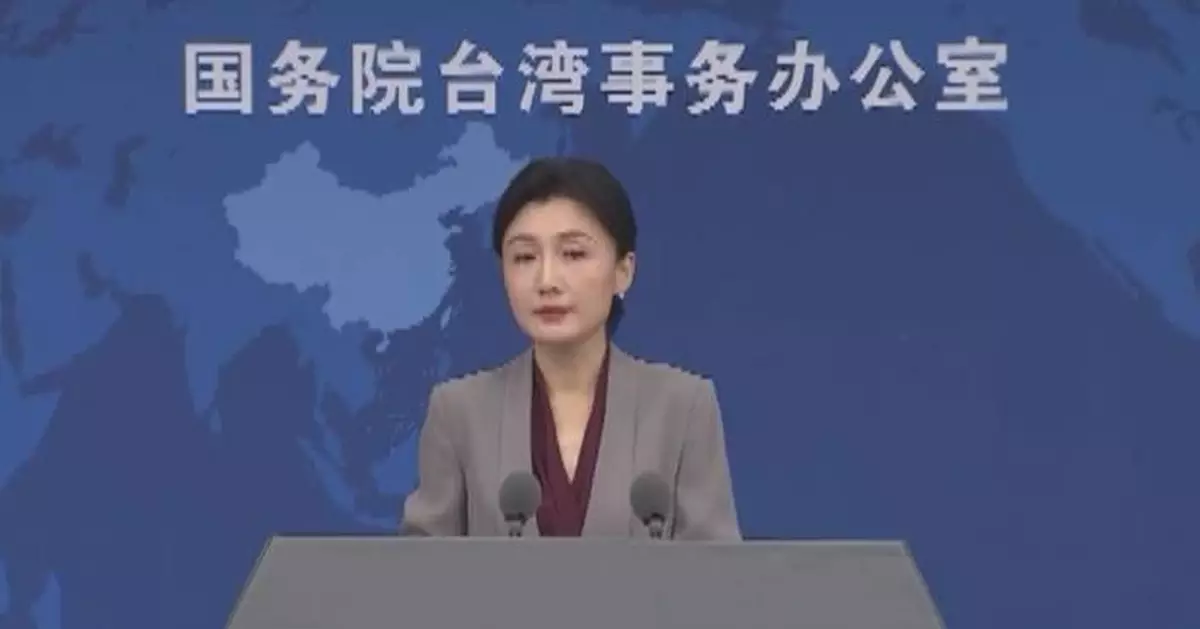
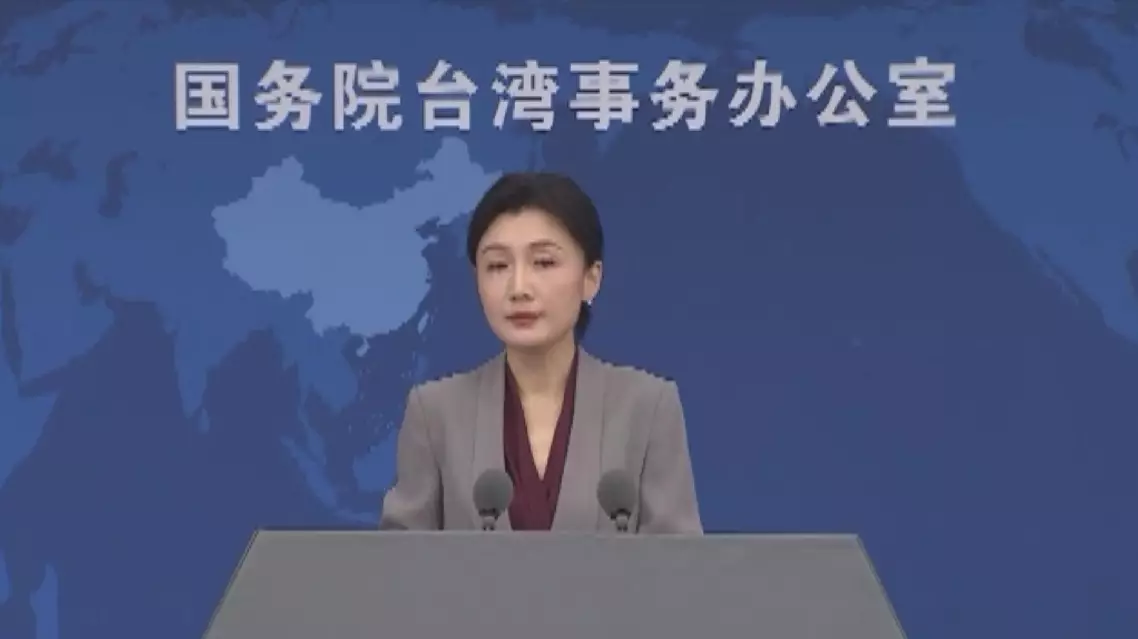
Zhang Han, a spokesperson for the State Council Taiwan Affairs Office, made the remarks at a press conference in response to a media query about Lai's recent speech, which claimed that Taiwan is a sovereign and independent state and hyped the so-called "democracy versus authoritarianism" narrative.

"Taiwan has never been a country, not in the past, not now, and certainly never will be in the future. No matter how many times Lai Ching-te repeats his lies, they remain lies and will never become truth. The Lai Ching-te authorities are so used to flaunting the banner of 'democracy' to deceive and grandstand on the international stage, colluding with anti-China forces in certain countries, and using a so-called summit to spread false narratives. By stoking confrontation across the Taiwan Strait and engaging in separatist activities, what they did at the summit was nothing but a complete political farce," Zhang said.

"The relevant institutions should fully recognize the high sensitivity of the Taiwan question and the grave harm posed by Taiwan separatist activities, abide by the one-China principle, and stop providing the Democratic Progressive Party authorities with openings to pursue their separatist agenda internationally," she added.
Chinese mainland slams Lai Ching-te's repetitive lying on Taiwan question
Chinese mainland slams Lai Ching-te's repetitive lying on Taiwan question

The world-renowned Peking Union Medical College Hospital (PUMCH) celebrated its 105th anniversary in Beijing on Thursday, with the occasion highlighting the enduring history and fruitful results of health cooperation between China and the United States.

Founded by the Rockefeller Foundation in 1921, PUMCH has grown into a modern, comprehensive hospital integrating medical care, teaching and research, and stands as a living testament to the two countries' people-to-people friendship and academic exchanges in medicine.

"Medicine embodies humanity's shared pursuit of truth, goodness and beauty. By its very nature, it fosters mutual understanding among people. It is this value consensus that has driven the development of medical exchanges between China and the United States across oceans, forging profound bonds through mutual learning and inspiration," said Zhang Shuyang, president of the hospital, in a speech at a conference in Beijing.

The Rockefeller Foundation, a non-profit organization established in 1913 by American industrialist John D. Rockefeller, aimed to improve public health services and medical education. This establishment of PUMCH marked a milestone in the history of medical cooperation between China and the United States.

The conference highlighted the history of medical and health cooperation between the two countries.

"One hundred and five years ago, American and Chinese physicians, scientists and philanthropists made a decision that would dramatically impact the course of medicine, not only in China, but the entire world. The Rockefeller Foundation, partnering with the China Medical Board, invested not in commerce, not in politics, but in people. They brought the Johns Hopkins model of academic medicine to Beijing," said David Perdue, the U.S. ambassador to China.

According to the American Chamber of Commerce in China, pharmaceutical and medical cooperation between Chinese and American universities, institutions and companies has achieved fruitful results, especially in areas such as rare disease drugs, gene therapy and cancer treatment.

"We've seen the integration of excellence in clinical care and education research and public service. PUMCH remains a living testament to the enduring value of U.S.-China people-to-people friendship and academic exchanges in medicine," said Roger I. Glass, president of China Medical Board.

Experts believe that, with the rapid development of artificial intelligence, China and the United States can work together to explore the application of digital health technology in remote medical services, medical data management and other scenarios, setting an example for global cooperation in digital healthcare.

China-US health cooperation highlighted as Peking Union Medical College Hospital marks 105th anniversary

China-US health cooperation highlighted as Peking Union Medical College Hospital marks 105th anniversary

Recommended Articles