NEW YORK (AP) — The Trump administration said Wednesday it is expanding its sweeping fraud-busting initiative in federal health programs with a nationwide six-month freeze on any new Medicare enrollments by hospice and home health agencies.
The moratorium will temporarily stop all new providers in these categories from signing up for reimbursement from Medicare, the federal insurance program for older adults across the country, the Centers for Medicare and Medicaid Services said in a news release.
“We’ve seen systemic and deeply troubling fraud in the hospice and home health space, with bad actors exploiting some of our most vulnerable Medicare patients and stealing money from the American taxpayer,” CMS Administrator Dr. Mehmet Oz said in a statement. “Today we’re shutting the door on fraud-preventing new bad actors from entering Medicare while we aggressively identify, investigate, and remove those already exploiting them.”
The move is related to efforts by Vice President JD Vance's anti-fraud task force, set up by Republican President Donald Trump to crack down on potential misuse of public funds. It comes as people across the United States have raised concerns about rising health costs and barriers to access, sometimes from the federal government's own actions. New work requirements in Medicaid, for example, are expected to strain hospitals around the country and result in millions of enrollees losing their health coverage.
Several alleged fraud schemes have been prosecuted in the hospice and home health care categories, and states have acknowledged that it is a legitimate concern. But some have pushed back on the administration's aggressive tactics and raised concerns that the catchall efforts could needlessly punish law-abiding providers that are trying to serve patients.
The administration contends this freeze and other actions it is taking will help prevent potential fraud in Medicaid and Medicare and preserve funding and resources for people most in need. Under the six-month pause, existing hospice and home health care providers will continue to operate as usual. But CMS said it will “intensify targeted investigations, deploy advanced data analytics, and accelerate the removal” of providers in the category that are suspected of fraudulent activity.
Such a freeze is not unprecedented, said Tricia Neumann, a senior vice president and executive director for the program on Medicare policy at the health care research nonprofit KFF. She said President Bill Clinton's Democratic administration also imposed a temporary moratorium on home health agencies.
“A brief moratorium gives the administration time to crack down on true fraud and prevent new fraudulent entities from popping up,” she said.
In recent months, CMS has suspended payments to hundreds of hospice and home care agencies in Los Angeles over alleged fraud and issued another six-month moratorium on suppliers of durable medical equipment, prosthetics, orthotics and certain other supplies in Medicare.
The administration also has approached at least five states with investigations into potential health care fraud and halted some $243 million in Medicaid payments to one of them, Minnesota, over fraud concerns. Last month, Oz announced CMS would add to that oversight by requiring all 50 states to share how they planned to revalidate some of their Medicaid providers.
In at least one case, the administration has erred in its accusations against states. In April, CMS acknowledged to The Associated Press that it made a significant error in figures it used to help justify a fraud probe in New York. The acknowledgment deepened doubts in the administration’s methods and raised a common criticism that has been made about the second Trump administration — that it tends to attack first and confirm the facts later.
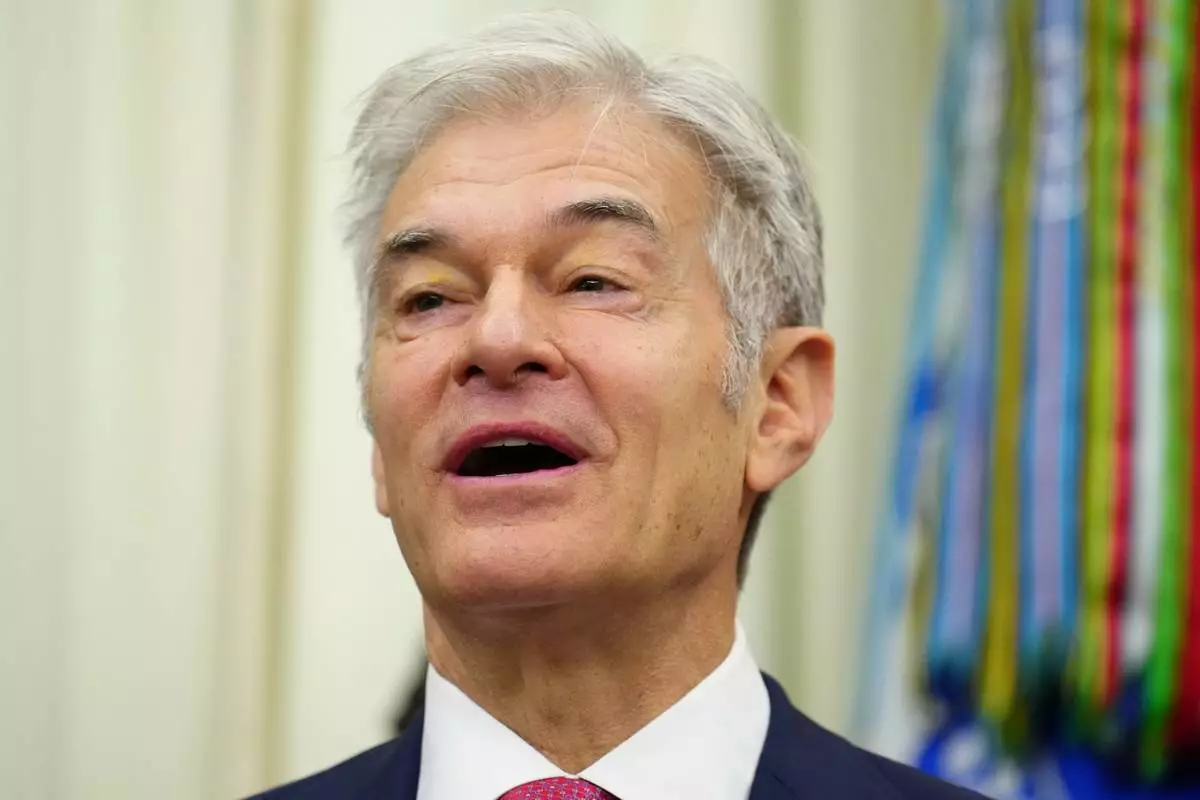
Dr. Mehmet Oz, Centers for Medicare & Medicaid Services administrator, speaks at an event about maternal healthcare, Monday, May 11, 2026, in the Oval Office of the White House, in Washington. (AP Photo/Jacquelyn Martin)
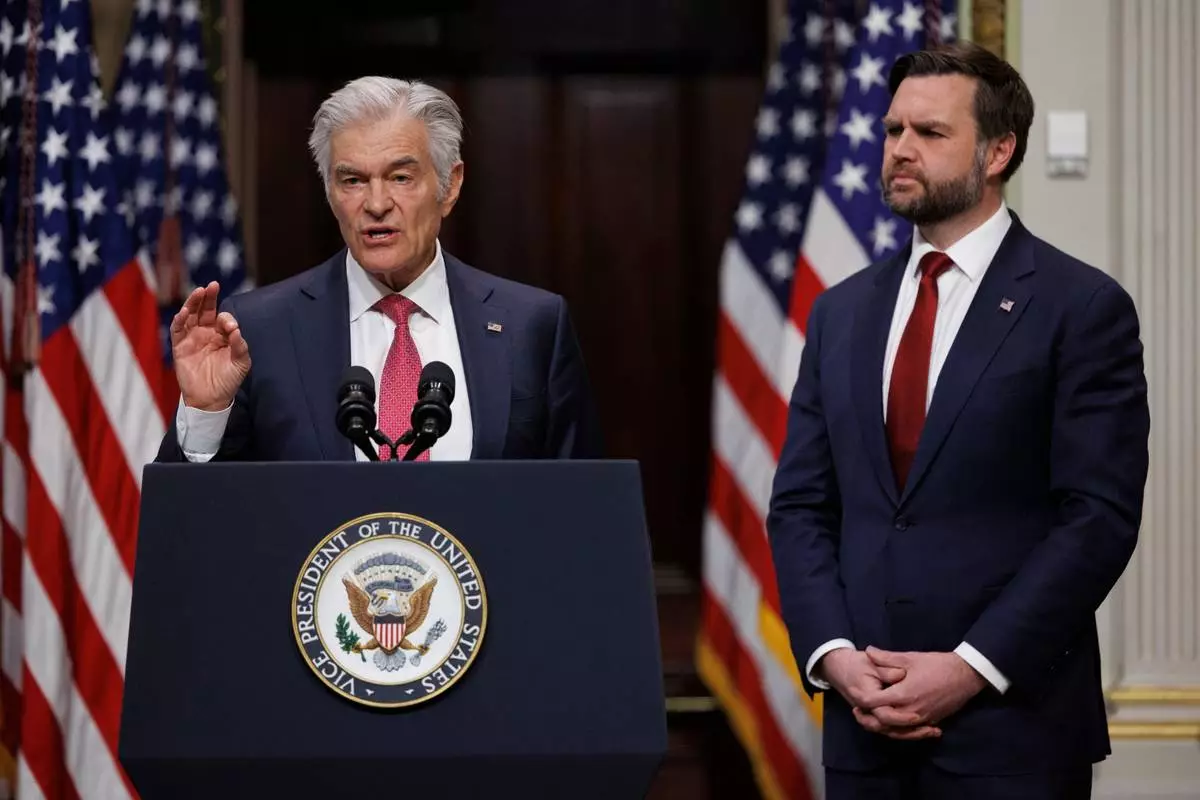
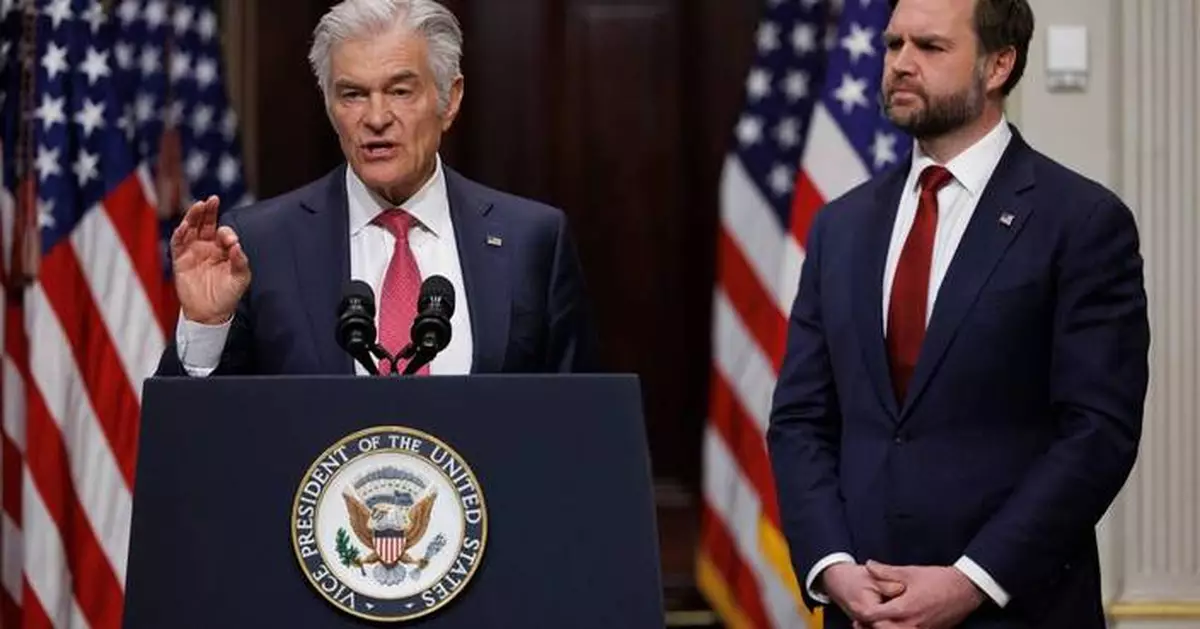
FILE - Administrator for the Centers for Medicare & Medicaid Services Dr. Mehmet Oz speaks beside Vice President JD Vance during a news conference on the White House campus Wednesday, Feb. 25, 2026, in Washington. (AP Photo/Tom Brenner, File)
NEW YORK (AP) — About 70,000 Americans died of drug overdoses last year — about 14% fewer than the previous year, according to preliminary government data.
It was the third straight annual drop, making it the longest decline in decades, according to federal data released Wednesday. The 2025 total is about the same as the tally in 2019, before the COVID-19 pandemic.
Declines were seen across a number of drug types, including fentanyl, cocaine and methamphetamine. Overdose deaths fell in the vast majority of states, although seven saw at least slight increases, including jumps of 10% or more in Arizona, Colorado and New Mexico, the preliminary data from the Centers for Disease Control and Prevention showed.
“I’m cautiously optimistic that this represents really a fundamental change in the arc of the overdose crisis,” said Brandon Marshall, a Brown University researcher who studies overdose trends.
But the number of Americans dying from overdoses is still high, and deaths declined at a slower pace last year. A number of things could cause deaths to rise again — including government policy changes or a shift in the drug supply, Marshall and other researchers say.
“If deaths are going down rapidly, that means they can increase just as rapidly if we take our foot off the gas,” Marshall said.
U.S. overdose deaths were generally rising for decades, but they shot up dramatically during the pandemic, peaking at nearly 110,000 in 2022. The pandemic spike was associated with social isolation and difficulties accessing addiction treatment.
Deaths declined as the pandemic waned. Researchers have pointed to numerous possible factors: an increase in the availability of the overdose-reversing drug naloxone, expanded addiction treatment, shifts in how people use drugs, and the growing impact of billions of dollars in opioid lawsuit settlement money.
Some research also suggests the number of people likely to overdose has been shrinking, as fewer teens take up drugs and many illicit drug users have died. Another theory suggests regulatory changes in China a few years ago appear to have diminished the availability of precursor chemicals used to make fentanyl.
The nation's decades-long overdose epidemic has played out at different paces in different parts of the country, due at least in part to differences in the illicit drug supply and what people are using. The death increases last year in Arizona, Colorado and New Mexico could stem from more combined use of fentanyl and methamphetamine recently in those places, Marshall guessed.
Health and law enforcement officials in recent months have been sounding alarms about newer drugs that were increasingly detected in 2025.
Alex Krotulski is director of the Center for Forensic Science Research and Education, a federally funded toxicology lab in Horsham, Pennsylvania, that is an important part of a national illicit drug early warning system.
In all of last year, the lab identified 27 new drugs. Less than five months into 2026, the lab already has identified 23, he said.
Among the drugs on the lab’s radar is cychlorphine, a potent synthetic opioid described as up to 10 times stronger than fentanyl. Experts say it is being used as a cutting agent, added to other illicit drugs, without the buyer’s knowledge.
“The drug supply continues to change and evolve,” Krotulski said.
Meanwhile, the Trump administration has been cutting programs designed to reduce overdose deaths and infections tied to drug use. In a letter last month, the federal Substance Abuse and Mental Health Services Administration notified federal grant recipients that the government would no longer pay for test strips and kits that help drug users see if their drugs contain highly-lethal additives.
Officials say they are shifting away from services that facilitate illicit drug use, including clean syringes and hotlines that people can dial into while they use drugs.
Last week, a group of women who lost children to overdoses spoke with reporters to protest government policies that emphasize punishment and incarceration.
Kimberly Douglas founded one group, Black Moms Against Overdose, after her 17-year-old son died.
“We are starting to see overdoses go down in some places and that’s because of harm reduction” services like those being targeted by the Trump administration, she said.
The Associated Press Health and Science Department receives support from the Howard Hughes Medical Institute’s Department of Science Education and the Robert Wood Johnson Foundation. The AP is solely responsible for all content.
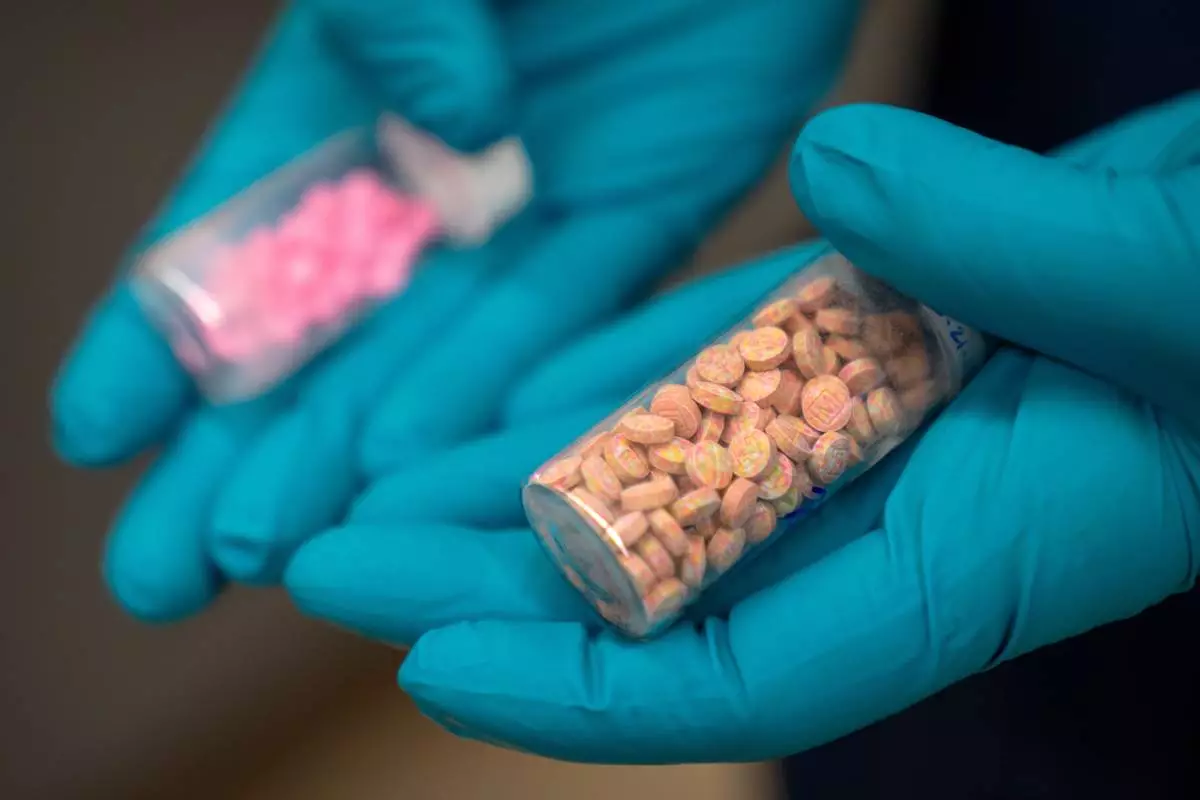
FILE - Jonathan Dumke, a senior forensic chemist with the Drug Enforcement Administration, holds vials of fentanyl pills at a DEA research laboratory on April 29, 2025, in Northern Virginia. (AP Photo/Mark Schiefelbein, File)
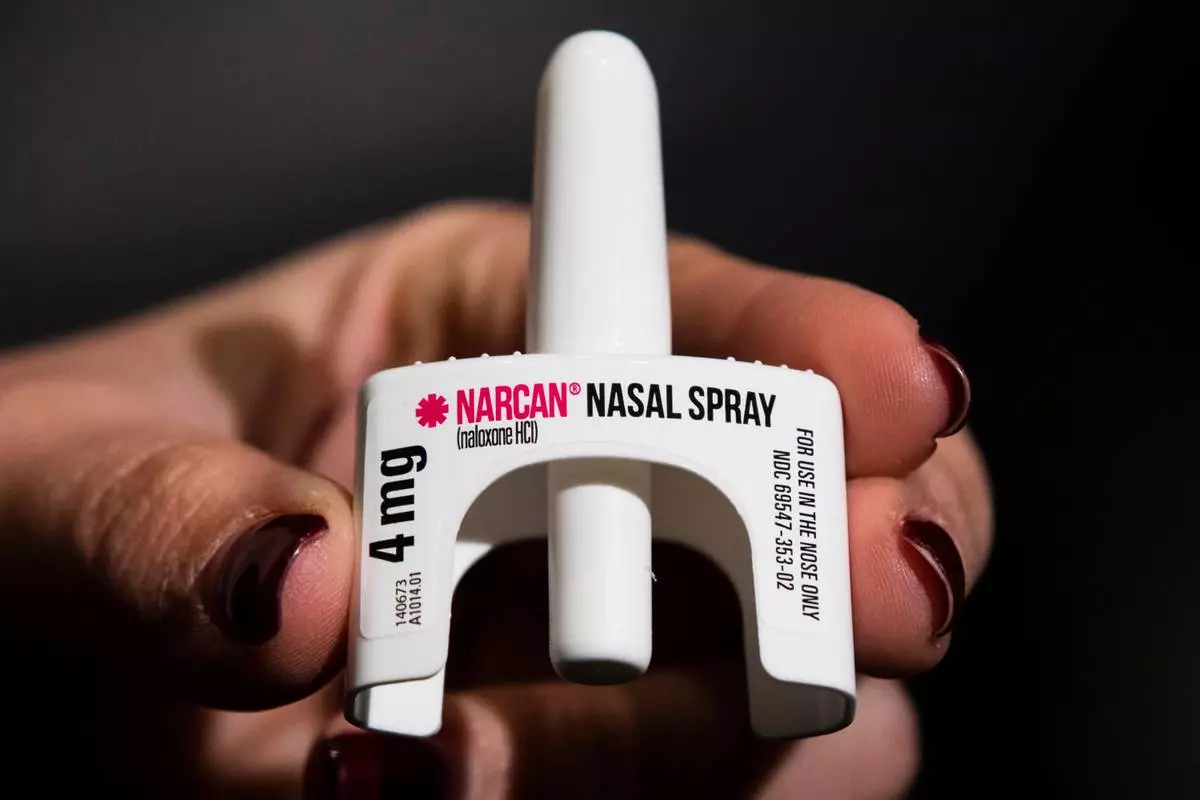
FILE - The overdose-reversal drug Narcan is displayed during training for employees of the Public Health Management Corporation (PHMC), Dec. 4, 2018, in Philadelphia. (AP Photo/Matt Rourke, File)