CASABLANCA, Morocco (AP) — The remains of the second U.S. Army soldier who went missing during military exercises in Morocco have been recovered, the Army said Wednesday, ending a multinational search operation that deployed air, naval and artificial intelligence assets.
The soldier was identified as Spc. Mariyah Symone Collington of Taveres, Fla., the U.S. military Europe and Africa said in a statement. She was 19 years old.
“Royal Moroccan Armed Forces transported the Soldier’s remains by a Moroccan helicopter to the morgue of Moulay El Hassan Military Hospital in Guelmim, Morocco,” the statement said.
Collington served as an air and missile defense crewmember and was assigned to Charlie Battery, 5th Battalion, 4th Air Defense Artillery Regiment, 10th Army Air and Missile Defense Command, U.S. Army Europe and Africa said.
Collington entered the Regular Army’s Delayed Entry Program in 2023 before beginning active-duty service in 2024. She completed Basic Combat Training and Advanced Individual Training at Fort Sill in Oklahoma, as a 14P air and missile defense crewmember. She reported to Charlie Battery, 5th Battalion, 4th Air Defense Artillery Regiment, in Ansbach, Germany, in February 2025 and was promoted to specialist on May 1, 2026.
Her awards and decorations include the Army Service Ribbon.
The announcement came days after the military said the remains of another soldier, 1st Lt. Kendrick Lamont Key Jr., a 14A Air Defense Artillery officer, had been recovered. The two soldiers fell off a cliff during an off-duty recreational hike in Morocco. Their remains are en route to the United States.
A spokesperson for U.S. Army Southern European Task Force, Africa told The Associated Press that the circumstances surrounding the incident remain under investigation.
The two soldiers were reported missing May 2 after participating in African Lion, an annual multinational military exercise held in Morocco. Their disappearance triggered a search operation involving more than 1,000 U.S. and Moroccan military and civilian personnel, the SETAF-AF spokesperson added.
Assets deployed during the operation included a U.S. Navy P-8 Poseidon maritime patrol aircraft, unmanned aerial systems, thermal and ISR sensors, an unmanned underwater vehicle, side-scan sonar, a Moroccan multibeam echosounder and U.S. Coast Guard drift modeling capabilities, according to the spokesperson.
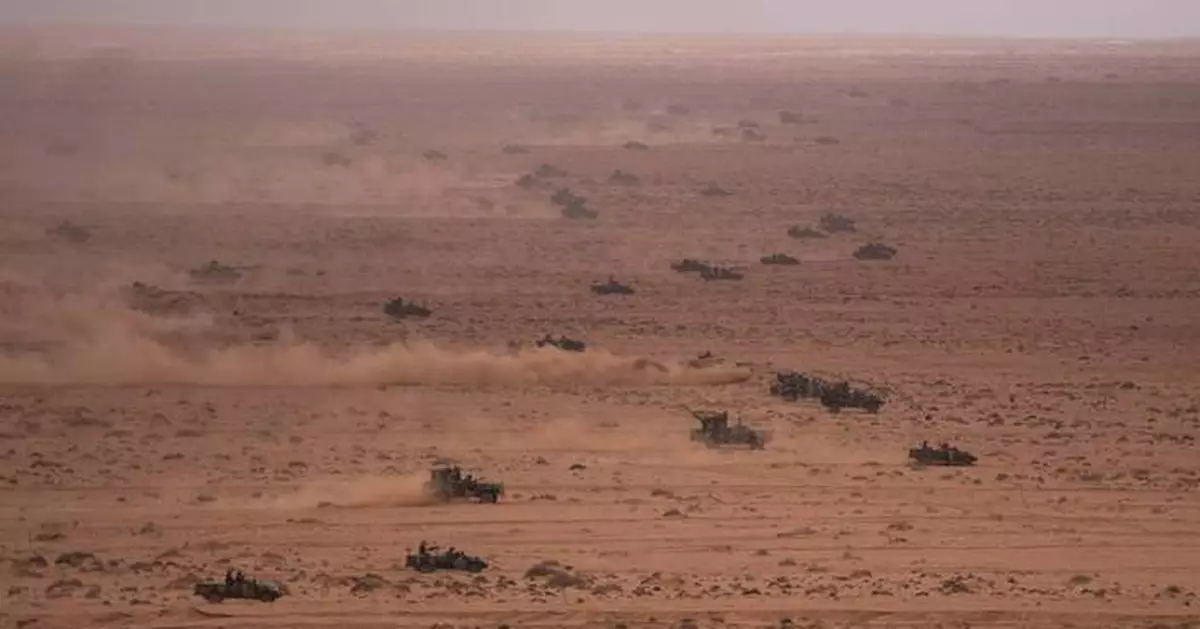
African Lion 26, is a U.S.-led exercise launched in April across four countries – Morocco, Tunisia, Ghana and Senegal – with more than 7,000 personnel from over 30 nations.
In 2012, two U.S. Marines were killed and two others injured during a helicopter crash in Morocco’s southern city of Agadir while taking part in the exercises
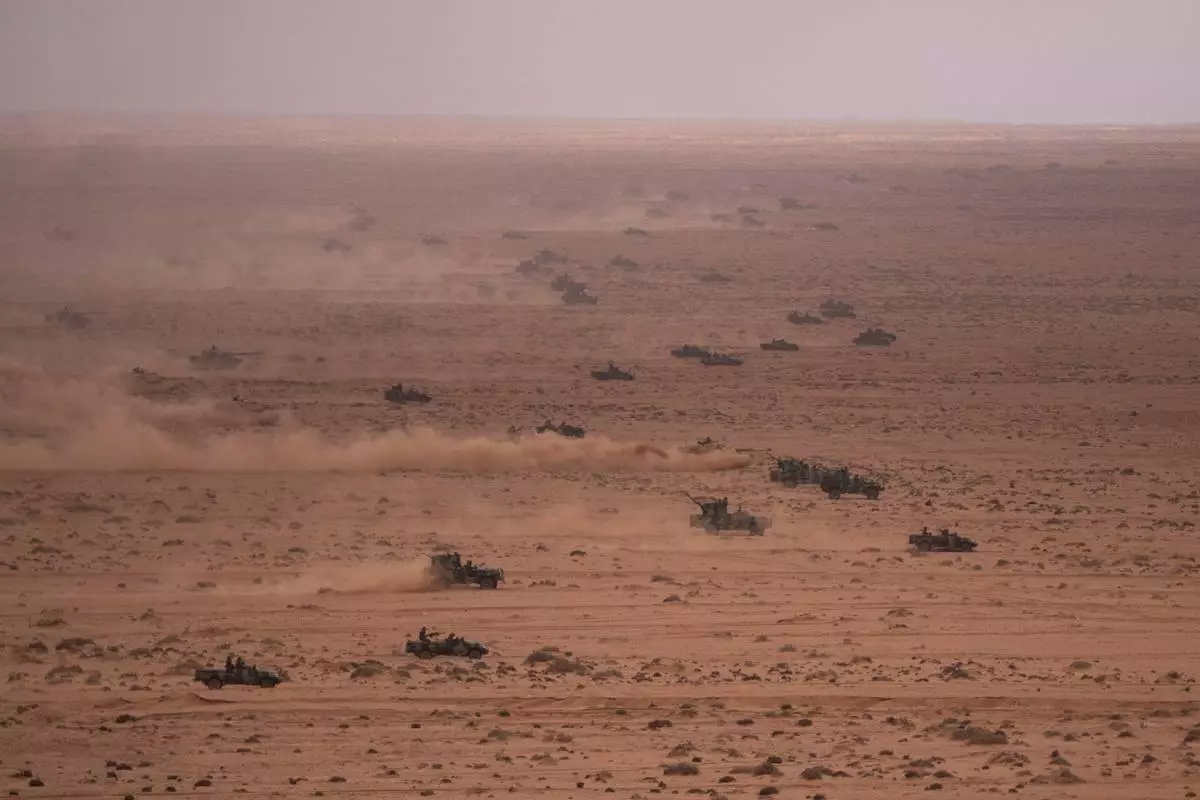
FILE - U.S and Moroccan military forces take part in the 20th edition of the African Lion military exercise, in Tantan, south of Agadir, Morocco, Friday, May 31, 2024. (AP Photo/Mosa'ab Elshamy, File)
RWAMPARA, Congo (AP) — More than 250 participants have been enrolled in a trial for a drug that could stop them from contracting Ebola in Congo, in what experts have described as a critical step to try to fight the deadliest outbreak of the disease in the Central African country.
The drug is targeted at Bundibugyo virus, which is responsible for the fast-moving outbreak and is without an approved vaccine or treatment. The trial began in July and is one of several studies launched to find some protection and another way of at least slowing the outbreak.
The Associated Press spoke this week to participants and doctors at the health center where the trial is taking place in the eastern province of Ituri, the epicenter of the outbreak. The participants include people who have been exposed to the disease in this outbreak, among them health workers and patients’ relatives.
At least 8,300 confirmed cases, including 4,000 deaths, have been recorded since this Ebola outbreak was declared in mid-May in eastern Congo. It has spread to seven provinces and continues to outpace efforts to track and slow it, authorities say.
The trial is testing Gilead's experimental antiviral pill, called obeldesivir, which is given soon after suspected contact with the virus to prevent the disease from developing. That approach is called post-exposure prophylaxis, or PEP.
One participant in the trial known as EBO-PEP told AP that she enrolled in the study in August after her husband tested positive for Ebola. She says so far no one from her family developed symptoms.
She and other trial participants requested anonymity to protect their privacy due to the sensitive nature of the Ebola outbreak and the medical protocol involved.
“I realized that if I even touched my husband — and I did touch him, his vomit, everything — (it meant that) I was a direct contact. I could have also passed on this contagious disease. I could have been contaminated,” the participant said.
She said she knew of entire households which had become infected after a family member tested positive for Ebola. But so far no one from her family has developed symptoms, she says.
Ebola disease only spreads once symptoms begin. People exposed to infected patients have to wait to see if they get sick. Finding people at high risk of incubating the Bundibugyo virus — also known as contact tracing — has proved difficult in Congo.
Another participant said two of their family members had caught Ebola, and one of them had died. “This disease is killing. It’s better to take precautions,” he said.
The trial, coordinated by ALIMA, a medical nonprofit, aims to recruit nearly 1,000 adults or children over the age of 12 who have come into contact with a confirmed case within the last five days but have no symptoms. Half will get a placebo.
Participants are monitored in person every day for 21 days, with a final phone call after 42 days, according to Dr. Godefroid Basara, who is working on the trial.
ALIMA said that if trial participants begin to develop symptoms, they will immediately receive supportive treatment, which has been shown to be helpful when symptoms are caught early.
If the pill proves effective, it could help break the infection chain.
“It differs from a vaccine, which may take days or weeks to provide protection. It is also different from curative treatment because it is intended for people who are not yet showing symptoms,” ALIMA research coordinator Dr. Guilavogui Jean Paul Yassa said.
Dr. Jacques Zawadi, an investigating physician working with ALIMA at the trial center, said most participants are happy to take part in the study, but it had been challenging encouraging some people who live far from the center to sign up.
He said the study is sometimes disrupted when participants find out their family members have died from the disease.
“This is the biggest challenge we face. When a person is emotionally affected, it is not easy to reason with them and ensure they return to the study,” he said.
The trial partners also include Congo’s National Institute of Biomedical Research and the French institute ANRS Emerging Infectious Diseases.
As new vaccines are under development elsewhere, Congo started vaccinating health workers with the Ervebo vaccine which was effective during previous Ebola outbreaks caused by a different, more common virus. Authorities have said Ervebo could offer some protection against Bundibugyo, but whether the vaccine can actually prevent illness is still being studied.
On Thursday, humanitarian organization Doctors Without Borders said a staff member had tested positive for Ebola and was being evacuated to the Netherlands. In June, a humanitarian physician with ALIMA also tested positive after returning to France from one of the virus hot spots.
The World Health Organization has said the outbreak continues to outpace efforts to track and slow the spread, and is set to exceed West Africa’s regional outbreak between 2014 and 2016 — the deadliest on record — which killed 11,000 people.
Brennan reported from Dakar, Senegal. Lauran Neergaard contributed from Washington, D.C.
For more on Africa and development: https://apnews.com/hub/africa-pulse
The Associated Press receives financial support for global health and development coverage in Africa from the Gates Foundation. The AP is solely responsible for all content. Find AP’s standards for working with philanthropies, a list of supporters and funded coverage areas at AP.org.
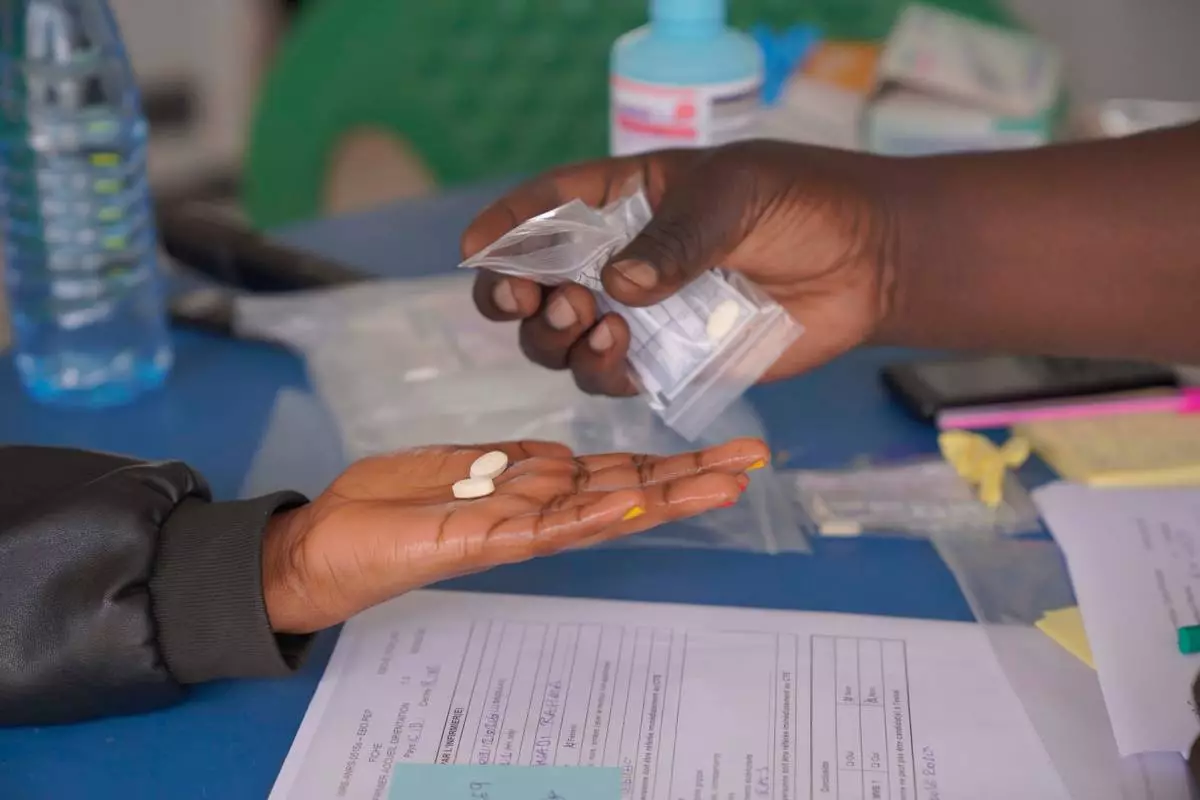
Pills are provided to enrolled patients during clinical trials attempting to stop the rare Bundibugyo virus, amidst a deadly Ebola outbreak, in Rwampara Hospital in Ituri, Congo, Thursday, Oct. 1, 2026. (AP Photo/Dieudonne Dirole)
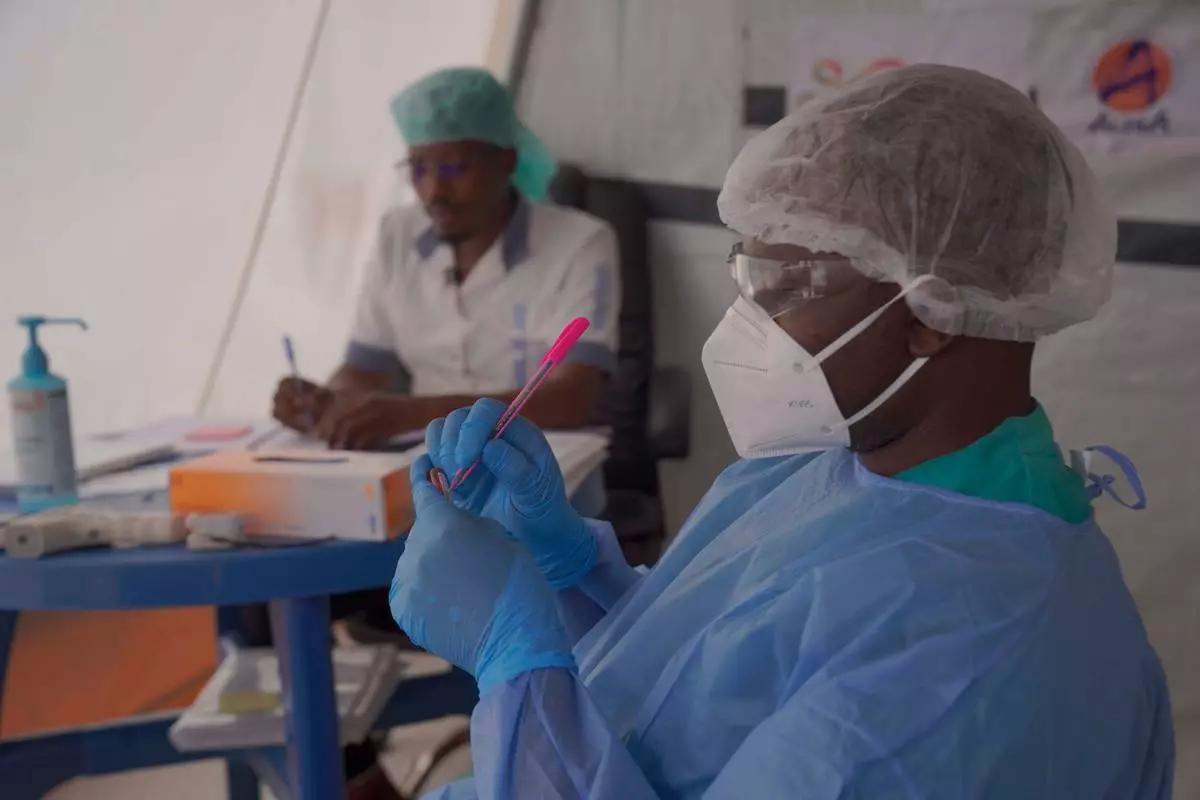
Doctors label the sample collected from an enrolled patient and record it in the hospital's files during clinical trials attempting to stop the rare Bundibugyo virus, amidst a deadly Ebola outbreak, in Rwampara Hospital in Ituri, Congo, Thursday, Oct. 1, 2026. (AP Photo/Dieudonne Dirole)
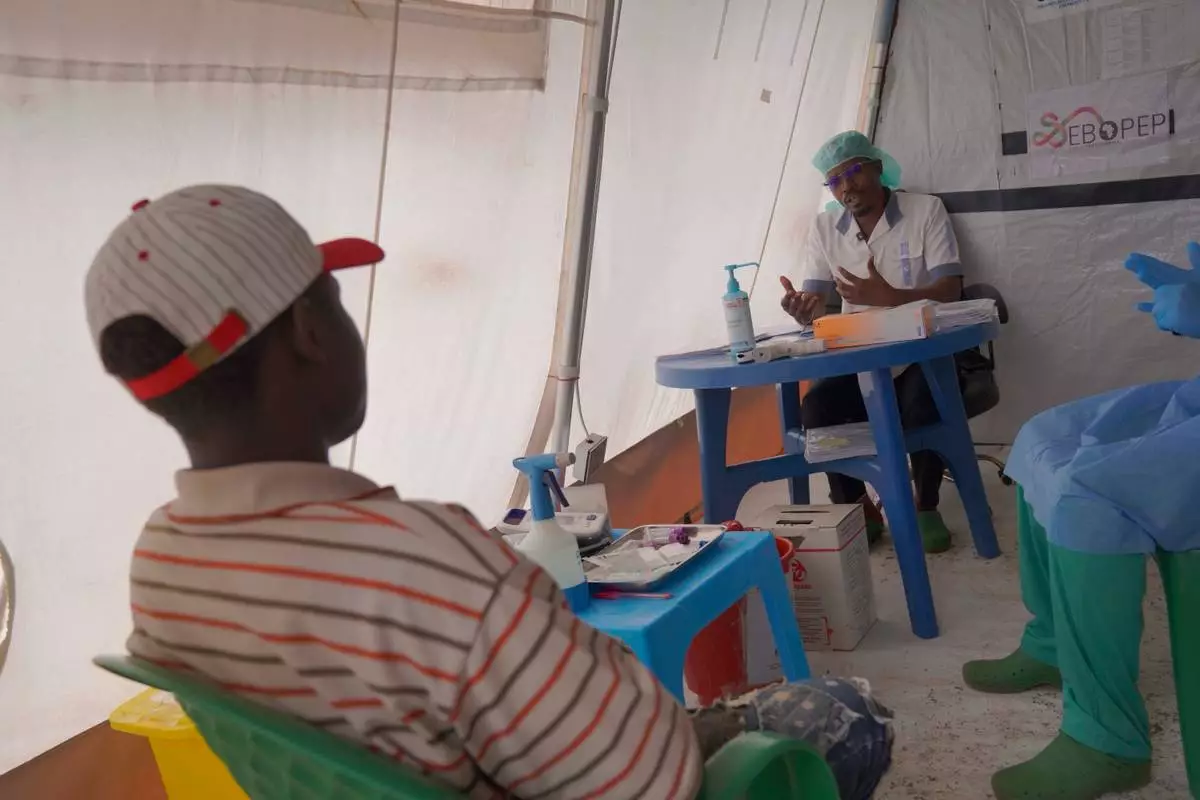
An enrolled patient receives information during clinical trials attempting to stop the rare Bundibugyo virus, amidst a deadly Ebola outbreak, in Rwampara Hospital in Ituri, Congo, Thursday, Oct. 1, 2026. (AP Photo/Dieudonne Dirole)
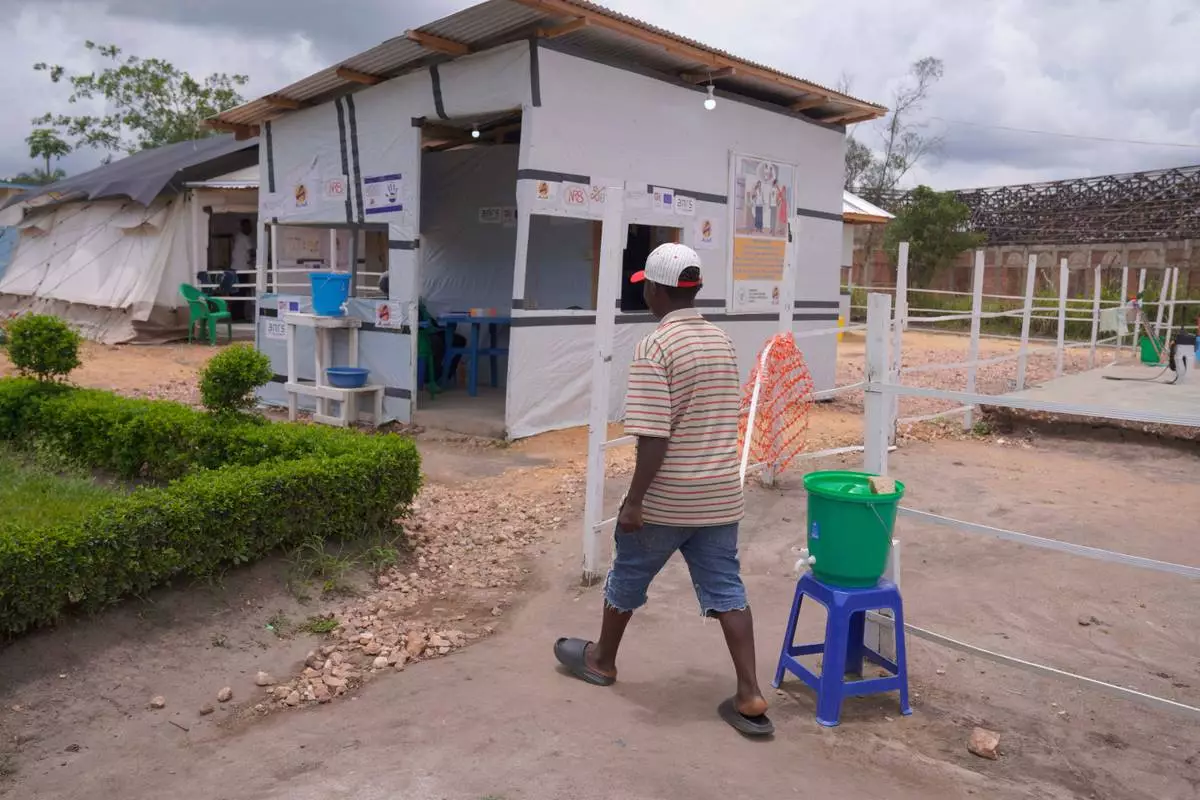
An enrolled patient arrives to clinical trials attempting to stop the rare Bundibugyo virus, amidst a deadly Ebola outbreak, in Rwampara Hospital in Ituri, Congo, Thursday, Oct. 1, 2026. (AP Photo/Dieudonne Dirole)
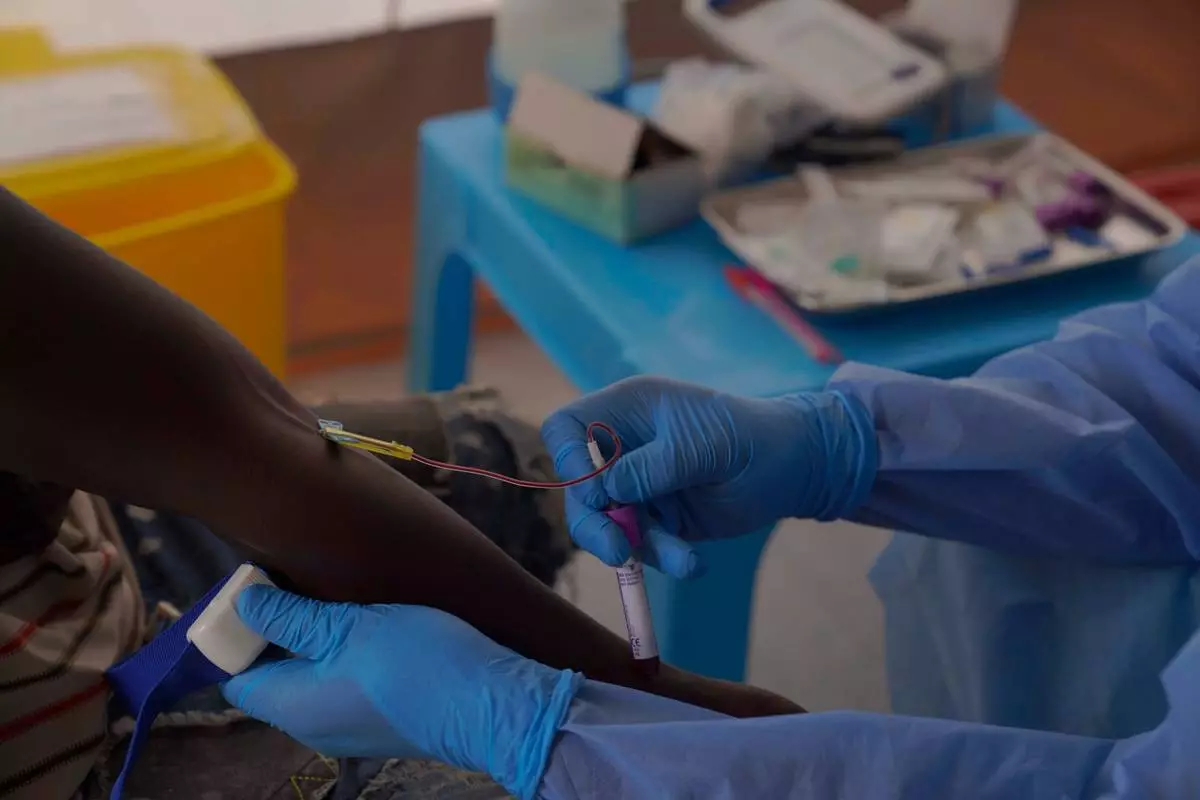
A doctor collects an enrolled patient's blood for Ebola testing during clinical trials attempting to stop the rare Bundibugyo virus, amidst a deadly Ebola outbreak, in Rwampara Hospital in Ituri, Congo, Thursday, Oct. 1, 2026. (AP Photo/Dieudonne Dirole)