The average long-term U.S. mortgage rate edged lower after rising the previous two weeks.
The benchmark 30-year fixed rate mortgage rate fell to 6.36% from 6.37% last week, mortgage buyer Freddie Mac said Thursday. One year ago, the rate averaged 6.81%.
Borrowing costs on 15-year fixed-rate mortgages, popular with homeowners refinancing their home loans, also eased this week. That average rate fell to 5.71% from 5.72% last week. A year ago, it was at 5.92%, Freddie Mac said.
Mortgage rates are influenced by several factors, from the Federal Reserve’s interest rate policy decisions to bond market investors’ expectations for the economy and inflation.
As recently as late February, the average rate on a 30-year mortgage had slipped just under 6% for the first time since late 2022. It’s hasn’t fallen below that threshold since.
Mortgage rates have been mostly trending higher since the war with Iran began. The closure of the Strait of Hormuz has roiled energy markets, sending crude oil prices sharply higher — a key driver of inflation.
Expectations of higher oil prices have pushed up the yield on the U.S. 10-year Treasury note, which which lenders use as a guide to pricing home loans.
The 10-year Treasury yield was at 4.44% in midday trading Thursday on the bond market. The yield was at just 3.97% in late February, before the war broke out.
While average long-term mortgage rates remain lower than they were at this time last year, their recent increase has helped dampen sales so far this spring homebuying season.
“This is part of the reason why home sales have been stagnant so far in 2026, notching only marginal improvements over the 30-year low of the 2025 housing market,” said Joel Berner, senior economist at Realtor.com.
Sales of previously occupied U.S. homes were essentially flat last month after declining from a year earlier in the first three months of the year, extending a nationwide housing slump that dates back to 2022 when mortgage rates began to climb from pandemic-era lows.
Despite lackluster sales, there are signs that some home shoppers are adapting to where mortgage rates are now.
Mortgage applications rose 1.7% last week from a week earlier, even as mortgage rates marched higher, according to the Mortgage Bankers Association. Applications for both purchase and mortgage refinancing loans are up from a year earlier.
Home shoppers who are undeterred by the mortgage rate volatility are likely to benefit from buyer-friendly trends in many markets, including more properties on the market than a year ago and data showing home listing prices have started falling in many metro areas, especially in the South and Midwest.
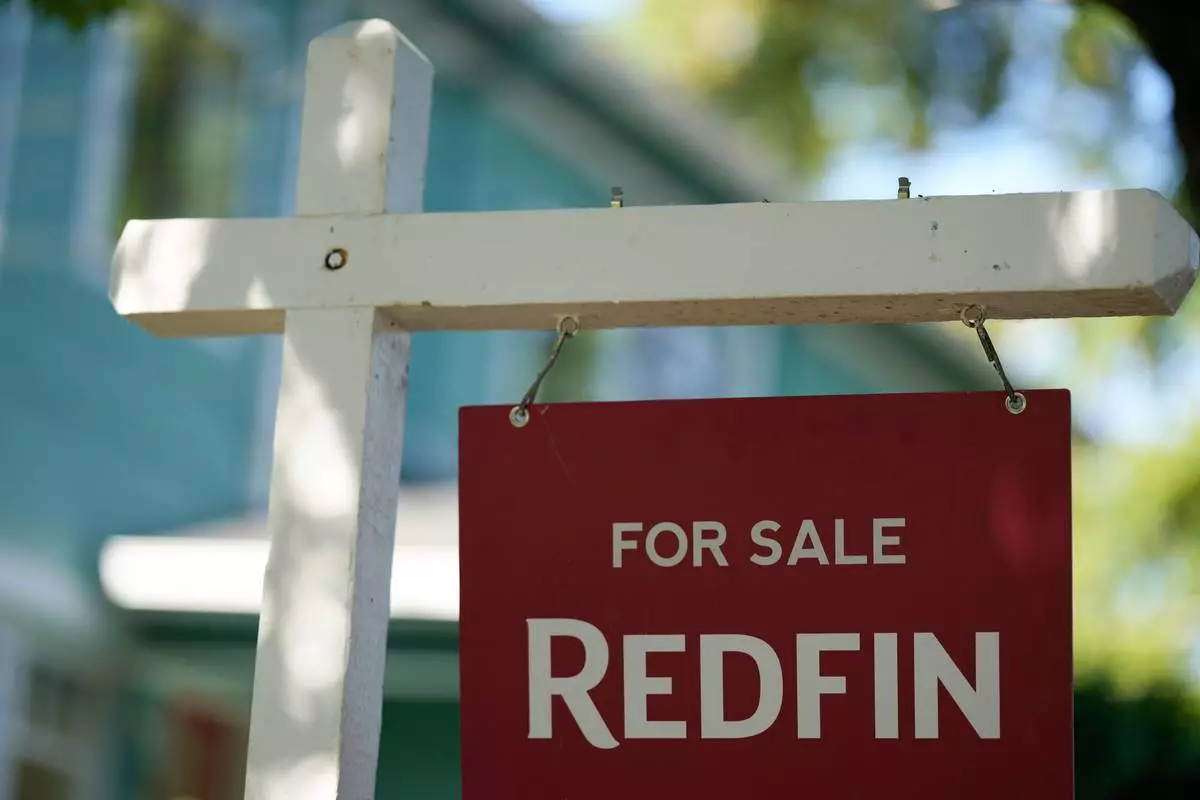
FILE - A "For Sale" sign is displayed outside a home on Friday, July 11, 2025, in Portland, Ore. (AP Photo/Jenny Kane, File)
An Oklahoma judge on Thursday allowed former death row prisoner Richard Glossip to be released on bond while awaiting retrial over a 1997 killing that put him on the brink of execution three separate times.
The decision clears the way for Glossip, 63, to leave a lockup for the first time since his arrest nearly 30 years ago. Last year, the U.S. Supreme Court threw out his conviction, and his longstanding claims of innocence have drawn support from Kim Kardashian and other prominent figures.
Judge Natalie Mai issued an order setting bond at $500,000. Glossip must wear an electronic monitoring device and will not be allowed to travel outside Oklahoma. He also must not contact any witnesses in the case, or consume any drugs or alcohol.
Glossip had been sentenced to death over the 1997 killing in Oklahoma City of his former boss, motel owner Barry Van Treese, in what prosecutors have alleged was a murder-for-hire scheme.
The Supreme Court ruled last year that prosecutors’ decision to allow a key witness to give testimony they knew to be false violated Glossip’s constitutional right to a fair trial.
Glossip has remained behind bars after Oklahoma Attorney General Gentner Drummond announced the state would seek to retry him on a murder charge but not pursue the death penalty again.
“The court fully expects that the state will rigorously prosecute its case going forward and the defense will provide robust representation for Glossip,” the judge wrote in the order. “The court hopes that a new trial, free of error, will provided all interested parties and the citizens of Oklahoma, the closure they deserve.”
During his time on death row, courts in Oklahoma set nine different execution dates for Glossip, and he came so close to being put to death that he ate three separate last meals. In 2015, he was even held in a cell next to Oklahoma’s execution chamber, waiting to be strapped to a gurney and die by lethal injection.
But the scheduled time for his execution came and went. Behind the walls of the Oklahoma State Penitentiary, prison officials were scrambling after learning one of the lethal drugs they received to carry out the procedure didn’t match the execution protocols. The drug mix-up ultimately led to a nearly seven-year moratorium on executions in Oklahoma.
“Mr. Glossip now has the chance to taste freedom while his defense team continues to pursue justice on his behalf against a system that the United States Supreme Court has found to be guilty of serious misconduct by state prosecutors," his attorney, Donald Knight, said.
Glossip’s case attracted international attention after actress Susan Sarandon — who won an Academy Award for her portrayal of death penalty opponent Sister Helen Prejean’s fight to save a man on Louisiana’s death row in the 1995 movie “Dead Man Walking” — took up his cause in real life. Glossip's case also was featured in the 2017 documentary film titled “Killing Richard Glossip."
“Both Richard and I are grateful for the court's decision,” Glossip's wife, Lea, said in a text to The Associated Press. “We have been praying for this day.”
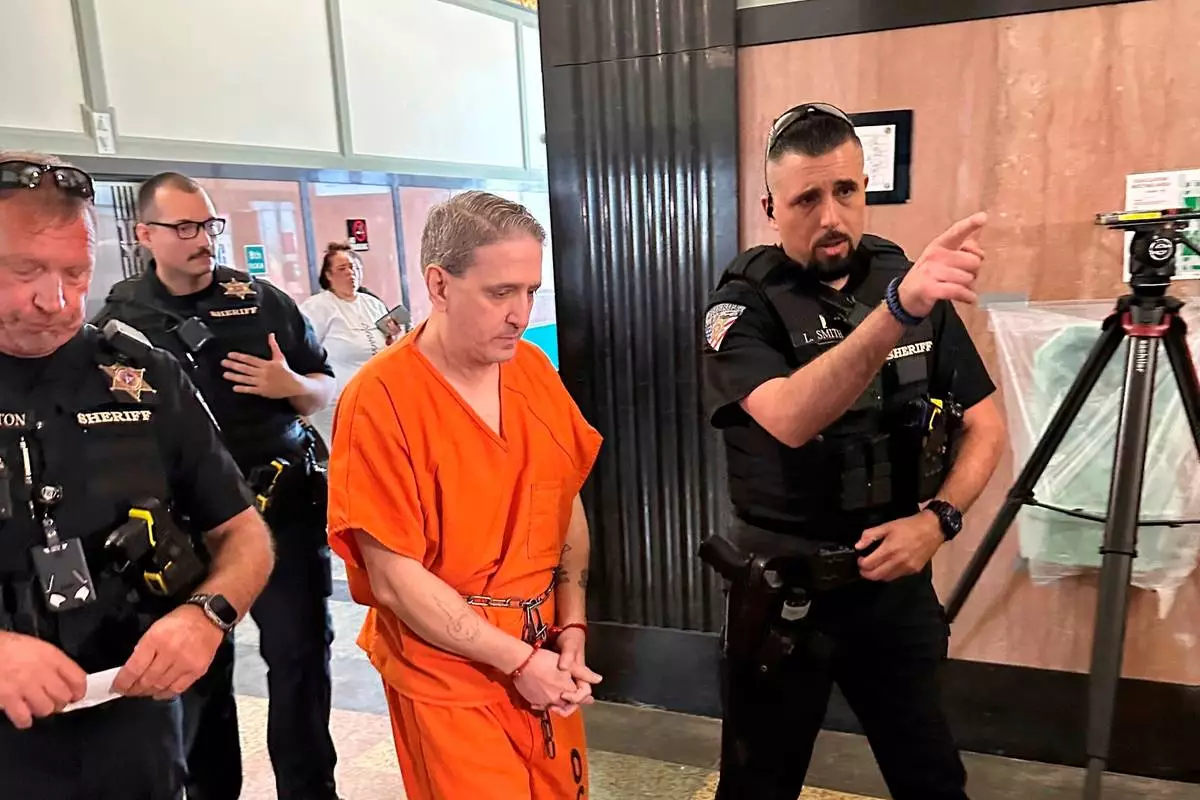
FILE - Oklahoma County Sheriff's deputies lead longtime death row inmate Richard Glossip to a courtroom on June 9, 2025, at the Oklahoma County Courthouse in Oklahoma City. (AP Photo/Sean Murphy, File)