Skip to Content Facebook Feature Image

Judge declares a mistrial in Harvey Weinstein’s rape retrial after jury says it is deadlocked

ENT

Judge declares a mistrial in Harvey Weinstein’s rape retrial after jury says it is deadlocked
ENT

ENT

Judge declares a mistrial in Harvey Weinstein’s rape retrial after jury says it is deadlocked

2026-05-16 02:29 Last Updated At:02:30

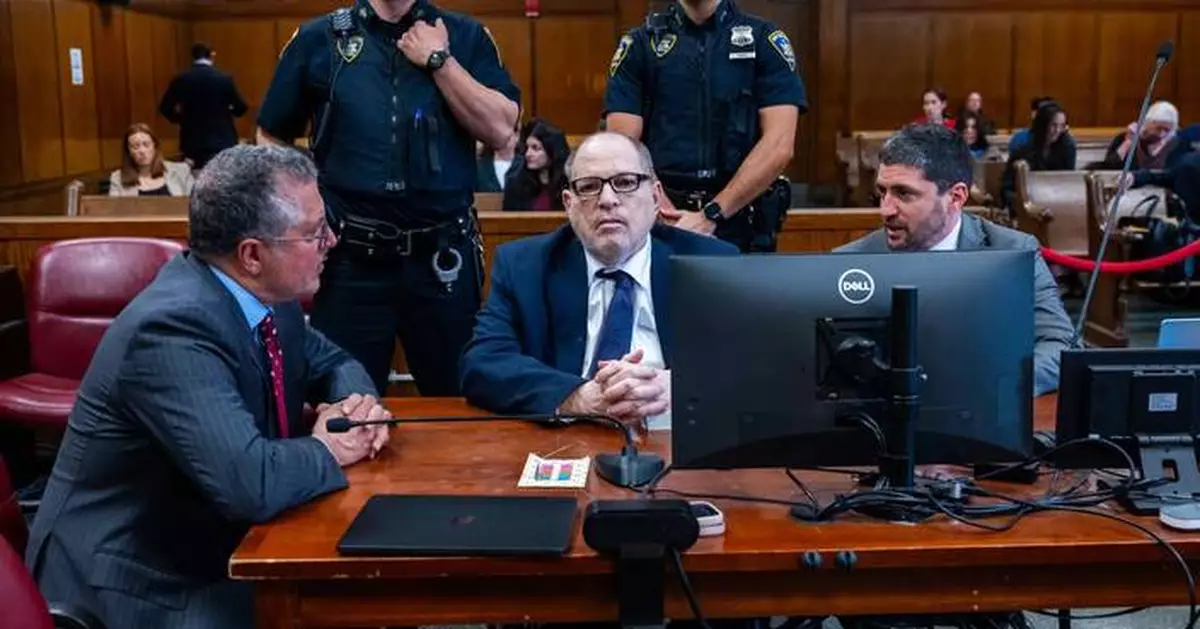
NEW YORK (AP) — Harvey Weinstein ’s rape retrial ended in a mistrial Friday after the jury deadlocked in a closely watched #MeToo-era case that another jury failed to decide last year.

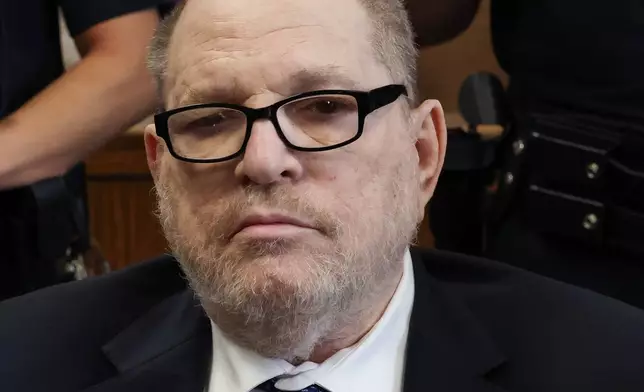
While the former Hollywood mogul has been convicted of other sex crimes on two U.S. coasts and remains behind bars, the mistrial leaves the New York rape charge in limbo after three trials. Weinstein appeared expressionless as court officers ushered him out in his wheelchair.

More Images
Harvey Weinstein appears in Manhattan criminal court on Friday, May 15, 2026, in New York. (Timothy A. Clary/Pool Photo via AP)
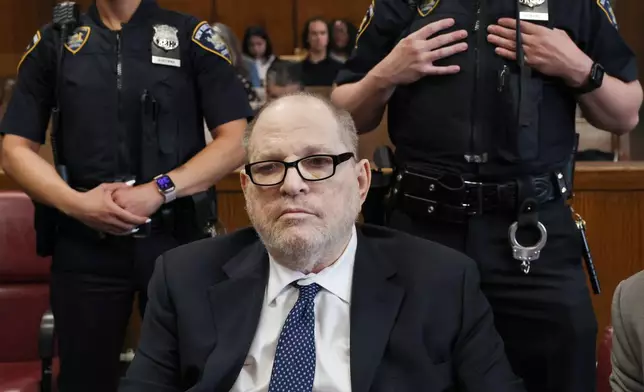
Harvey Weinstein appears in Manhattan criminal court on Friday, May 15, 2026, in New York. (Timothy A. Clary/Pool Photo via AP)
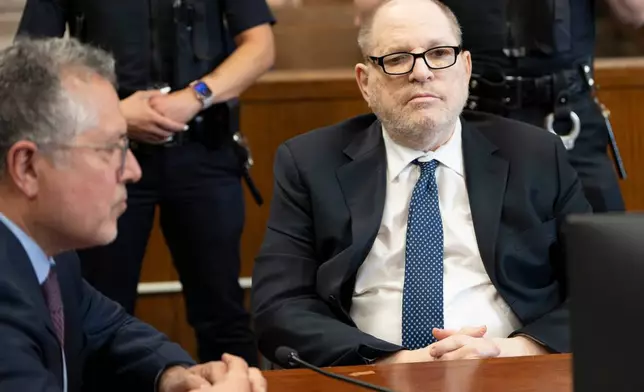
Harvey Weinstein appears in Manhattan criminal court on Friday, May 15, 2026, in New York. (Timothy A. Clary/Pool Photo via AP)

Harvey Weinstein appears in Manhattan criminal court on Friday, May 15, 2026, in New York. (Timothy A. Clary/Pool Photo via AP)

Harvey Weinstein appears in Manhattan criminal court on Friday, May 15, 2026, in New York. (Steven Hirsch /New York Post via AP, Pool)
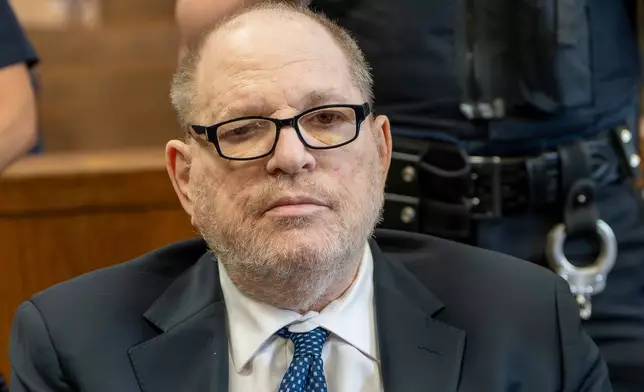
Harvey Weinstein appears in Manhattan criminal court on Friday, May 15, 2026, in New York. (Steven Hirsch /New York Post via AP, Pool)

Harvey Weinstein appears in Manhattan criminal court on Friday, May 15, 2026, in New York. (Steven Hirsch/New York Post via AP, Pool)
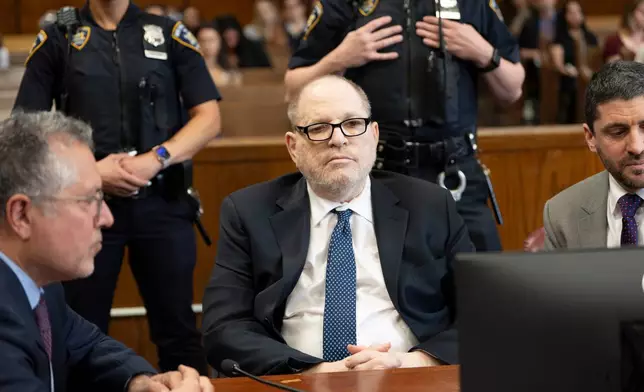
Harvey Weinstein appears in Manhattan criminal court on Friday, May 15, 2026, in New York. (Steven Hirsch/New York Post via AP, Pool)

Harvey Weinstein appears in Manhattan criminal court on Friday, May 15, 2026, in New York. (Steven Hirsch /New York Post via AP, Pool)
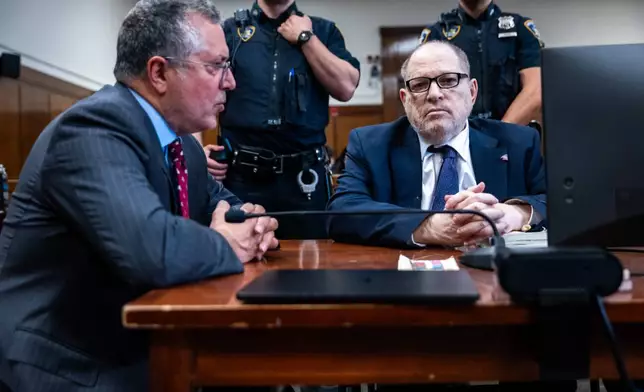
Harvey Weinstein appears in Manhattan criminal court on Friday, May 15, 2026, in New York. (Steven Hirsch /New York Post via AP, Pool)

Harvey Weinstein appears with attorney Marc Agnifilo in Manhattan criminal court, Thursday, May 14, 2026, in New York. (Spencer Platt/Pool Photo via AP)
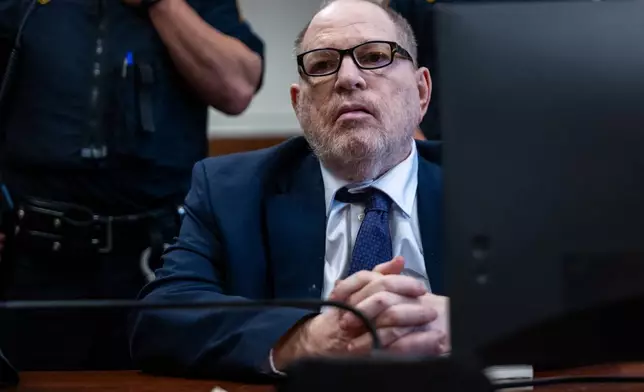
Harvey Weinstein appears with attorney Marc Agnifilo in Manhattan criminal court, Thursday, May 14, 2026, in New York. (Spencer Platt/Pool Photo via AP)
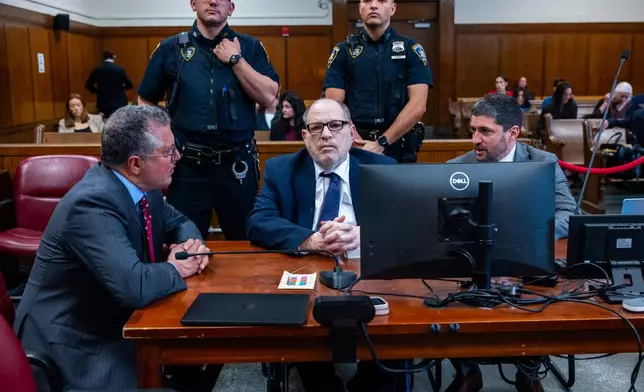
Harvey Weinstein appears in Manhattan criminal court, Thursday, May 14, 2026, in New York. (Spencer Platt/Pool Photo via AP)

Harvey Weinstein appears in Manhattan criminal court, Thursday, May 14, 2026, in New York. (Spencer Platt/Pool Photo via AP)

Harvey Weinstein appears with attorneys Marc Agnifilo, left, and Jacob Kaplan in Manhattan criminal court, Thursday, May 14, 2026, in New York. (Spencer Platt/Pool Photo via AP)

Harvey Weinstein appears with attorneys Marc Agnifilo, left, and Jacob Kaplan in Manhattan criminal court, Thursday, May 14, 2026, in New York. (Spencer Platt/Pool Photo via AP)

A majority-male Manhattan jury had been weighing whether Weinstein raped Jessica Mann, a hairstylist and actor. Weinstein’s lawyers argued that the encounter was consensual. It happened in 2013 during a fraught relationship between the then-married Weinstein and the decades-younger Mann.

The signs of Friday's stalemate emerged a few hours into the third day of deliberations, when jurors sent a note in the morning saying they “have concluded that they cannot reach” a unanimous verdict. Judge Curtis Farber instructed them to continue deliberating, a common step when a jury initially says it's stuck.

Jurors returned to their closed-door discussions for more than an hour before sending another note with the same message, adding: “We feel that no one is going to change where they stand.”

One juror, Josh Hadar, told reporters that nine people wanted to acquit Weinstein and three wanted to convict him.

Defense attorney Marc Agnifilo called it “a great day for our jury system.”

A hearing was set for June 24 to learn whether prosecutors will choose to go to a fourth trial. District Attorney Alvin Bragg said he was disappointed with the result but “we deeply respect the jury system.”

Bragg said his staff will consult Mann about another trial and also take into account what happens to Weinstein when he's sentenced in another case. Mann was not in court when the mistrial was declared.

As an Oscar-winning movie producer and studio boss, Weinstein was one of Hollywood’s most powerful figures and a significant Democratic donor before the long-suppressed sexual harassment and sexual assault allegations against him cascaded into public view in 2017. The revelations galvanized the #MeToo movement ’s demands for accountability for sexual misconduct, made Weinstein a pariah, bankrupted the studio and ultimately led to criminal charges against him in New York and Los Angeles.

He was convicted of some and acquitted of others. Yet Mann’s allegation lingered. Weinstein was convicted of the charge in 2020. Then an appeals court overturned that verdict, and jury deliberations broke down at a 2025 retrial. That paved the way for this year’s retrial.

Weinstein has said he was unfaithful to his then-wife and “acted wrongly, but I never assaulted anyone.”

Mann, now 40, met Weinstein at a Los Angeles party in early 2013, when she hoped to build a handful of acting credits into a big career. He took interest and soon showed that it wasn’t purely professional.

She said his initial, pushy overtures discomfited her, but she acceded to them and decided to develop a relationship with him.

She was staying with a friend at a Manhattan hotel in March 2013 when Weinstein showed up early for a planned breakfast and got a room over her objections, Mann testified. She said she accompanied Weinstein to the room to talk and made it clear she didn’t want sex.

“I said ‘no,’ over and over, and I tried to leave,” she told jurors during five days of intense testimony.

She said that Weinstein blocked her from leaving and grabbed her arms. Scared, she gave up protesting, complied with his demands to undress, and laid on a bed while he went into a bathroom, she told jurors. Then, Mann said, he raped her.

Mann told no one for years about the alleged rape. Nor did she mention it in her introspective, private writing two days later. In a note to herself, she grappled with conflicted feelings about becoming “emotionally attached” in a nonexclusive relationship with a man she didn’t name.

After Weinstein’s new lawyers confronted Mann with the note, she said she hadn’t needed to write down the allegation.

The Associated Press does not identify people who say they have been sexually assaulted, unless they choose to make their names public, as Mann has done.

Weinstein didn’t testify. In his lawyers’ telling, Mann was a willing partner in a close, supportive relationship with a show-business insider who opened doors for her, but she turned on him once he became an outcast.

In the months and years after the New York encounter, Mann kept seeing and communicating with Weinstein.

At times, she pulled away to pursue and preserve a relationship with a new boyfriend, according to her emails and testimony. At other times, she turned back to Weinstein, who validated her acting dreams, told her he was proud of her and responded caringly when her father was terminally ill.

“I love u. Anything u need,” Weinstein wrote.

Over the years, he helped Mann land a movie audition — it went nowhere — and a hairstyling job. She asked him for help with such things as a car problem and a club membership, though she declined a package his office tried to send in summer 2013, when she couldn’t make rent. Mann said she understood the envelope contained $1,000 in cash.

In one of her last emails to Weinstein, in February 2017, she wrote: “I love you, always do. But I hate feeling like a booty call.” When he responded by suggesting she was “joking” and should stop using his company email, she said it was a joke and apologized.

Eight months later, she saw the news reports that propelled his downfall and ultimately prompted her to go to police.

Mann never sued Weinstein, but after his 2020 conviction, she filed for and got about $500,000 from a sexual misconduct settlement fund set up during his company’s bankruptcy. The payout was mentioned at last year’s retrial, but the defense didn’t raise it this time after extensive arguments about what could and couldn’t be said.
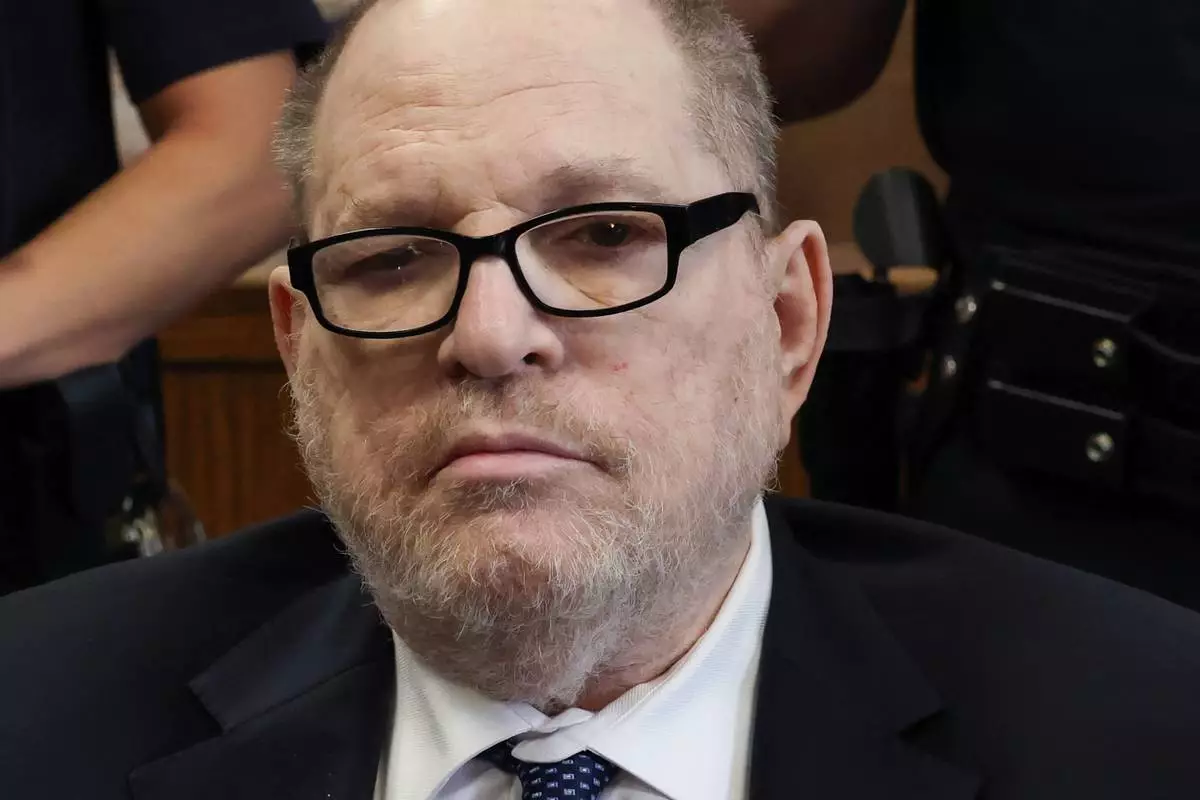
Harvey Weinstein appears in Manhattan criminal court on Friday, May 15, 2026, in New York. (Timothy A. Clary/Pool Photo via AP)
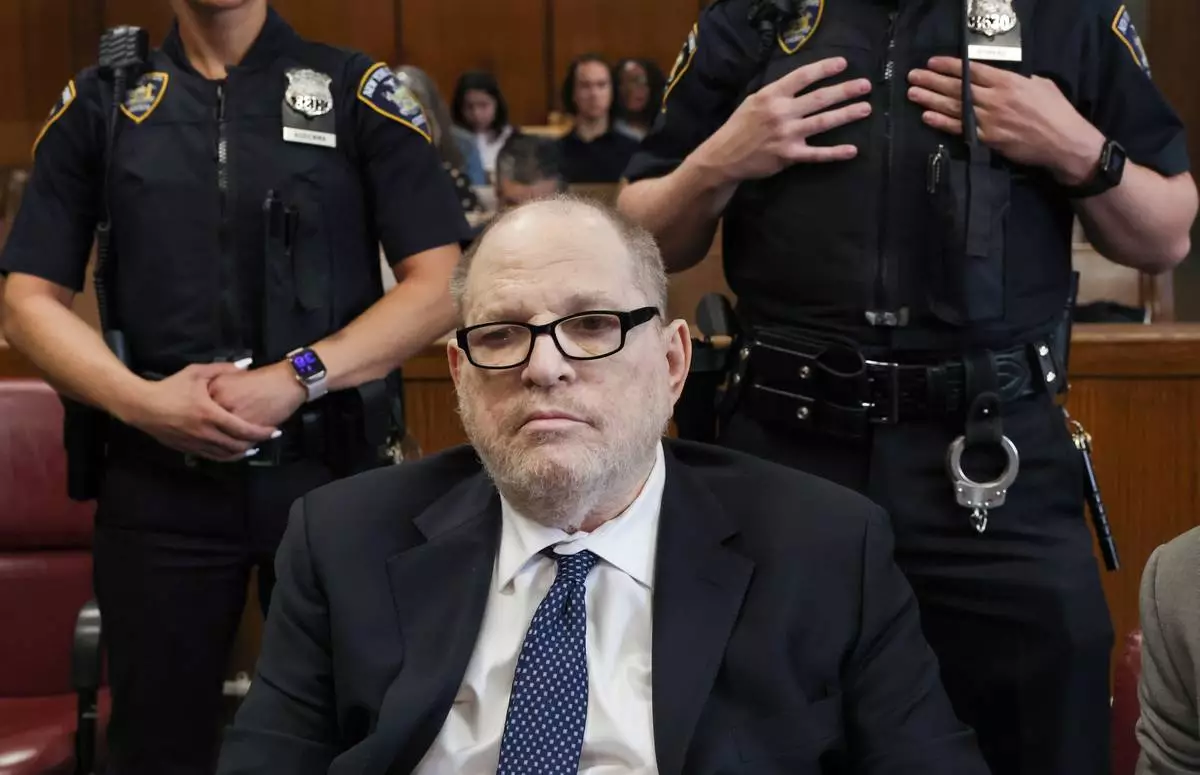
Harvey Weinstein appears in Manhattan criminal court on Friday, May 15, 2026, in New York. (Timothy A. Clary/Pool Photo via AP)
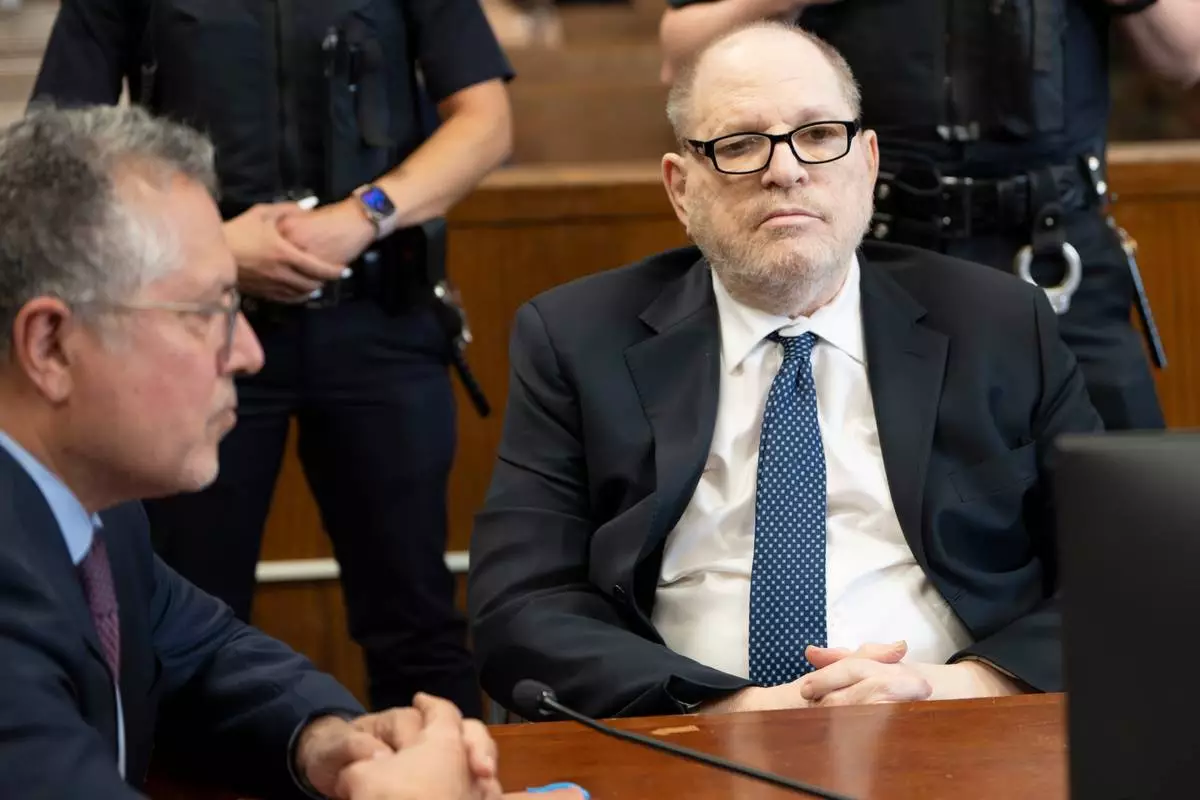
Harvey Weinstein appears in Manhattan criminal court on Friday, May 15, 2026, in New York. (Timothy A. Clary/Pool Photo via AP)

Harvey Weinstein appears in Manhattan criminal court on Friday, May 15, 2026, in New York. (Timothy A. Clary/Pool Photo via AP)

Harvey Weinstein appears in Manhattan criminal court on Friday, May 15, 2026, in New York. (Steven Hirsch /New York Post via AP, Pool)
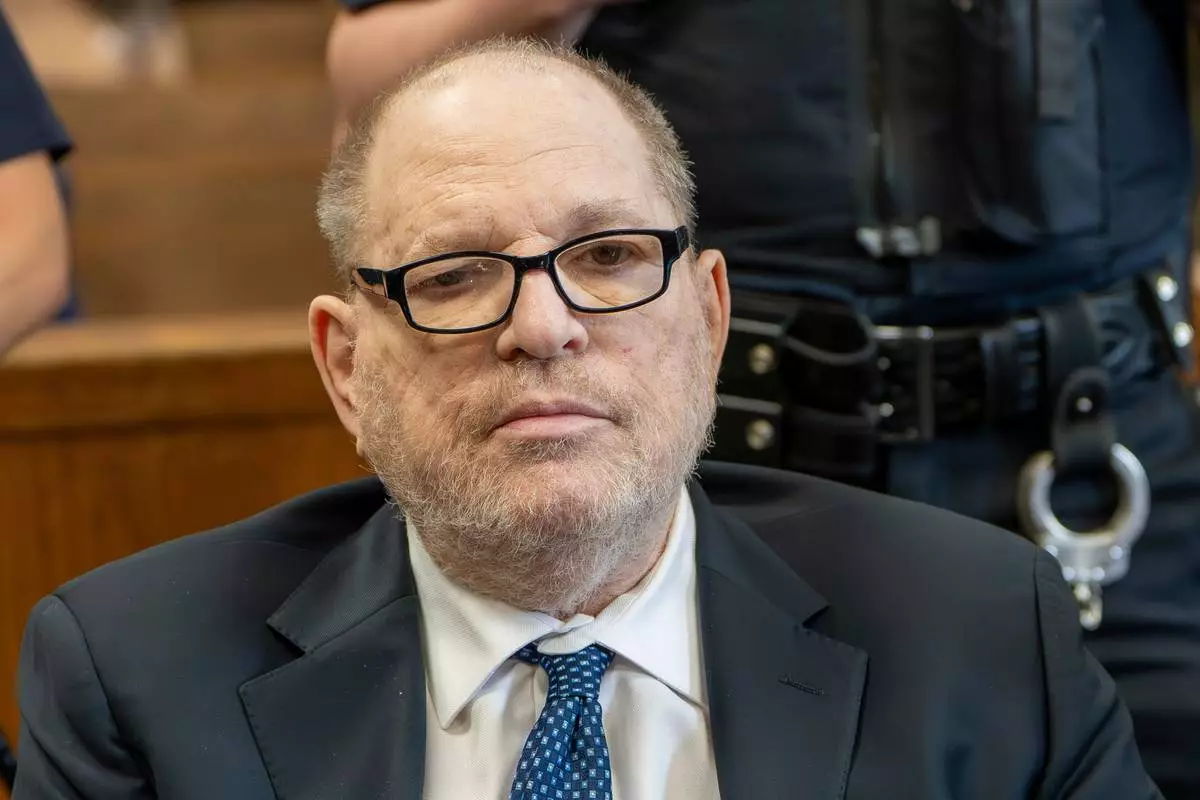
Harvey Weinstein appears in Manhattan criminal court on Friday, May 15, 2026, in New York. (Steven Hirsch /New York Post via AP, Pool)

Harvey Weinstein appears in Manhattan criminal court on Friday, May 15, 2026, in New York. (Steven Hirsch/New York Post via AP, Pool)
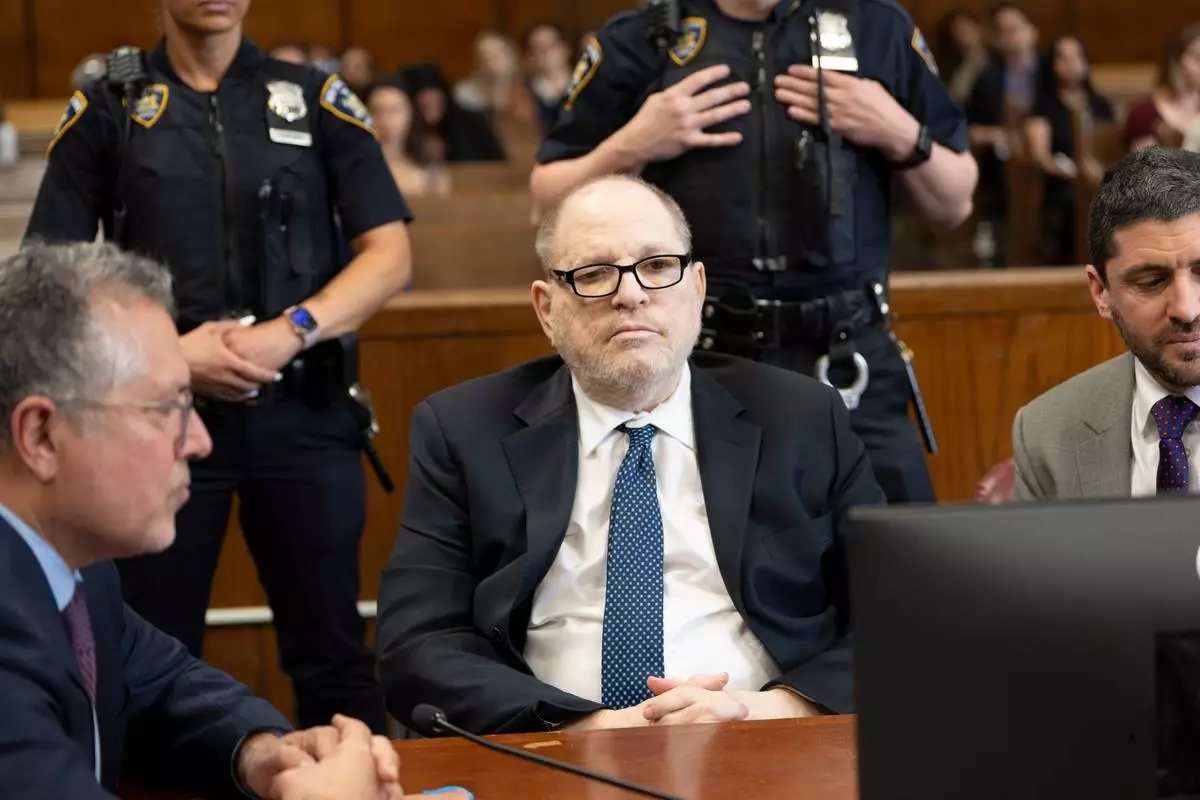
Harvey Weinstein appears in Manhattan criminal court on Friday, May 15, 2026, in New York. (Steven Hirsch/New York Post via AP, Pool)

Harvey Weinstein appears in Manhattan criminal court on Friday, May 15, 2026, in New York. (Steven Hirsch /New York Post via AP, Pool)
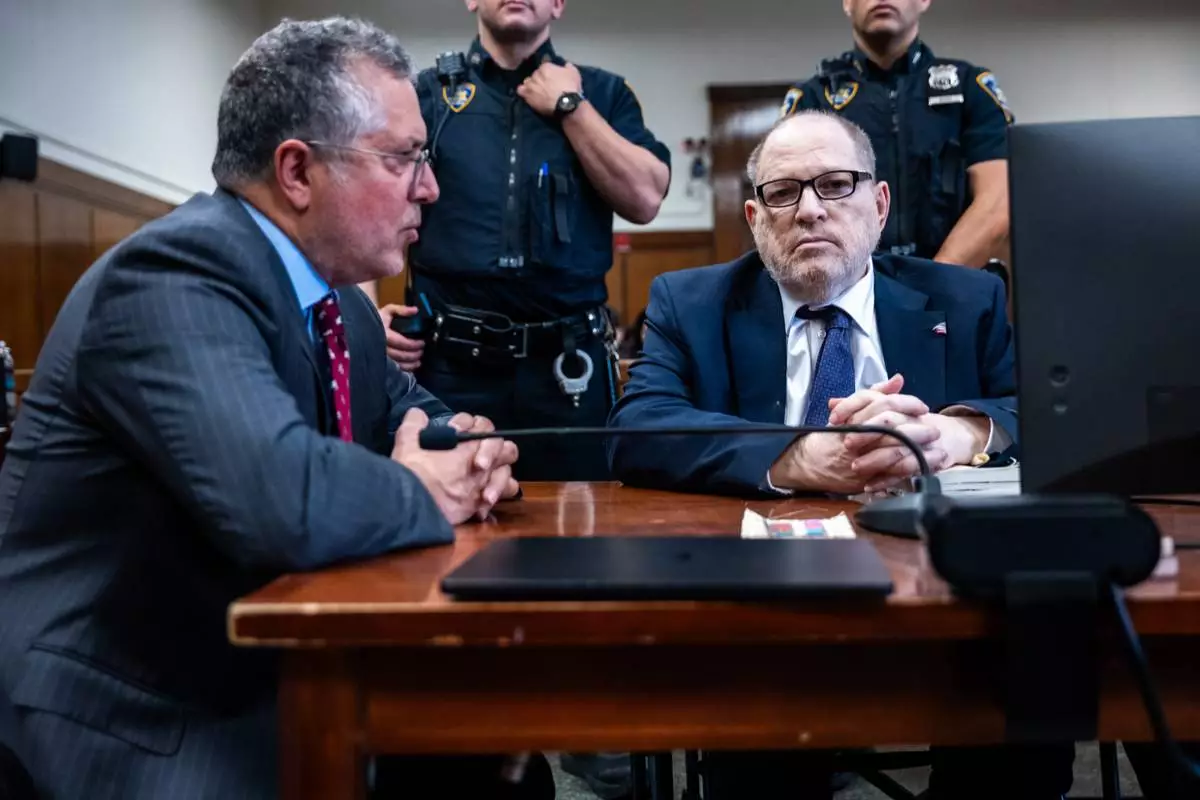
Harvey Weinstein appears in Manhattan criminal court on Friday, May 15, 2026, in New York. (Steven Hirsch /New York Post via AP, Pool)

Harvey Weinstein appears with attorney Marc Agnifilo in Manhattan criminal court, Thursday, May 14, 2026, in New York. (Spencer Platt/Pool Photo via AP)
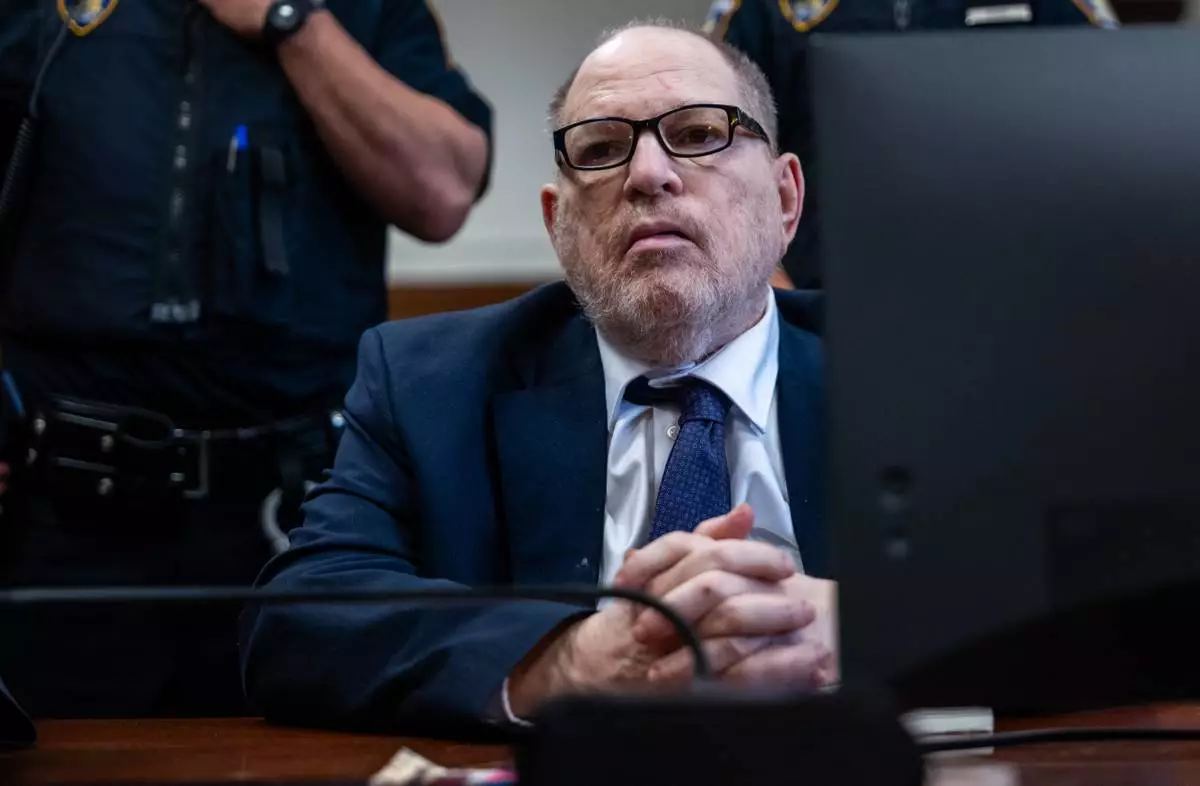
Harvey Weinstein appears with attorney Marc Agnifilo in Manhattan criminal court, Thursday, May 14, 2026, in New York. (Spencer Platt/Pool Photo via AP)
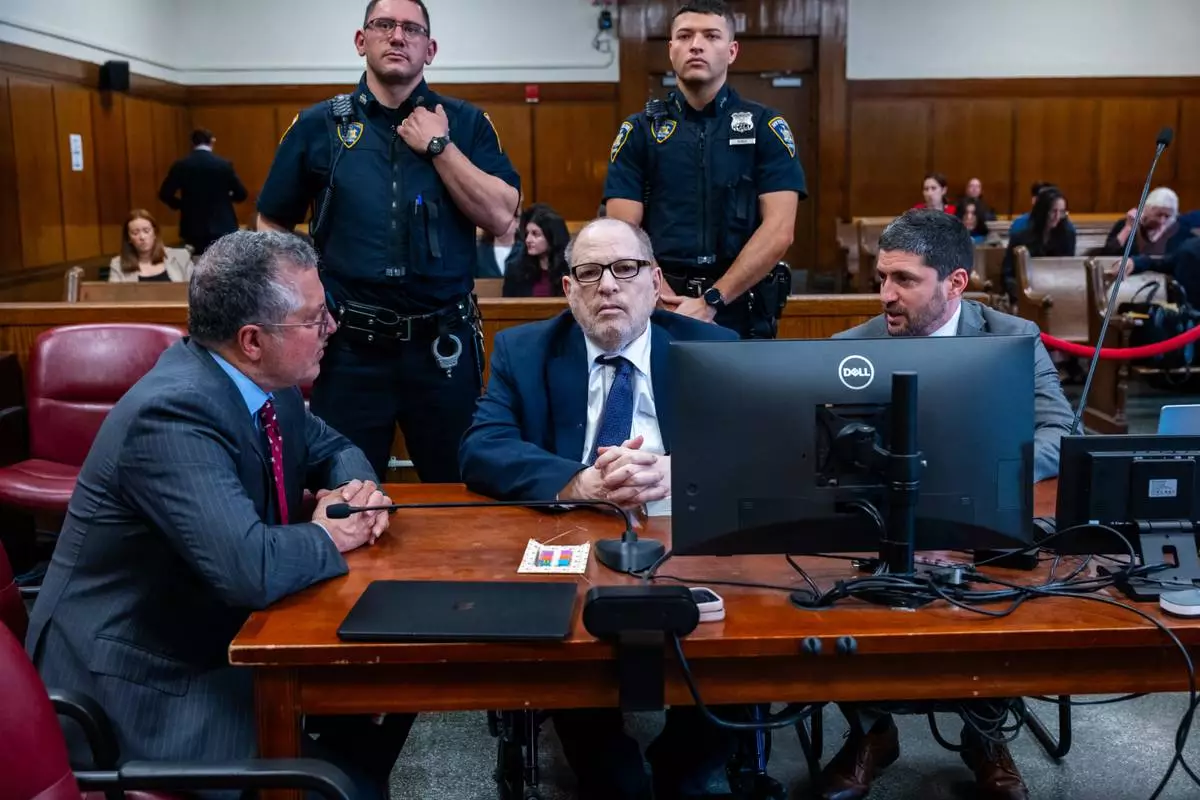
Harvey Weinstein appears in Manhattan criminal court, Thursday, May 14, 2026, in New York. (Spencer Platt/Pool Photo via AP)

Harvey Weinstein appears in Manhattan criminal court, Thursday, May 14, 2026, in New York. (Spencer Platt/Pool Photo via AP)
Harvey Weinstein appears with attorneys Marc Agnifilo, left, and Jacob Kaplan in Manhattan criminal court, Thursday, May 14, 2026, in New York. (Spencer Platt/Pool Photo via AP)
Harvey Weinstein appears with attorneys Marc Agnifilo, left, and Jacob Kaplan in Manhattan criminal court, Thursday, May 14, 2026, in New York. (Spencer Platt/Pool Photo via AP)
NEW YORK (AP) — Democratic leaders, desperate to compete in red states where their party brand is toxic, are embracing something new this midterm season: not backing Democrats.

In states like Nebraska and Alaska, Democratic officials are, in some cases, looking past their own party’s candidates while subtly encouraging — or even openly promoting — independent candidates they hope can outperform the Democratic label. The Democratic National Committee and some of its allies in Washington are quietly supporting the new strategy.

Meanwhile, some of the independent candidates are chatting in a group text about their approach as they plot a path that could shake up Congress, which is consumed by partisan gridlock.

Nebraska Democrats this week chose a nominee for U.S. Senate, Cindy Burbank, who said a major campaign priority was to ensure a Democrat wouldn’t be on the fall ballot to pull support from independent Dan Osborn. Shortly after polls closed, Burbank reiterated her plan to drop out in the coming weeks during a private conversation with a party official, according to state Democratic chair Jane Kleeb.

Democratic leaders believe Osborn, who came within 7 percentage points of winning a Senate seat in 2024, has the best chance to defeat Republican Sen. Pete Ricketts.

Democrats’ pivot toward independents is part of an intentional strategy in some places — and something closer to a wink and a nod in others — that covers a handful of high-profile Senate and House and even statehouse contests. Independent Senate candidates are also running in states like Idaho, South Dakota and Montana, where Democratic leadership has so far been unwilling to fully embrace the independents, although many view them as the Democrats' best chance to stop Republicans this fall.

“For some states, and Nebraska is one of them, where Democrats are 32% of the electorate, this is a long-term strategy for us,” said Kleeb, who also serves as a vice chair to the Democratic National Committee.

Kleeb said her state party is backing independents in at least four state legislative seats in addition to the U.S. Senate: “We have to build a coalition with independents in order to win elections so we can do good work for the people. Period.”

Some of the Democratic Party's national political machine appears to be on board.

The Democrats' fundraising site, ActBlue, serves some of the independent candidates, as do popular Democratic-allied website builders. At the same time, some of the party's campaign committees in Washington quietly provide logistical support in some cases, while avoiding public criticism of the independent candidates even in some races where there is a Democratic nominee.

“The Democratic Party’s brand is awful right now,” said Democratic strategist Josh Schwerin. “The combination of the brand problem and the existential nature of the threat that our country is facing requires us to have a big tent and look for candidates who can win.”

Some Democratic donors, strategists and party leaders from other states have privately pushed back, insisting Democrats should not look past their own nominees for short-term political gain. They want Democratic officials, in Washington and on the ground in red states, to work harder to make the Democratic brand more attractive — even if it takes several more years to be competitive.

“What’s the independent going to do for the Democratic Party if they win?” asked Democratic strategist Mike Ceraso, who sees the shift toward independents as an attempt to disguise Democrats in some cases. “We’re the party of truth and honesty and integrity, but we’re playing these stupid political games?”

And there is no guarantee that the independent candidates, if elected, would support all of the Democrats' policy priorities or even Democratic leadership in Congress.

In Idaho, independent Senate candidate Todd Achilles, an Army veteran and former Democratic state legislator, said he won’t be caucusing with either party if elected. He explained his politics as “straight down the middle,” and said he believes in individual liberties.

“Idahoans should be able to live how they want,” he said. But the Democratic Party was a bad fit because it “has given up on little red states like Idaho.”

On his list of problems with Democrats is that the party made a big mistake by initially running Joe Biden again for president in 2024. But he also said “the shine is coming off” Trump, whom Idaho voters backed by 36 points in 2024.

Achilles said he and other military veterans running for Senate as independents chat in the text chain and are “very much on the same page.” He says the group wants to see “guardrails,” including term and age limits and campaign finance reform.

“The priority is to get Congress functioning again," he said. "We gotta break the grip of the two-party system.”

In South Dakota, Navy and Air Force veteran Brian Bengs has launched an independent bid to defeat Republican incumbent Sen. Mike Rounds, who's seeking a third term this fall.

Bengs ran as a Democrat against Senate Majority Leader John Thune four years ago and lost by 43 points.

A lifelong independent, he said he got turned down by the party in 2022 when he sought to run with its organizational support but without the label. Still, he insists he can win without the party's formal backing.

One key lesson from his 2022 campaign, he says, was how hard it was to break through with the Democratic Party label.

Voters would immediately ask, “What are you?” he recalled.

“When you say, ‘I’m a lifelong independent running as a Democrat,'” Bengs said, the response was quick. "'I’ll never vote for a Democrat.’ And that was it,” he said.

“So that takeaway soured me on running again in any party system, because it was just a soul-sucking experience."

In Alaska, some Democrats believe that commercial fisherman Bill Hill, a retired school superintendent, may represent their best hope in defeating first-term Republican Rep. Nick Begich for the state's only House seat.

Hill, a lifelong independent, raised more than $780,000 in the first three months of the year, besting Democrat Matt Schultz, a pastor, who raised $578,000 from last October through March.

The state Democratic Party declined to endorse Schultz at its recent convention, which Hill also attended. The House Democrats' campaign committee in Washington has also declined so far to promote Schultz's candidacy. Hill, meanwhile, is racking up local union endorsements.

Hill's message to voters, he said, is the same for Republicans, Democrats and independents: “You need to be pragmatic about who you choose to support in this election cycle, because at the end of the day, we need a change in the House seat in Alaska.”

A spokeswoman for the National Republican Senatorial Committee criticized independents like Osborn, Bengs, Achilles and Seth Bodnar, who is running in Montana, as “fake Independents who would push liberal Democratic policies in the Senate.”

Currently, there are two independents in the Senate: Maine Sen. Angus King and Vermont Sen. Bernie Sanders. Both caucus with Democrats.

In an interview, Hill said he's unlikely to caucus with Republicans in Washington if elected, but he's not committing to joining Democrats either. He was reluctant to criticize the Democratic Party or Trump.

Hill acknowledged the challenge of running for Congress as an independent, but said there are benefits, too.

“There’s freedom,” he said. “I can truly represent the working people of Alaska.”

This story has been updated to correct the date when Brian Bengs said he was turned down by Democrats for seeking to run with the party's support. It was 2022, not this year.

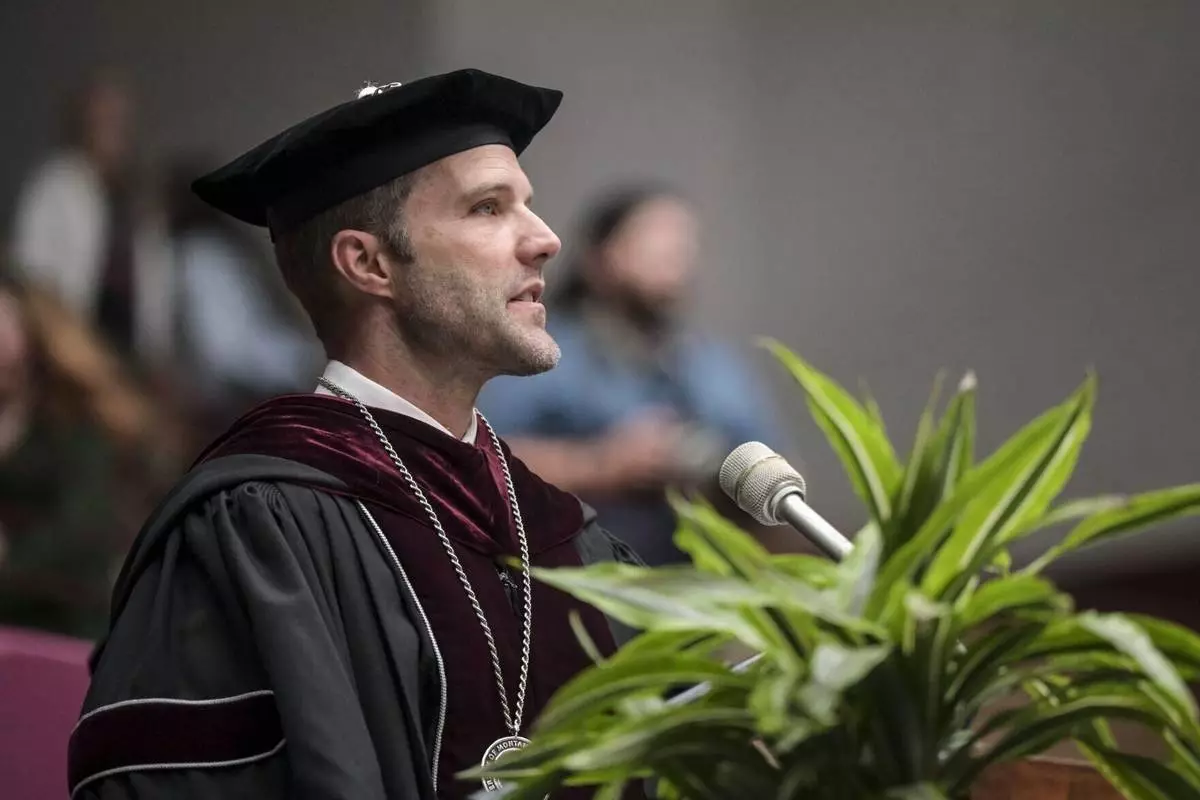
FILE - University of Montana President Seth Bodnar speaks during spring commencement at the Adams Center in Missoula, Mont., on May 10, 2025. (Ben Allan Smith/The Missoulian via AP, File)

FILE - University of Montana President Seth Bodnar speaks during spring commencement at the Adams Center in Missoula, Mont., on May 10, 2025. (Ben Allan Smith/The Missoulian via AP, File)

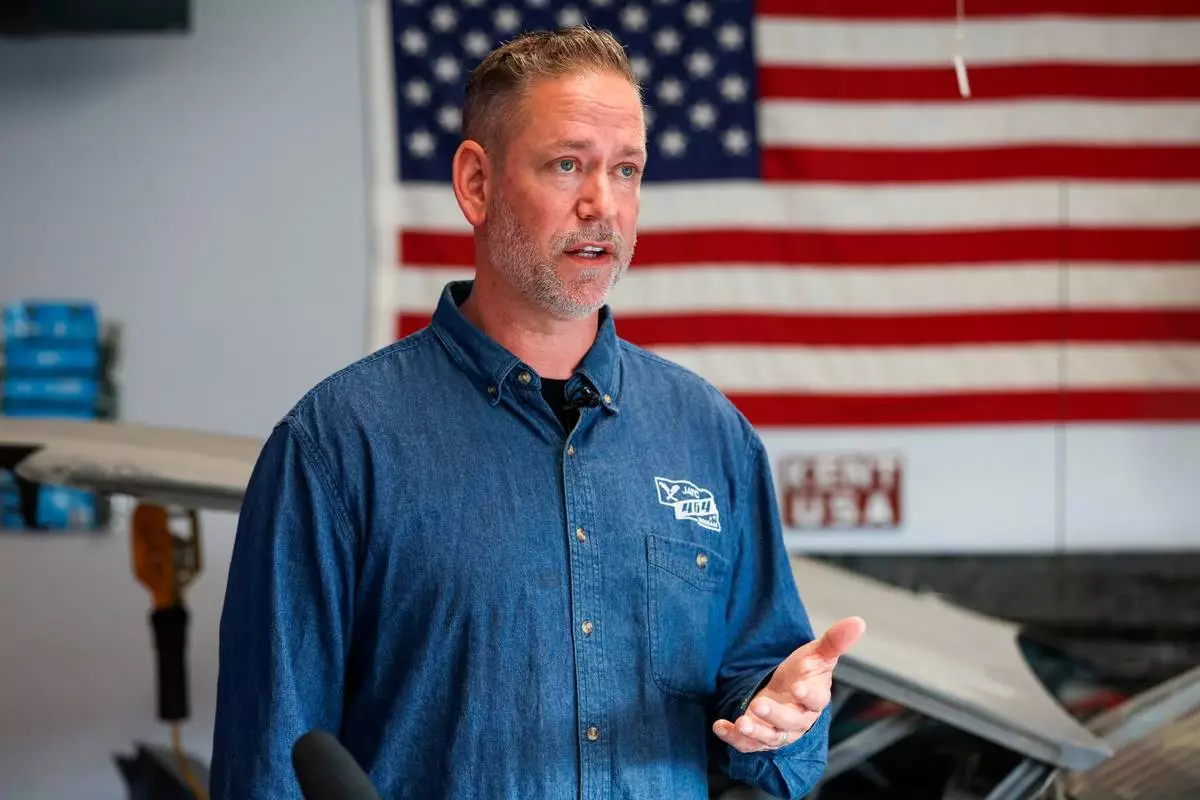
FILE - Dan Osborn, Independent candidate for U.S. Senate, speaks during a news conference, May 15, 2024, at his home in Omaha, Neb. (Nikos Frazier/Omaha World-Herald via AP, File)

FILE - Dan Osborn, Independent candidate for U.S. Senate, speaks during a news conference, May 15, 2024, at his home in Omaha, Neb. (Nikos Frazier/Omaha World-Herald via AP, File)

Recommended Articles