Skip to Content Facebook Feature Image

Scientists find climate change is reducing oxygen in rivers worldwide

News

Scientists find climate change is reducing oxygen in rivers worldwide
News

News

Scientists find climate change is reducing oxygen in rivers worldwide

2026-05-16 04:48 Last Updated At:04:51

WASHINGTON (AP) — Global warming is causing rivers to slowly lose oxygen, threatening fish and other lives in the waterways, a new study shows.

Researchers in China used satellites and artificial intelligence to track and analyze oxygen levels in more than 21,000 rivers across the globe since 1985. They found oxygen levels have dropped an average of 2.1% since 1985, according to a study published Friday in Science Advances. That doesn't seem like much but it adds up and if it continues or accelerates, rivers in the Eastern United States, India and across the tropics could lose enough oxygen by the end of the century to suffocate some fish and create dead zones, the study said.

More Images
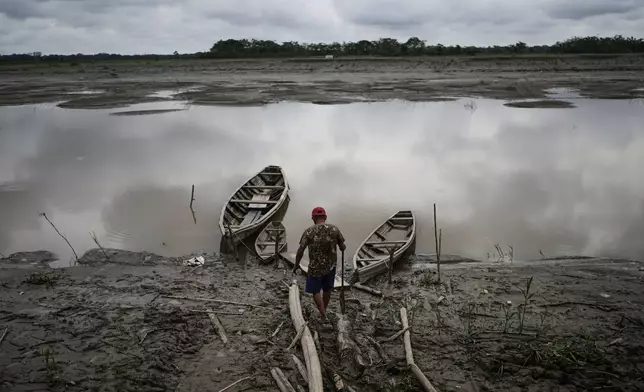
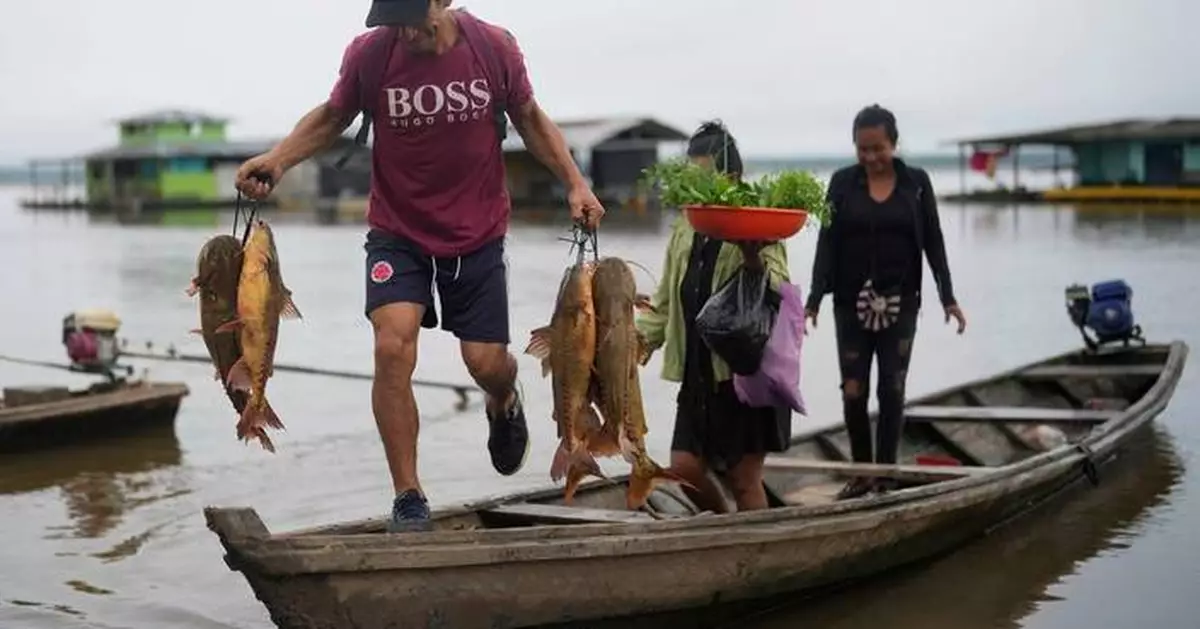
FILE - A fisherman walks to his boat in Santa Rosa, Peru, an island on the Amazon River, on Aug. 17, 2025. (AP Photo/Ivan Valencia, File)
FILE - A fisherman walks to his boat in Santa Rosa, Peru, an island on the Amazon River, on Aug. 17, 2025. (AP Photo/Ivan Valencia, File)

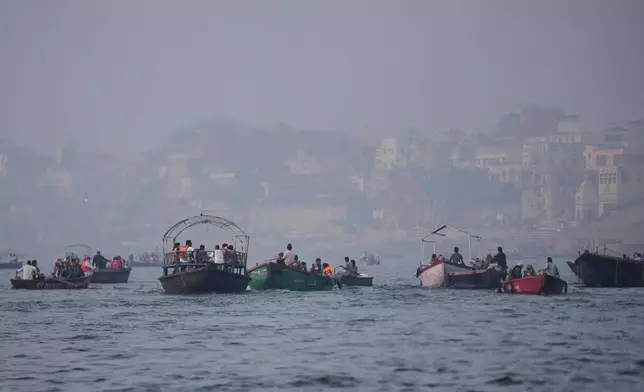
FILE - Tourists take a boat ride early morning in the Ganges river in Varanasi, India, March.16, 2026. (AP Photo/Channi Anand, File)
FILE - Tourists take a boat ride early morning in the Ganges river in Varanasi, India, March.16, 2026. (AP Photo/Channi Anand, File)

FILE - A woman sells fresh fish in Puerto Narino, Colombia, along the Amazon River, Sunday, Sept. 7, 2025. (AP Photo/Fernando Vergara, File)
FILE - A woman sells fresh fish in Puerto Narino, Colombia, along the Amazon River, Sunday, Sept. 7, 2025. (AP Photo/Fernando Vergara, File)

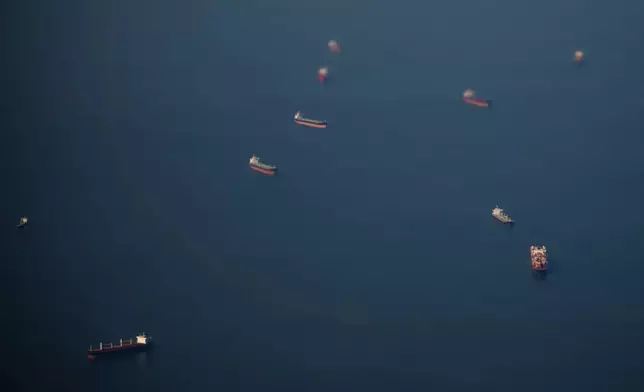
FILE - Ships are anchored near the Chesapeake Bay Bridge, March 18, 2026, in Maryland. (AP Photo/Julia Demaree Nikhinson, File)
FILE - Ships are anchored near the Chesapeake Bay Bridge, March 18, 2026, in Maryland. (AP Photo/Julia Demaree Nikhinson, File)

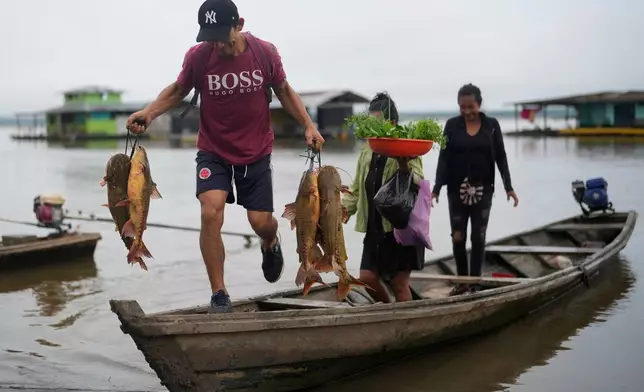
FILE - A man unloads fresh fish from a boat in Puerto Narino, Colombia, along the Amazon River, Sept. 7, 2025. (AP Photo/Fernando Vergara, File)

FILE - A man unloads fresh fish from a boat in Puerto Narino, Colombia, along the Amazon River, Sept. 7, 2025. (AP Photo/Fernando Vergara, File)

Basic chemistry and physics dictate that warmer water holds less oxygen, scientists said. Warmer water, which happens with human-caused climate change, releases more oxygen into the atmosphere.

If the oxygen loss rate continues at the current pace, the world's rivers on average will lose an additional 4% of their oxygen by the end of the century, and in some cases close to 5%, the study found. That's when oxygen loss — called deoxygenation — becomes problematic for fish and people who rely on rivers, according to the study's lead author Qi Guan, an environmental scientist at the Chinese Academy of Sciences in Nanjing.

Scientists worry that oxygen levels in rivers could fall so low that dead zones appear, as they have in the Gulf of Mexico, Chesapeake Bay and Lake Erie. Those are areas where fish struggle to breathe and die.

“Deoxygenation is a very slow process. If we have a long period, the negative impact will attack the river ecosystems,” Guan said. “The low level of oxygen can cause a series of ecological crises such as biodiversity decline, water quality degradation and maybe some fish will die.”

University of Arizona geoscientist Karl Flessa, who wasn't part of the study, said in an email that losing oxygen in rivers means “a future of more stinky dead zones (hypoxia), especially during heat waves.”

Some rivers are in such bad shape that “a small change can tip them into the danger zone,” Flessa said. “if your favorite fishing hole gets too warm, oxygen levels will go down and there won't be any fish to catch.”

Earlier this century, India's heavily polluted Ganges River was losing oxygen more than 20 times faster than the global average, the study said. Even with moderate-to-high increases in global carbon dioxide emission rates — not the implausible worst-case scenario — rivers in the Eastern United States, the Arctic, India and much of South America are projected to lose about 10% of their oxygen by the end of the century, the analysis showed.

Guan said he worries about tropical rivers especially, such as the Amazon in Brazil. Since 1980, the number of days with dead zone spots in the Amazon rose by nearly 16 days per decade, a study last year found.

Hydrology professor Marc Bierkens of Utrecht University in the Netherlands, said a study he and colleagues did last year showed oxygen stress in the world's rivers increased by 13 days every decade and dead zone occurrences increased by nearly three days a decade since 1980. As the world continues to warm, those numbers should jump even higher, said Bierkens, who didn't participate in the Chinese study.

Guan's study found several reasons for oxygen loss in the world's rivers, including nutrient pollution from fertilizer and urban runoff, along with dam construction, flow and wind issues. But nearly 63% of the problem is from warmer water, the study found.

Duke University ecologist and biogeochemist Emily Bernhardt, who wasn't part of the study, said “as rivers warm it becomes easier and easier for the same pollution problems as before to cause more severe, more long lasting or more widespread hypoxia and anoxia.” Anoxia is the total loss of oxygen.

“Water pollution reduction is more important than ever and will be harder as rivers warm,” she said.

The Associated Press’ climate and environmental coverage receives financial support from multiple private foundations. AP is solely responsible for all content. Find AP’s standards for working with philanthropies, a list of supporters and funded coverage areas at AP.org.
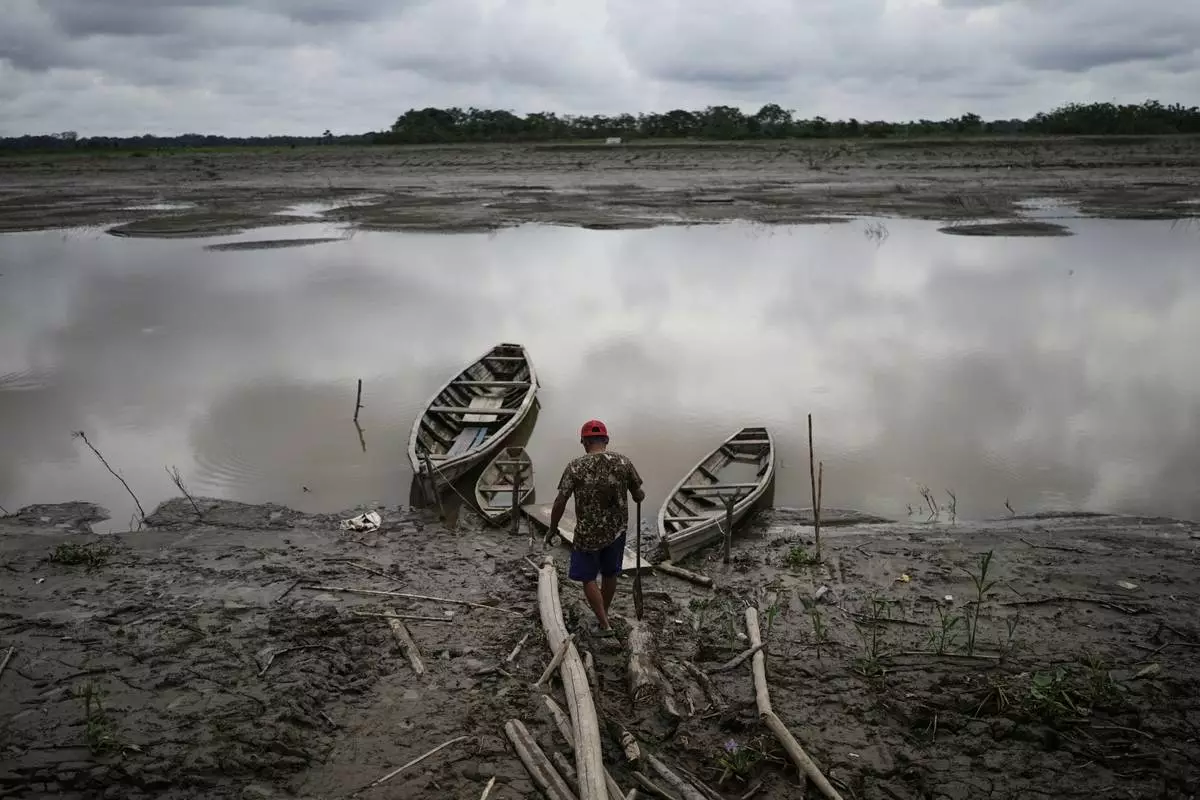
FILE - A fisherman walks to his boat in Santa Rosa, Peru, an island on the Amazon River, on Aug. 17, 2025. (AP Photo/Ivan Valencia, File)
FILE - A fisherman walks to his boat in Santa Rosa, Peru, an island on the Amazon River, on Aug. 17, 2025. (AP Photo/Ivan Valencia, File)

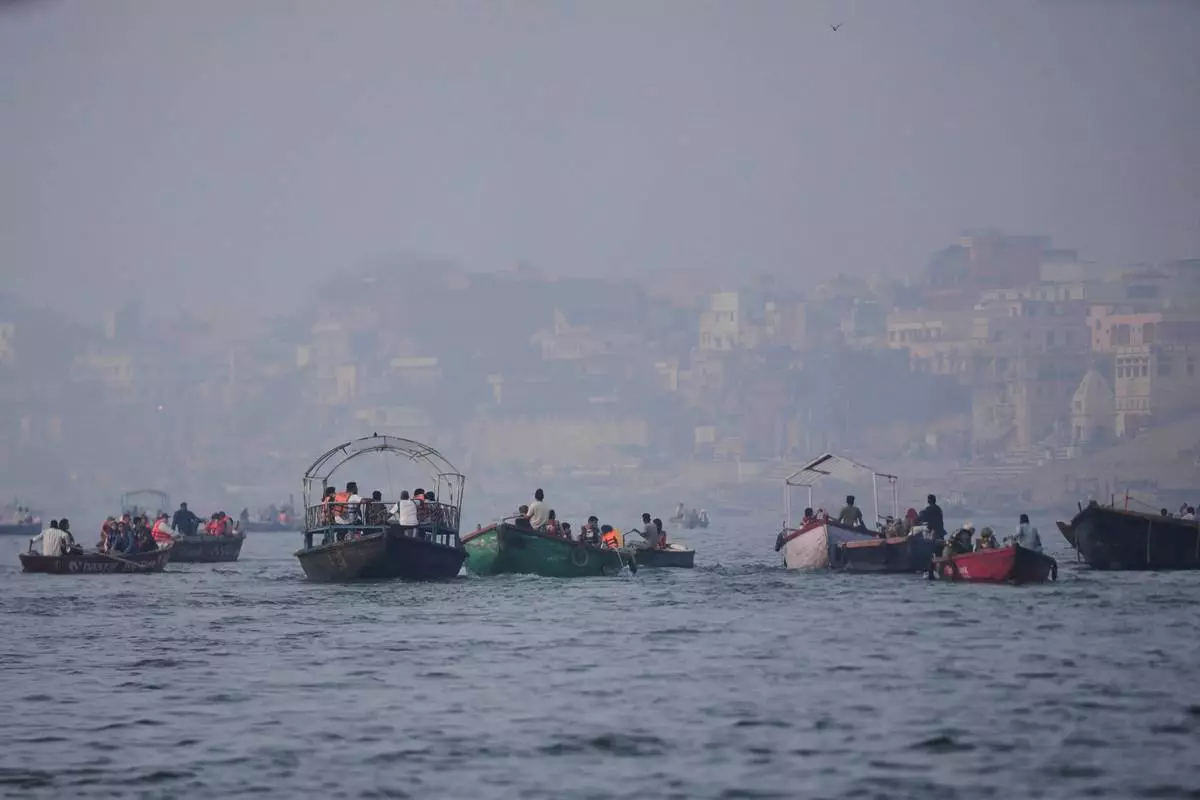
FILE - Tourists take a boat ride early morning in the Ganges river in Varanasi, India, March.16, 2026. (AP Photo/Channi Anand, File)
FILE - Tourists take a boat ride early morning in the Ganges river in Varanasi, India, March.16, 2026. (AP Photo/Channi Anand, File)

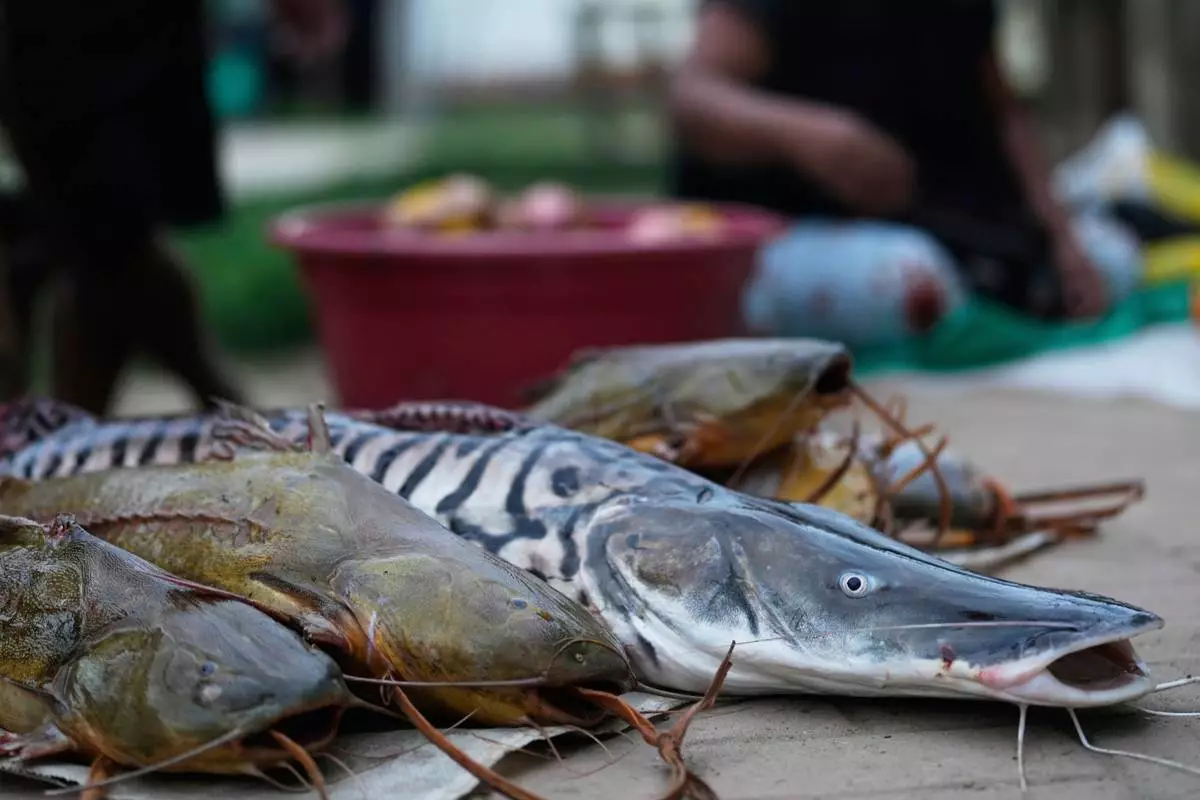
FILE - A woman sells fresh fish in Puerto Narino, Colombia, along the Amazon River, Sunday, Sept. 7, 2025. (AP Photo/Fernando Vergara, File)
FILE - A woman sells fresh fish in Puerto Narino, Colombia, along the Amazon River, Sunday, Sept. 7, 2025. (AP Photo/Fernando Vergara, File)

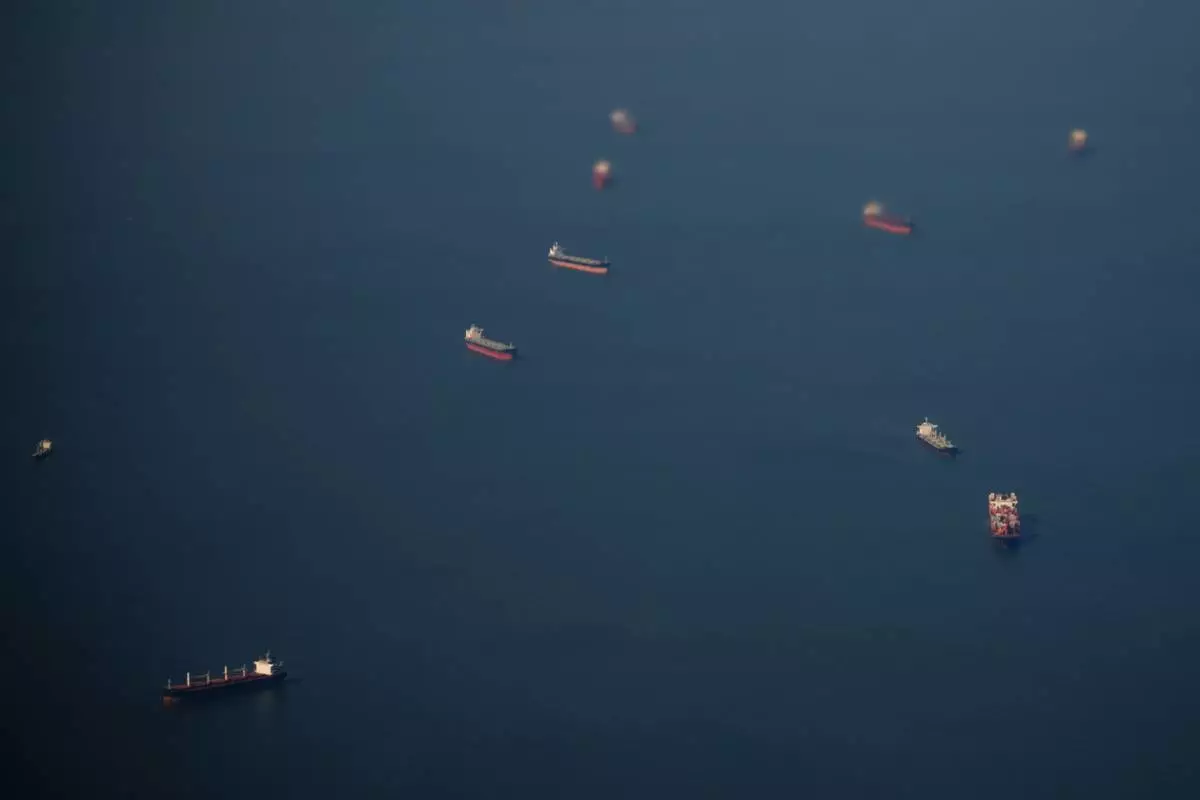
FILE - Ships are anchored near the Chesapeake Bay Bridge, March 18, 2026, in Maryland. (AP Photo/Julia Demaree Nikhinson, File)
FILE - Ships are anchored near the Chesapeake Bay Bridge, March 18, 2026, in Maryland. (AP Photo/Julia Demaree Nikhinson, File)

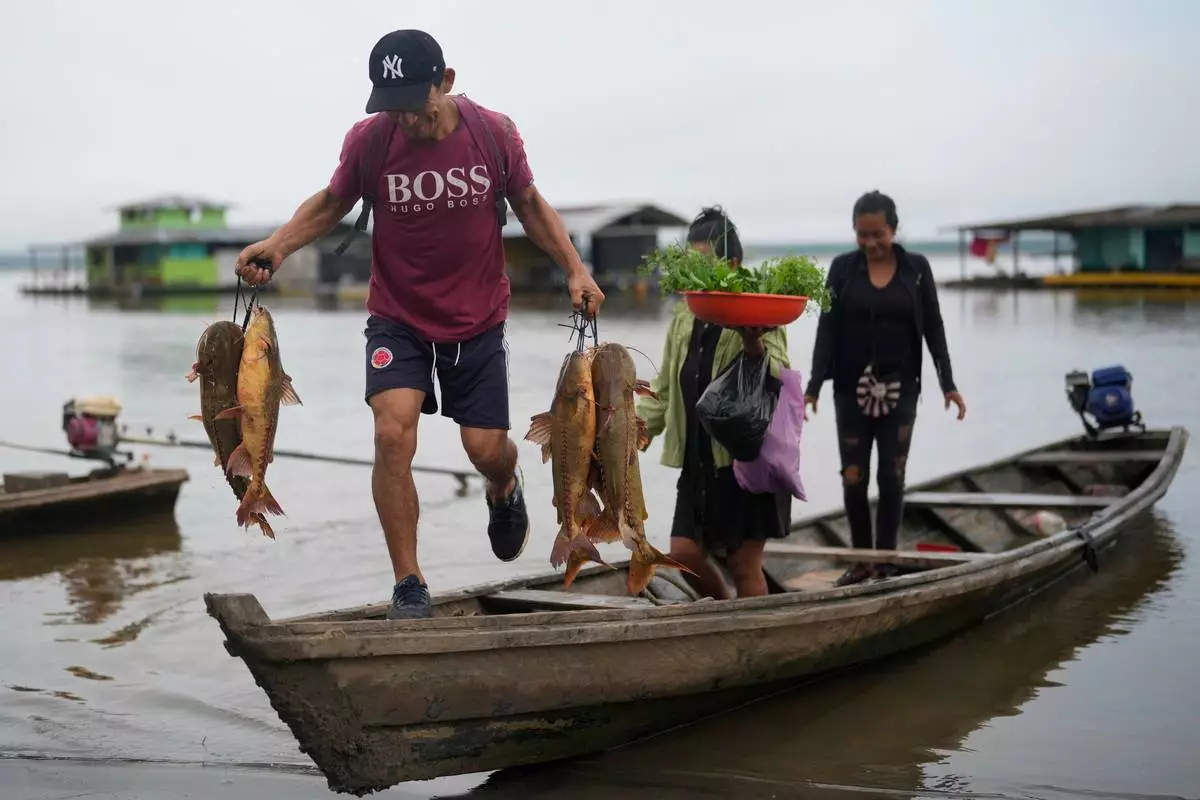
FILE - A man unloads fresh fish from a boat in Puerto Narino, Colombia, along the Amazon River, Sept. 7, 2025. (AP Photo/Fernando Vergara, File)


FILE - A man unloads fresh fish from a boat in Puerto Narino, Colombia, along the Amazon River, Sept. 7, 2025. (AP Photo/Fernando Vergara, File)
MEMPHIS, Tenn, (AP) — A Tennessee man pleaded guilty on Friday in the shooting death of Young Dolph during a daytime ambush at a Memphis bakery, marking an end to courtroom battles stemming from the rapper and music label owner’s shocking killing in his hometown more than four years ago.

Cornelius Smith Jr., 36, pleaded guilty to second-degree murder in a Memphis courtroom under an agreement with prosecutors that dropped other charges against him, according to a press release from the district attorney's office. He was sentenced to 20 years in prison as part of the plea deal.

Smith and another man, Justin Johnson, were charged with first-degree murder in the November 2021 killing of Young Dolph at his favorite cookie shop, located near his childhood home in a working-class Memphis neighborhood.

Smith was the main witness in the trial of Johnson, who was convicted of first-degree murder in 2024 after Smith named him as the second shooter. Johnson was sentenced in September 2024 to life in prison. Johnson was later sentenced for two other convictions from the trial: conspiracy to commit murder and possession of a gun as a felon.

Smith also testified at the trial of Hernandez Govan, who was acquitted in August of charges that he organized the killing.

Young Dolph, whose legal name is Adolph Thornton Jr., was a rapper, independent label owner and producer who grew up in Memphis and was admired in the city for his charitable works. The 36-year-old was in his hometown to hand out Thanksgiving turkeys to families when he was killed.

The shooting stunned the entertainment world as another death of a rap star killed in their prime, like Tupac Shakur, Notorious B.I.G. and Nipsey Hussle.

Authorities said two men exited a white Mercedes-Benz and began shooting at the rapper at the bakery. He died after being shot about 20 times, according to a medical examiner’s report.

After the killing, the bakery, Makeda’s Homemade Cookies, turned into a memorial to Young Dolph. He was also honored at a Memphis Grizzlies game and the city named a street after him. Murals of the rapper have been painted around the city.

Prosecutors have portrayed the killing as part of an effort by Anthony “Big Jook” Mims to get revenge on Young Dolph for diss tracks aimed at Big Jook and the record label he helped run for his brother, rapper Yo Gotti. Smith has testified that Big Jook put out a $100,000 hit on Young Dolph as well as smaller bounties on all the artists at Young Dolph’s record label, Paper Route Empire.

At the trial of Justin Johnson, a prosecutor told jurors that Cocaine Muzik Group (now known as Collective Music Group), a rival record label founded by Yo Gotti, wanted Young Dolph to work for them, but he turned them down.

Big Jook was shot and killed outside a restaurant in January 2024. No arrests have been made in his death, and he was never charged in Young Dolph’s killing.

Smith has testified that, “I didn’t know anything about Paper Route having no hits,” before Govan told him about them. He said Govan hired him to “do the hits” and was going to take $10,000 as his cut.

But the jury in Govan’s trial was not convinced that he organized the killings.

After Young Dolph’s death, social media was filled with messages of respect and love for the rapper, whose music discussed Memphis street life and his crack-addicted parents, alongside hard-earned lessons of strength and perseverance in the face of difficult circumstances. His legacy as a fiercely independent artist and businessman was cemented in the hip-hop universe.

Young Dolph began his career by releasing numerous mixtapes. His studio albums include his 2016 debut, “King of Memphis.” He also collaborated on other mixtapes and albums with fellow rappers Key Glock, Megan Thee Stallion, T.I., Gucci Mane and 2 Chainz, among others. Young Dolph had three albums reach the top 10 on the Billboard 200, with 2020′s “Rich Slave” peaking at No. 4.

FILE - Young Dolph performs at The Parking Lot Concert in Atlanta on Aug. 23, 2020. (Photo by Paul R. Giunta/Invision/AP, File)

FILE - Young Dolph performs at The Parking Lot Concert in Atlanta on Aug. 23, 2020. (Photo by Paul R. Giunta/Invision/AP, File)

Recommended Articles