
Skip to Content Facebook Feature Image

Chief Justice Welcomes New Senior Counsel at Admission Ceremony

HK

Chief Justice Welcomes New Senior Counsel at Admission Ceremony
HK

HK

Chief Justice Welcomes New Senior Counsel at Admission Ceremony

2026-05-16 12:10 Last Updated At:05-18 11:08

CJ's address at Ceremony for Admission of New Senior Counsel

The following is issued on behalf of the Judiciary:

The following is the full text of an address by Chief Justice Andrew Cheung, Chief Justice of the Court of Final Appeal, at the Ceremony for the Admission of the New Senior Counsel today (May 16):

Secretary for Justice, Chairman of the Bar, President of the Law Society, fellow judges, ladies and gentlemen,

On behalf of the Judiciary and of all my colleagues present today, I extend a very warm welcome to you all. We are gathered today for this year's Ceremony for the admission to the rank of Senior Counsel of Mr Charles Chan, Mr Eugene Yim, Mr Martin Wong, Mr Calvin Cheuk, Ms Bonnie Cheng, and Mr Charles Hollander.

Success as an advocate is rarely an individual achievement alone. Behind each of those admitted today stand others whose contributions are essential, though often unseen. There are mentors who gave time and guidance; leaders and instructing solicitors who provided opportunities; colleagues who offered advice and support; and families who sustained long and demanding careers. The contribution of those people deserves acknowledgment. I am therefore particularly glad to see so many of them here today, sharing in and bearing witness to this joyous and well earned occasion.

This is also an event of real importance in the life of the Bar and of the court. The admission of counsel to the rank of Senior Counsel is an occasion that calls not only for celebration, but also for seriousness, reflection, and a clear appreciation of both what is being recognised and what is being undertaken.

The conferral of Silk is among the most distinguished forms of recognition open to an advocate. It is not bestowed by seniority alone, nor does it follow merely from a large or successful practice. It is conferred selectively, and for good reason. The appointment reflects the considered judgment of the Chief Justice that the advocate concerned has achieved a standard of excellence such as to command the confidence of the court and place him or her among the leading members of the Bar within their areas of practice. It is a judgment reached only after careful and rigorous consideration. The Chief Justice consults the Chairman of the Bar and the President of the Law Society, as well as senior judges and others who are well placed to assess the quality of the applicant's work over time. Save for exceptional cases involving particular areas of practice, the fact that appointees practise advocacy in open court is of particular significance. It ensures that such appointments are transparent, publicly verifiable, and subject in practice to scrutiny by professional peers.

The assessment of applications is not confined to technical competence, important though that is. Particular attention is paid to legal learning, areas of expertise, advocacy skills, judgment grounded in experience, and integrity consistently demonstrated over time. What is looked for is consistency of conduct, independence of mind, and fidelity to the court and to the law. It requires the capacity to maintain professional standards even when doing so is inconvenient, unpopular, or personally disadvantageous. It requires judgment exercised not only in argument, but in restraint.

An appointment, however, is not solely about recognition of the past. Admission to the rank of Senior Counsel is also a commitment to the future. It marks the assumption of new responsibilities, both formal and informal, and of expectations that extend well beyond any particular brief.

Senior Counsel are looked to for leadership within the Bar. They are expected to set an example through their conduct, their advocacy, and the way in which they deal with others. The manner in which Senior Counsel practise has an influence not only on those who appear with them, but also on the culture of the Bar as a whole. Standards are shaped as much by example as by rule.

Those admitted today will be expected to uphold those standards in their daily work. That includes fairness and courtesy to the court, to opponents, and to junior lawyers. It includes clarity and restraint in advocacy, and respect for the limits of proper argument. It also includes a responsibility to those who look to lawyers for representation.

Under our common law system, the proper functioning of the courts depends upon advocates who are able to present their clients' cases fully and fearlessly, while at the same time discharging their duties to the court with honesty and restraint. Public confidence in the administration of justice depends in significant part upon confidence in those who appear before the courts. Senior Counsel bear particular responsibility in that regard. They are expected to demonstrate, by their conduct, that independence and integrity are not merely asserted, but upheld in practice.

Senior Counsel are also expected to contribute more broadly to public service. Many do so through service in part-time judicial and quasi-judicial roles, professional and disciplinary bodies, law reform, legal education, and work undertaken in the public interest. Such service is not peripheral to practice, but an important aspect of professional responsibility. Those who hold this rank are expected to be among those prepared to generously give of their time and experience for the wider good.

It is against that background that I turn to the six appointees today.

Mr Charles Chan practises principally in criminal law. He has particular experience in appellate work and in complex cases involving fraud and corruption. In addition to his practice at the Bar, he has served the community in judicial office as a Deputy Magistrate and a Deputy District Judge. He has also contributed to the profession through his work on the Bar Council and its Standing Committees.

Mr Eugene Yim specialises in family law. His practice includes matrimonial finance, children matters, and probate. He has served as a Deputy District Judge and has played a significant role in the administration of the profession as Honorary Secretary and Treasurer of the Bar Council. He has also contributed to the development of family law through his work on several committees in that field.

Mr Martin Wong has a broad civil practice, with particular experience in medical negligence and complex cross-border commercial disputes. He has sat as a Deputy District Judge and as a Temporary Deputy Registrar of the High Court. He currently serves as Honorary Secretary and Treasurer of the Bar Council.

Mr Calvin Cheuk focuses on construction disputes and major infrastructure projects. He has served as a Deputy District Judge and as Chairman of the Bar Association's Committee on Construction Law. His appointment recognises his standing in an important and highly specialised field in which the conferral of Senior Counsel is particularly appropriate.

Ms Bonnie Cheng has an exceptionally successful and wide-ranging civil practice, spanning commercial, family, tax, and public law. She has sat as a Deputy District Judge and as a Temporary Deputy Registrar of the High Court.

Mr Charles Hollander, a London silk since 1999, was generally admitted to the local Bar in 2015. He is a highly experienced commercial and chancery practitioner. He has sat as a Recorder and Deputy Judge in the courts of England. His appointment in Hong Kong reflects not only his individual distinction, but also the value of experience drawn from a wider common law context.

I congratulate each of you on your admission to the Inner Bar today. The distinction conferred upon you reflects credit not only upon you individually, but also upon the Bar, of which you are now senior members, and upon the solicitors' profession, which has provided you not only with work, but with indispensable support and the opportunity to excel. With this distinction comes responsibility. The years ahead will offer opportunities to influence, to lead, and to uphold the standards upon which the administration of justice depends. It is my sincere hope that the responsibilities you now assume will be discharged with care, seriousness, and unwavering dedication.

On behalf of the Judiciary, I extend to each of you our sincere congratulations and our very best wishes.

Thank you.

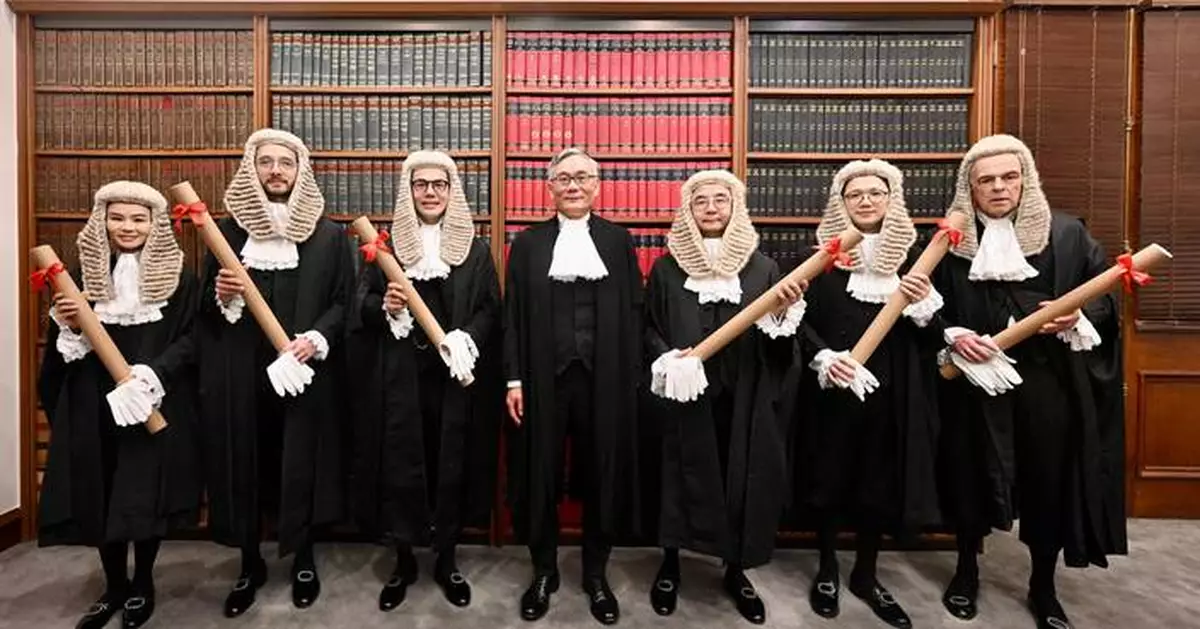
The ceremonial proceedings for the admission of the newly appointed Senior Counsel took place at the Court of Final Appeal today (May 16). Photo shows Chief Justice Andrew Cheung, Chief Justice of the Court of Final Appeal (centre), with the newly appointed Senior Counsel Mr Charles Jeremy Chan (third left); Mr Eugene Yim (third right); Mr Martin Wong (second left); Mr Calvin Cheuk (second right); Ms Bonnie Cheng (first left); and Mr Charles Simon Hollander (first right). Source: HKSAR Government Press Releases

The ceremonial proceedings for the admission of the newly appointed Senior Counsel took place at the Court of Final Appeal today (May 16). Photo shows Chief Justice Andrew Cheung, Chief Justice of the Court of Final Appeal (centre), with the newly appointed Senior Counsel Mr Charles Jeremy Chan (third left); Mr Eugene Yim (third right); Mr Martin Wong (second left); Mr Calvin Cheuk (second right); Ms Bonnie Cheng (first left); and Mr Charles Simon Hollander (first right). Source: HKSAR Government Press Releases
FEHD releases fourth batch of gravidtrap indexes for Aedes albopictus in May

The Food and Environmental Hygiene Department (FEHD) today (May 21) released the fourth batch of gravidtrap indexes and density indexes for Aedes albopictus in May, covering 12 survey areas, as follows:

District

Survey Area

May 2026

First Phase Gravidtrap Index

First Phase Density Index

Eastern

Shau Kei Wan and Sai Wan Ho

9.1%

1.4

Islands

Tung Chung

2.0%

1.0

Kowloon City

Hung Hom and To Kwa Wan

6.7%

1.5

Tai Po

Tai Po East

2.2%

2.0

Tai Po West

15.5%

1.0

Tuen Mun

Tuen Mun South

9.1%

1.4

District

Survey Area

May 2026

Area Gravidtrap Index

Area Density Index

Central and Western

Kennedy Town and Shek Tong Tsui

16.8%

1.3

Eastern

Chai Wan

15.4%

1.0

North Point and Quarry Bay

18.9%

1.4

Southern

Aberdeen and Ap Lei Chau

20.8%

1.7

Sha Tin

Sha Tin Town Centre and Fo Tan

18.3%

1.4

Tsuen Wan

Tsuen Wan Town

6.9%

2.3

The fourth batch of gravidtrap indexes for Aedes albopictus in May includes First Phase Gravidtrap Indexes covering six survey areas and Area Gravidtrap Indexes covering six survey areas. Among which, six survey areas recorded gravidtrap indexes above 10 per cent, while Aberdeen and Ap Lei Chau in Southern District recorded a gravidtrap index above 20 per cent. Meanwhile, the gravidtrap indexes of six survey areas, namely Kennedy Town and Shek Tong Tsui in Central and Western District; North Point and Quarry Bay in Eastern District; Shau Kei Wan and Sai Wan Ho in Eastern District; Aberdeen and Ap Lei Chau in Southern District; Tai Po East in Tai Po District; and Tuen Mun South in Tuen Mun District, have recorded a decrease as compared to the indexes recorded in the last survey period, reflecting the progress of relevant mosquito control work.

With reference to the data from the past few years, the gravidtrap indexes start to rise from April or May every year. The actual timing and extent of the rise are affected by factors like weather conditions and rainfall. The average temperature and rainfall recorded in April this year were higher than those in the same period last year, creating favourable conditions for mosquito growth and breeding. As a result, the rise in gravidtrap indexes occurred earlier this year. With the increase in rainfall in May, the gravidtrap indexes are expected to rise further.

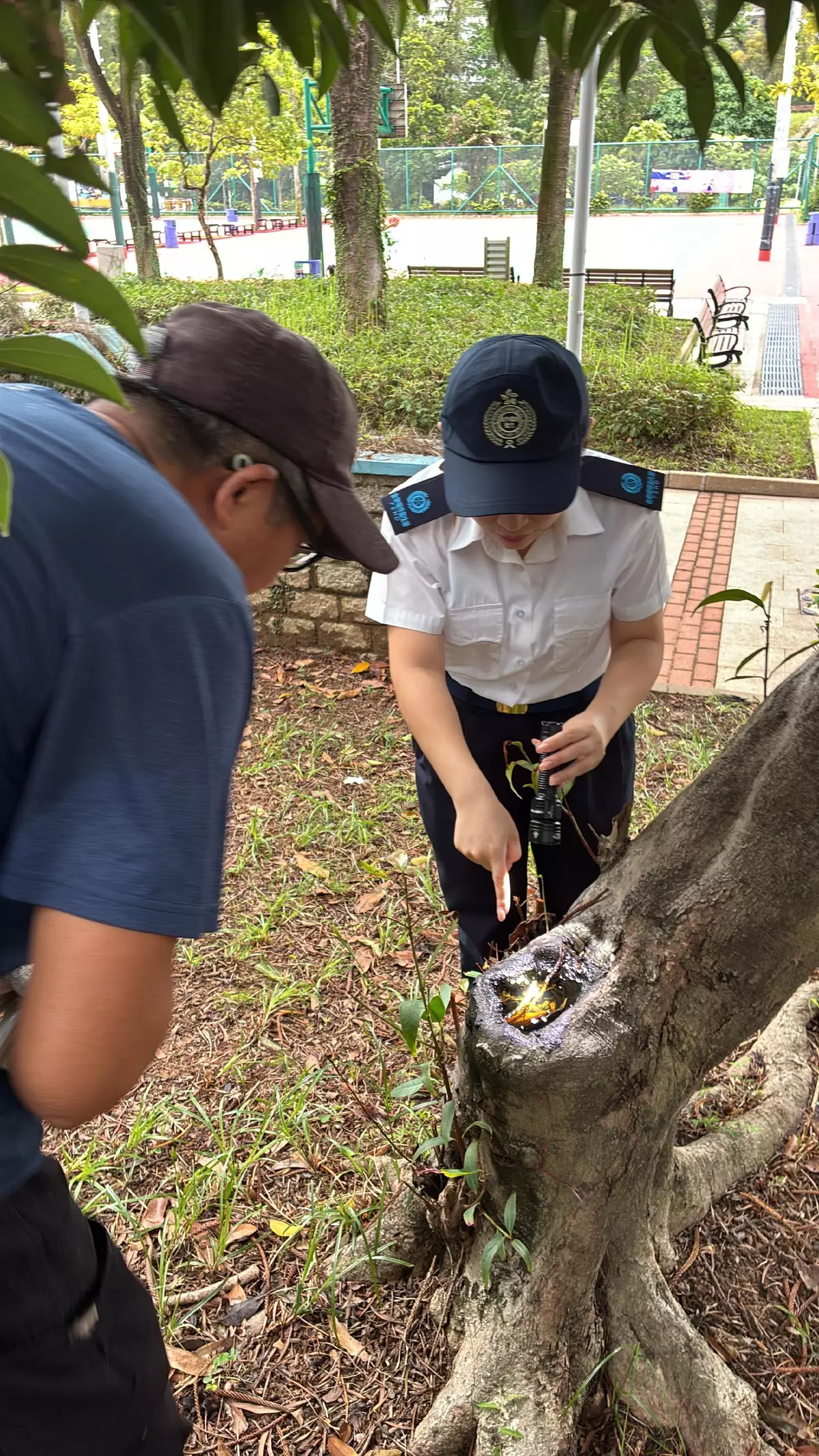
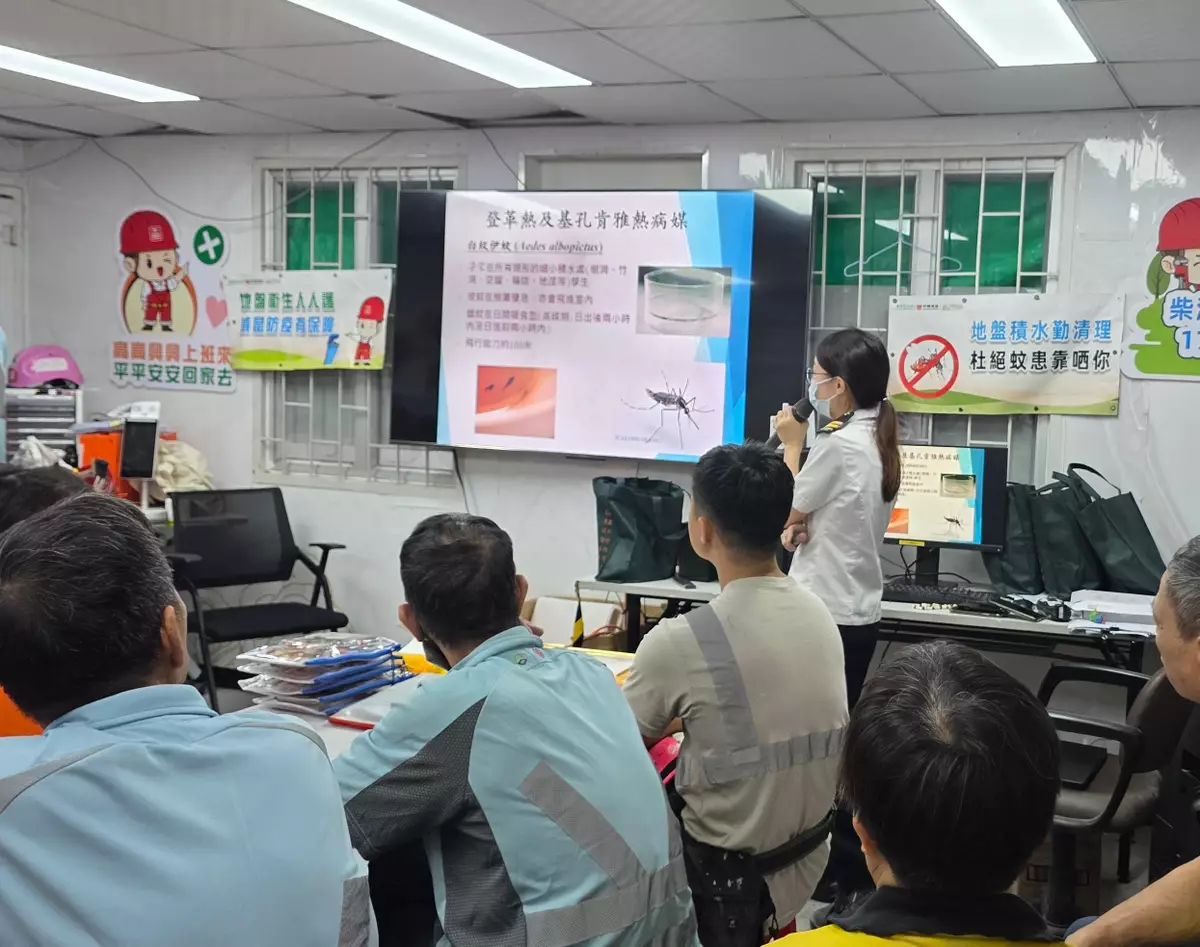
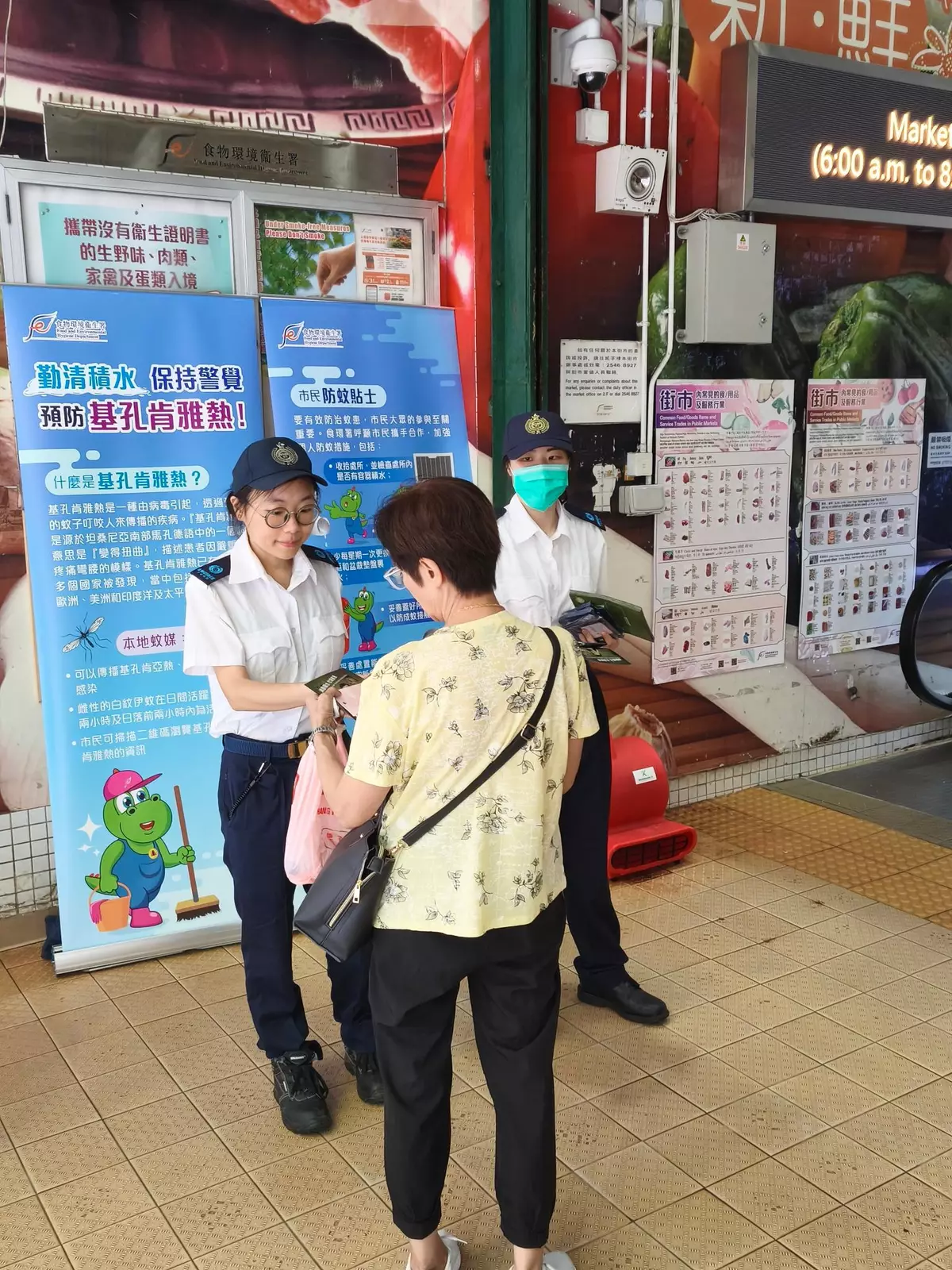
For survey areas which recorded indexes exceeding 10 per cent, in accordance with the mechanism implemented by the FEHD in response to the chikungunya fever (CF) situation (i.e. strengthening mosquito control work in areas with a gravidtrap index between 10 per cent and 20 per cent, instead of 20 per cent or above under the original mechanism), the FEHD is collaborating with relevant departments and stakeholders to identify locations with high mosquito infestations and carry out intensive and targeted mosquito control measures. The FEHD has initiated two prosecutions against the relevant construction site contractors following the discovery of mosquito breeding at construction sites in Tai Po District and Southern District. Moreover, following the discovery of stagnant water or stagnant water containers in a park, a construction site, a private housing estate, a clinic and a private premises in Tai Po District, Central and Western District, as well as Southern District, the FEHD has issued five statutory notices to the responsible persons-in-charge, requiring the clearance of such items within a specified timeframe. The FEHD, the relevant departments and stakeholders are following up on the mosquito control work, and will also organise exhibitions, distribute leaflets and posters, and notify residential estates that have subscribed to the gravidtrap Rapid Alert System, advising property management agents and residents to stay vigilant and work together in taking mosquito prevention and elimination measures. In addition, the FEHD will strengthen the monitoring of the gravidtrap index in the areas to review the effectiveness of the mosquito control work.

Public participation is crucial to the effective control of mosquito problems. The FEHD appeals to members of the public to continue to work together in strengthening personal mosquito control measures, including:

  • tidy up their premises and check for any accumulation of water inside the premises;
  • remove all unnecessary water collections and eliminate the sources;
  • check household items (those placed in outdoor and open areas in particular), such as refuse containers, vases, air conditioner drip trays, and laundry racks to prevent stagnant water;
  • change water in flower vases and scrub their inner surfaces thoroughly, and remove water in saucers under potted plants at least once a week;
  • properly cover all containers that hold water to prevent mosquitoes from accessing the water;
  • properly dispose of articles that can contain water, such as disposable meal boxes and empty cans; and
  • scrub drains and surface sewers with alkaline detergent at least once a week to remove any mosquito eggs.
  • Starting in August 2025, following the completion of the surveillance of individual survey areas, and once the latest gravidtrap index and the density index are available, the FEHD has been disseminating relevant information through press releases, its website and social media. It aims to allow members of the public to quickly grasp the mosquito infestation situation and strengthen mosquito control efforts, thereby reducing the risk of CF transmission.

    Following recommendations from the World Health Organization and taking into account the local situation in Hong Kong, the FEHD sets up gravidtraps in districts where mosquito-borne diseases have been recorded in the past, as well as in densely populated places such as housing estates, hospitals and schools to monitor the breeding and distribution of Aedes albopictus mosquitoes, which can transmit CF and dengue fever. At present, the FEHD has set up gravidtraps in 62 survey areas of the community, with a surveillance period of two weeks. During the surveillance period, the FEHD will collect the gravidtraps once a week. After the first week of surveillance, the FEHD will immediately examine the glue boards inside the retrieved gravidtraps for the presence of adult Aedine mosquitoes to compile the Gravidtrap Index (First Phase) and Density Index (First Phase). At the end of the second week of surveillance, the FEHD will instantly check the glue boards for the presence of adult Aedine mosquitoes. Data from the two weeks of surveillance will be combined to obtain the Area Gravidtrap Index and the Area Density Index. The gravidtrap and density indexes for Aedes albopictus in different survey areas, as well as information on mosquito prevention and control measures, are available on the department's webpage (www.fehd.gov.hk/english/pestcontrol/dengue_fever/Dengue_Fever_Gravidtrap_Index_Update.html#).

    FEHD releases fourth batch of gravidtrap indexes for Aedes albopictus in May  Source: HKSAR Government Press Releases
    FEHD releases fourth batch of gravidtrap indexes for Aedes albopictus in May Source: HKSAR Government Press Releases
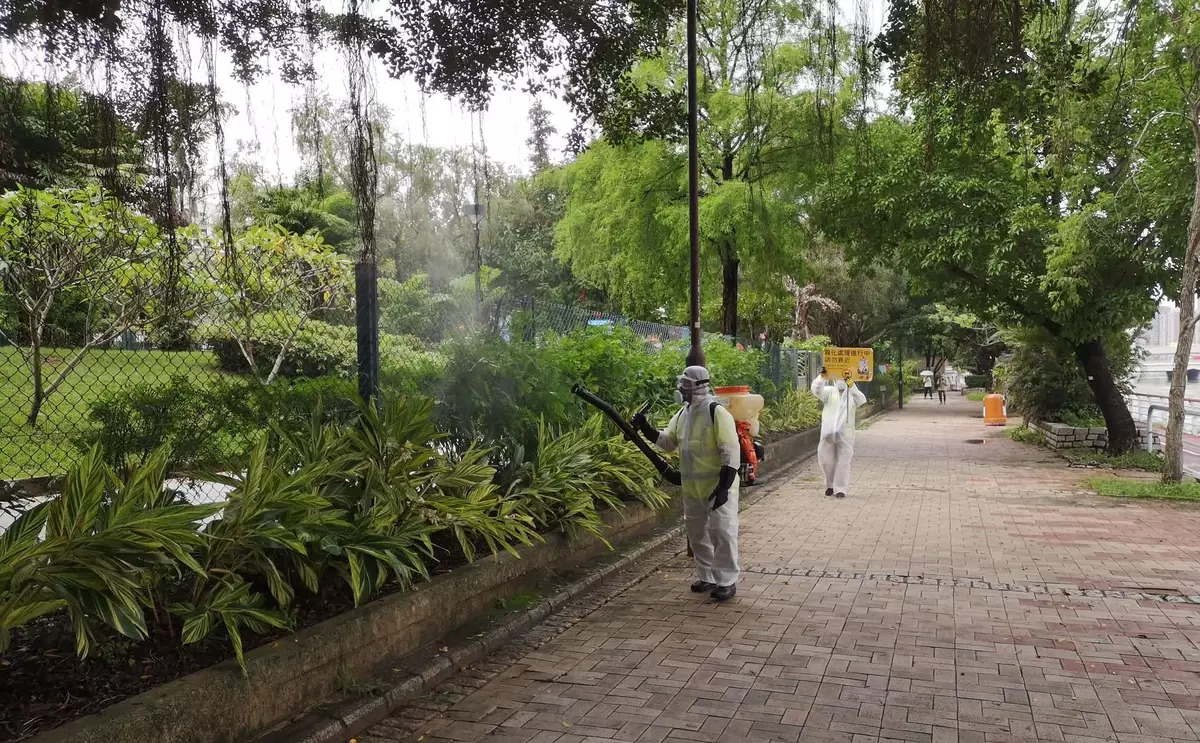
    FEHD releases fourth batch of gravidtrap indexes for Aedes albopictus in May  Source: HKSAR Government Press Releases
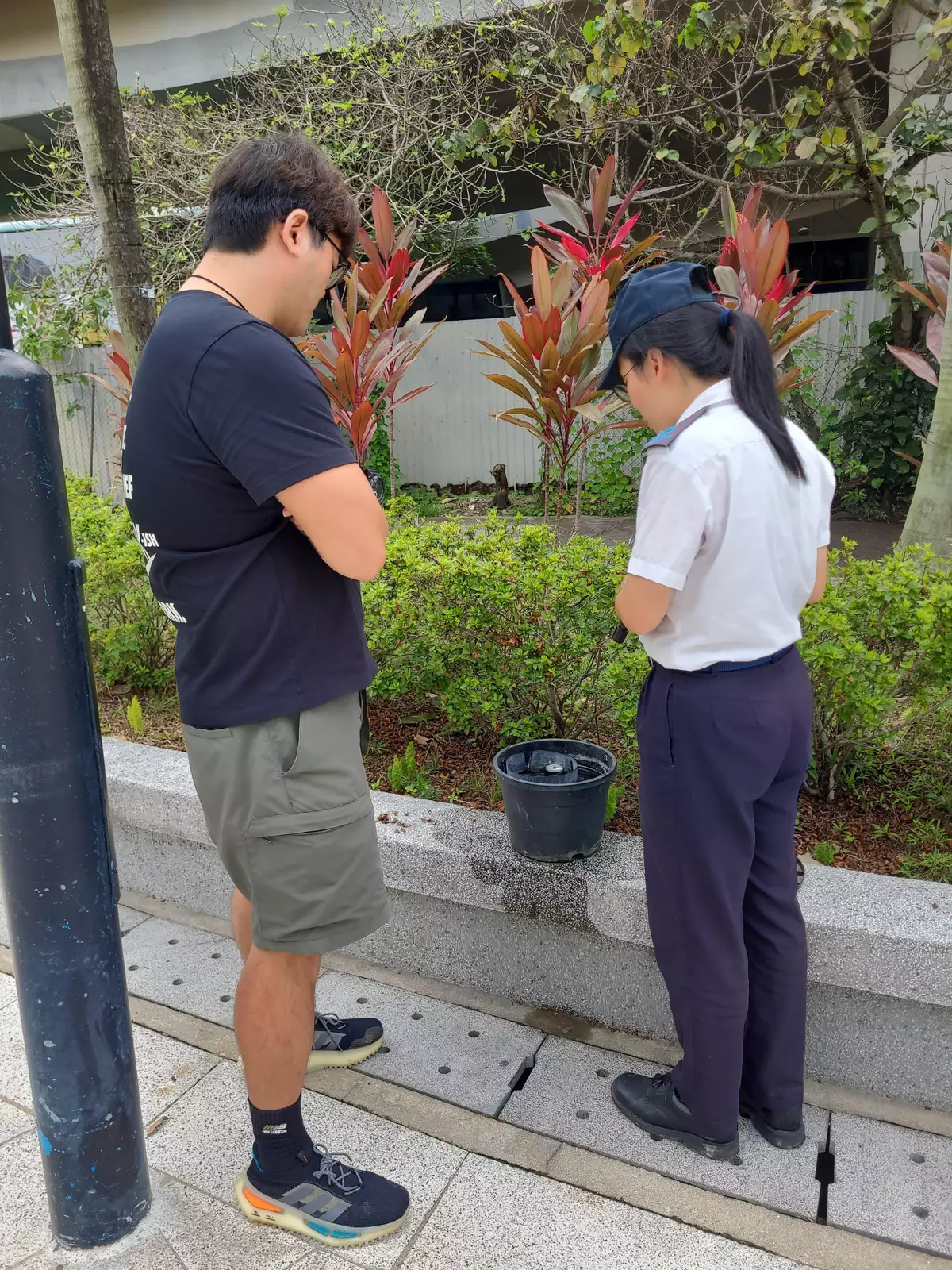
    FEHD releases fourth batch of gravidtrap indexes for Aedes albopictus in May Source: HKSAR Government Press Releases
    FEHD releases fourth batch of gravidtrap indexes for Aedes albopictus in May  Source: HKSAR Government Press Releases

    FEHD releases fourth batch of gravidtrap indexes for Aedes albopictus in May Source: HKSAR Government Press Releases

    FEHD releases fourth batch of gravidtrap indexes for Aedes albopictus in May  Source: HKSAR Government Press Releases

    FEHD releases fourth batch of gravidtrap indexes for Aedes albopictus in May Source: HKSAR Government Press Releases

    FEHD releases fourth batch of gravidtrap indexes for Aedes albopictus in May  Source: HKSAR Government Press Releases
    FEHD releases fourth batch of gravidtrap indexes for Aedes albopictus in May Source: HKSAR Government Press Releases
    Recommended Articles